Marsa Alam: the Most Authentic and Pristine Red Sea
Marsa Alam represents the southern frontier of Egyptian seaside tourism on the Red Sea, a destination that has known how to preserve the wild and pristine charm that Hurghada and Sharm el-Sheikh have partly lost with the development of the mass tourism industry. Located about 270 kilometres south of Hurghada, this locality extends along a spectacular desert coast where the mountains of the eastern desert descend almost to touch the turquoise waters of the Red Sea, creating landscapes of extraordinary beauty.
The history of Marsa Alam as a tourist destination is relatively recent. Until the end of the 1990s, this was a remote coastal area inhabited almost exclusively by Bedouin communities and a few fishermen. The opening of the International Airport of Marsa Alam in 2001 marked the beginning of a gradual but constant tourist development, characterised by a more respectful approach to the environment compared to that which had transformed the more northern localities.
The Marine Treasures
Abu Dabbab: the Encounter with the Dugong
Abu Dabbab is without doubt the most famous site of Marsa Alam and one of the very few places in the world where it is possible to encounter the dugong, a marine mammal with a massive body and a rounded muzzle, a close relative of the manatee. Known also as "sea cow", the dugong of Abu Dabbab has become a real celebrity: this solitary specimen regularly frequents the shallow bay to feed on the prairies of marine seagrass that cover the seabed.
The encounter with the dugong takes place in shallow waters, often at less than 5 metres of depth, making this experience accessible also to simple snorkelers. The animal, over 3 metres long and weighing about 400 kilograms, lets itself be approached with surprising tranquillity, offering unforgettable moments of observation. It is fundamental to maintain a respectful distance and never touch the animal, following the indications of the park rangers who supervise the area.
Besides the dugong, the bay of Abu Dabbab hosts a stable population of green turtles that feed on the same marine prairies, creating a unique ecosystem where it is possible to observe simultaneously two of the most fascinating marine species of the planet.
Samadai Reef: the Home of the Dolphins
The reef of Samadai, known also as "Dolphin House", is a vast horseshoe-shaped coral formation that encloses a natural lagoon regularly frequented by a pod of spinner dolphins (Stenella longirostris). These elegant cetaceans, recognisable for their habit of performing spectacular acrobatic jumps with rotation of the body, use the lagoon as a resting area during the daytime hours before going out into the open sea to hunt during the night.
Since 2004, Samadai is protected by a rigorous regulation that limits the number of visitors and subdivides the lagoon into three zones: a zone of free access for snorkeling, a buffer zone and a forbidden zone where the dolphins can rest without disturbance. This management system has allowed the constant presence of the dolphins in the lagoon to be maintained, guaranteeing at the same time an extraordinary experience for the visitors.
Marsa Mubarak: the Refuge of the Turtles
Marsa Mubarak is a sheltered bay that represents one of the best snorkeling sites of the entire Red Sea. Its calm and shallow waters host an exceptional concentration of green sea turtles, which feed tranquilly among the algae of the seabed, heedless of the presence of the observers. The coral reef that surrounds the bay is in excellent state of conservation and teems with multicoloured tropical fish.
This site is particularly suitable for families and beginners of snorkeling, thanks to the contained depth and the absence of significant currents. Many resorts of the area organise daily excursions to Marsa Mubarak, often combined with visits to other nearby sites.
The Advanced Dives
Elphinstone Reef
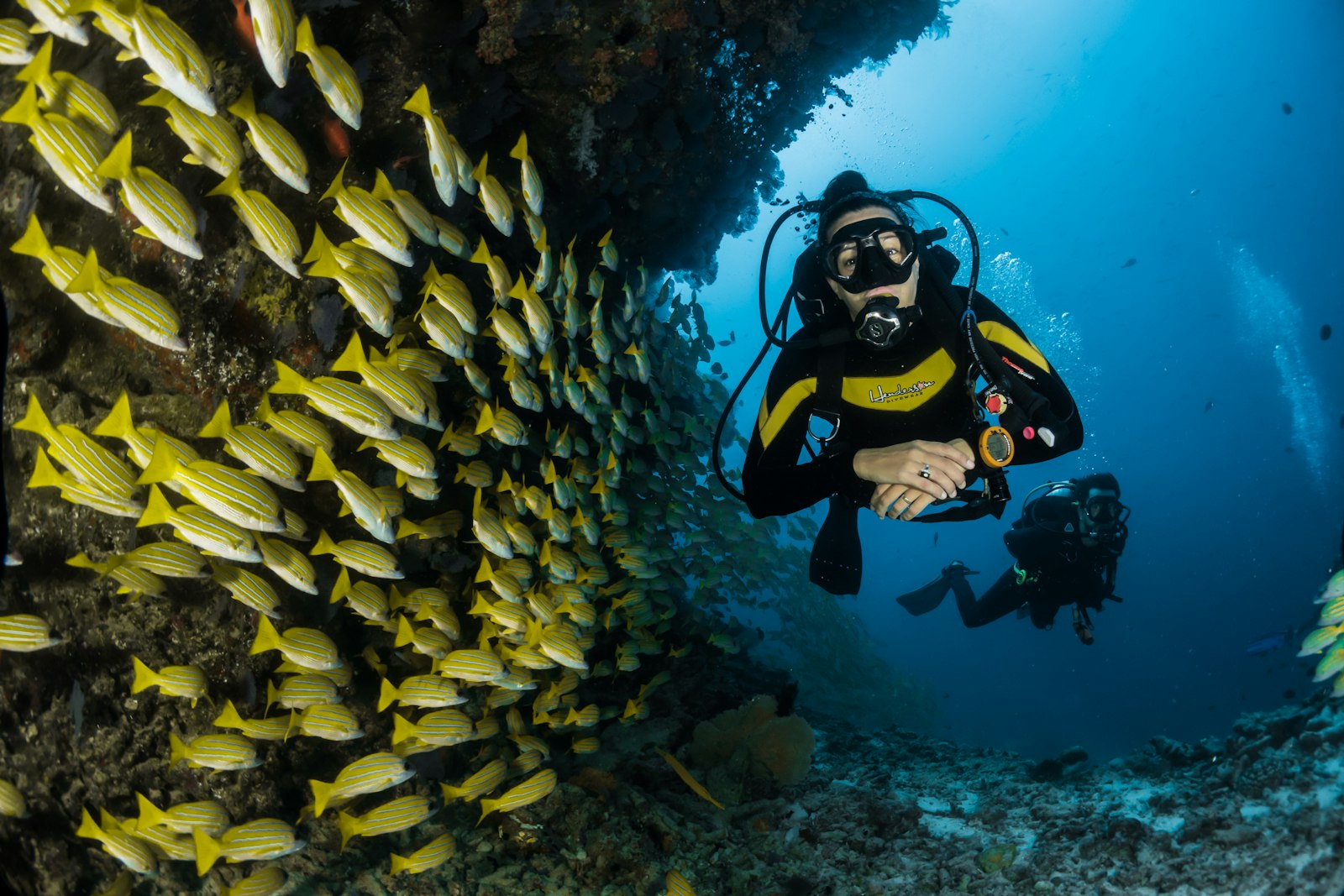
A short distance from the coast of Marsa Alam is found Elphinstone Reef, one of the most famous diving sites of the entire Red Sea. This spectacular coral formation, treated in detail in its dedicated page, is reachable with a daily boat trip from Marsa Alam and offers encounters with large pelagics, including oceanic whitetip sharks, which attract experienced divers from all over the world.
Fury Shoal and Shaab Samadai
The area of Fury Shoal, situated south of Marsa Alam, comprises a vast system of reefs and lagoons that offers some of the most spectacular diving sites of the region. Shaab Claudio, Shaab Maksur and the reef of Sataya (known also as the southern "Dolphin Reef") are hidden pearls that amply reward the navigation time necessary to reach them. The concentration of marine life in this area is simply extraordinary.
Beyond the Sea
The Roman Emerald Mines
The hinterland of Marsa Alam hides an archaeological surprise of great charm: the ancient emerald mines of Mons Smaragdus, exploited from the Ptolemaic era up to the Roman period. Situated on the mountains of the eastern desert, about 60 kilometres from the coast, these mines were the principal source of emeralds of antiquity and supplied the courts of the Ptolemaic pharaohs, of the Roman emperors and subsequently of the Islamic caliphs.
The remains of the mining installations, of the temples and of the lodgings of the miners are still visible in the desert landscape, creating a fascinating and little-visited archaeological site. The excursion to the emerald mines is an adventure that combines history and nature, crossing spectacular desert landscapes with granite mountains and silent valleys.
The Mangroves of Marsa Alam
Along the coast south of Marsa Alam are found several formations of mangroves, rare and precious ecosystems that play a fundamental role in the protection of the coast and in the vital cycle of numerous marine species. These coastal forests, which grow in brackish waters, represent a unique habitat where it is possible to observe herons, flamingos and other species of migratory birds that use the coast of the Red Sea as a corridor during the seasonal migrations.
The kayak excursions through the mangroves offer a completely different perspective of the coastal environment, immersing the visitor in a silent and primordial ecosystem that contrasts sharply with the frenetic activity of the resorts.
The Eastern Desert
The desert that extends behind Marsa Alam is a territory of austere and majestic beauty. The excursions in jeep or on camel lead through dry wadis (valleys) where millenary rostra of wind have sculpted surreal rocky formations. The Ababda Bedouin communities that inhabit these zones offer traditional hospitality, with dinner under the stars, perfumed tea and tales of a life that has conserved very ancient rhythms.
Practical Tips for the Visit
How to Get There
The International Airport of Marsa Alam (RMF) is connected with direct charter flights to the principal European cities, including several Italian destinations. Alternatively, it is possible to land at Hurghada and reach Marsa Alam with a land transfer of about 3-4 hours along the coastal road, a panoramic journey that offers spectacular glimpses of the Red Sea coast.
Where to Stay
The accommodation offer of Marsa Alam is concentrated in resorts and tourist villages disseminated along the coast, from the zone of Port Ghalib to the north up to Wadi Lahami to the south. The density of structures is notably inferior compared to Hurghada, which contributes to the sense of tranquillity and of contact with nature. Port Ghalib, a modern tourist marina, also offers dining and shopping options independent of the resorts.
When to Go
The best period to visit Marsa Alam goes from October to April, when the temperatures are pleasant and the diving conditions are optimal. The temperature of the water varies from 22°C in February to 28°C in August. For the sighting of the dugongs and the dolphins, the probability is high during the whole year, but the calm sea conditions of spring and autumn favour the boat excursions.
What to Bring
Besides the standard beach equipment, it is advisable to bring reef shoes to protect the feet on the shallow reefs, a short wetsuit for snorkeling in the winter months and binoculars for the observation of the birds. For the desert excursions, light but covering clothing, high-protection sunscreen and abundant water are essential. An underwater camera or an action camera is indispensable to document the encounters with the marine fauna.
Safety and Respect for the Environment
Marsa Alam is a safe destination, but it is important to respect some fundamental rules: never touch corals, turtles, dugongs or any other form of marine life; maintain the recommended distances from the animals; do not use non-biodegradable sunscreens that damage the coral reef; do not carry away shells, corals or other natural elements. These simple precautions contribute to preserving the marine ecosystem that makes Marsa Alam so special.
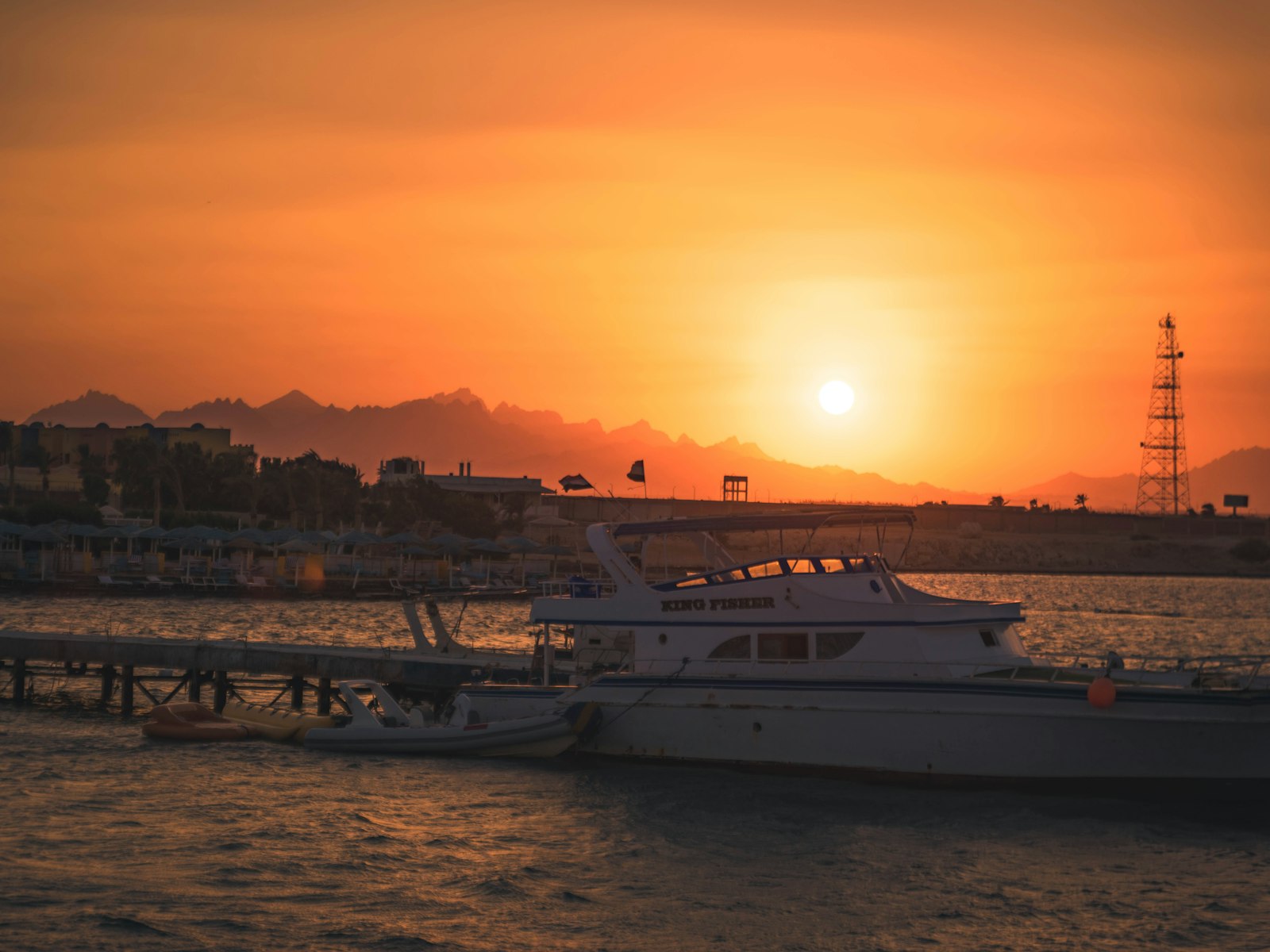
Marsa Alam is the ideal destination for those who seek an authentic Red Sea, far from mass tourism, where every dive, every excursion, every sunset on the desert coast offers unique and unrepeatable emotions. It is a place where nature still dominates uncontested and where the attentive traveller can live experiences that will remain imprinted in the memory forever.