
Luxor
The world's largest open-air museum, with pharaonic temples and tombs.
What to See in Luxor
 🏆 UNESCO
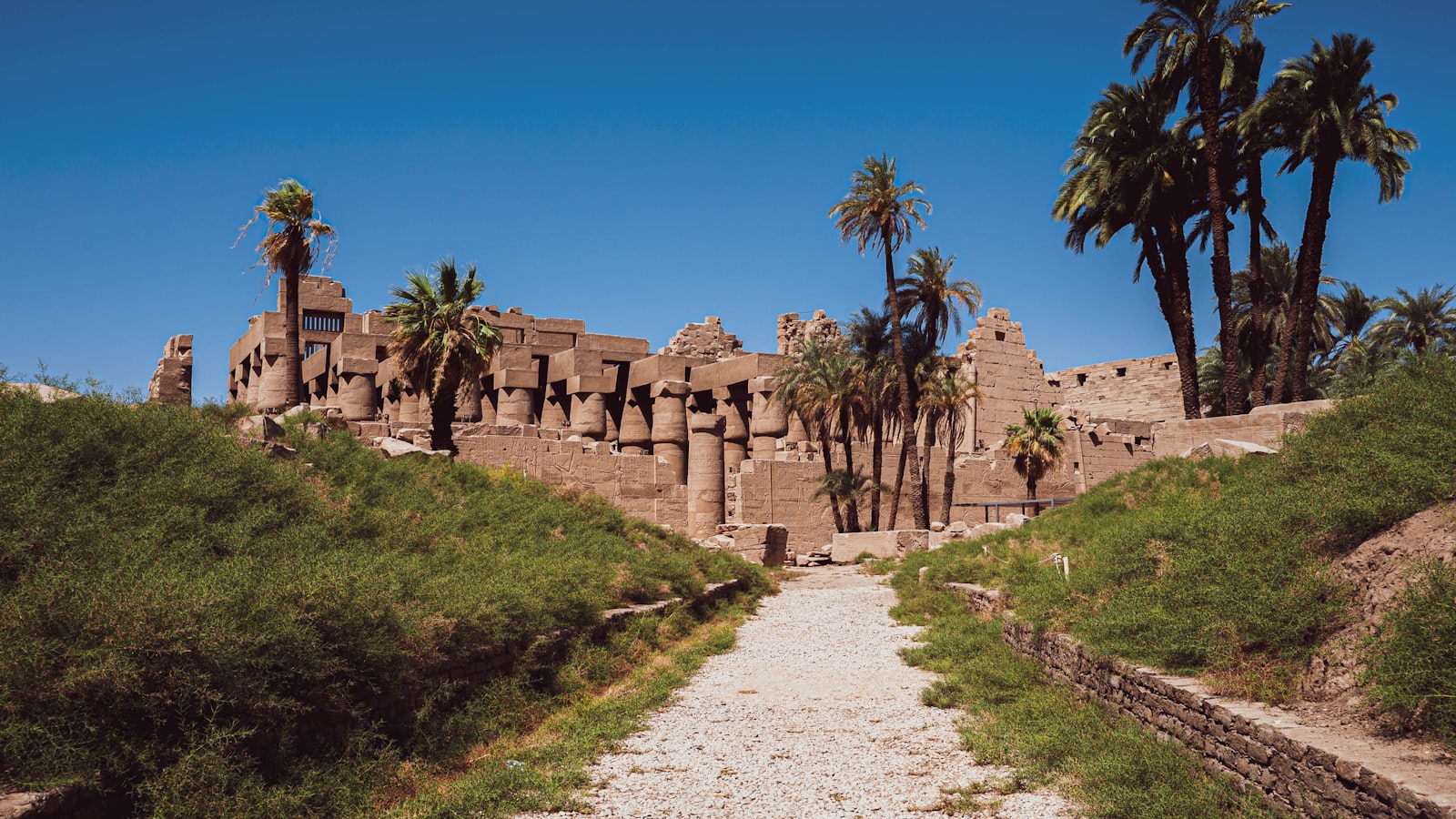
 White Chapel of Senusret I
Masterpiece of the Middle Kingdom reconstructed in the Open-Air Museum of Karnak, famous for its limestone reliefs of extraordinary finesse and for the list of the nomes of Egypt.
 🏆 UNESCO
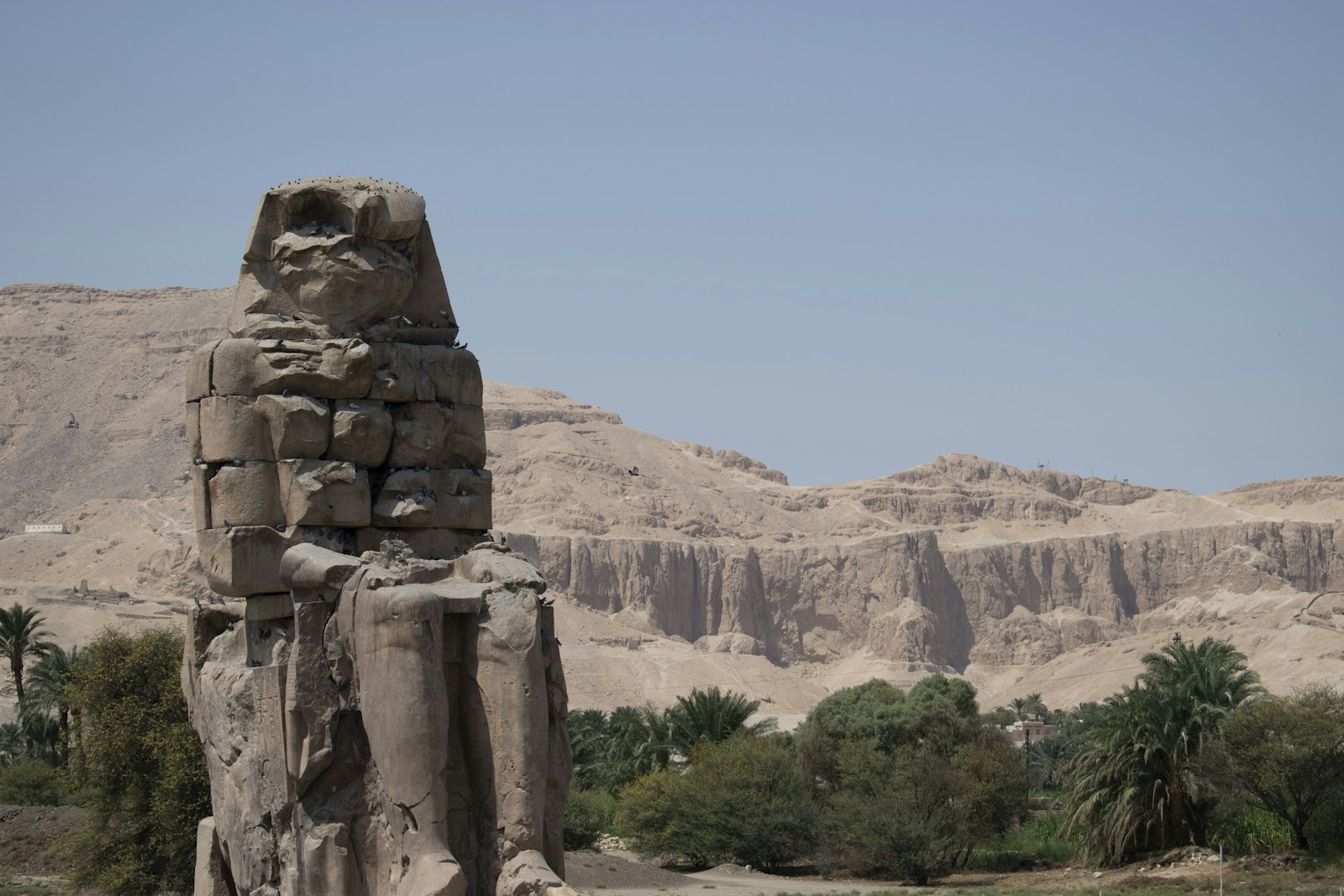
 Colossi of Memnon
The two imposing statues of Amenhotep III, 18 metres high, that have guarded the entrance to the Theban necropolis for over 3,400 years.
 🏆 UNESCO
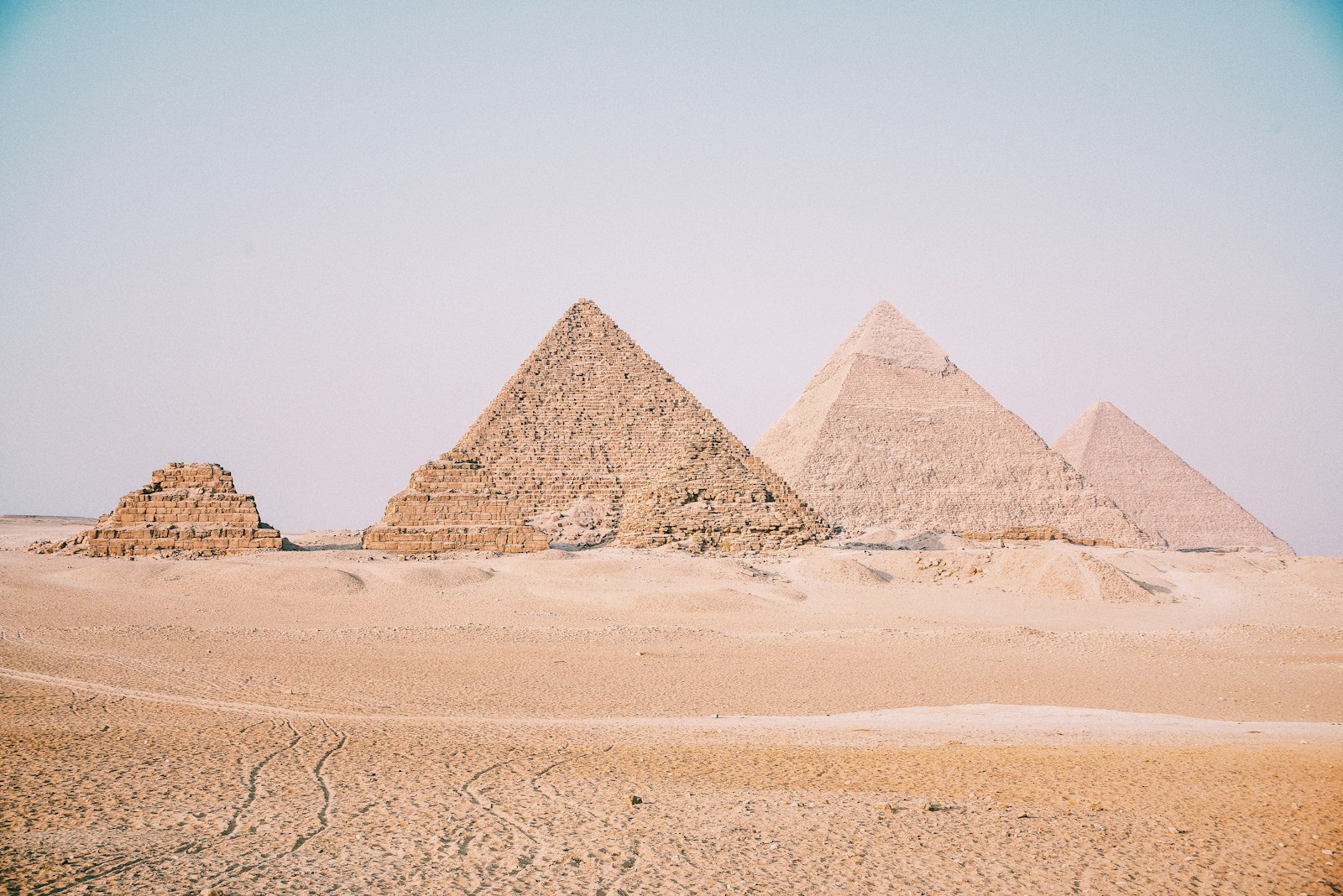
 Deir el-Medina
The ancient village of the artisans who built the tombs of the Valley of the Kings, with its splendid painted tombs and a Ptolemaic temple.
House of Howard Carter
The historic residence of the archaeologist Howard Carter on the West Bank of Luxor, today a museum dedicated to the discovery of the tomb of Tutankhamun and to the life of the British explorer.
 🏆 UNESCO
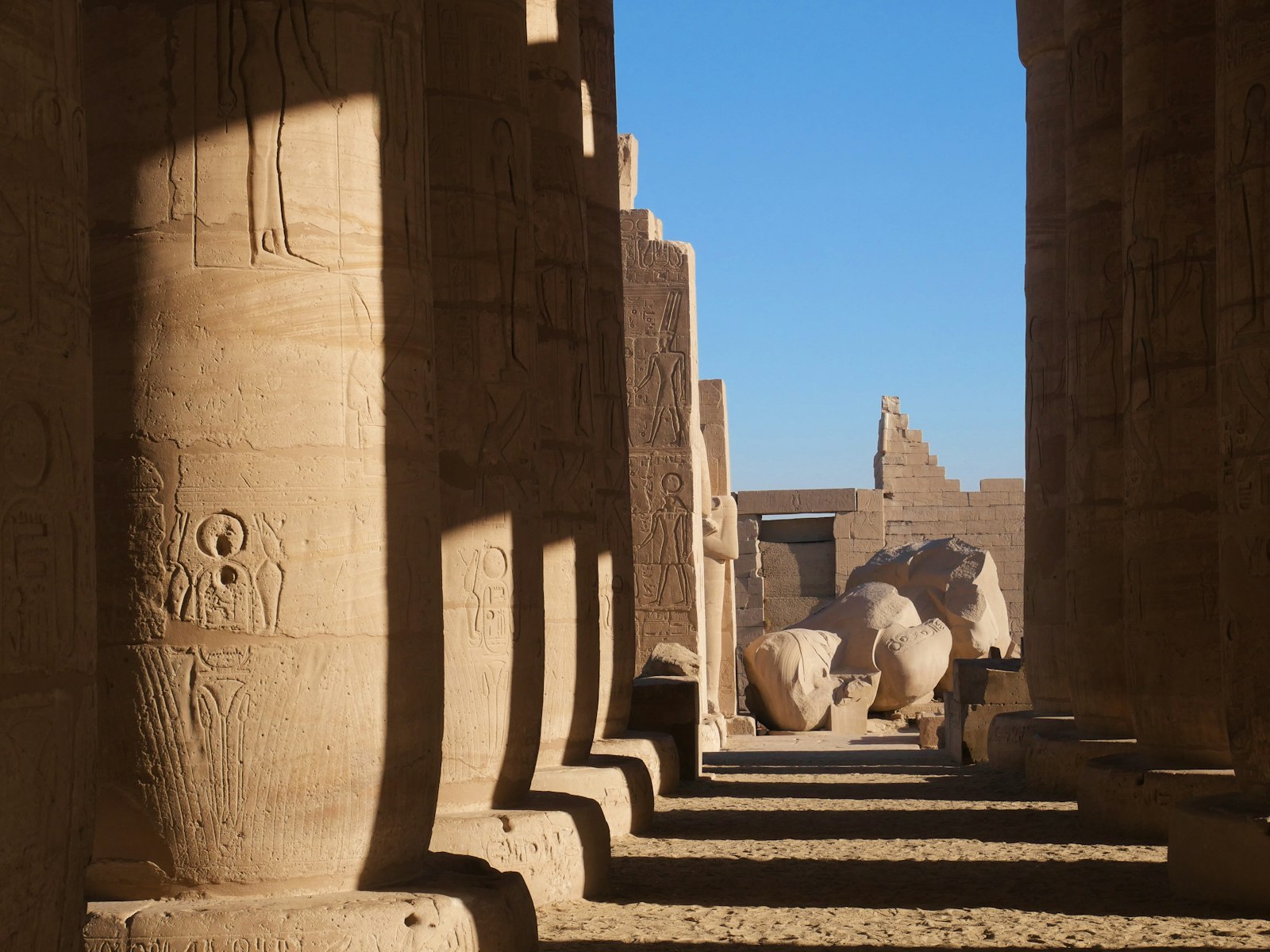
 Sacred Lake of Karnak
The vast sacred rectangular basin within the Karnak complex, used by priests for ritual purifications and symbol of the primordial waters of Nun.
🏆 UNESCO Medinet Habu
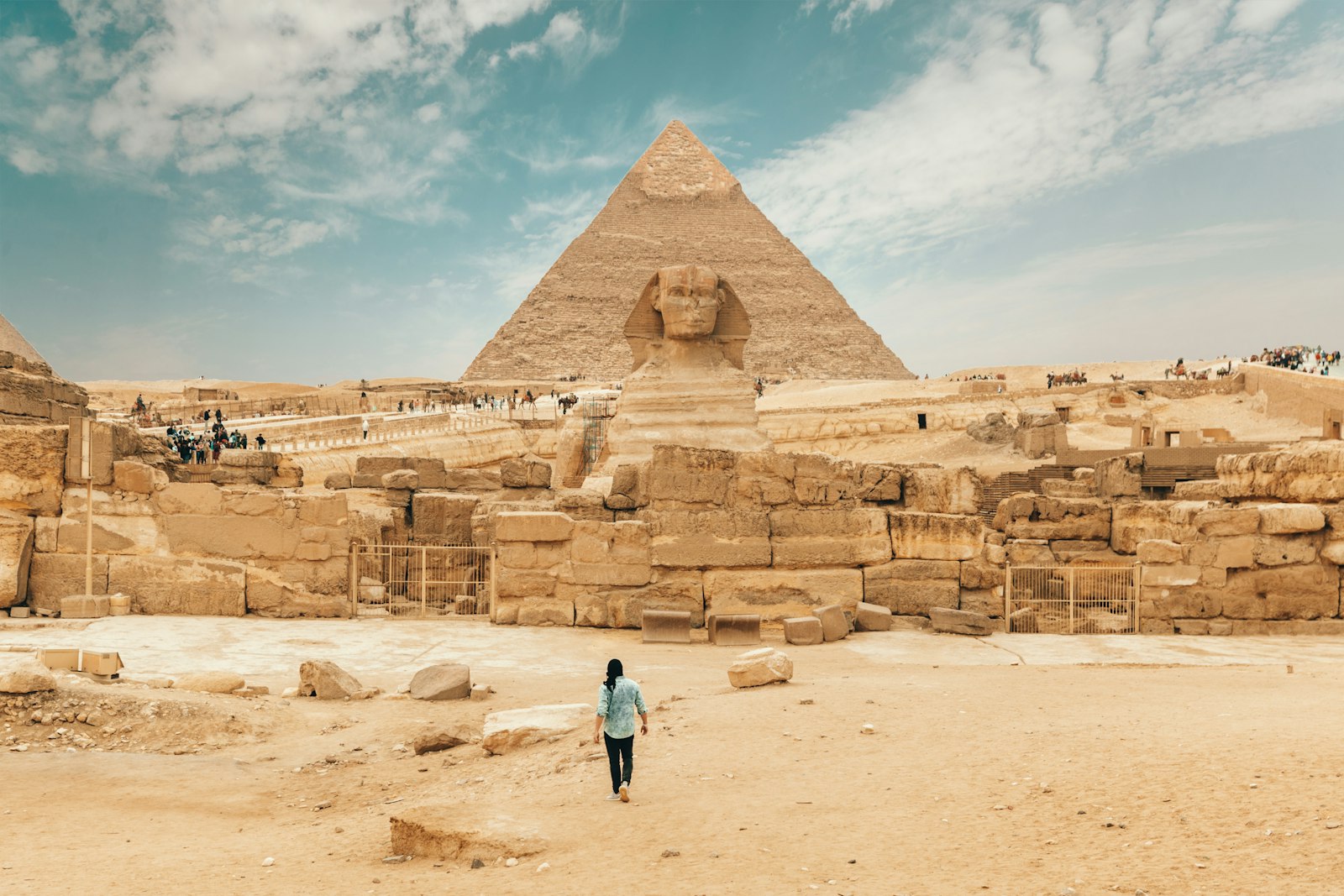
The funerary temple of Ramesses III, the best preserved on the west bank of Luxor, with its extraordinary polychrome reliefs.
Mummification Museum
The only museum in the world entirely dedicated to the art of Egyptian mummification, with tools, canopic jars, animal mummies and the mummy of the priest Masaharta.
Luxor Museum
Elegant museum on the bank of the Nile with a curated selection of artefacts from the Theban necropolis, royal mummies and the blocks of the temple of Akhenaten.
 🏆 UNESCO
 Obelisk of Hatshepsut
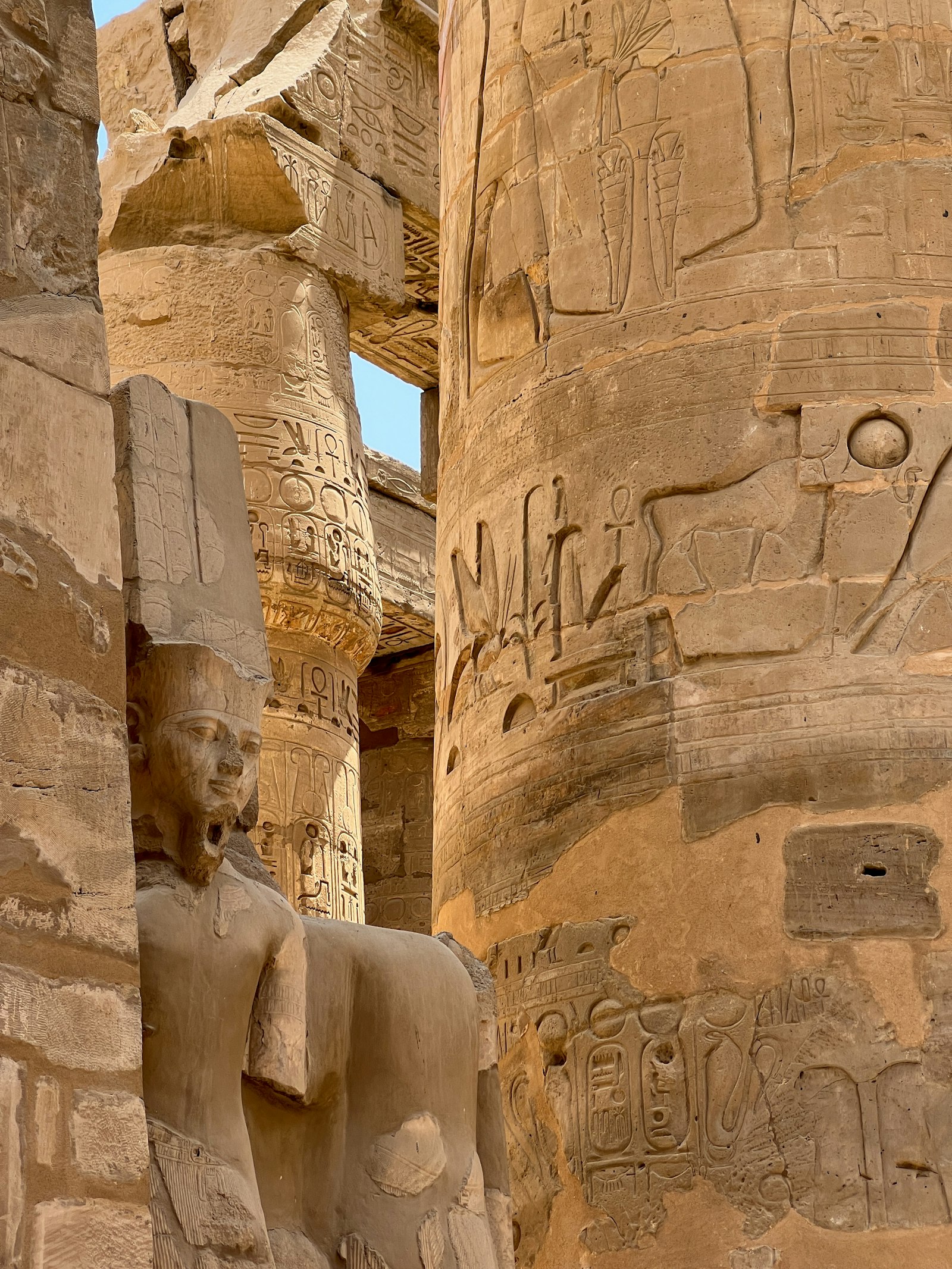
The tallest obelisk still standing at Karnak, erected by the queen-pharaoh Hatshepsut in only seven months: a masterpiece of engineering in red granite from Aswan.
 🏆 UNESCO
 Precinct of Montu
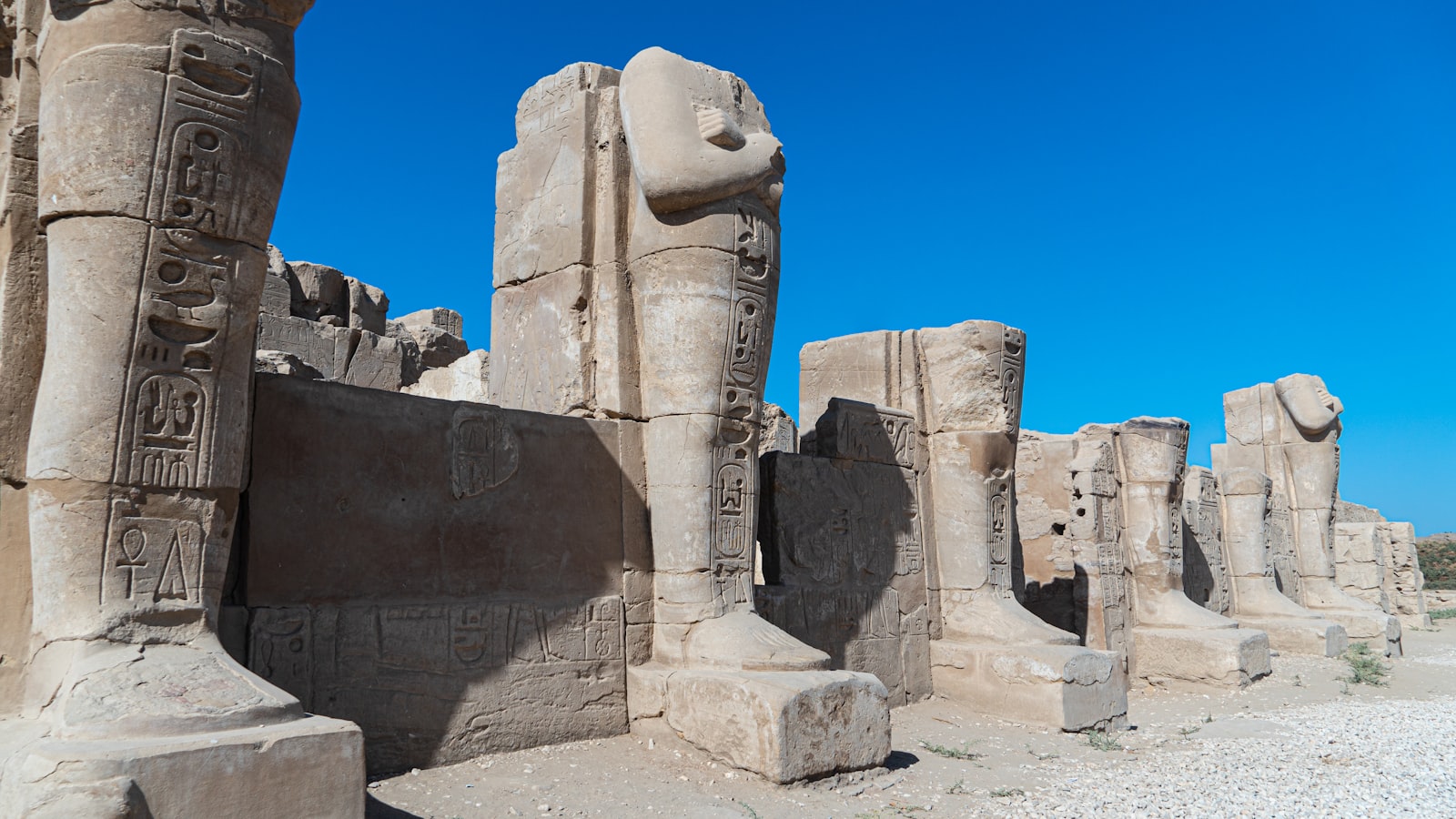
The northern enclosure of the Karnak complex, dedicated to the falcon war god Montu, with ruins of great historical value and ongoing French excavations.
 🏆 UNESCO
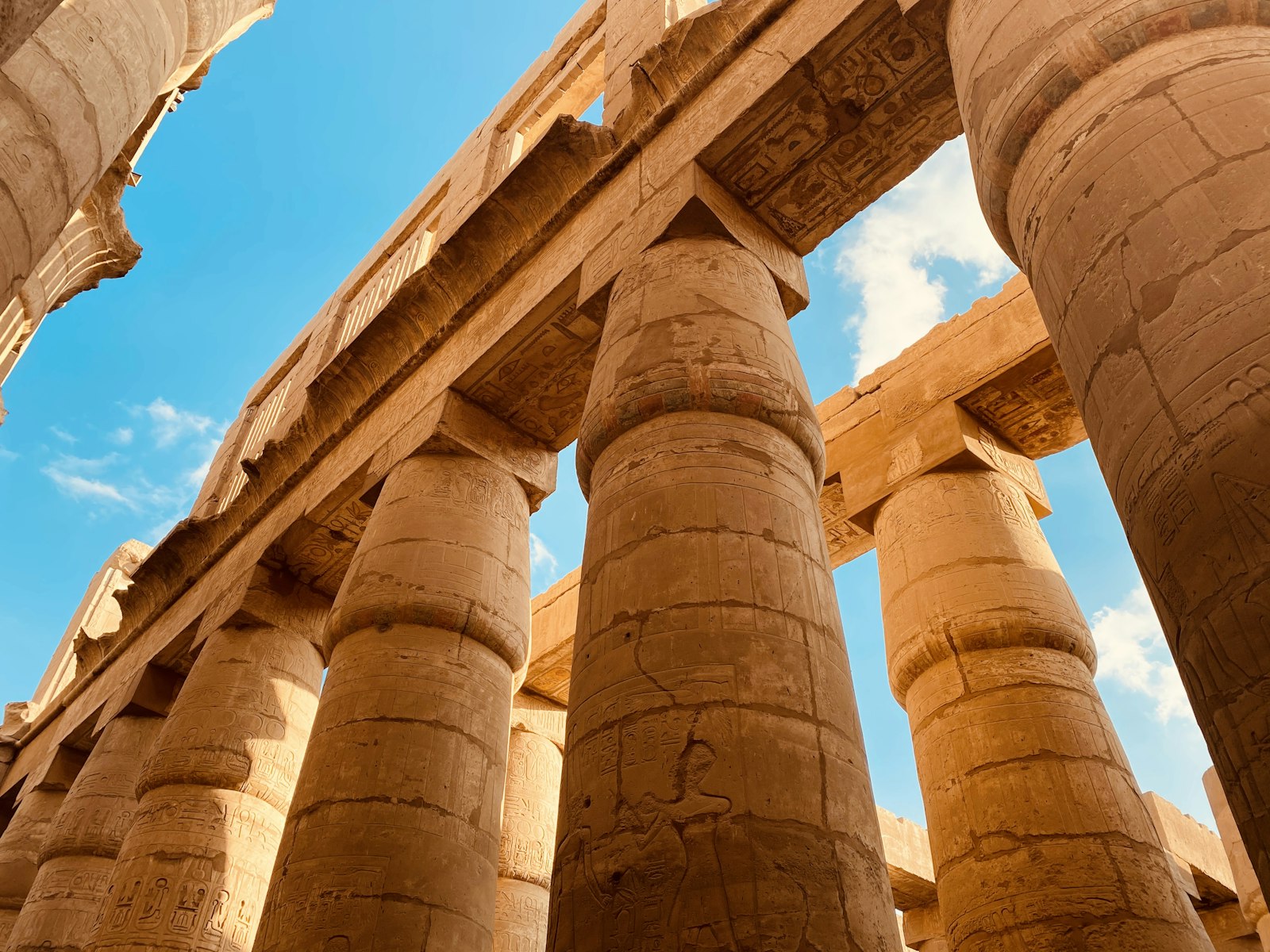
 Ramesseum
The grandiose funerary temple of Ramesses II, with the famous fallen colossal statue that inspired Shelley's Ozymandias.
 🏆 UNESCO
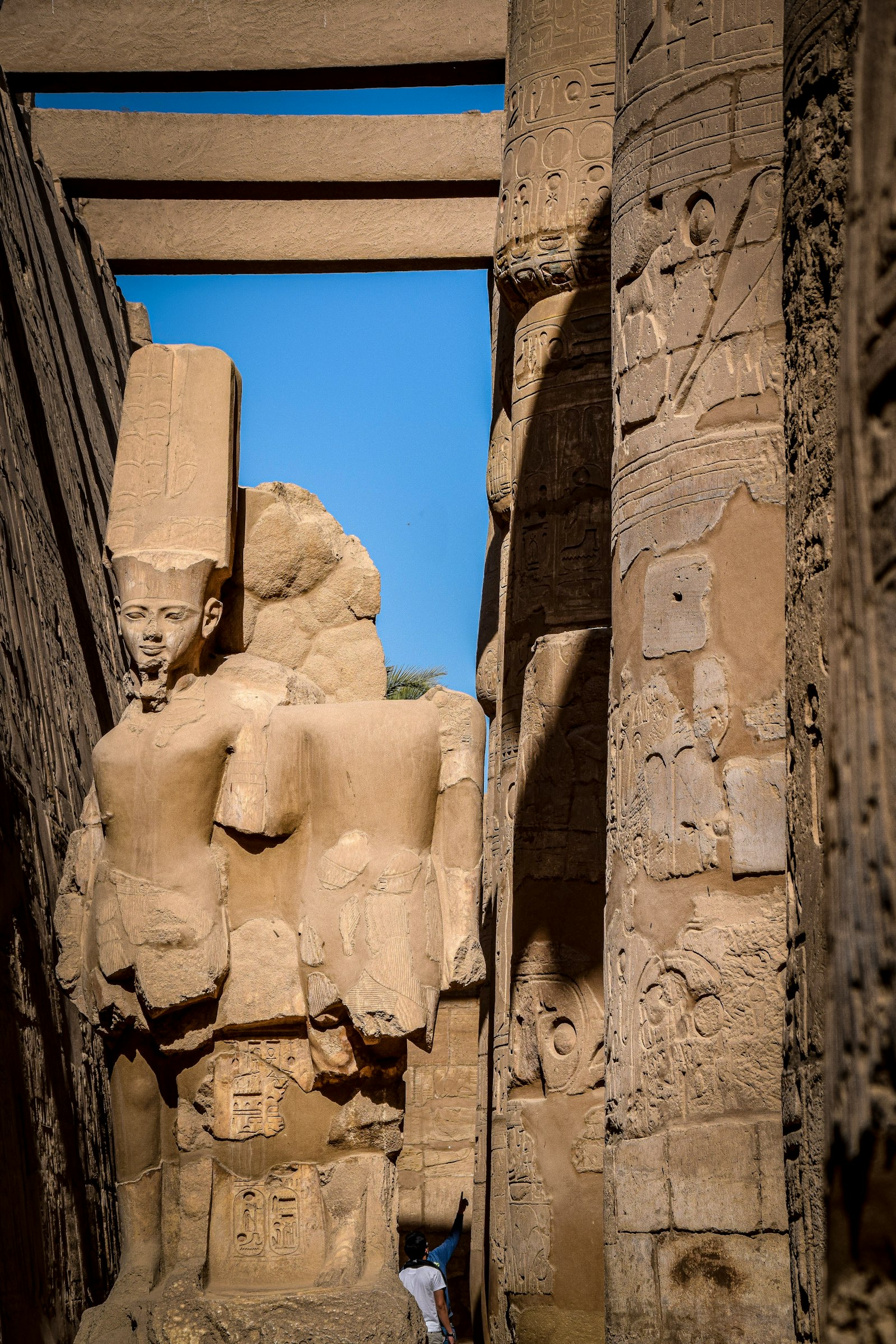
 Hypostyle Hall of Karnak
The largest religious hall ever built with 134 colossal columns over 5,000 sqm, supreme masterpiece of the architecture of the Egyptian New Kingdom.
 🏆 UNESCO
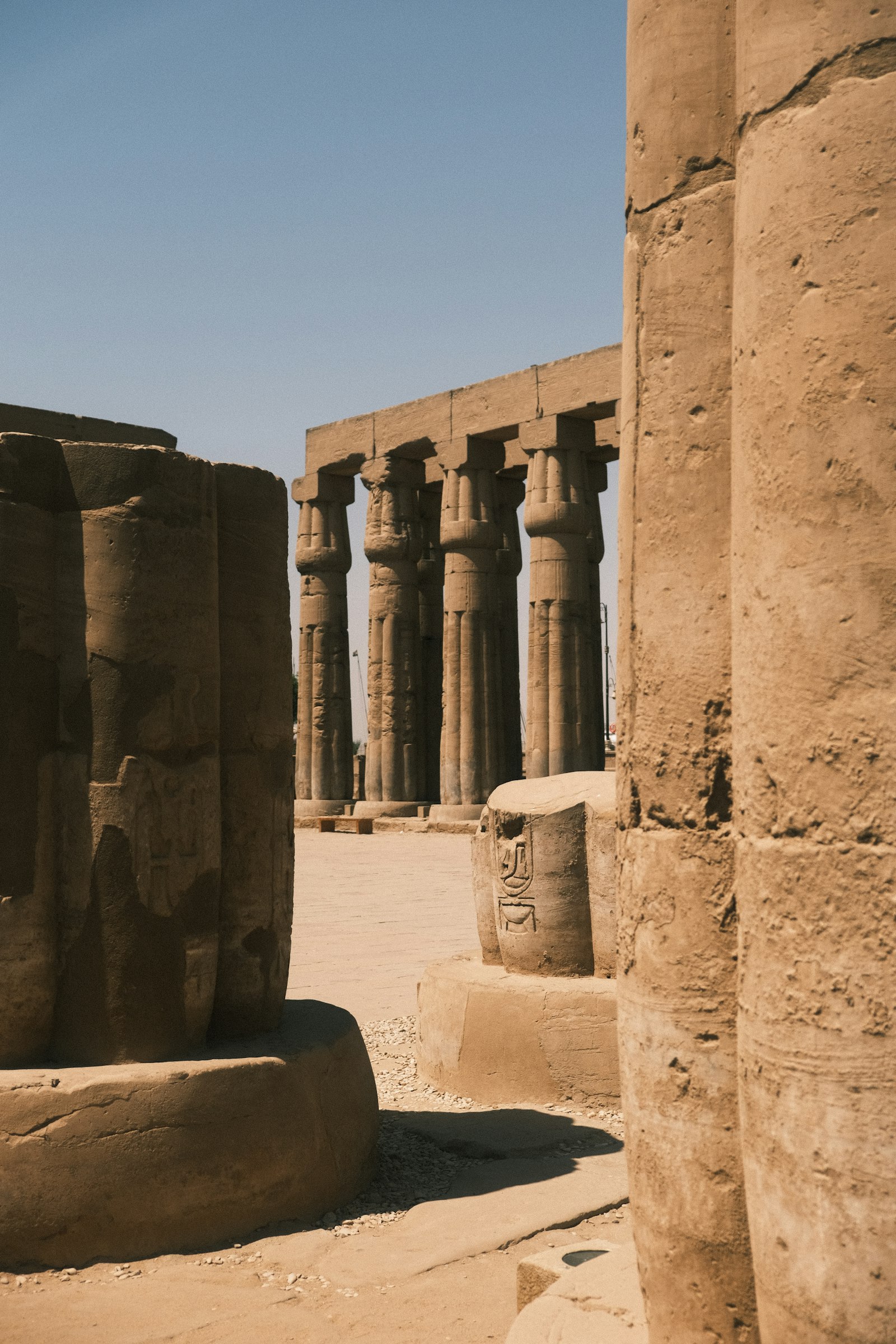
 Temple of Hatshepsut
The majestic terraced mortuary temple of Deir el-Bahari, an architectural masterpiece of the queen-pharaoh Hatshepsut.
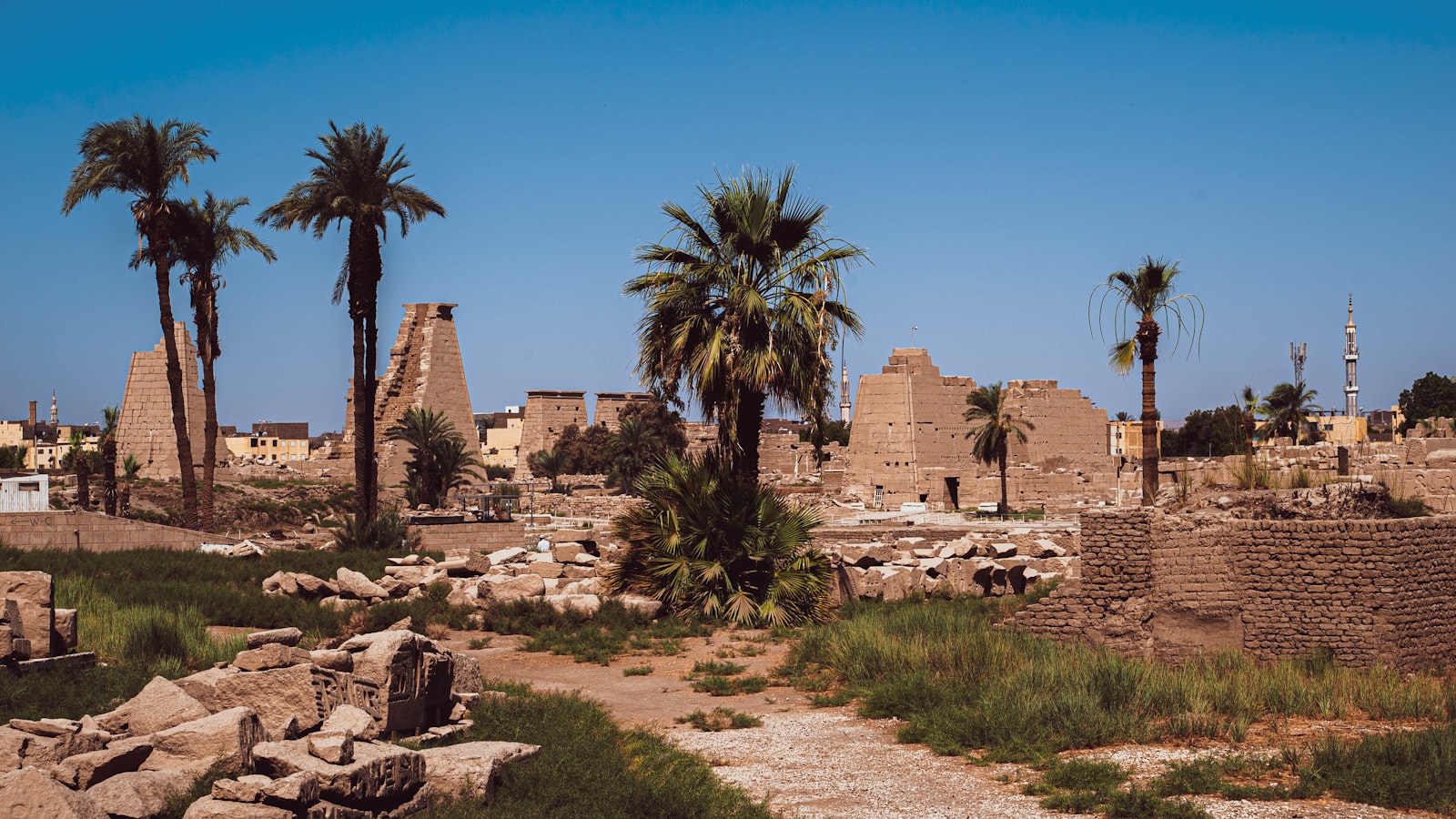
🏆 UNESCO Temple of Karnak
The Temple of Karnak in Luxor is the largest temple complex of ancient Egypt. Discover its history, what to see, opening hours, tickets and how to get there.
 🏆 UNESCO
 Temple of Khonsu
Temple dedicated to the moon god Khonsu, son of Amun and Mut, a perfectly preserved example of Egyptian temple architecture within the Karnak complex.
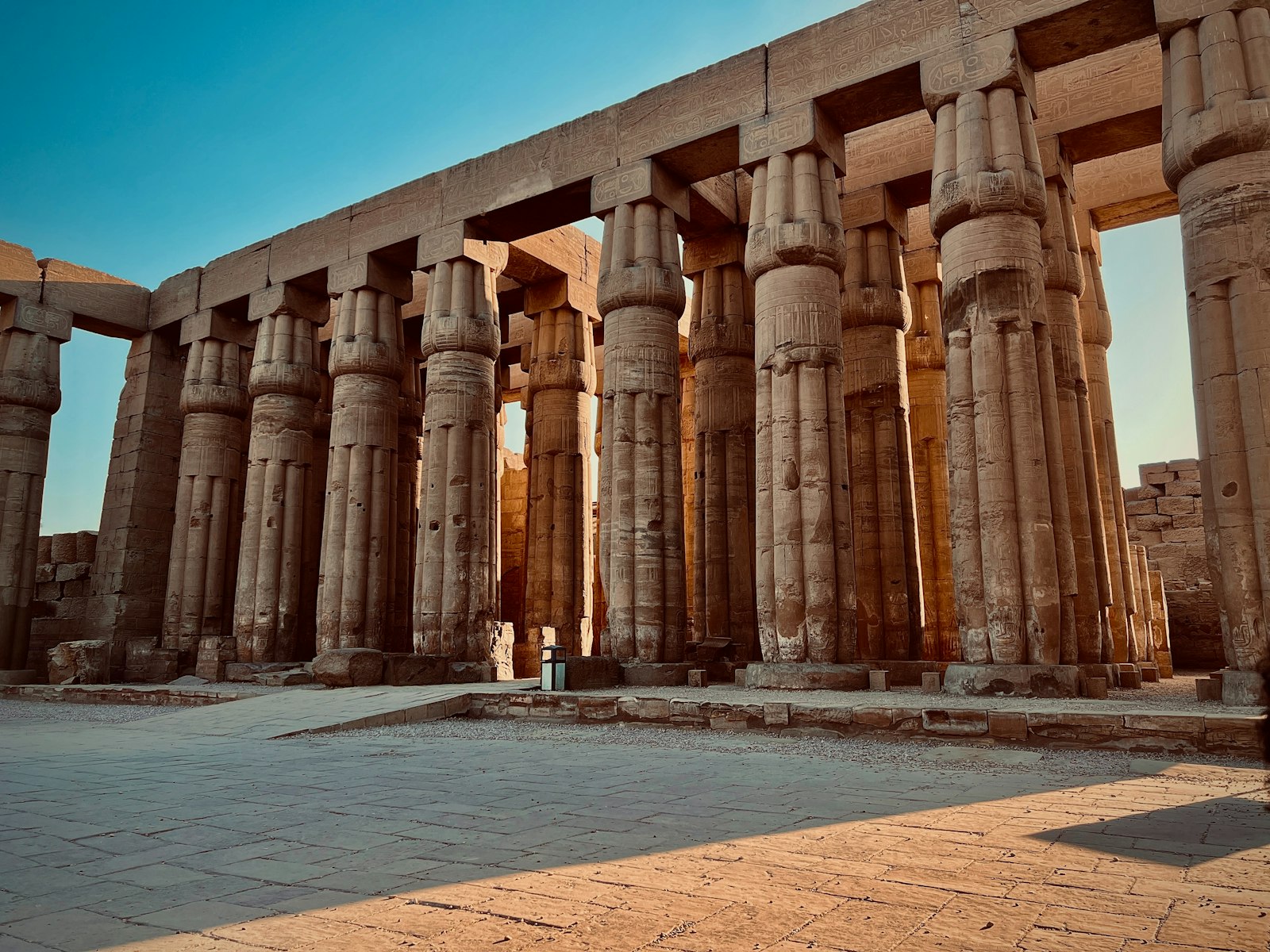 🏆 UNESCO
 Luxor Temple
A majestic temple on the eastern bank of the Nile, built by Amenhotep III and enlarged by Ramesses II, connected to the Temple of Karnak by the Avenue of the Sphinxes.
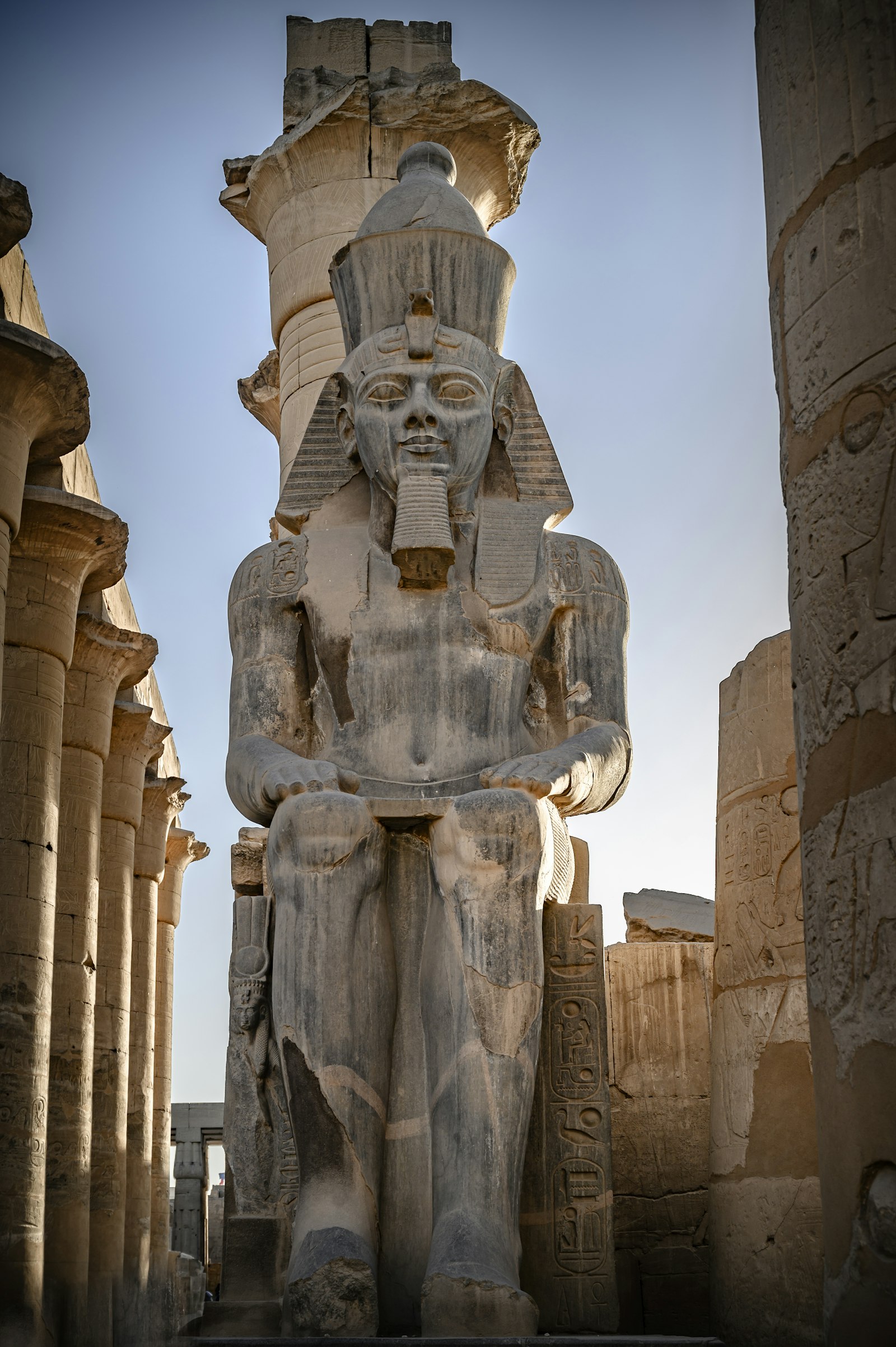 🏆 UNESCO
 Temple of Merenptah
The funerary temple of pharaoh Merenptah on the western bank of Luxor, home of the famous Merenptah Stele (Israel Stele) and today an open-air museum with finds of great value.
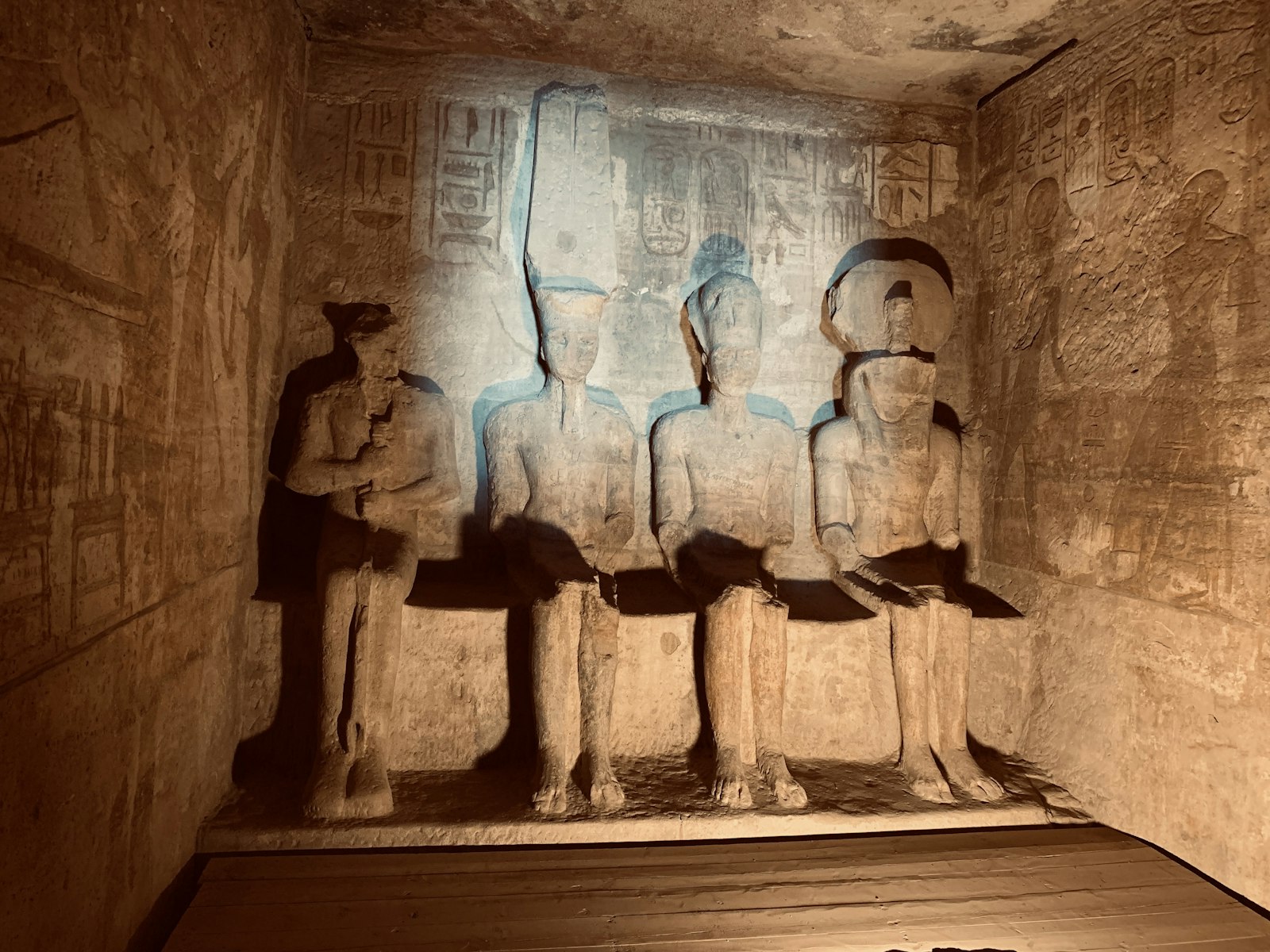 🏆 UNESCO
 Temple of Mut
The sacred precinct of the goddess Mut in the Karnak complex, with the crescent-shaped sacred lake Isheru and over 700 statues of the goddess Sekhmet.
🏆 UNESCO Temple of Seti I at Gurna
The mortuary temple of Seti I on the west bank of Luxor, famous for its refined bas-relief carvings and its unusual L-shaped plan, completed by his son Ramesses II.
🏆 UNESCO Tomb of Nefertari
The 'Sistine Chapel of Ancient Egypt': tomb QV66 with 520 square meters of polychrome paintings among the most beautiful ever created.
🏆 UNESCO Tomb of Ramesses VI
The tomb KV9 in the Valley of the Kings features one of the best-preserved astronomical ceilings of ancient Egypt, with the double representation of the Book of the Day and the Book of the Night.
🏆 UNESCO Tomb of Seti I
The tomb KV17 in the Valley of the Kings is the longest and deepest of the entire royal necropolis, famous for its painted reliefs of extraordinary refinement and its astronomical ceiling.
🏆 UNESCO Tomb of Tutankhamun
The famous KV62 tomb in the Valley of the Kings, discovered intact by Howard Carter in 1922, held the richest funerary treasure ever found in ancient Egypt.
🏆 UNESCO Tombs of the Nobles
Over 400 tombs carved into the rock of the western bank of Luxor, famous for the lively scenes of daily life that offer a unique cross-section of ancient Egypt.
🏆 UNESCO Valley of the Kings
The Valley of the Kings in Luxor holds the tombs of ancient Egypt's most powerful pharaohs. A complete guide with history, tombs to see and tips.
🏆 UNESCO Valley of the Queens
The royal necropolis that houses over 90 tombs of queens and princes of the 18th–20th dynasties, including the famous tomb of Nefertari.
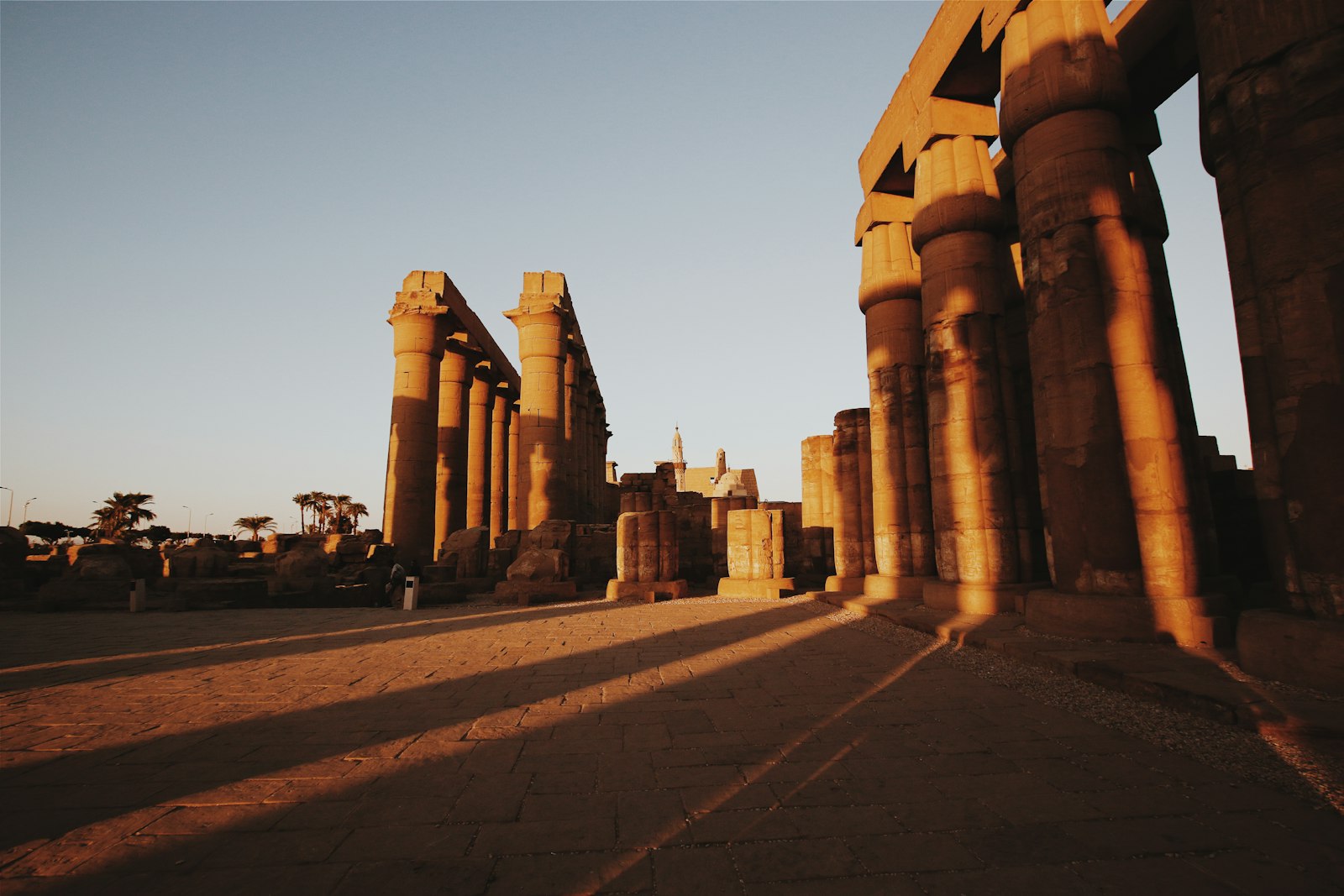 🏆 UNESCO
 Avenue of the Sphinxes
The ancient processional way, 2.7 km long, that connected the Temple of Karnak to the Temple of Luxor, flanked by over 1,350 sphinxes.