The Brothers Islands: the Temple of Diving in the Red Sea
The Brothers Islands, known in Arabic as El Akhawein ("The Two Brothers"), represent the Holy Grail of diving in the Red Sea and one of the most extraordinary dive sites on the planet. These two small rocky islands, isolated in the middle of the Red Sea about 67 kilometres off the Egyptian coast and roughly halfway between Hurghada and Marsa Alam, offer underwater experiences that have no comparison anywhere else in the northern hemisphere.
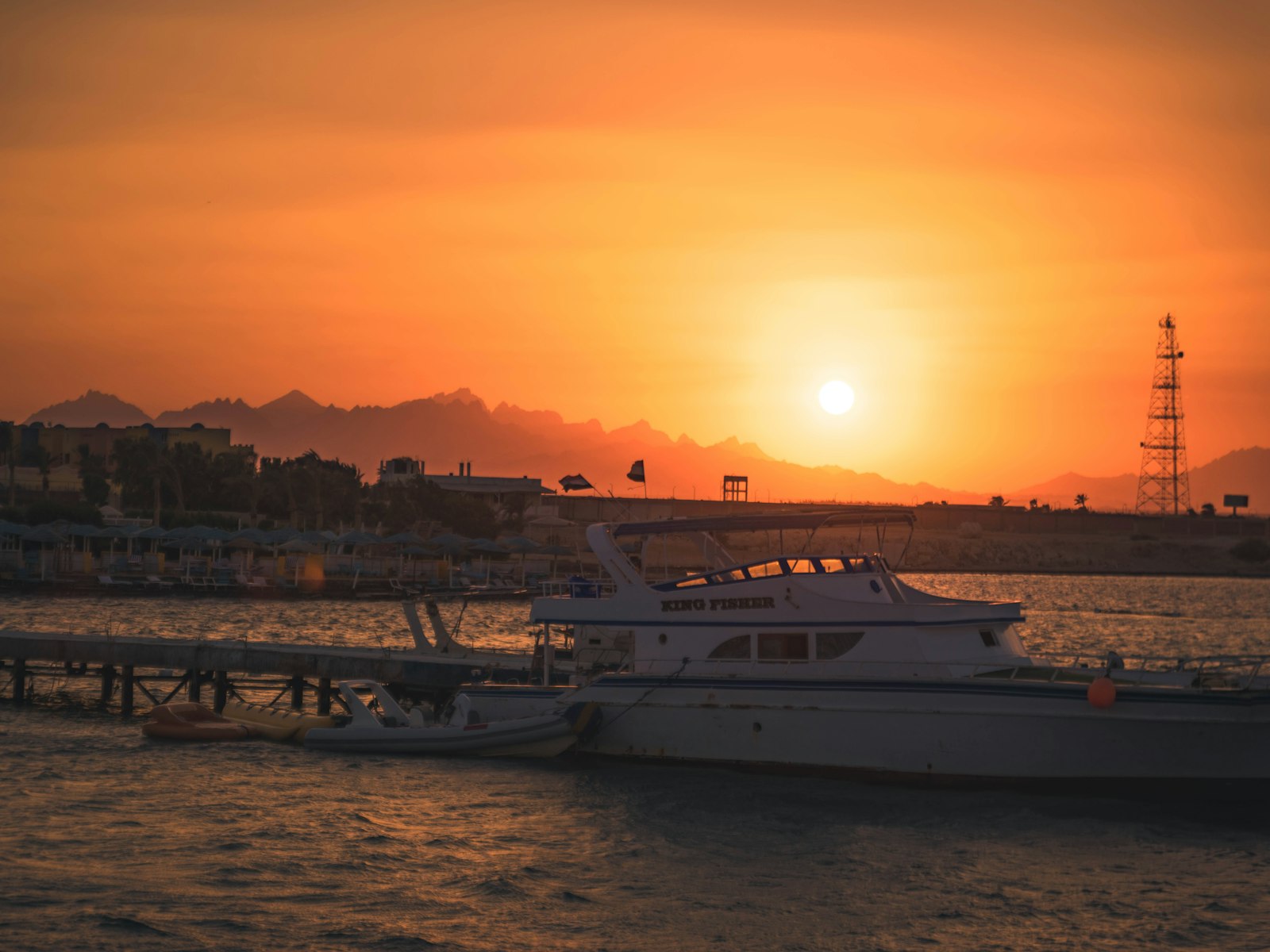
Access to the Brothers Islands is possible exclusively through liveaboard cruises — vessels equipped for life on board that depart from the ports of Hurghada, Port Ghalib or Marsa Alam for itineraries of a week or more. This logistical limitation, combined with the distance from the coast and the often demanding marine conditions, has helped preserve the marine ecosystem in an exceptional state of conservation, making every dive an experience of immersion into nature in its purest state.
Big Brother Island
The 1880 Lighthouse
Big Brother is the larger of the two islands, although its dimensions are nonetheless modest: about 400 metres long and 30 wide. The most iconic element of the island is the lighthouse, built by the British in 1880 and still functioning, which rises on the rock like a solitary sentinel in the middle of the sea. The lighthouse is managed by a small garrison of the Egyptian Navy, and although landing on the island is not generally permitted to civilians, its unmistakable silhouette is the first greeting that divers receive after the hours of navigation necessary to reach the Brothers.
The Coral Walls
The underwater profile of Big Brother is simply breathtaking. The walls of the island plunge vertically for hundreds of metres into the abyss, covered by a luxuriant mantle of multicoloured soft corals, fan gorgonians of exceptional dimensions and enormous sponges. The colours vary from bright red to orange, from violet to yellow, creating a living kaleidoscope that leaves even the most expert divers breathless.
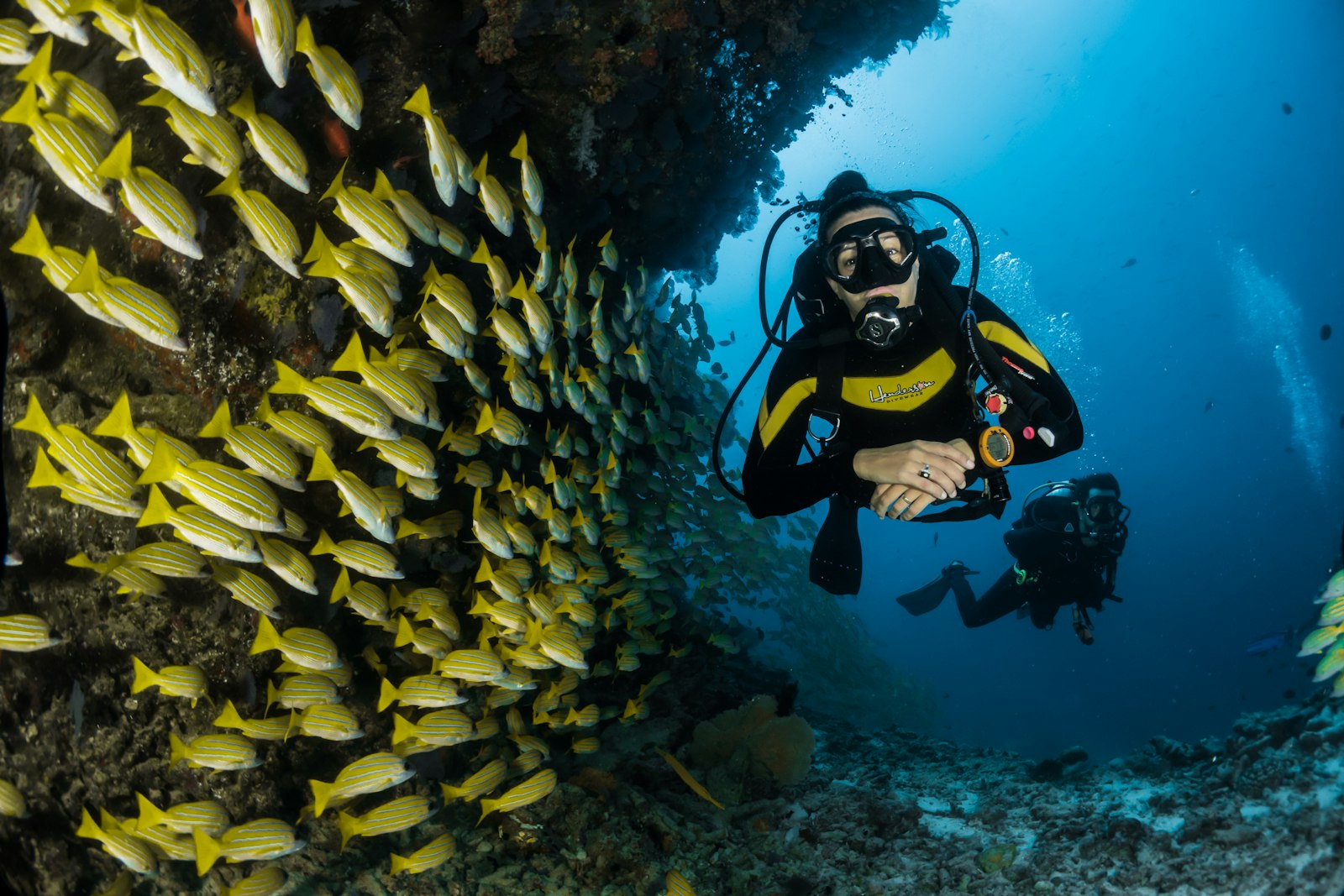
The currents that lap the walls bring nutrients from the depths, feeding a very rich ecosystem that attracts an extraordinary concentration of marine life. Schools of glassfish shine like living silver in the projections of the wall, while giant barracuda patrol the waters in hypnotic formations. The tropical reef fish — anthias, butterflyfish, angelfish — are present in numbers that defy the imagination.
The Encounters with Sharks
Big Brother is famous worldwide for the encounters with several species of sharks. Hammerhead sharks (Sphyrna lewini) are sighted regularly, especially in the early hours of the morning when they rise from the depths to be cleaned by the cleaner fish that station along the walls. Grey reef sharks (Carcharhinus amblyrhynchos) are practically omnipresent, elegant patrollers of the surrounding waters. But it is the oceanic whitetip shark (Carcharhinus longimanus), the legendary "oceanic whitetip", the encounter that every diver dreams of: this magnificent pelagic predator, recognisable for its large pectoral fins with white tips, frequents the waters of the Brothers with a regularity that few other sites in the world can boast.
In the autumn and winter months, it is also possible to sight the thresher shark (Alopias vulpinus), with its spectacularly long tail, and occasionally the whale shark, the largest fish in the world, passing along the migratory routes of the Red Sea.
The Wreck of the Numidia
On the north-western side of Big Brother lies the wreck of the Numidia, a British cargo ship sunk in 1901 after crashing against the wall of the island on a foggy night. The ship, 137 metres long, was carrying a cargo of railway locomotives destined for India. Today the wreck lies along the coral wall between 10 and 80 metres of depth, completely colonised by corals and sponges that have transformed it into a spectacular artificial reef.
The dive on the Numidia is an experience that combines history and nature in a unique way. The metal structures of the ship, including the locomotives still recognisable in the hold, emerge from the coral mantle like ghosts of a bygone era. The upper part of the wreck, accessible even to intermediate-level divers, is covered with soft corals and gorgonians that offer exceptional photographic opportunities.
The Wreck of the Aida
On the opposite side of the island lies the wreck of the Aida, an Egyptian military supply ship sunk in 1957 after hitting the reef during a storm. The wreck lies in a vertical position along the wall, with the bow at about 30 metres and the stern that sinks beyond 60 metres. The Aida is smaller than the Numidia but just as fascinating, with its well-preserved structure that offers possibilities of penetration for divers adequately trained and equipped.
Little Brother Island
A Pinnacle in the Blue
Little Brother is a coral pinnacle much smaller than its big sister, with an emerged surface of just a few dozen square metres. But what it lacks in dimensions is more than compensated by the quality of the dives it offers. The submerged reef extends well beyond the tiny island visible on the surface, creating a complex system of walls, plateaus and channels that concentrates an incredible quantity of marine life in a relatively restricted space.
The South Wall
The south wall of Little Brother is considered by many professional divers as one of the most beautiful dives of the entire Red Sea. The currents that come from the south charge the water with plankton and nutrients, attracting enormous schools of pelagic fish. Hammerhead sharks are sighted here with even greater frequency than at Big Brother, often in schools of dozens of specimens that move in formation along the wall. The gorgonians reach record dimensions, with fans that exceed two metres in diameter.
The North Plateau
The northern plateau of Little Brother, located at a depth of about 40 metres, is a point of aggregation for large pelagics. Tuna, giant trevallies and barracuda hunt in numerous schools, creating scenes of wild marine life that recall nature documentaries. The current on this plateau can be strong and unpredictable, making this dive suitable exclusively for expert divers with good mastery of current diving techniques.
How to Visit the Brothers Islands
The Liveaboard Cruises
The only way to dive at the Brothers Islands is to participate in a liveaboard cruise, an extraordinary experience in itself that combines diving with life on board an equipped vessel. The cruises typically depart from Hurghada, Port Ghalib or Marsa Alam and last a week, during which up to four dives a day are carried out.
The navigation towards the Brothers generally requires an entire night, with arrival at the first lights of dawn. The vessels moor at the fixed moorings prepared to minimise the impact on the coral reefs. The stay in the waters of the Brothers usually lasts two or three days, with the remaining days dedicated to other dive sites along the route, such as Daedalus Reef or the reefs of Fury Shoal.
Level of Experience Required
The dives at the Brothers Islands are not suitable for beginners. The currents can be strong and unpredictable, the depth of the walls invites descent beyond the limits of safety, and the weather conditions in the open sea can change rapidly. The minimum recommended certification is Advanced Open Water with at least 50 registered dives, but the ideal experience is over 100 dives with familiarity in the management of currents.
Best Period
The best period for the cruises to the Brothers goes from October to April. In these months, the marine conditions are generally more stable and the probabilities of sighting the hammerhead sharks and the oceanic whitetip sharks are maximum. The temperature of the water varies from 23°C in February to 27°C in October. In the summer months, the sea can be rough with significant waves that make navigation uncomfortable and sometimes prevent diving.
What to Bring
For a cruise to the Brothers it is advisable to bring: diving certification and updated logbook, powerful underwater torch to illuminate the walls and the wrecks, surface marker buoy (SMB) of mandatory signalling, personal dive computer, 5mm wetsuit for the winter months or 3mm for the rest of the year, and an underwater camera to immortalise the extraordinary encounters that these waters offer.
Booking and Costs
The cruises to the Brothers are much in demand and it is advisable to book several months in advance, especially for the October-December period which is the most popular. The costs vary significantly based on the quality of the vessel, from the economy category to the luxury one. The price generally includes board, lodging, guided dives and tanks, but not the personal equipment, the tips and the special permits for the protected areas.
The Brothers Islands represent the absolute summit of diving in the Red Sea, an experience that marks a before and an after in the life of every diver. The combination of luxuriant coral walls, historic wrecks, encounters with large sharks and the adventurous atmosphere of life on liveaboard creates memories that last an entire lifetime. For those who live the passion of diving, the Brothers are not simply a destination: they are a pilgrimage.