
Monuments
Discover all the monuments, temples, pyramids and archaeological sites that make Egypt a unique destination in the world.
 🏆 UNESCO
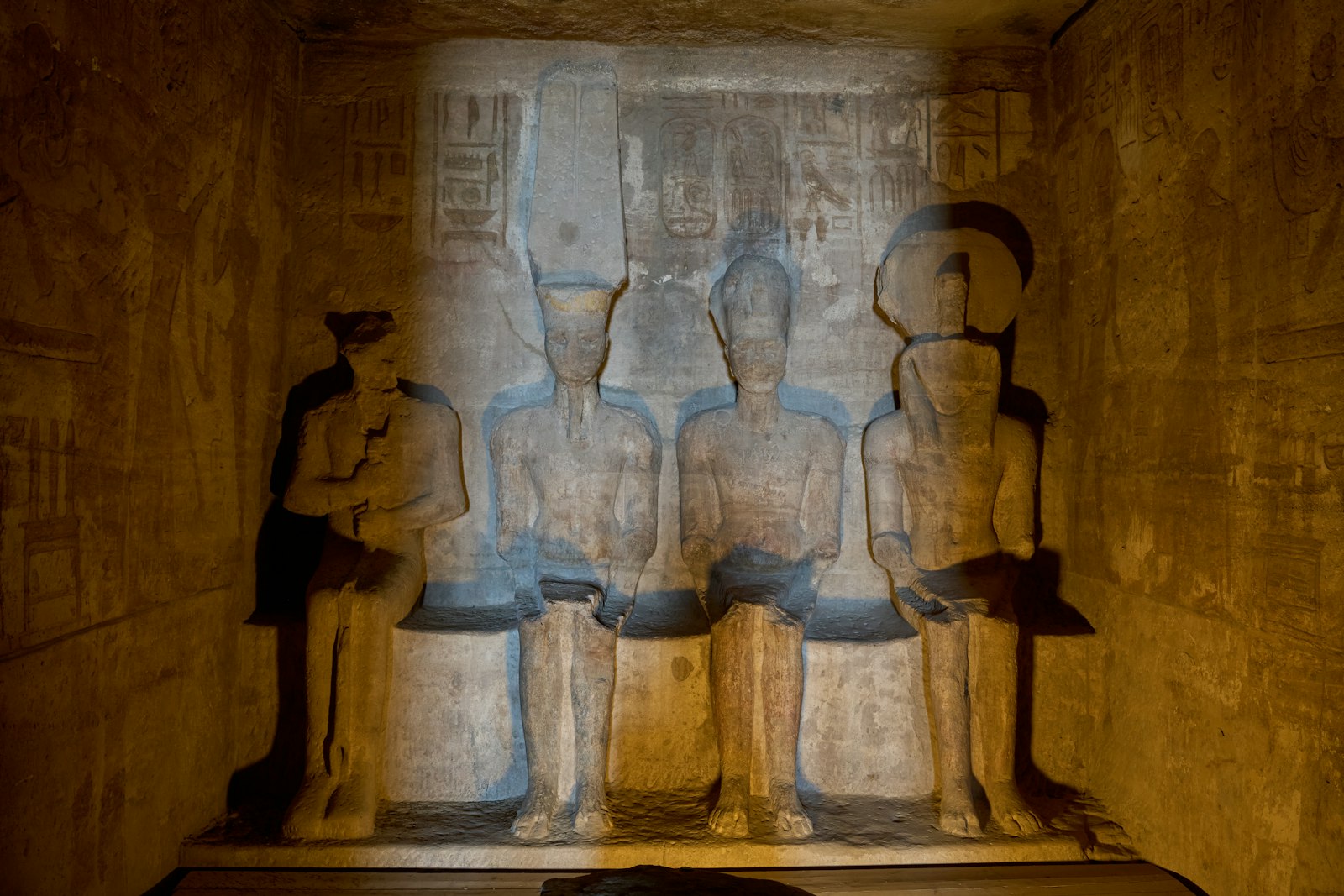
 Abu Simbel
The temples of Abu Simbel are the masterpiece of Ramesses II in southern Egypt. A complete guide with history, how to get there, opening hours and the UNESCO relocation.
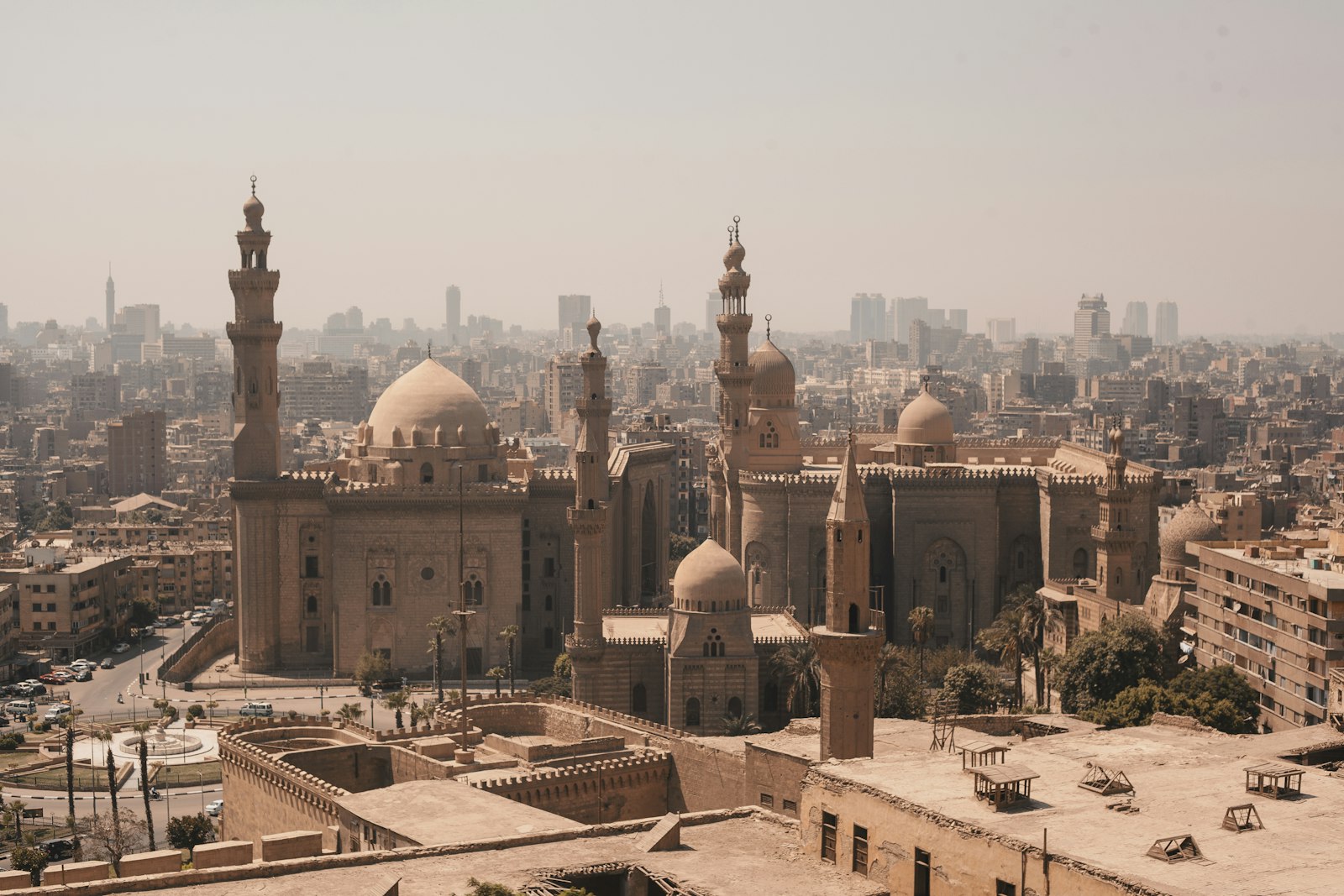
Grand Egyptian Museum
The largest archaeological museum in the world, a project of over a billion dollars dedicated to Egyptian civilization, located at the foot of the Pyramids of Giza.
 🏆 UNESCO
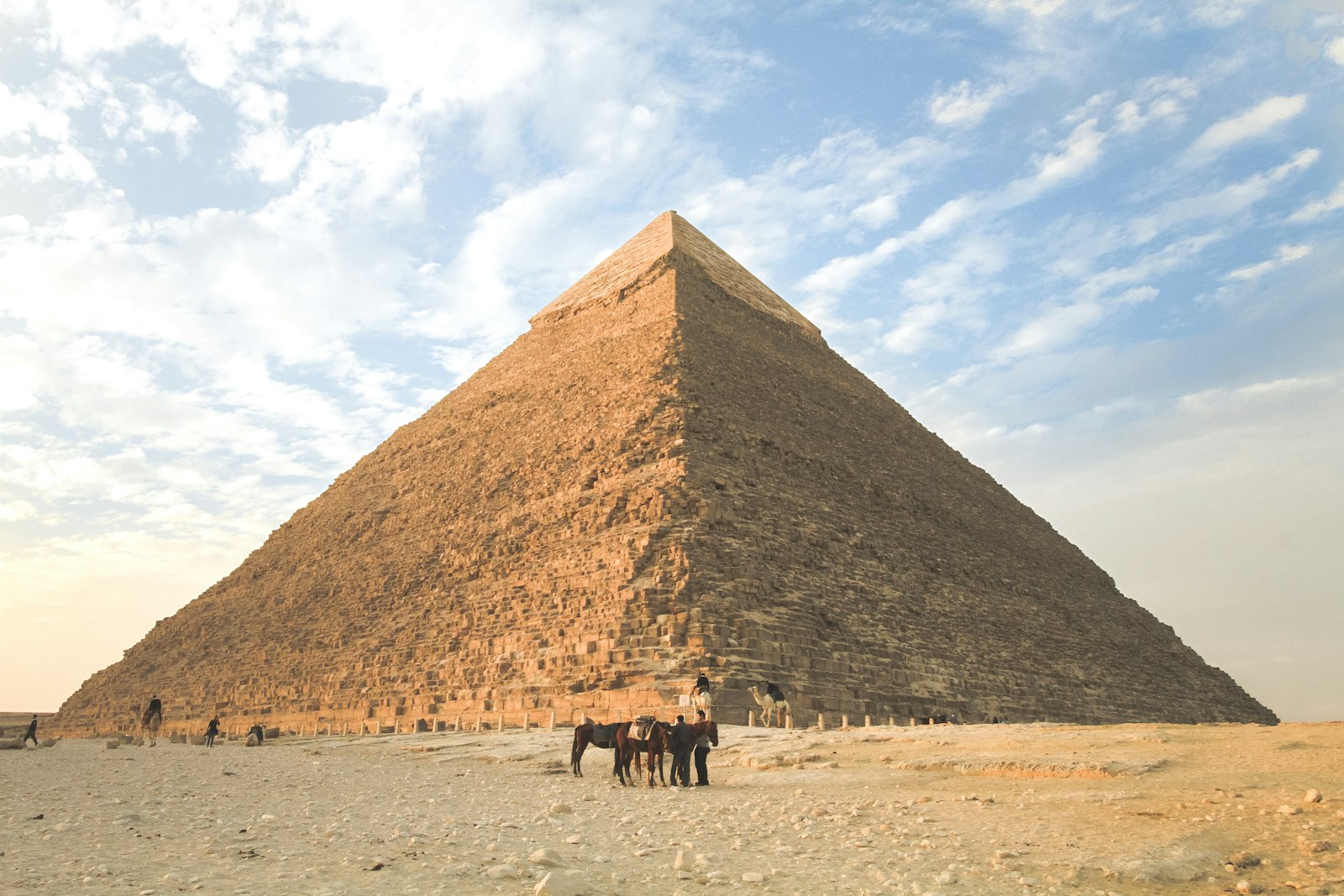
 Great Pyramid of Cheops
The oldest and largest of the three pyramids on the Giza Plateau, the only one of the Seven Wonders of the Ancient World still standing.
 🏆 UNESCO
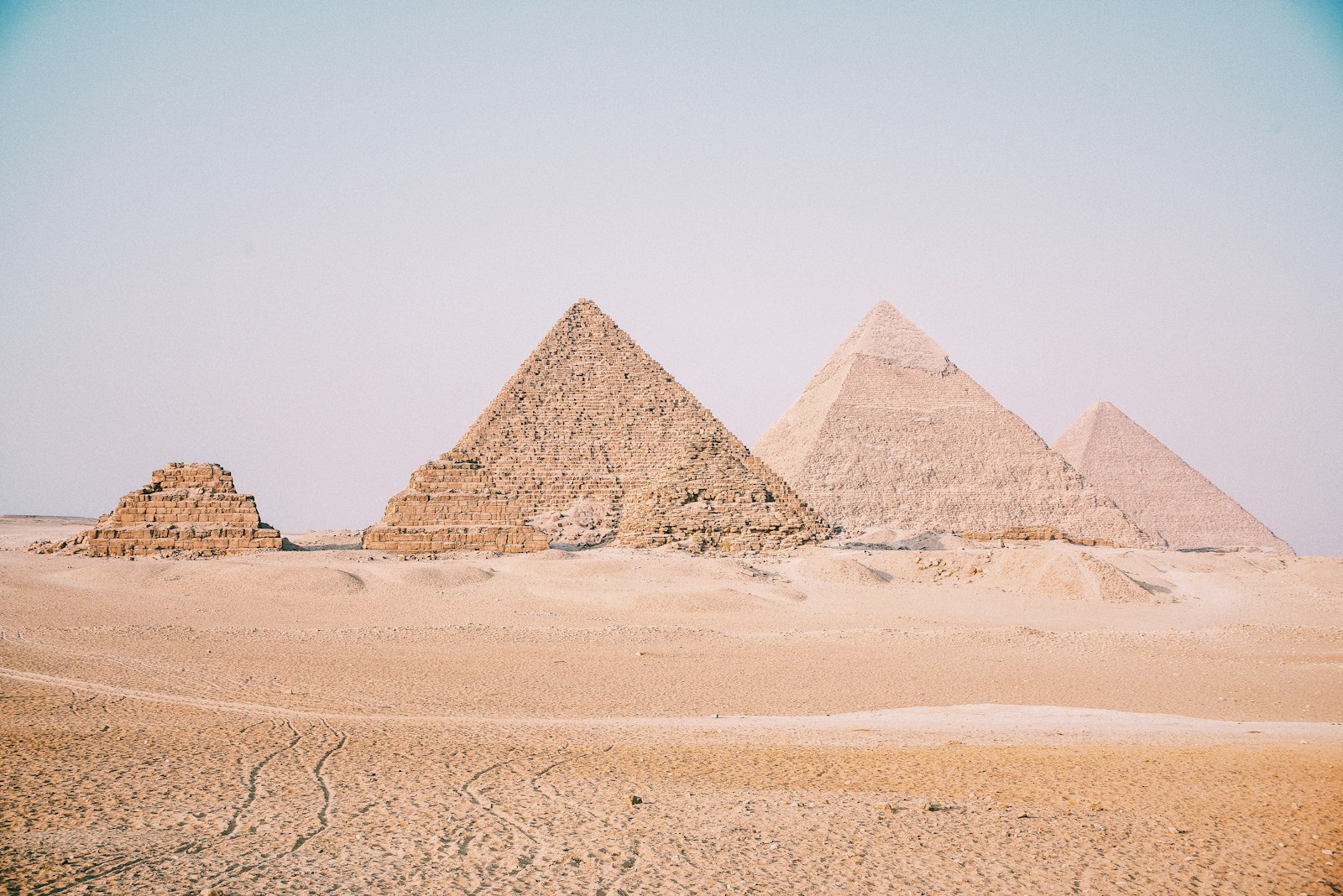
 Necropolis of Saqqara
The vastest and most ancient necropolis of ancient Egypt, guardian of the Step Pyramid of Djoser, of the Serapeum and of thousands of burials that span three thousand years of history.
🏆 UNESCO Pyramids of Giza
The Pyramids of Giza are the eternal symbol of Egypt. A complete guide with history, opening hours, tickets, how to get there and tips for your visit.
 🏆 UNESCO
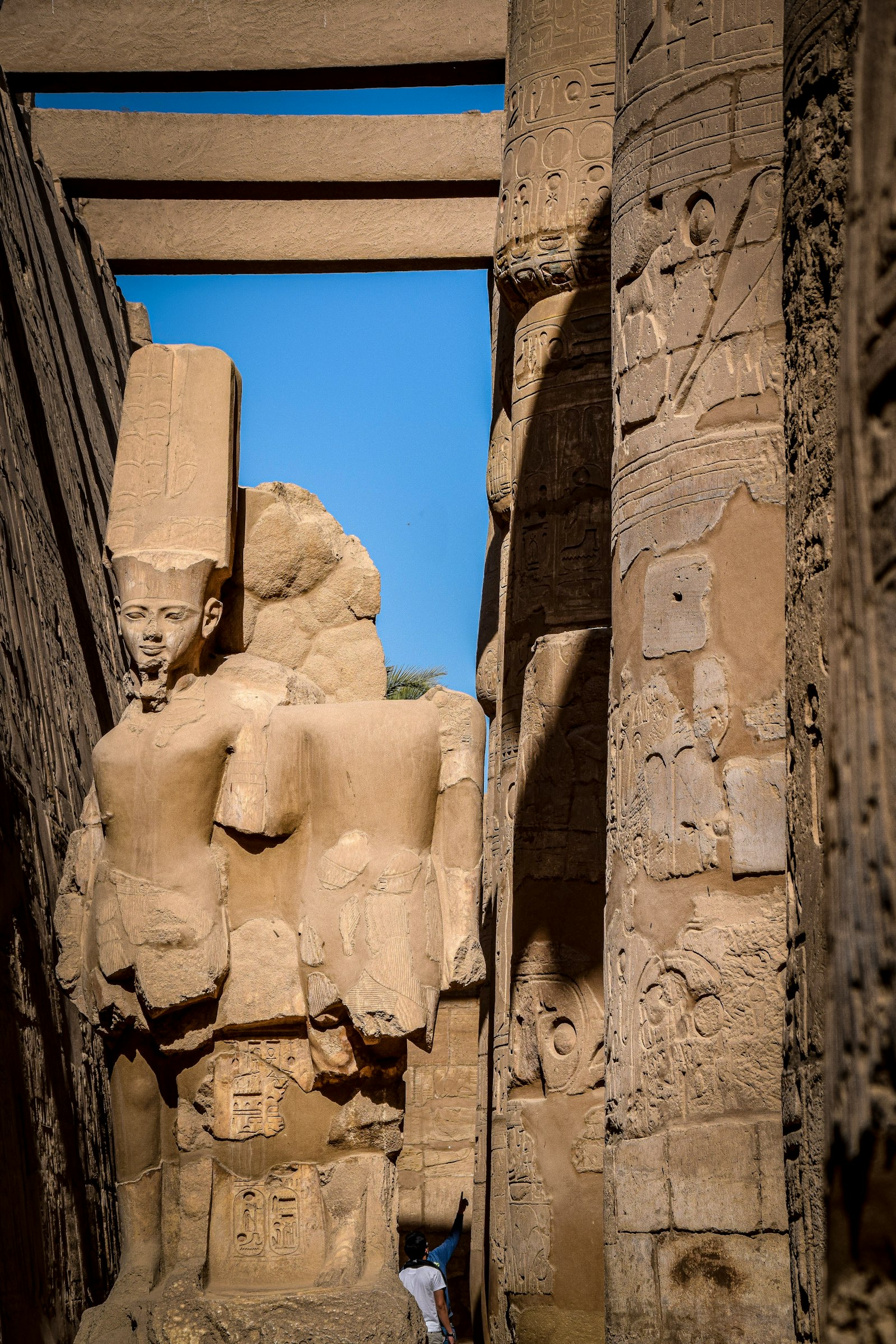
 Hypostyle Hall of Karnak
The largest religious hall ever built with 134 colossal columns over 5,000 sqm, supreme masterpiece of the architecture of the Egyptian New Kingdom.
 🏆 UNESCO
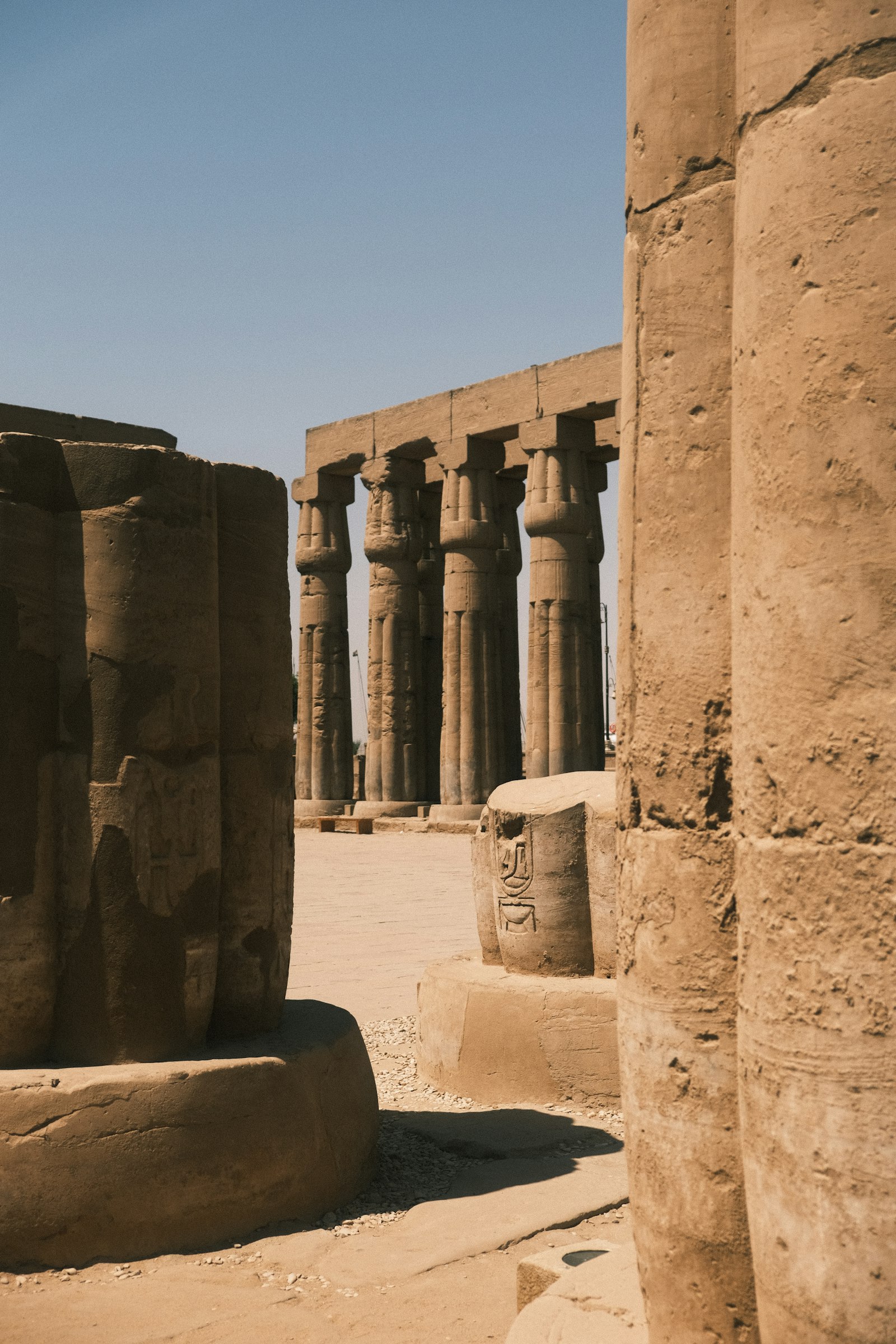
 Temple of Hatshepsut
The majestic terraced mortuary temple of Deir el-Bahari, an architectural masterpiece of the queen-pharaoh Hatshepsut.
 🏆 UNESCO
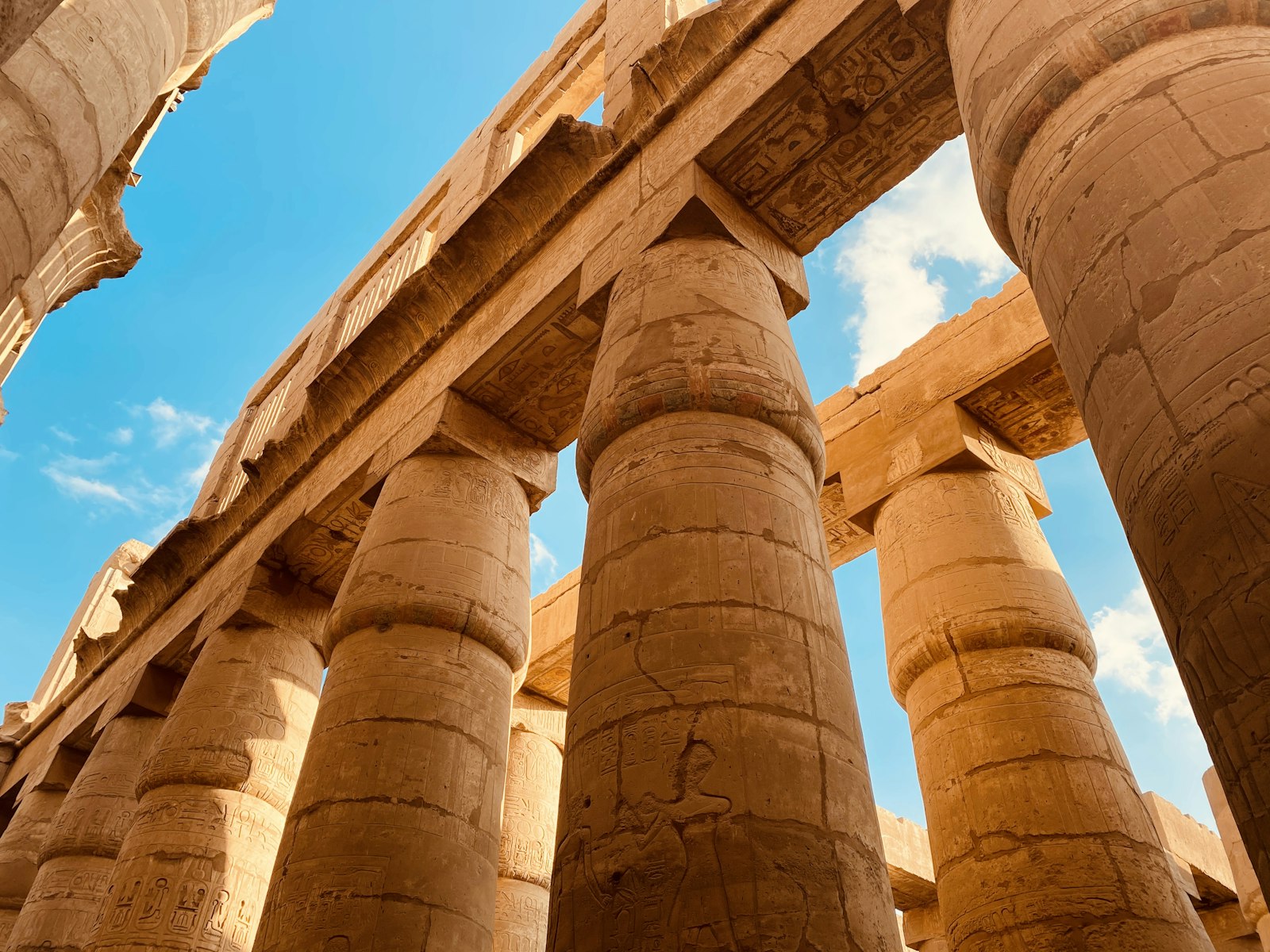
 Temple of Karnak
The Temple of Karnak in Luxor is the largest temple complex of ancient Egypt. Discover its history, what to see, opening hours, tickets and how to get there.
🏆 UNESCO Tomb of Nefertari
The 'Sistine Chapel of Ancient Egypt': tomb QV66 with 520 square meters of polychrome paintings among the most beautiful ever created.
 🏆 UNESCO
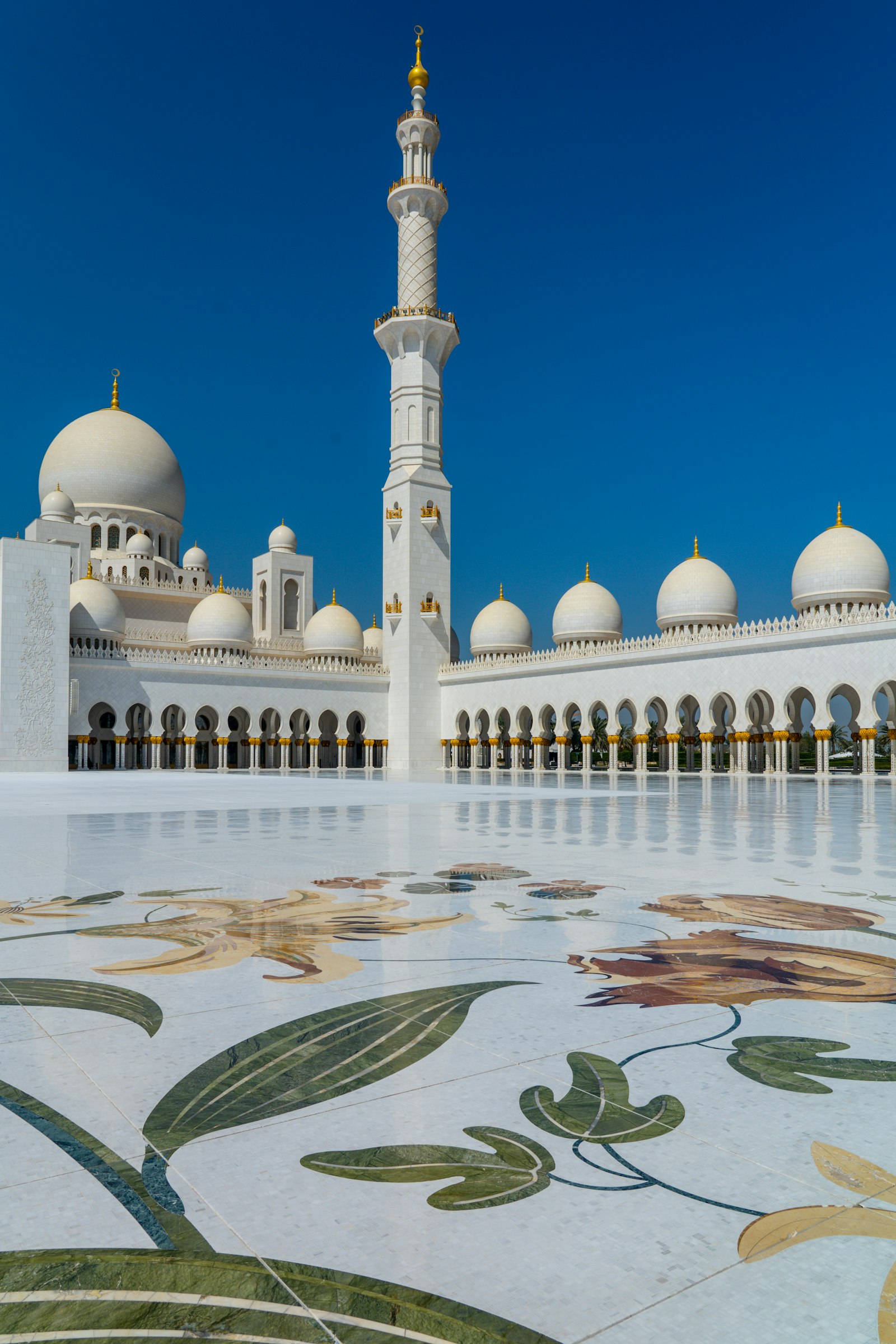
 Tomb of Tutankhamun
The famous KV62 tomb in the Valley of the Kings, discovered intact by Howard Carter in 1922, held the richest funerary treasure ever found in ancient Egypt.
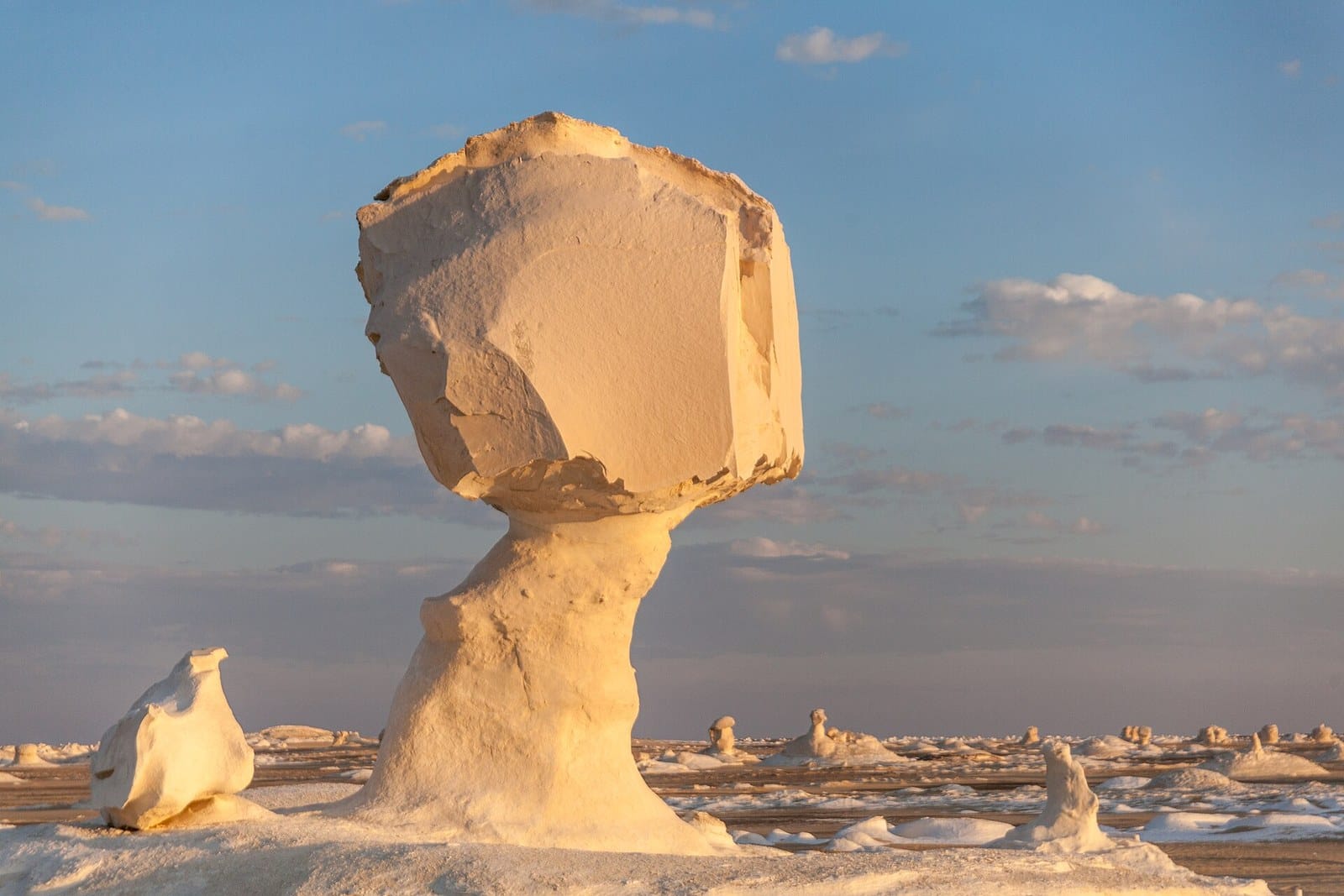
White Desert
Surreal landscape of white chalk formations sculpted by the wind in the Western Desert, one of the most spectacular geological phenomena of the Sahara and a national park since 2002.
🏆 UNESCO Great Sphinx of Giza
The oldest monumental sculpture in the world, with a lion's body and a human head, watching over the Giza pyramids for more than 4,500 years.
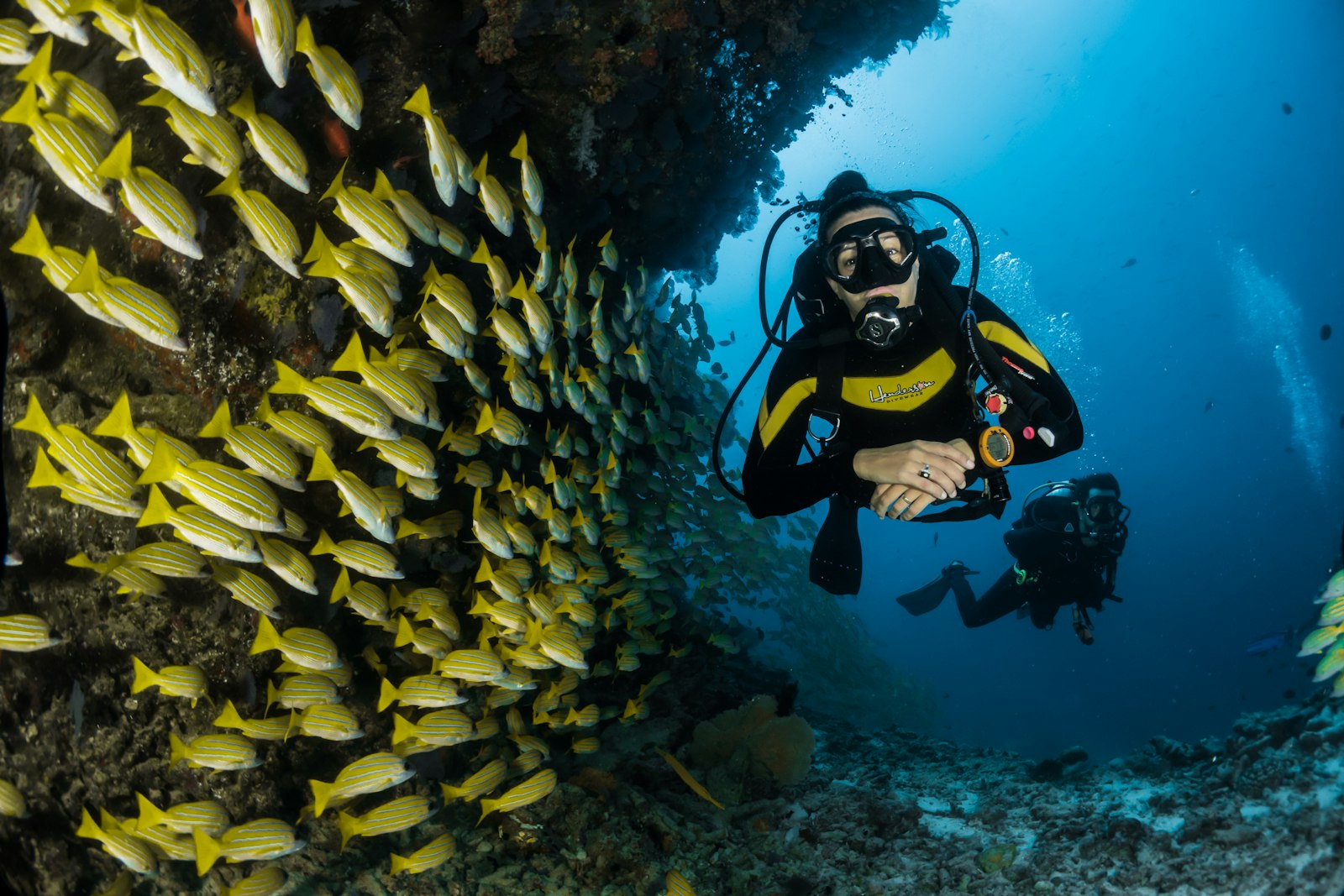
Brothers Islands (El Akhawein)
Two remote islands in the Red Sea with the most spectacular dive sites in Egypt: sharks, coral walls and historic wrecks accessible only by liveaboard.
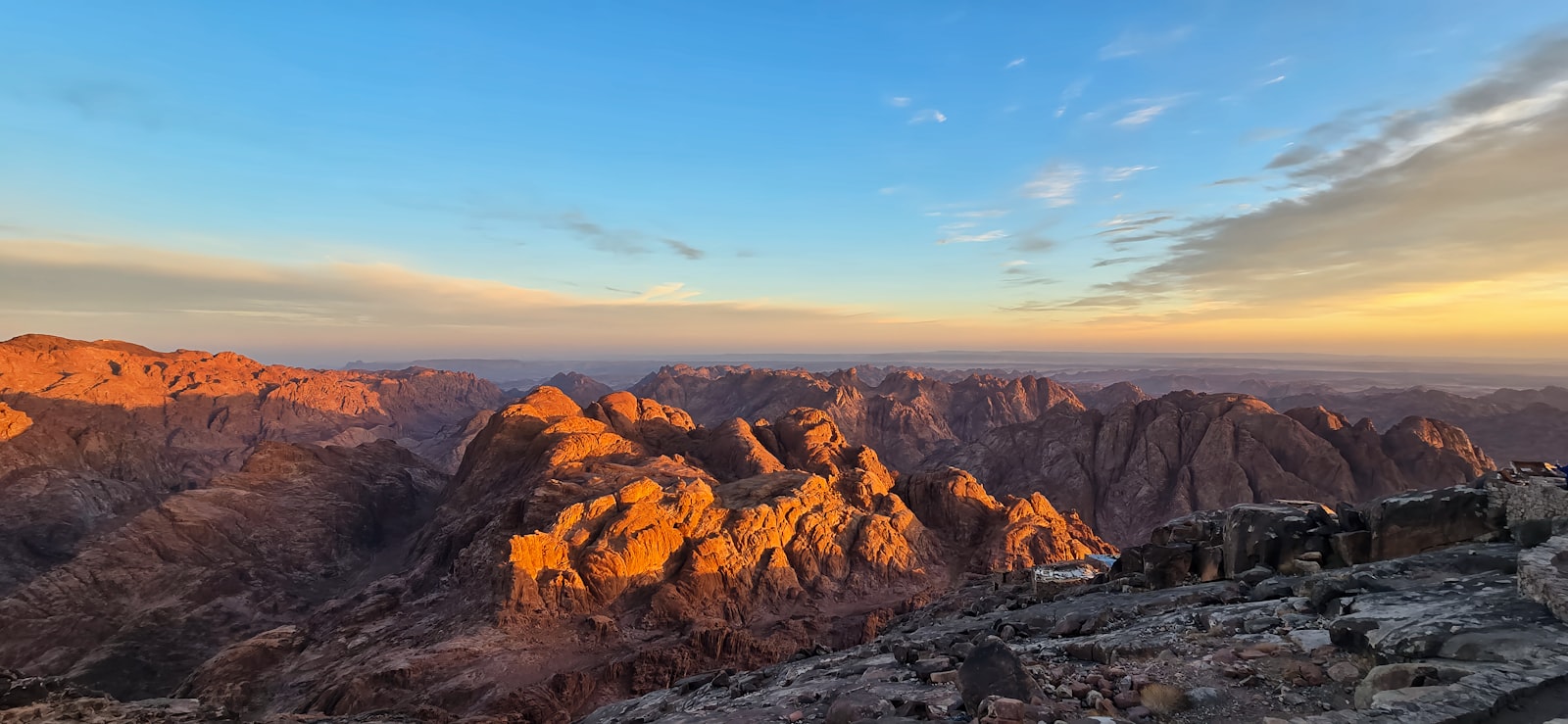 🏆 UNESCO
 Monastery of Saint Catherine
The oldest continuously inhabited Christian monastery in the world, founded in the 6th century by Emperor Justinian at the foot of Mount Sinai.
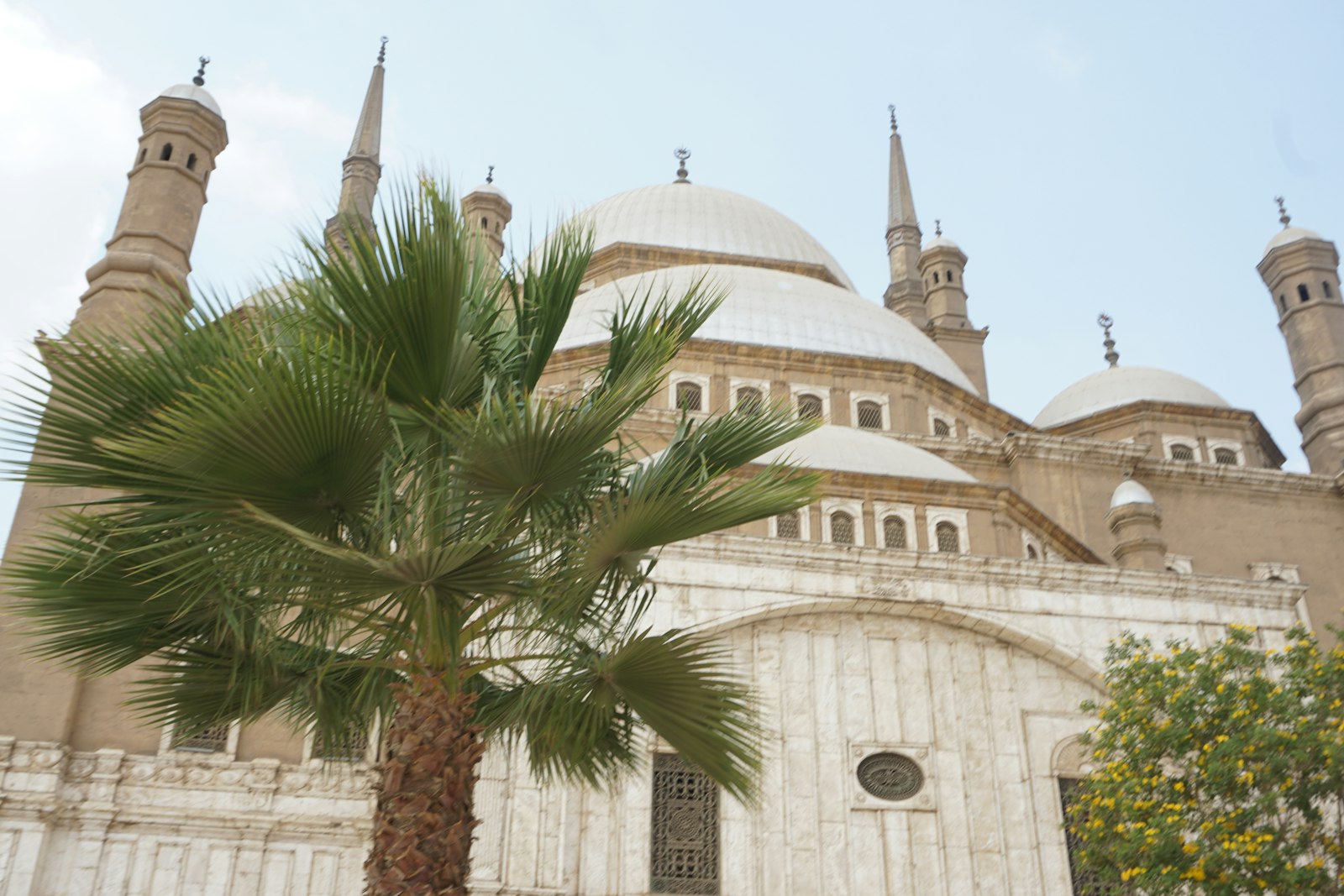 🏆 UNESCO
 Mosque of Muhammad Ali
The majestic Alabaster Mosque, built between 1830 and 1848 within the Citadel of Cairo, dominates the city's skyline with its silver domes and soaring minarets.
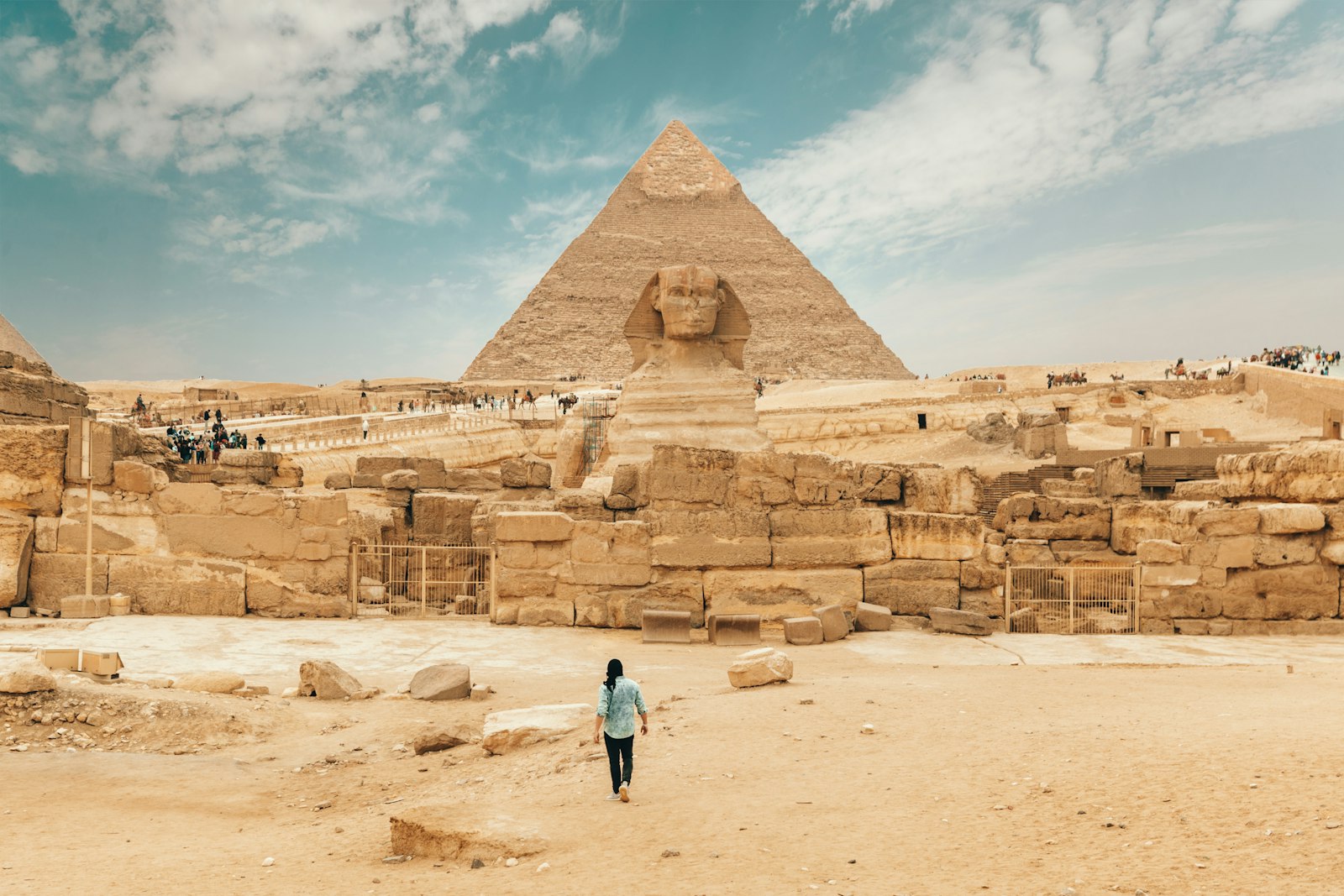
Egyptian Museum of Cairo
The legendary museum of Tahrir Square, founded in 1902, houses over 120,000 artefacts of ancient Egypt including the famous collection of royal mummies.
🏆 UNESCO Step Pyramid of Djoser
The first pyramid in history, built around 2667 BC by the architect Imhotep for the pharaoh Djoser, a masterpiece that revolutionized monumental architecture.
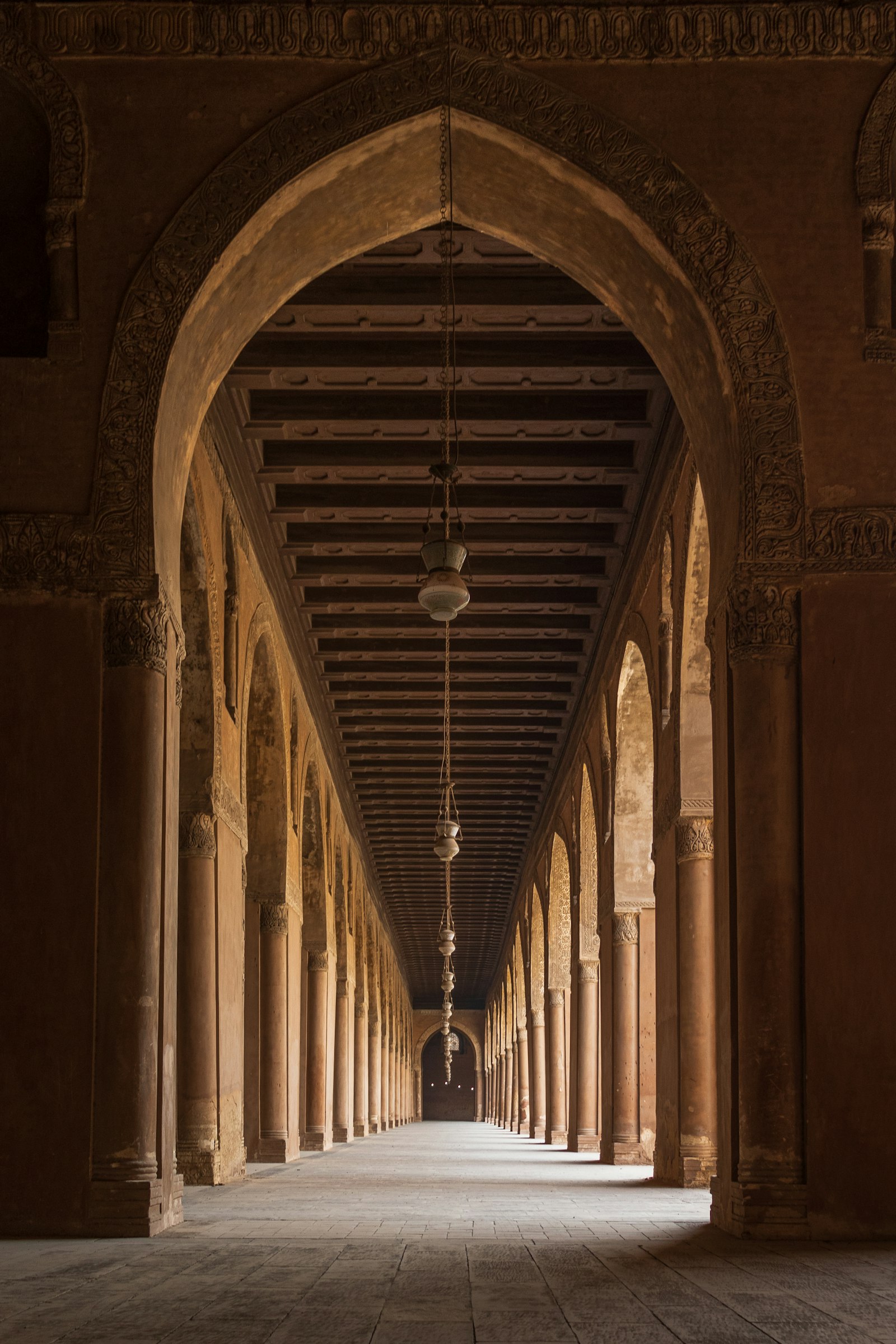 🏆 UNESCO
 Islamic District of Cairo
The largest historic Islamic centre in the world, UNESCO heritage since 1979, with over 600 monuments among mosques, madrasas, palaces and medieval bazaars.
Ras Mohammed National Park
The first marine park of Egypt, at the southern extremity of Sinai, with coral reefs among the most spectacular in the world.
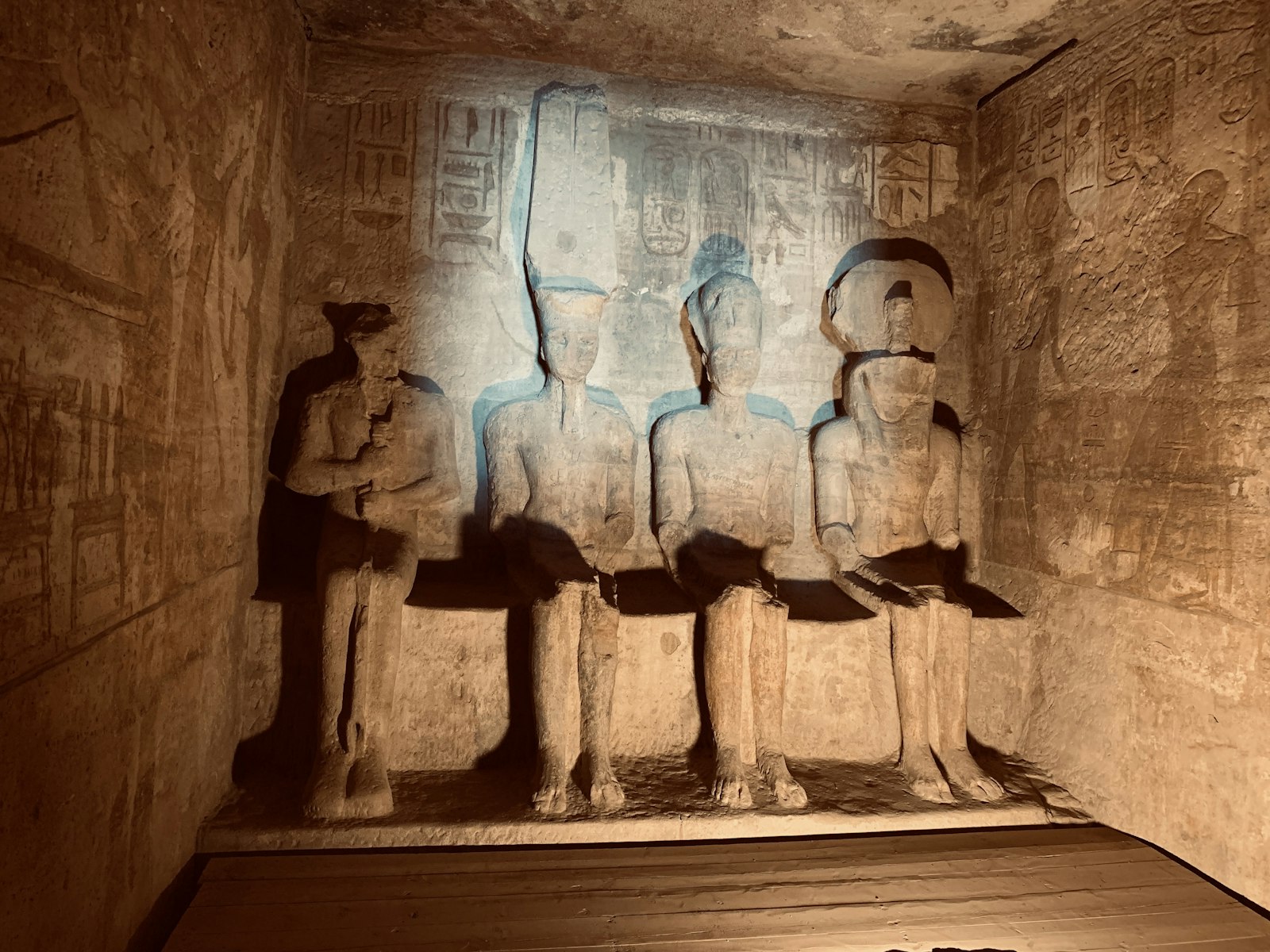
Temple of Seti I at Abydos
The funerary temple of Seti I at Abydos, famous for the finest hollow reliefs of ancient Egypt, the seven divine chapels, the King List and the mysterious Osireion.
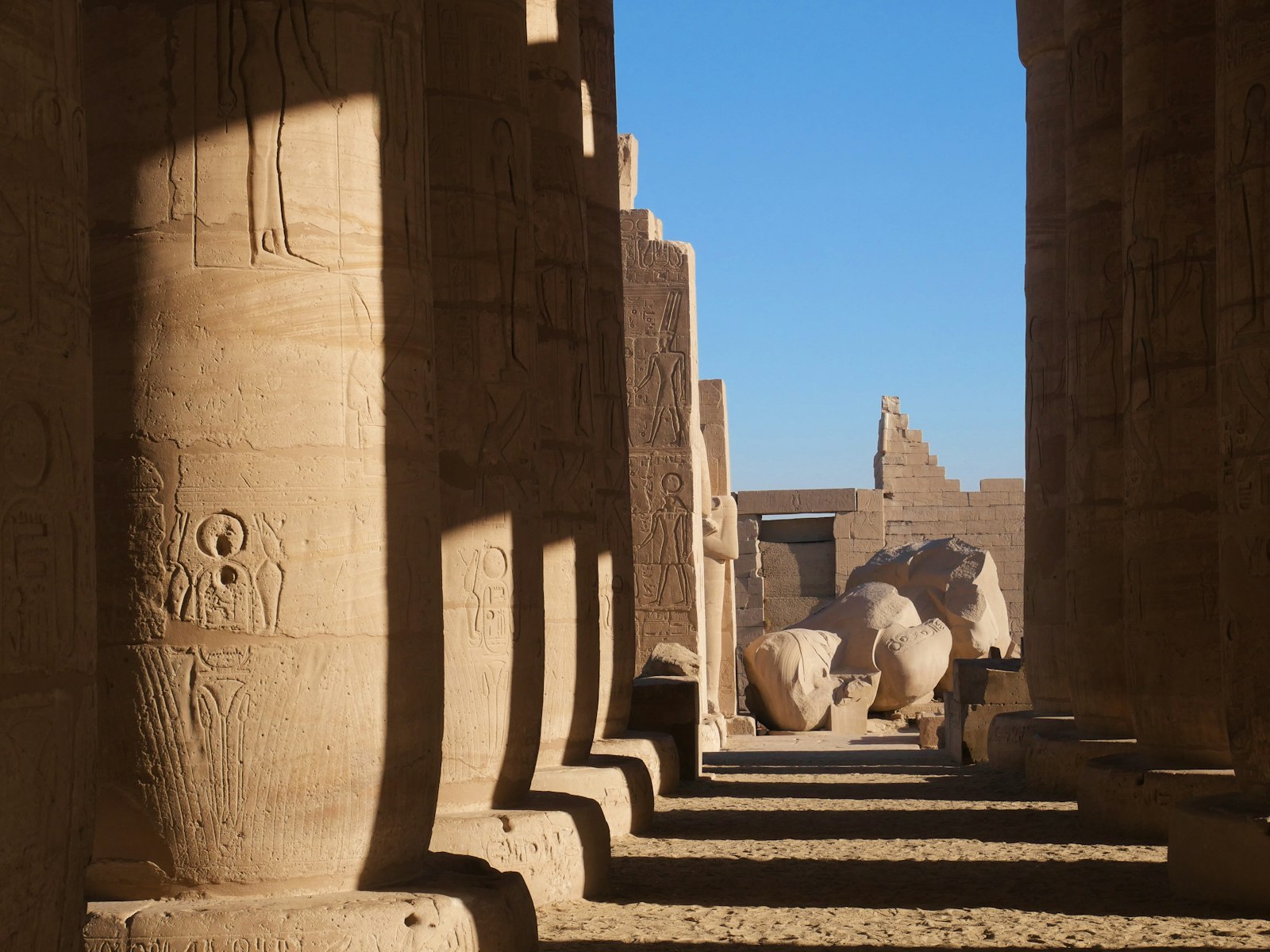
Temple of Dendera
The best-preserved temple of ancient Egypt, dedicated to the goddess Hathor, famous for its astronomical ceiling and vivid colours still intact after two thousand years.
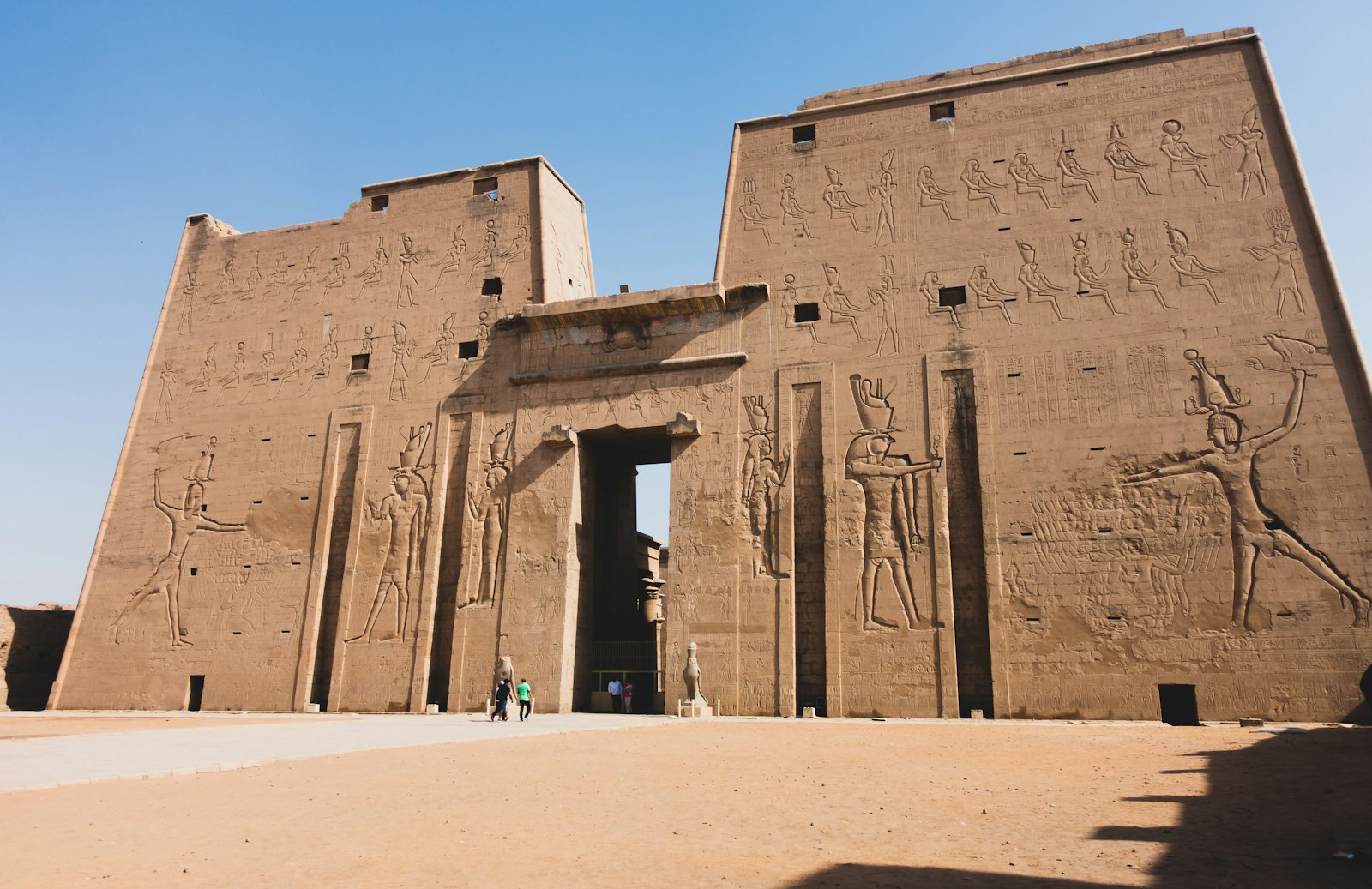
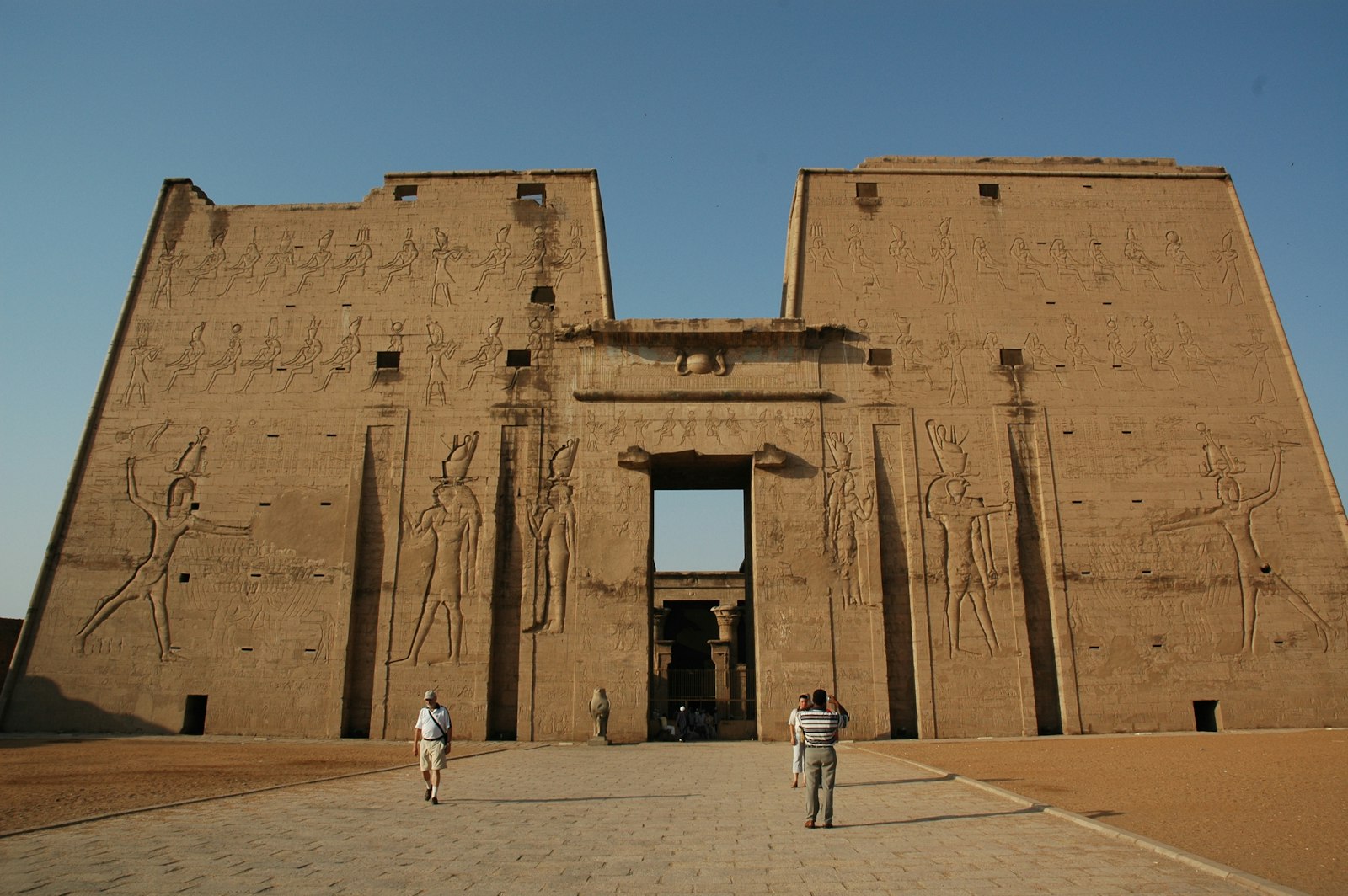
Temple of Edfu
The best preserved temple of ancient Egypt, dedicated to the falcon god Horus, masterpiece of Ptolemaic architecture with its pylon 36 metres high.
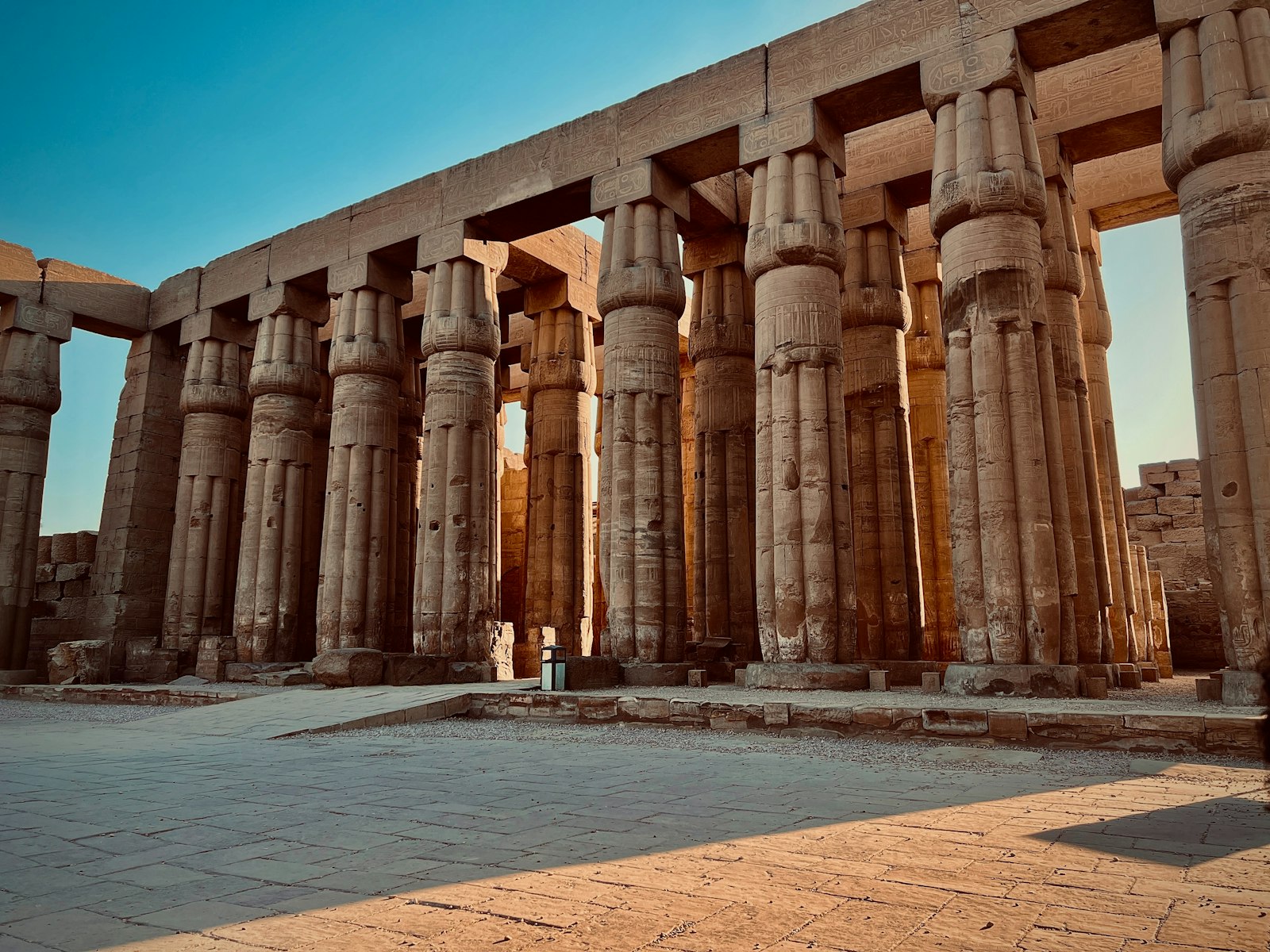 🏆 UNESCO
 Luxor Temple
A majestic temple on the eastern bank of the Nile, built by Amenhotep III and enlarged by Ramesses II, connected to the Temple of Karnak by the Avenue of the Sphinxes.
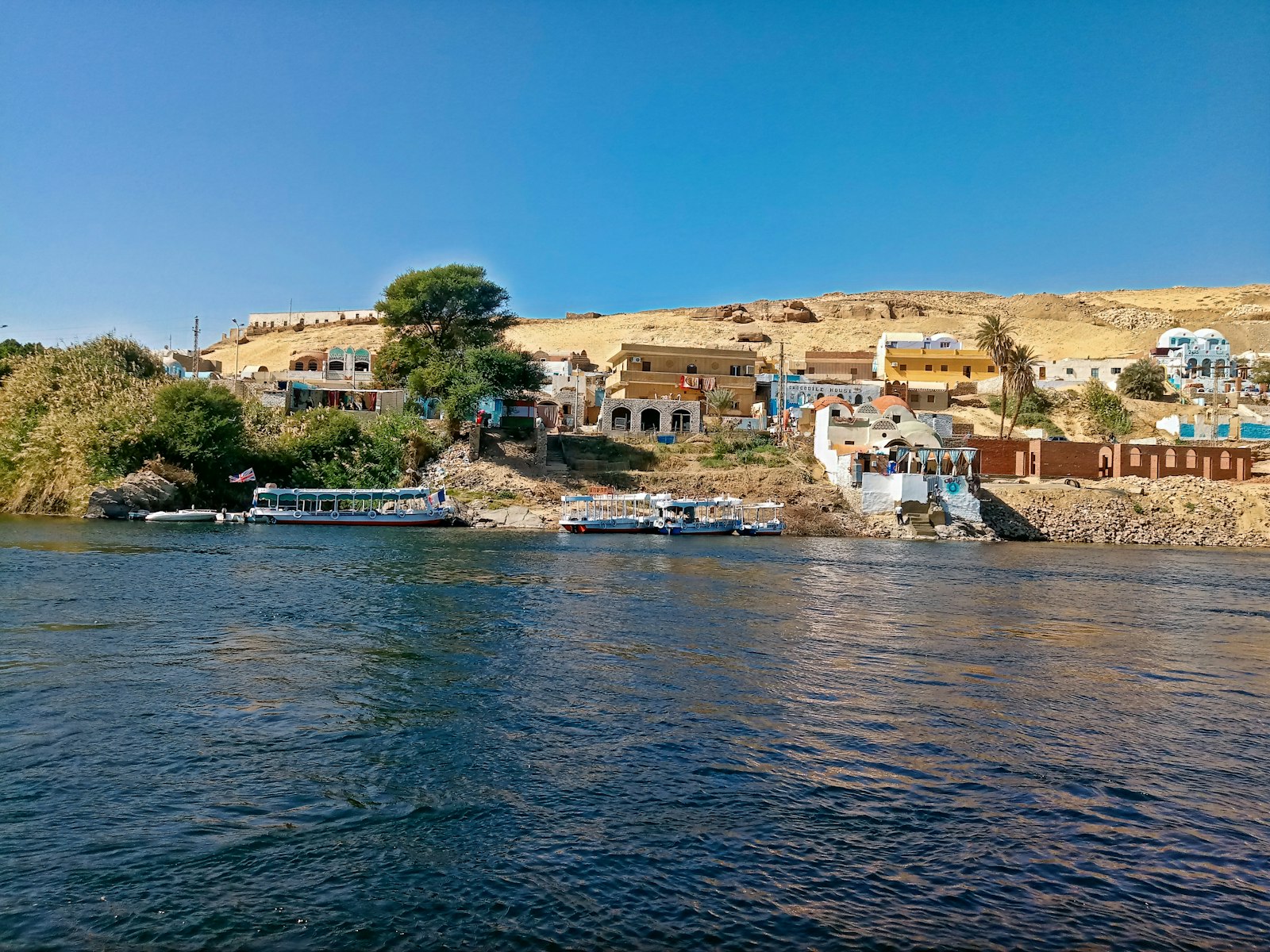 🏆 UNESCO
 Temple of Philae
The magnificent temple dedicated to the goddess Isis, relocated to Agilkia Island to save it from the waters of Lake Nasser, is one of the jewels of Upper Egypt.
🏆 UNESCO Tomb of Seti I
The tomb KV17 in the Valley of the Kings is the longest and deepest of the entire royal necropolis, famous for its painted reliefs of extraordinary refinement and its astronomical ceiling.
🏆 UNESCO Valley of the Kings
The Valley of the Kings in Luxor holds the tombs of ancient Egypt's most powerful pharaohs. A complete guide with history, tombs to see and tips.
Bibliotheca Alexandrina
The modern Library of Alexandria, a tribute to the legendary ancient library, is an architectural masterpiece housing millions of volumes and multiple cultural spaces.
🏆 UNESCO Coptic Cairo
The ancient Christian quarter of Cairo, heart of the Egyptian Coptic community with thousand-year-old churches, the Fortress of Babylon and the Coptic Museum.
🏆 UNESCO The Hanging Church
One of the oldest churches in Egypt, built atop the towers of the Fortress of Babylon, famous for its 110 icons and the pulpit with 13 columns.
🏆 UNESCO Citadel of Saladin
The imposing medieval fortress built by Sultan Saladin in the 12th century, the heart of power in Egypt for seven centuries, with an extraordinary panoramic view over Cairo.
Elphinstone Reef
Legendary coral reef 300 metres off the coast of Marsa Alam, famous for the oceanic whitetip sharks and the spectacular coral walls.
 🏆 UNESCO
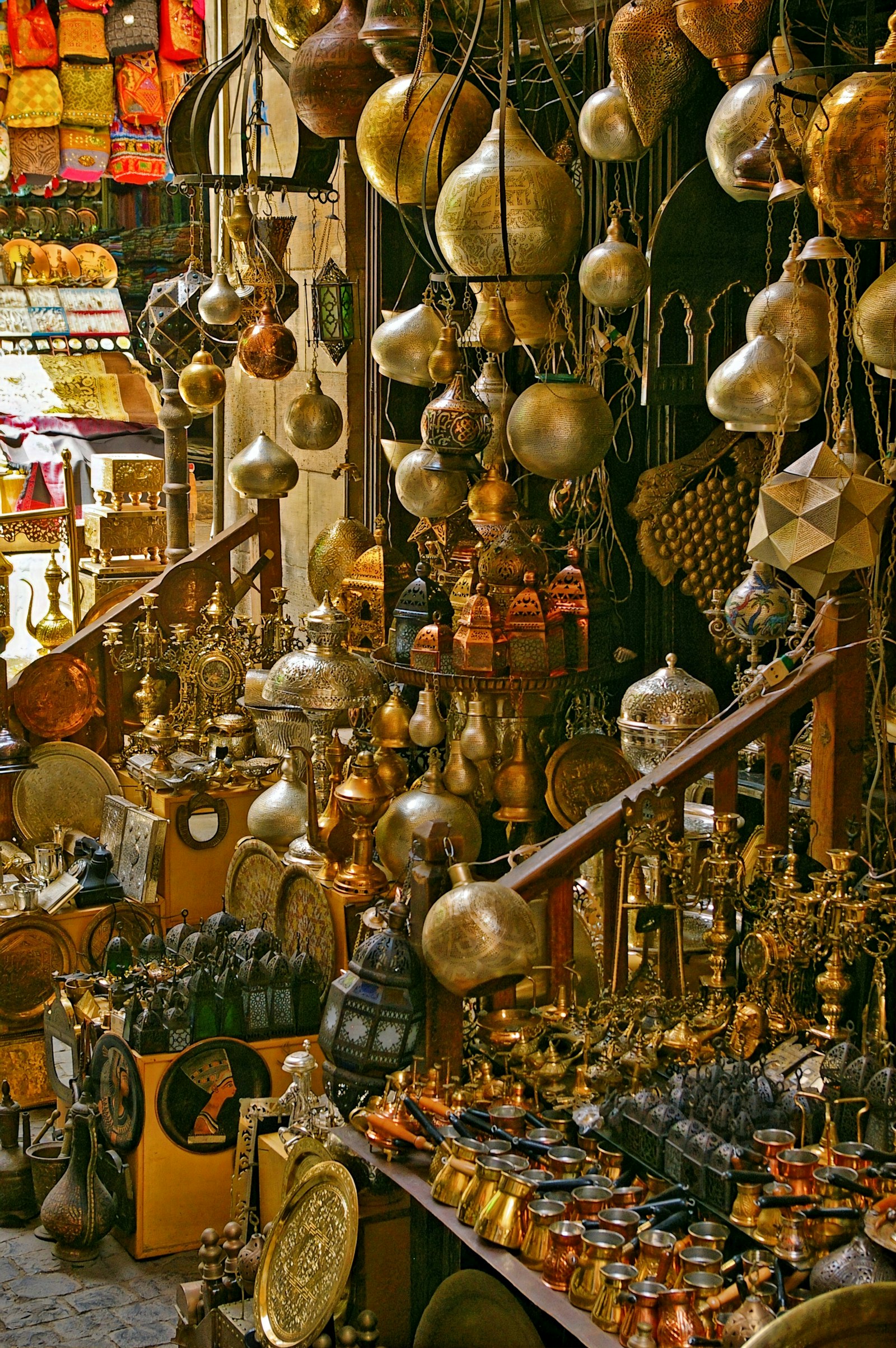
 Khan el-Khalili
The historic bazaar of Cairo dating back to 1382, a labyrinth of alleys and shops in the heart of Islamic Cairo, where commercial tradition and culture have intertwined for over six centuries.
🏆 UNESCO Medinet Habu
The funerary temple of Ramesses III, the best preserved on the west bank of Luxor, with its extraordinary polychrome reliefs.
🏆 UNESCO Mount Sinai
The sacred mountain where, according to biblical tradition, Moses received the Ten Commandments, a destination for pilgrimage and spectacular trekking.
 🏆 UNESCO
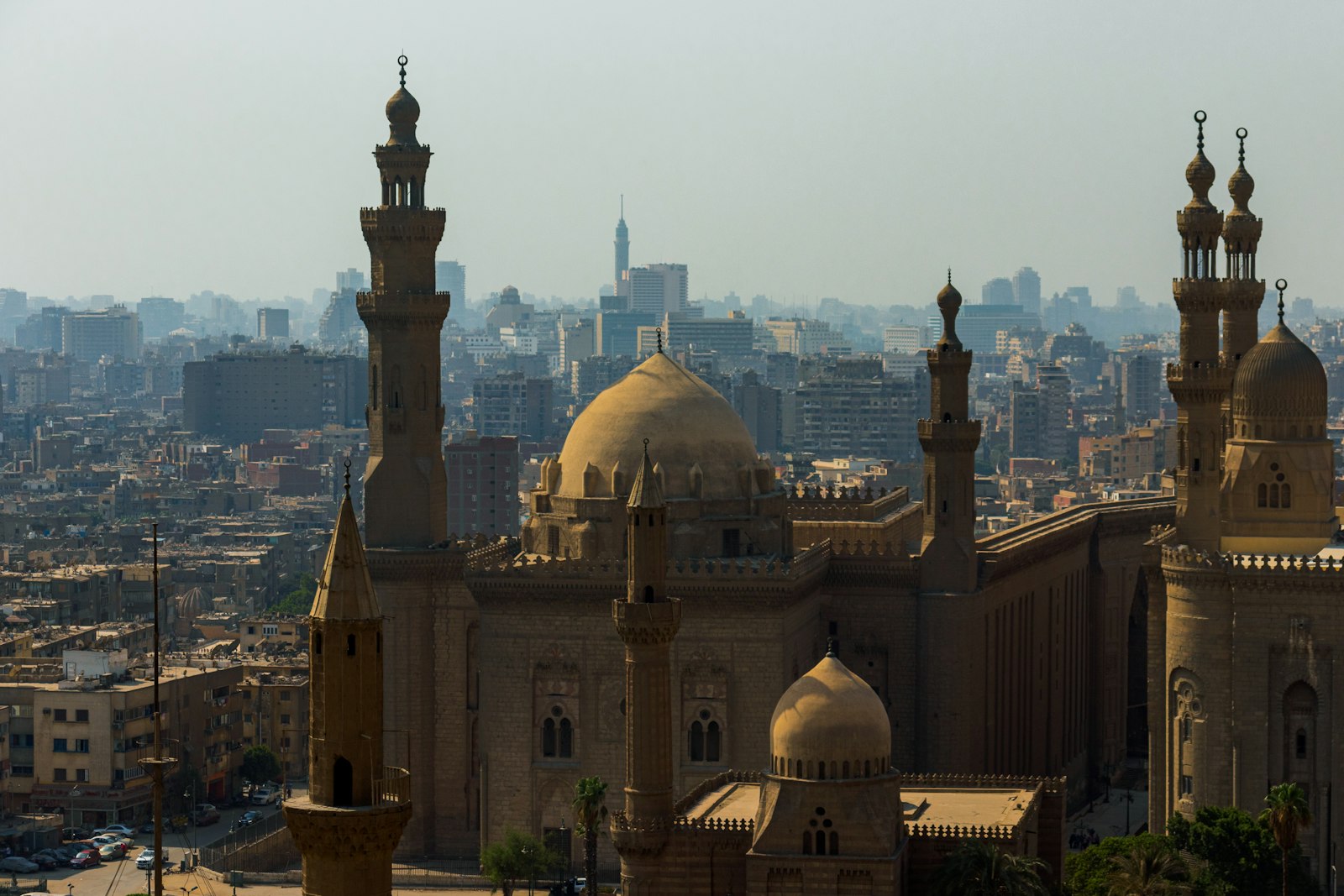
 Mosque of Sultan Hassan
A masterpiece of Mamluk architecture, one of the largest and most imposing mosques in the Islamic world, built between 1356 and 1363.
 🏆 UNESCO
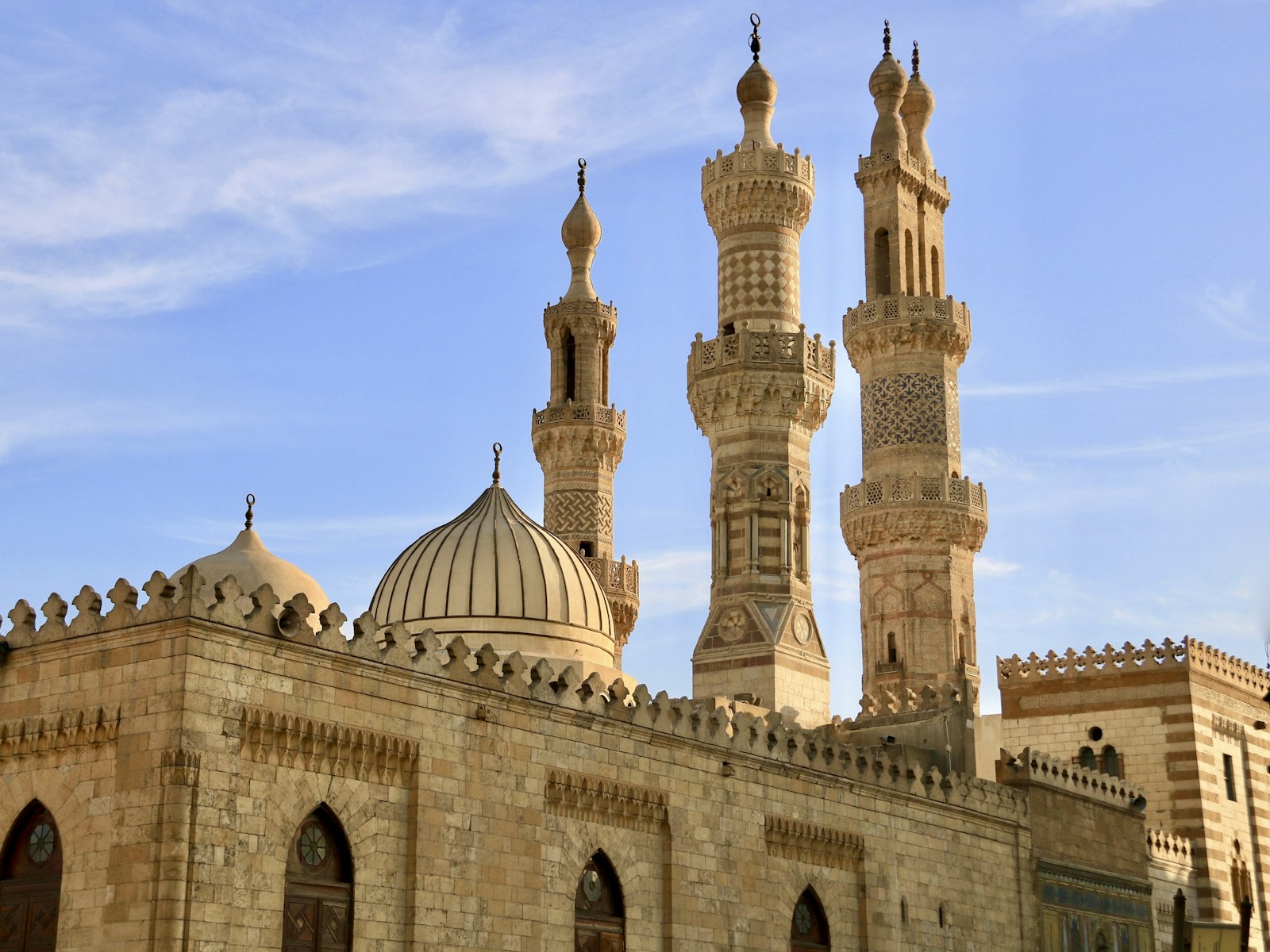
 Al-Azhar Mosque
The mosque founded in 970 AD by the Fatimid dynasty, home to the oldest university in the world still in operation and a prestigious centre of Islamic learning.
Nubian Museum
The award-winning museum of Aswan that tells the millenary Nubian civilisation from prehistory to the present day, preserving artefacts saved from the submersion of Lake Nasser.
Siwa Oasis
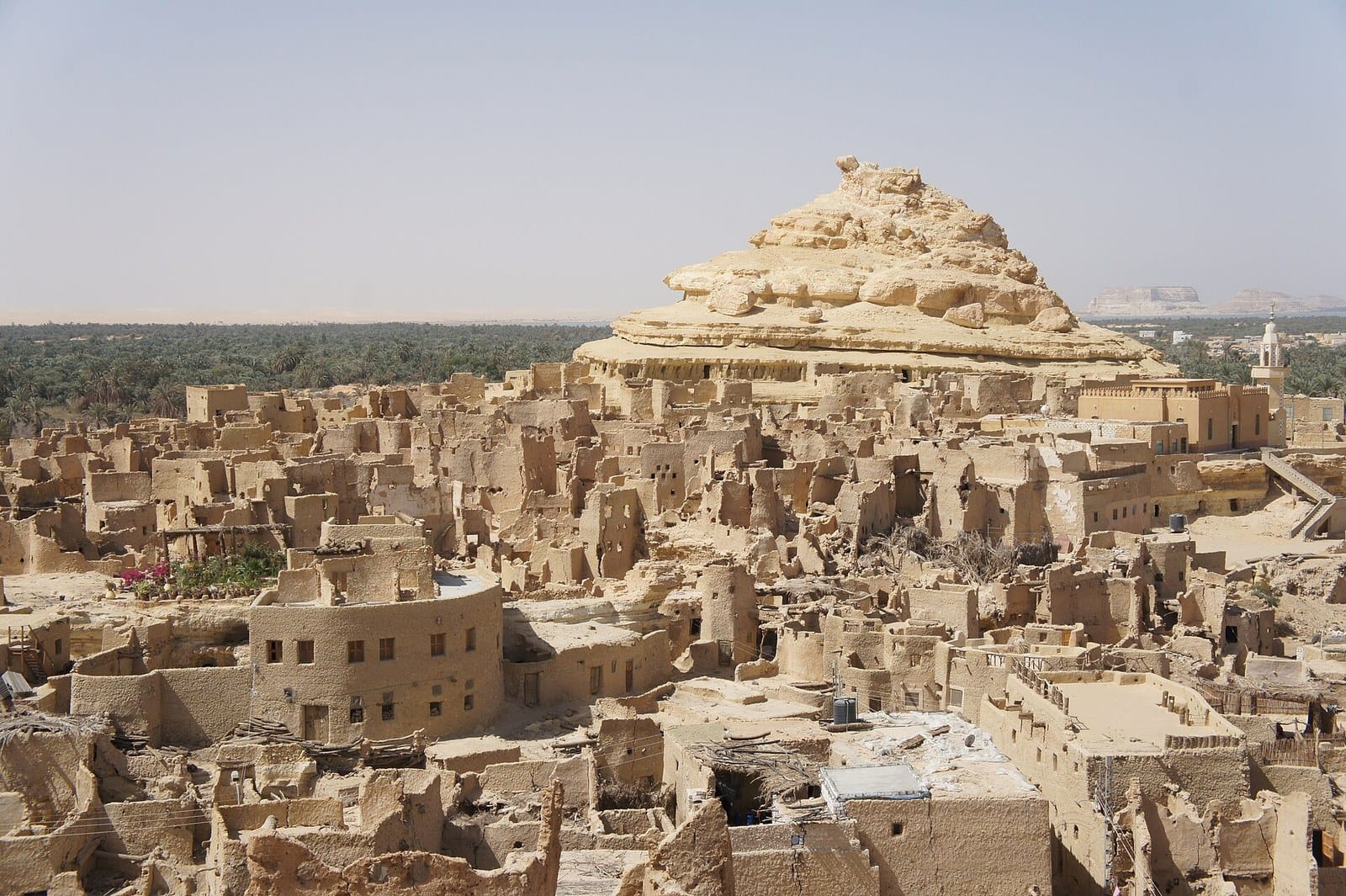
Remote Berber oasis in the heart of the Western Desert, famous for the Temple of the Oracle of Amun, the fortress of Shali, the salt lakes and a millennia-old culture unique in Egypt.
🏆 UNESCO Pyramid of Khafre
The second pyramid of the Giza Plateau, famous for the limestone casing still visible at its summit and for its connection with the Great Sphinx.
🏆 UNESCO The Red Pyramid
The first true smooth-faced pyramid of ancient Egypt, third in size, built by the pharaoh Sneferu at Dahshur.
🏆 UNESCO Serapeum of Saqqara
The ancient underground necropolis of the sacred Apis bulls, one of the most mysterious and fascinating sites of ancient Egypt.
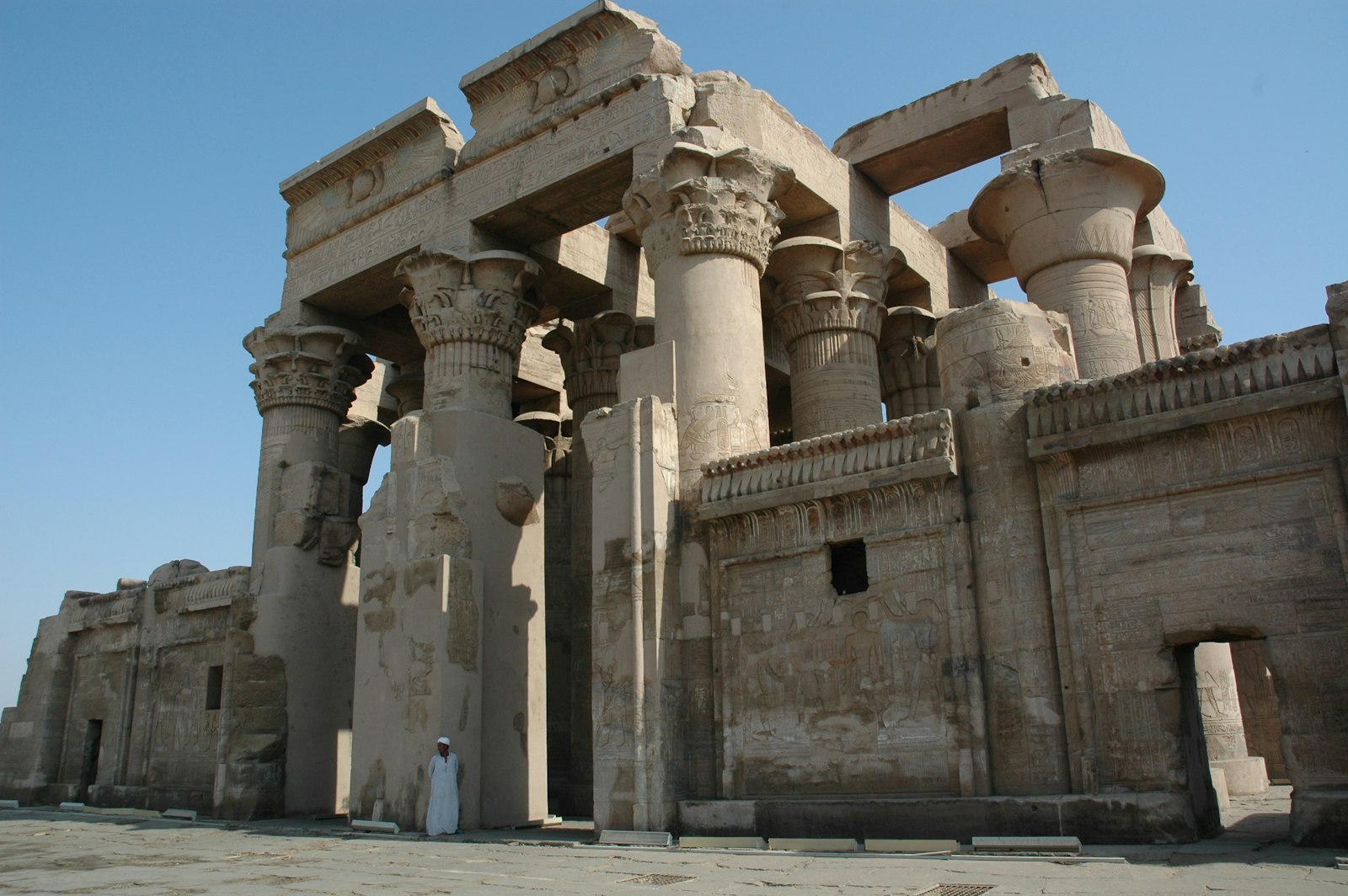
Temple of Kom Ombo
The only double temple of ancient Egypt, dedicated simultaneously to the crocodile god Sobek and the falcon god Haroeris, overlooking the Nile.
🏆 UNESCO Tomb of Ramesses VI
The tomb KV9 in the Valley of the Kings features one of the best-preserved astronomical ceilings of ancient Egypt, with the double representation of the Book of the Day and the Book of the Night.
🏆 UNESCO Valley of the Queens
The royal necropolis that houses over 90 tombs of queens and princes of the 18th–20th dynasties, including the famous tomb of Nefertari.
Catacombs of Kom el-Shoqafa
The largest Roman funerary site in Egypt, an underground labyrinth that uniquely blends Egyptian, Greek and Roman art.
Blue Hole of Dahab
The famous 130-metre-deep marine sinkhole on the coast of Dahab, legendary diving and snorkelling site in the Red Sea.
🏆 UNESCO Deir el-Medina
The ancient village of the artisans who built the tombs of the Valley of the Kings, with its splendid painted tombs and a Ptolemaic temple.
Fortress of Qaitbay
Imposing Mamluk fortress built in the 15th century on the foundations of the ancient Lighthouse of Alexandria, one of the Seven Wonders of the Ancient World.
Marsa Alam
Pristine paradise of the southern Red Sea, famous for dugongs, dolphins, sea turtles and virgin coral reefs.
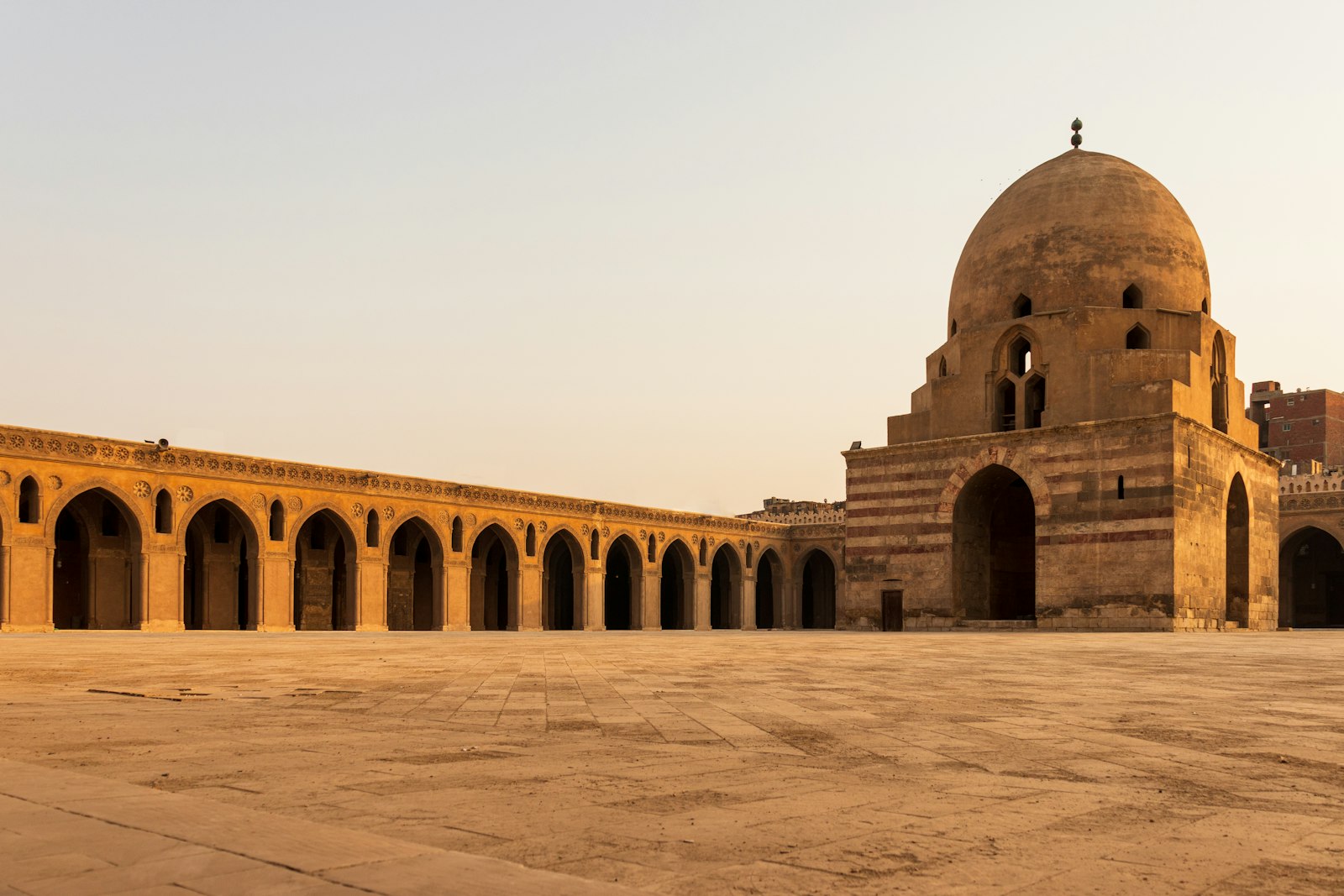
🏆 UNESCO Mosque of Ibn Tulun
The oldest intact mosque in Cairo, a masterpiece of 9th-century Abbasid architecture with its iconic spiral minaret.
Museum of Islamic Art
The largest museum of Islamic art in the world, with over 100,000 artefacts spanning twelve centuries of Muslim civilisation.
Coptic Museum
The largest museum of Coptic art in the world, with over 16,000 artefacts including textiles, icons, the Nag Hammadi codices and testimonies of Christian Egypt.
🏆 UNESCO Solar Boat Museum
The museum that housed the extraordinary funerary boat of Pharaoh Khufu, a masterpiece of ancient Egyptian naval engineering 43.6 metres long.
Luxor Museum
Elegant museum on the bank of the Nile with a curated selection of artefacts from the Theban necropolis, royal mummies and the blocks of the temple of Akhenaten.
🏆 UNESCO The Bent Pyramid
The only Egyptian pyramid with a double inclination, witness to a bold architectural experiment by the pharaoh Sneferu.
🏆 UNESCO Ramesseum
The grandiose funerary temple of Ramesses II, with the famous fallen colossal statue that inspired Shelley's Ozymandias.
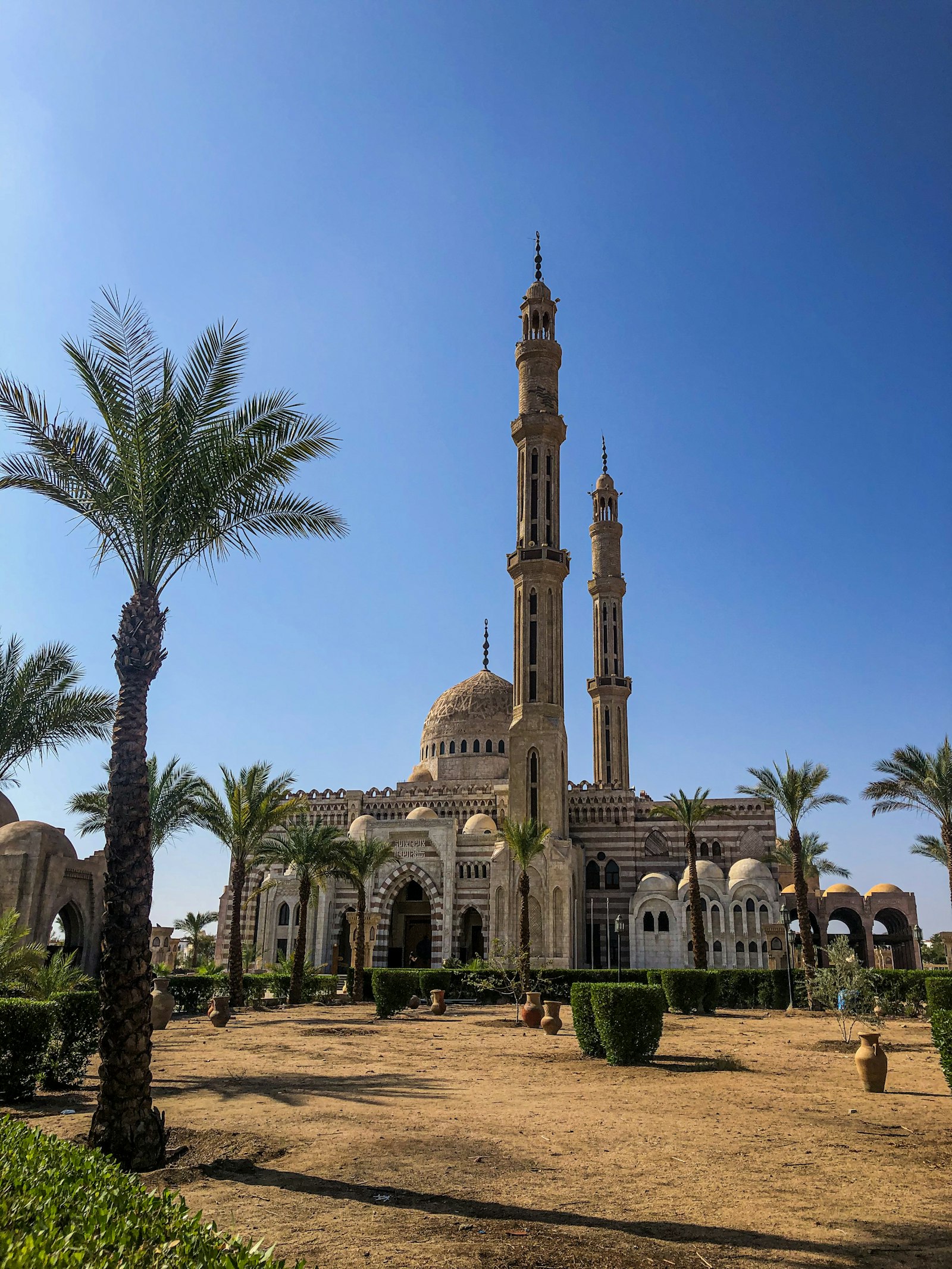
Sharm el-Sheikh
The pearl of the Red Sea Riviera, a world paradise for diving and snorkelling among spectacular coral reefs and luxury resorts.
🏆 UNESCO Valley Temple of Chefren
The monumental funerary temple in red granite and limestone, famous for the discovery of the statue of Chefren, a masterpiece of Egyptian sculpture.
🏆 UNESCO Tombs of the Nobles
Over 400 tombs carved into the rock of the western bank of Luxor, famous for the lively scenes of daily life that offer a unique cross-section of ancient Egypt.
🏆 UNESCO Al-Muizz Street
The most fascinating street in Islamic Cairo, considered the longest open-air museum of Islamic architecture in the world.
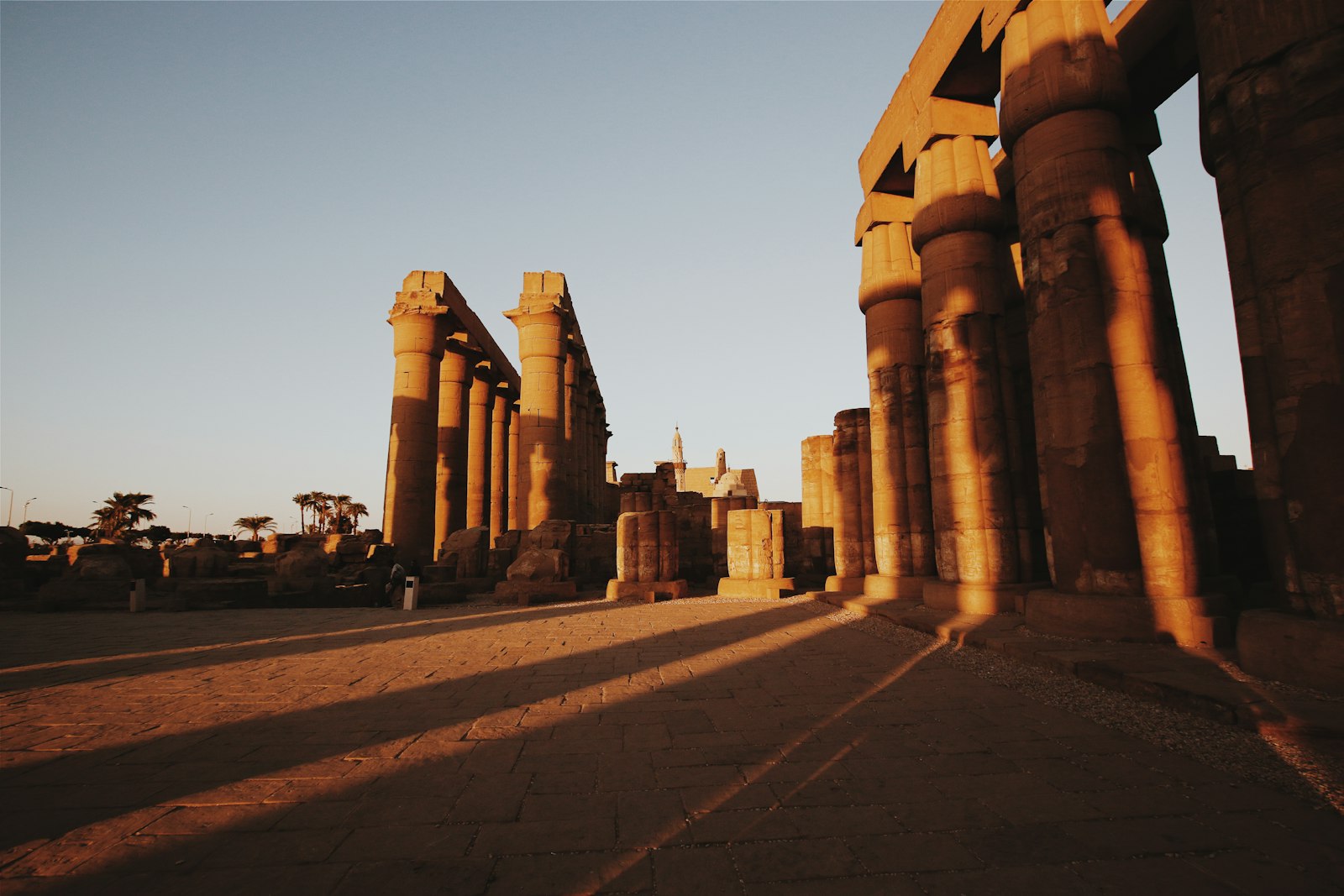 🏆 UNESCO
 Avenue of the Sphinxes
The ancient processional way, 2.7 km long, that connected the Temple of Karnak to the Temple of Luxor, flanked by over 1,350 sphinxes.
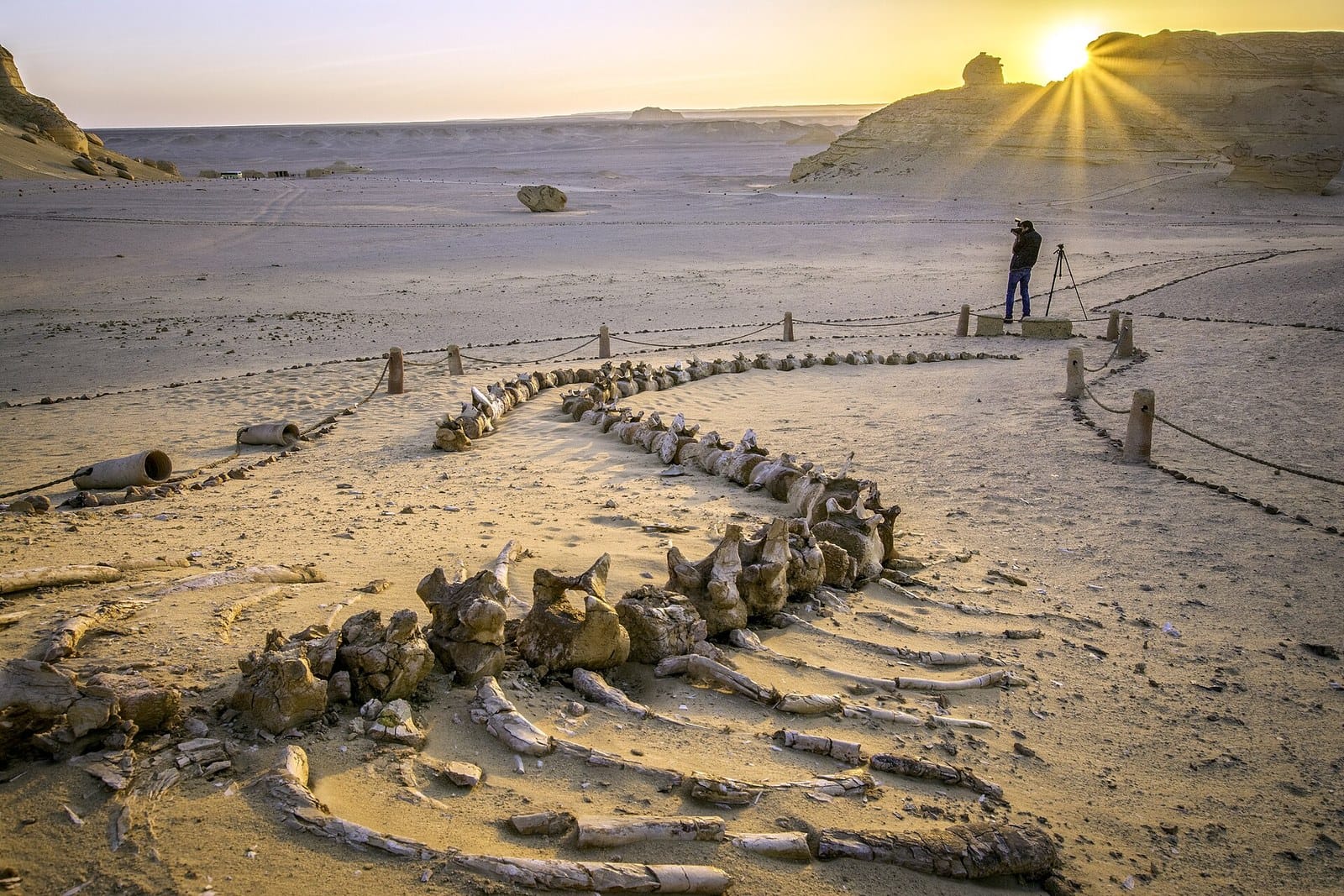 🏆 UNESCO
 Wadi al-Hitan (Valley of the Whales)
UNESCO site in the Fayoum with fossils of ancestral whales dating back 40 million years, an open-air museum of cetacean evolution.
Al-Azhar Park
A green oasis of 30 hectares in the heart of Islamic Cairo, created from the transformation of a landfill into one of the most beautiful parks of the Middle East.
🏆 UNESCO Bab Zuweila
The last surviving southern gate of Fatimid Cairo, a monumental fortified entrance from 1092 with twin minarets and a panoramic view.
Tombs of Beni Hassan
Extraordinary Middle Kingdom rock necropolis with 39 tombs carved into the rock, famous for wrestling scenes, the depiction of the Asiatics and the first proto-Doric columns in history.
Suez Canal
The imposing 193 km artificial waterway that connects the Mediterranean Sea to the Red Sea, one of the greatest engineering works of modern history.
🏆 UNESCO Church of Saints Sergius and Bacchus
Early Christian church of the 4th-5th century in Coptic Cairo, famous for the crypt where, according to tradition, the Holy Family took refuge during the flight into Egypt.
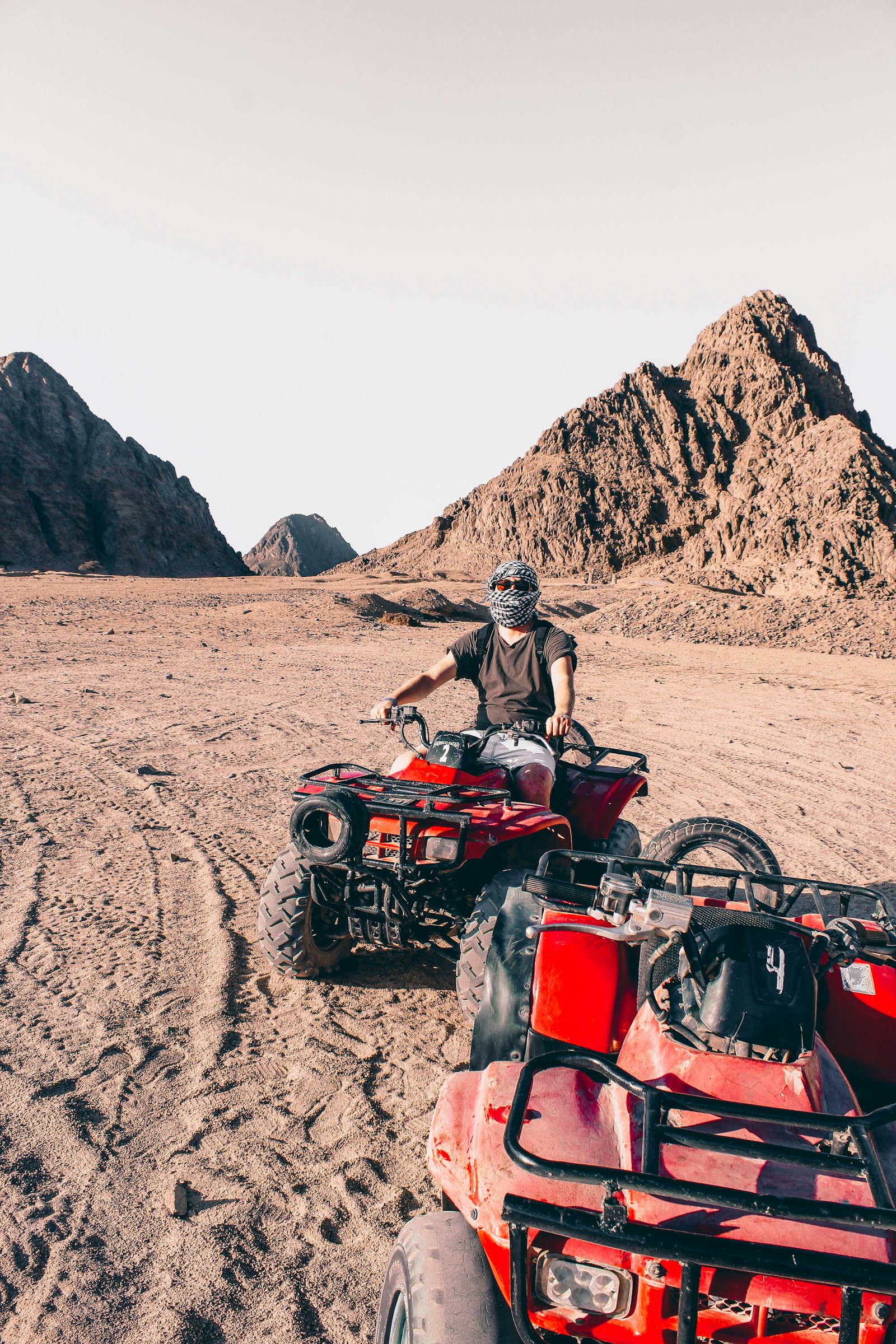
Colored Canyon
A spectacular sandstone canyon with vivid colours in the Sinai desert, sculpted by millions of years of erosion.
 🏆 UNESCO
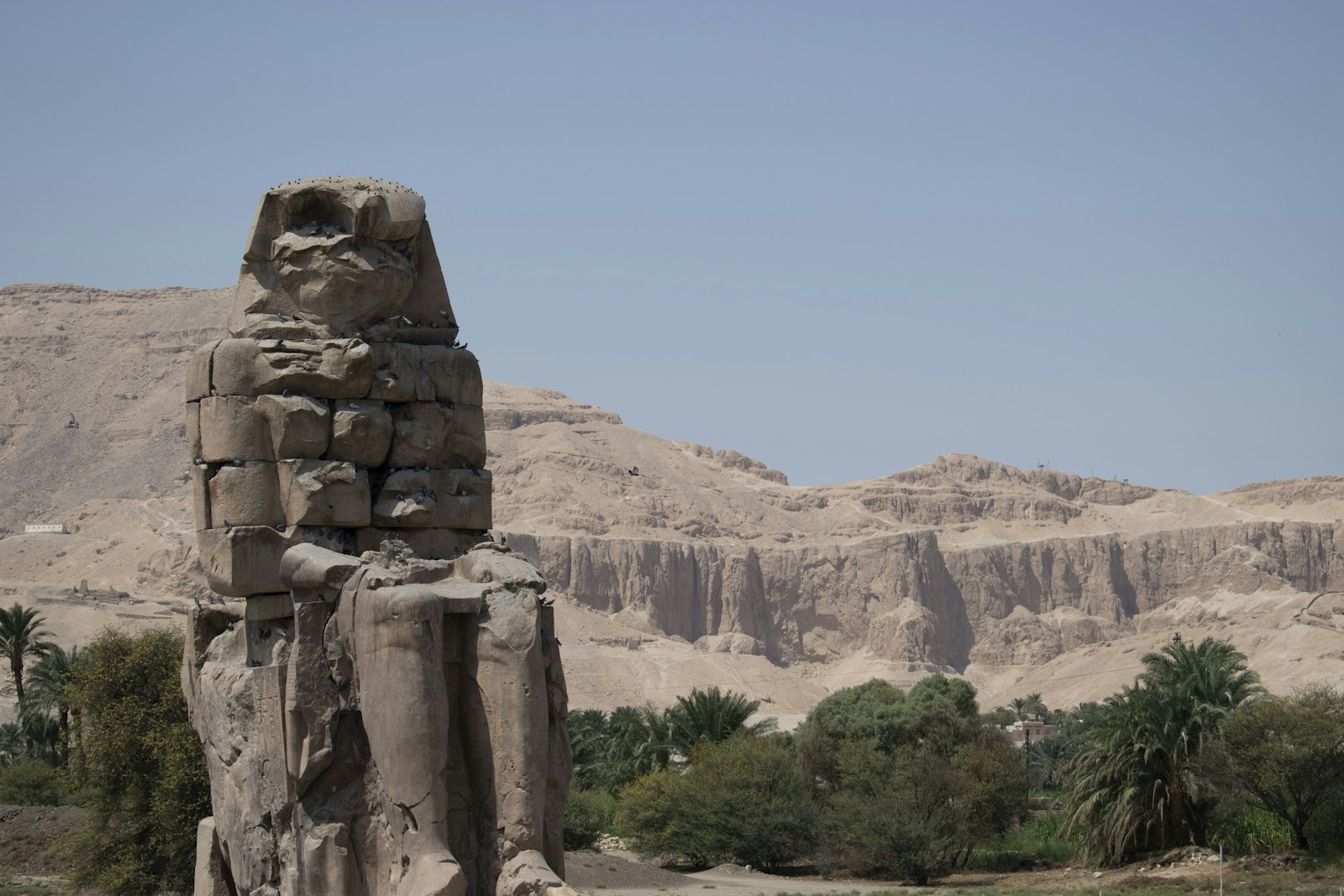
 Colossi of Memnon
The two imposing statues of Amenhotep III, 18 metres high, that have guarded the entrance to the Theban necropolis for over 3,400 years.
El Gouna
An elegant lagoon resort designed by Orascom on the Red Sea, with 14 km of lagoons, a marina, a golf course and a unique cosmopolitan atmosphere.
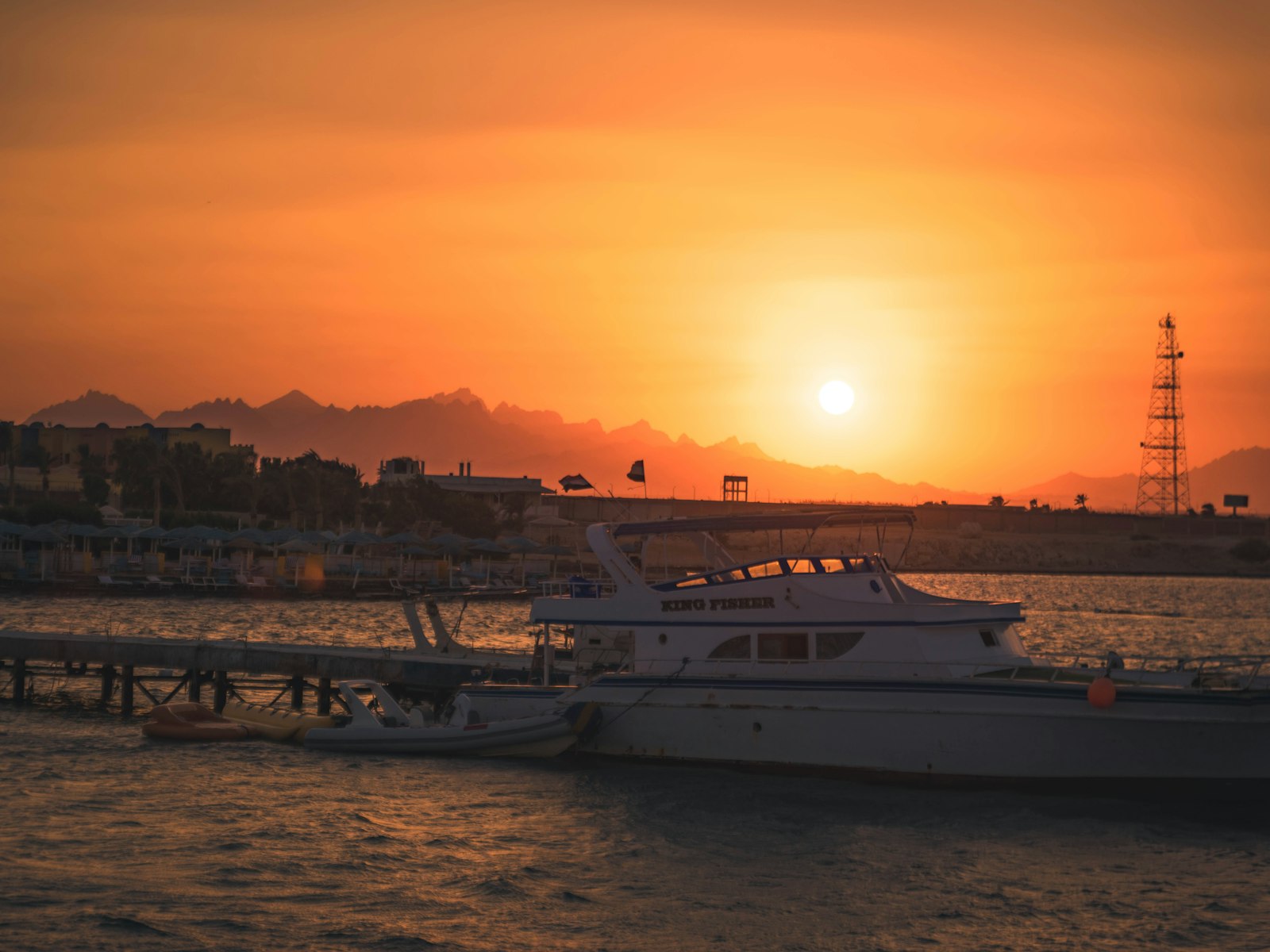
Hurghada
The diving capital on the Red Sea, with over 40 diving sites, the Giftun Islands and a lively nightlife on the Egyptian coast.
🏆 UNESCO Elephantine Island
The ancient frontier island on the Nile at Aswan, inhabited continuously for millennia, guards temples, a Nilometer and fascinating Nubian villages.
Al-Rifa'i Mosque
Majestic royal mosque of Cairo in neo-Mamluk style, the final resting place of the Egyptian royal family and of the Shah of Persia.
National Museum of Alexandria
An elegant Italian palace transformed into a museum that tells the millenary history of Alexandria through 1,800 artefacts from the pharaonic era to the modern age.
Dakhla Oasis
One of the most fascinating oases of the Egyptian Western Desert, with 14 ancient settlements, medieval villages, painted tombs and thermal springs.
 🏆 UNESCO
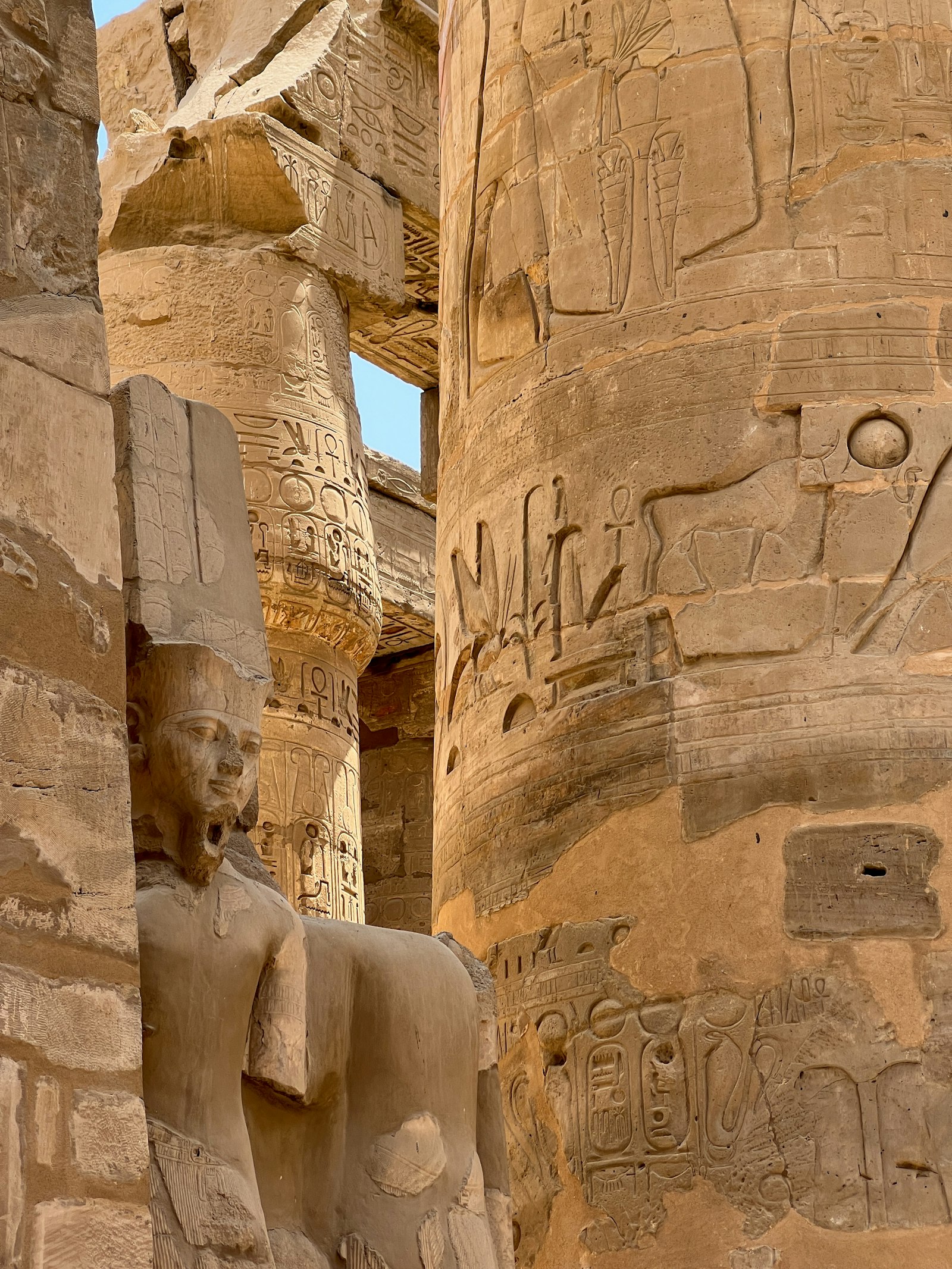
 Obelisk of Hatshepsut
The tallest obelisk still standing at Karnak, erected by the queen-pharaoh Hatshepsut in only seven months: a masterpiece of engineering in red granite from Aswan.
 🏆 UNESCO
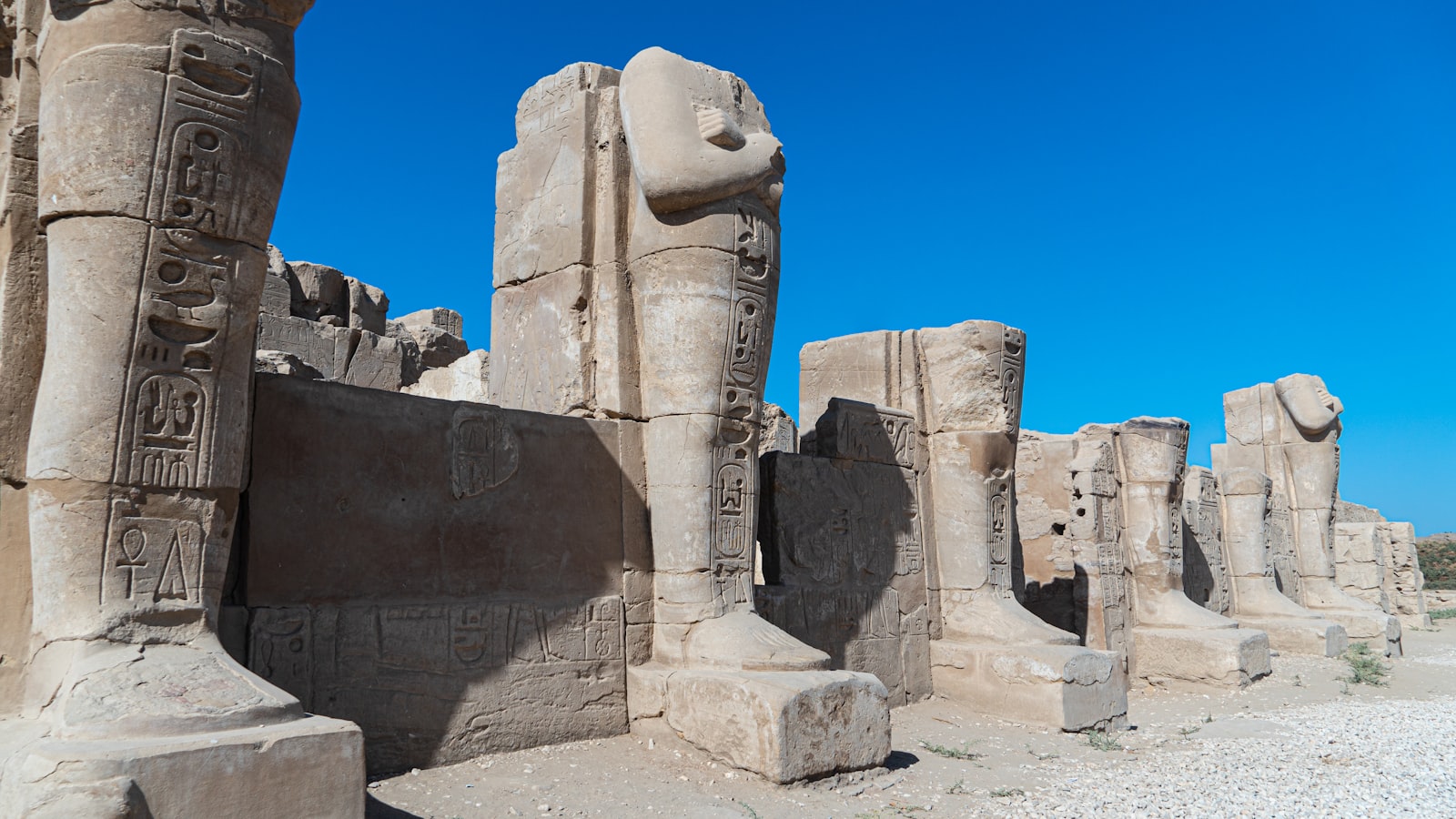
 Unfinished Obelisk
The gigantic obelisk never completed in the granite quarries of Aswan reveals the secrets of the extraction techniques of the ancient Egyptians.
Manial Palace
Sumptuous royal palace of the early 20th century on Roda Island, an eclectic mix of Ottoman, Moorish and Persian styles set in botanical gardens.
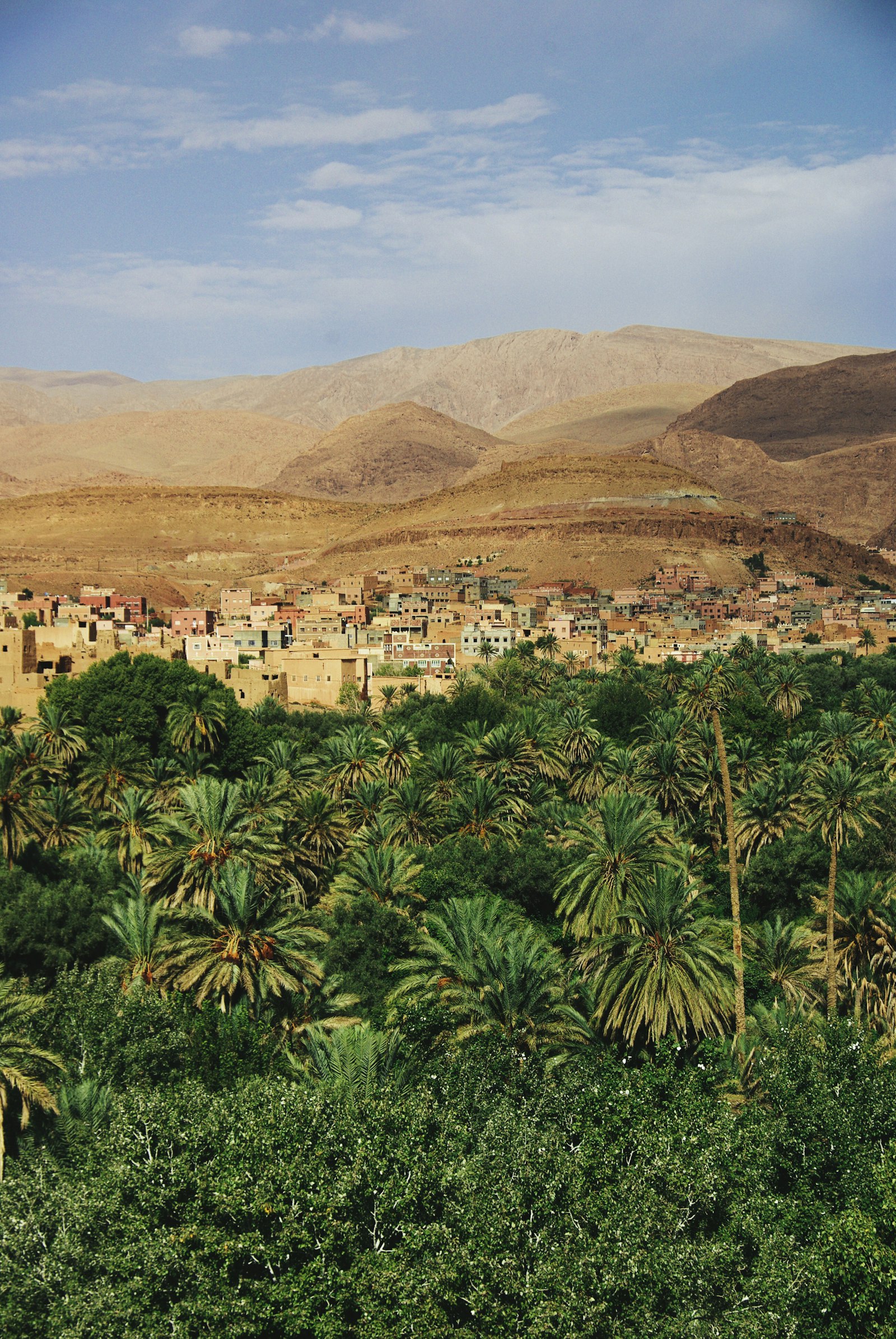
Palace and Gardens of Montaza
Sumptuous royal summer residence set in 150 acres of lush gardens overlooking the Mediterranean, an oasis of peace and beauty.
🏆 UNESCO Pyramid of Menkaure
The smallest of the three great pyramids of Giza, famous for its refined granite casing and the tragic loss of its sarcophagus at sea.
🏆 UNESCO Site of Memphis
The ruins of the ancient capital of unified Egypt, founded by the legendary pharaoh Menes over 5,000 years ago.
🏆 UNESCO Statue of Ramesses II at Memphis
The colossal limestone colossus of Ramesses II, a masterpiece of Egyptian sculpture preserved in the museum of Mit Rahina.
Tell el-Amarna (Akhetaten)
The ephemeral revolutionary capital of the heretic pharaoh Akhenaten, centre of the monotheistic cult of Aten and cradle of an unprecedented artistic revolution in ancient Egypt.
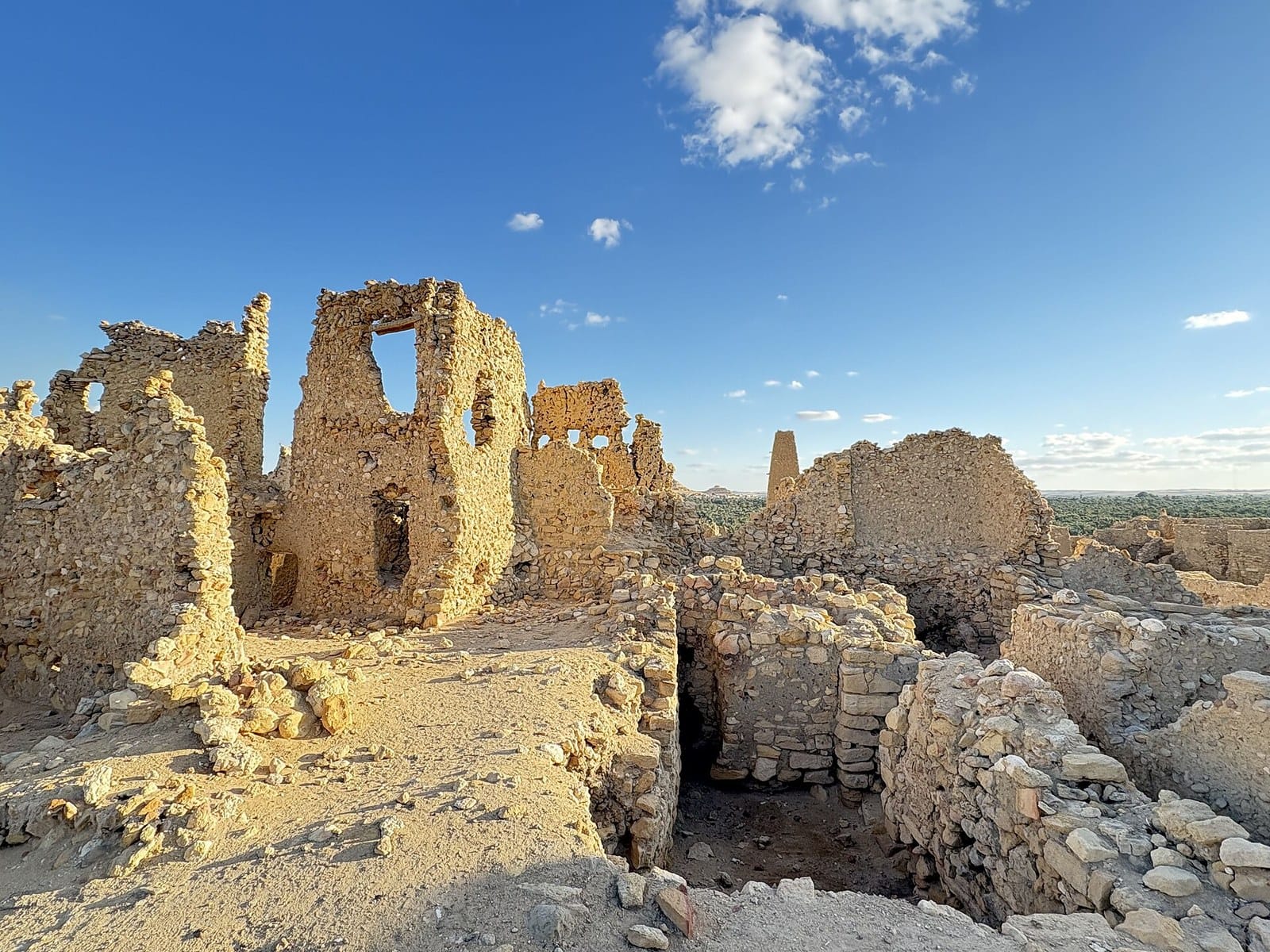
Temple of the Oracle of Amun
Ancient sanctuary on the hill of Aghurmi in Siwa, where Alexander the Great was proclaimed son of Amun-Ra in 331 BC, one of the most famous oracles of the ancient world.
🏆 UNESCO Tombs of the Nobles of Aswan
Rock necropolis on the western bank of the Nile at Aswan, with tombs of governors and nobles of the Old and Middle Kingdom carved into the hill of Qubbet el-Hawa.
🏆 UNESCO Tombs of the Nobles of Giza
The mastabas of the officials and nobles of the 4th and 5th dynasties, rich in polychrome reliefs illustrating daily life in ancient Egypt.
Wadi el-Gemal National Park
A nature reserve of 7,450 km² between desert and sea, with mangroves, pristine coral reefs and the ancient emerald mines of Cleopatra.
Wadi el-Natrun
The valley of the most ancient Coptic monasteries in the world, cradle of Christian monasticism, with four monasteries still active among salt lakes and desert.
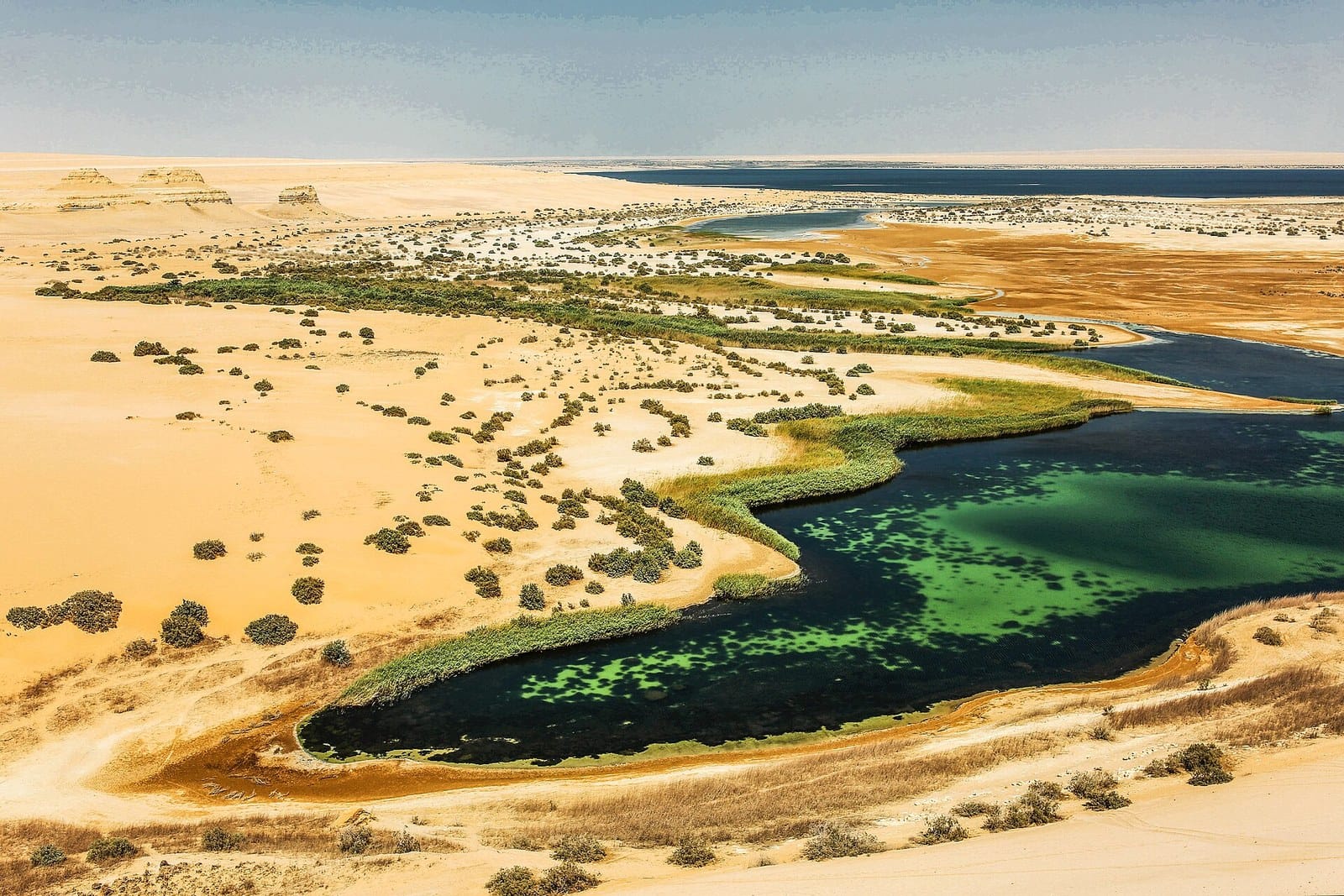
Wadi el-Rayan
Nature reserve with two artificial lakes connected by the only waterfalls in Egypt, a spectacular desert landscape and sands ideal for sandboarding.
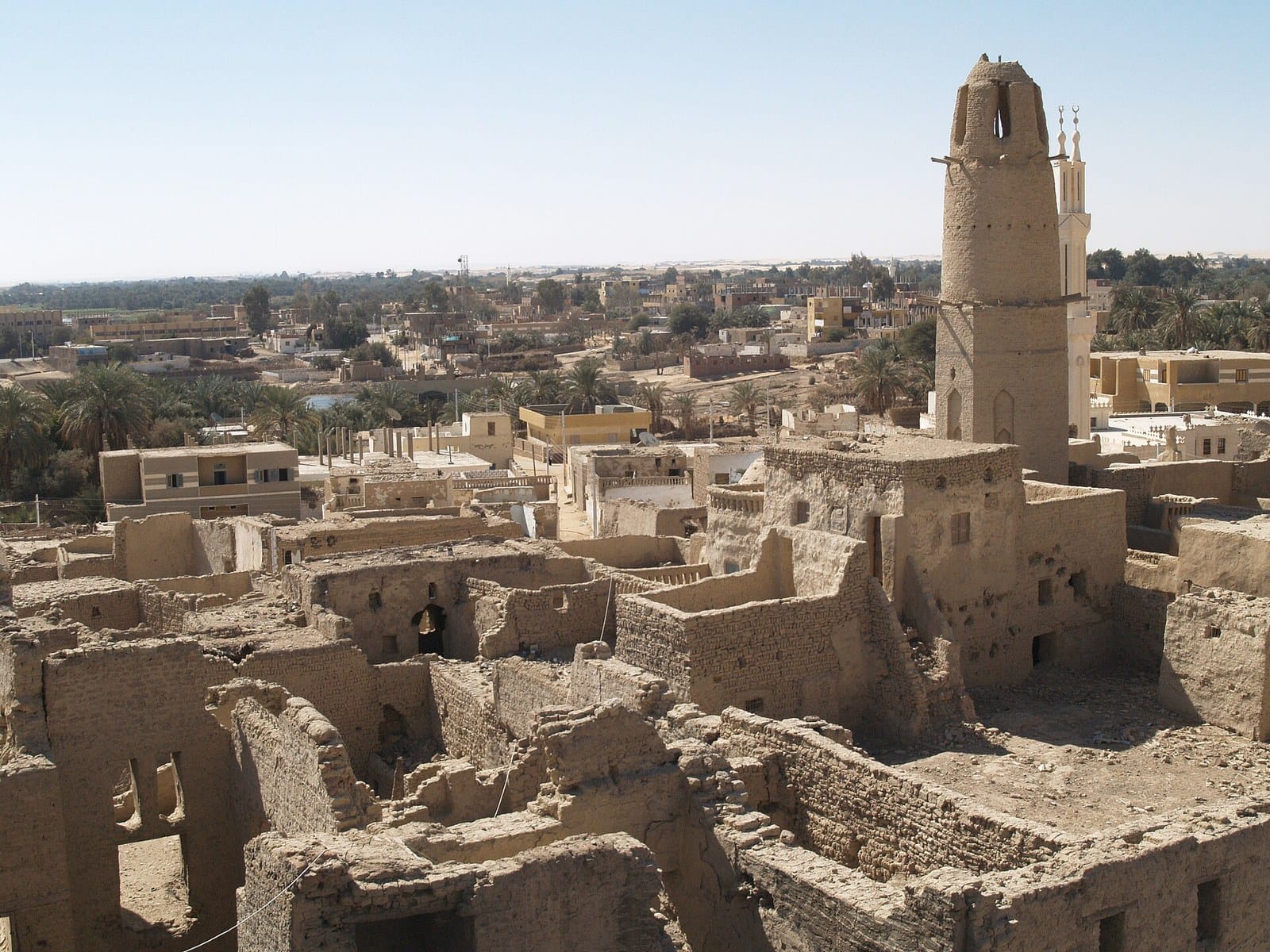
Al-Qasr – Medieval Village of Dakhla
A fascinating Islamic medieval village built on Roman and pharaonic foundations, with the most ancient Ayyubid minaret of the oases and perfectly preserved mud architecture.
🏆 UNESCO Bayt al-Suhaymi
The most beautiful Ottoman house in Cairo, a masterpiece of Islamic domestic architecture with mashrabiya, courtyards and gardens, today a venue for cultural events.
 🏆 UNESCO
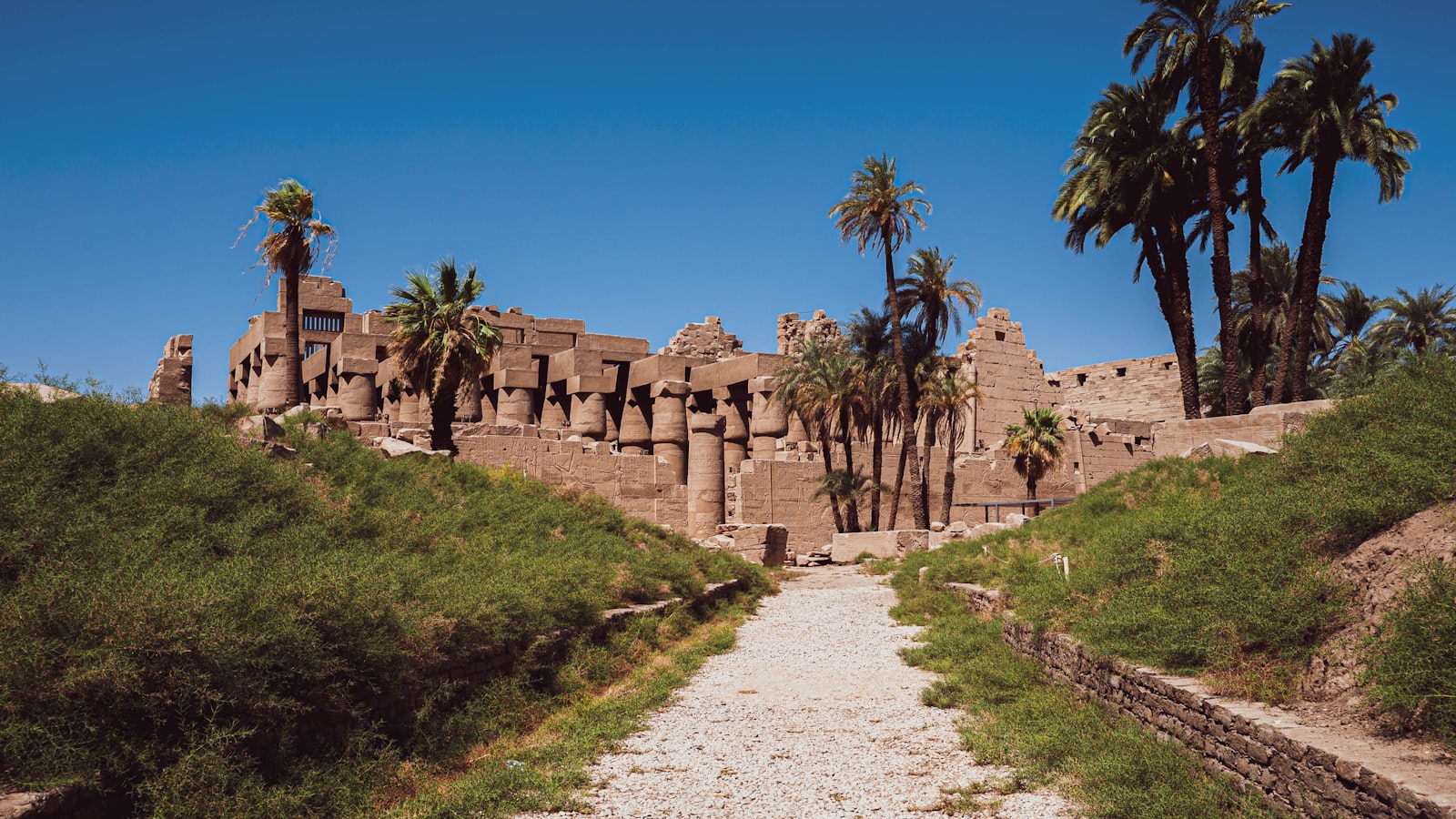
 White Chapel of Senusret I
Masterpiece of the Middle Kingdom reconstructed in the Open-Air Museum of Karnak, famous for its limestone reliefs of extraordinary finesse and for the list of the nomes of Egypt.
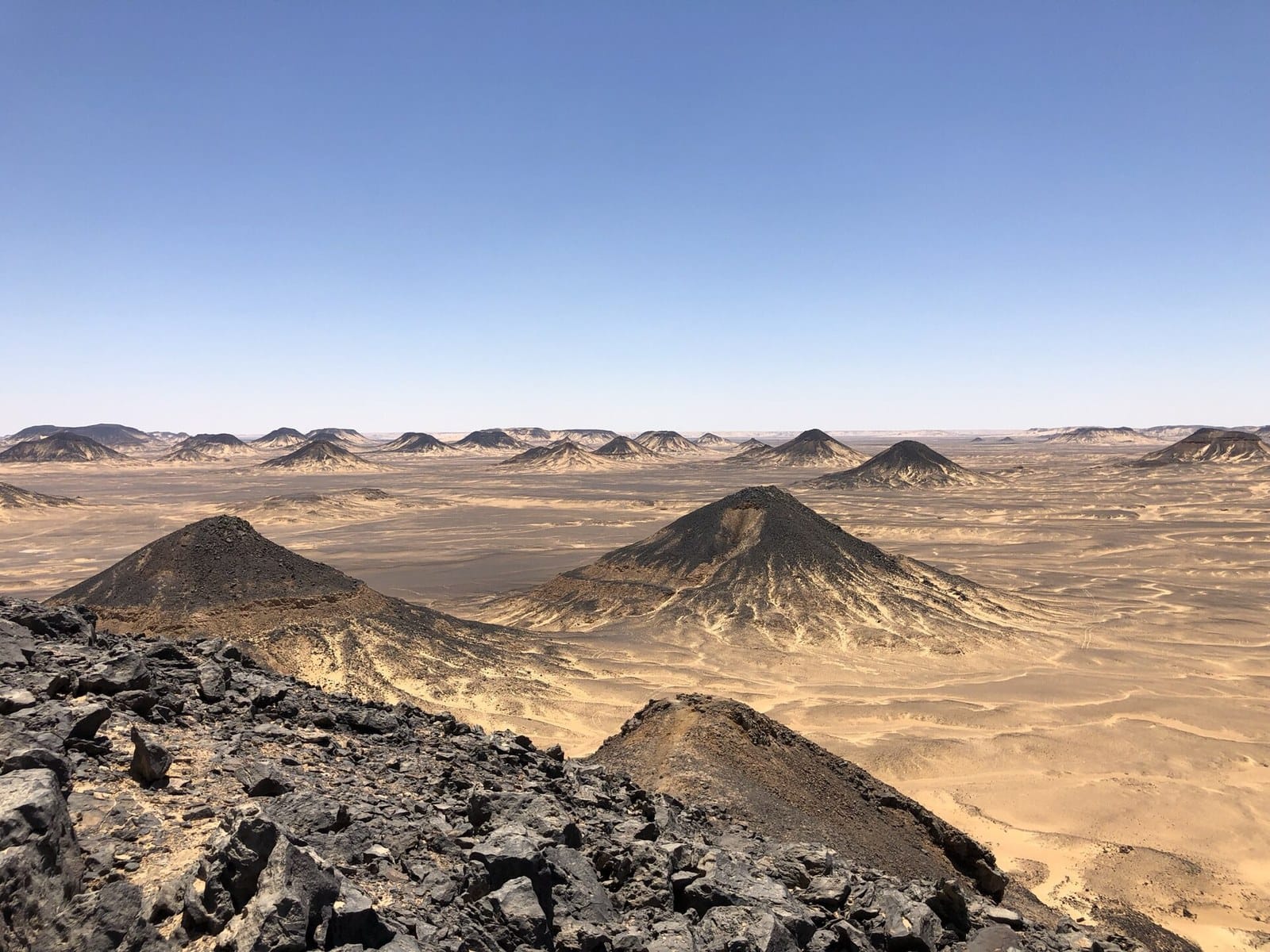
Black Desert
A unique volcanic landscape between Bahariya and Farafra, with hills covered in black basalt and dolerite that create a spectacular contrast with the golden sand of the Sahara.
El Alamein
The historic site of the decisive battle of the Second World War in North Africa, with commemorative war cemeteries and a military museum rich in relics.
🏆 UNESCO Fortress of Babylon
Ancient Roman fortress of the 1st century BC on the banks of the Nile, the foundation of the Coptic quarter and a strategic point for the control of Egypt.
Botanical Garden of Kitchener's Island
Splendid tropical botanical garden situated on an island in the Nile at Aswan, founded by Lord Kitchener with exotic plants from all over the world.
Monastery of Saint Simeon
The largest and best preserved Coptic monastery of Egypt, a fortress in the desert on the western bank of the Nile at Aswan.
🏆 UNESCO Mount Catherine
The highest peak in Egypt at 2,629 metres, sacred to the Christian tradition and wrapped in breathtaking panoramas in the heart of Sinai.
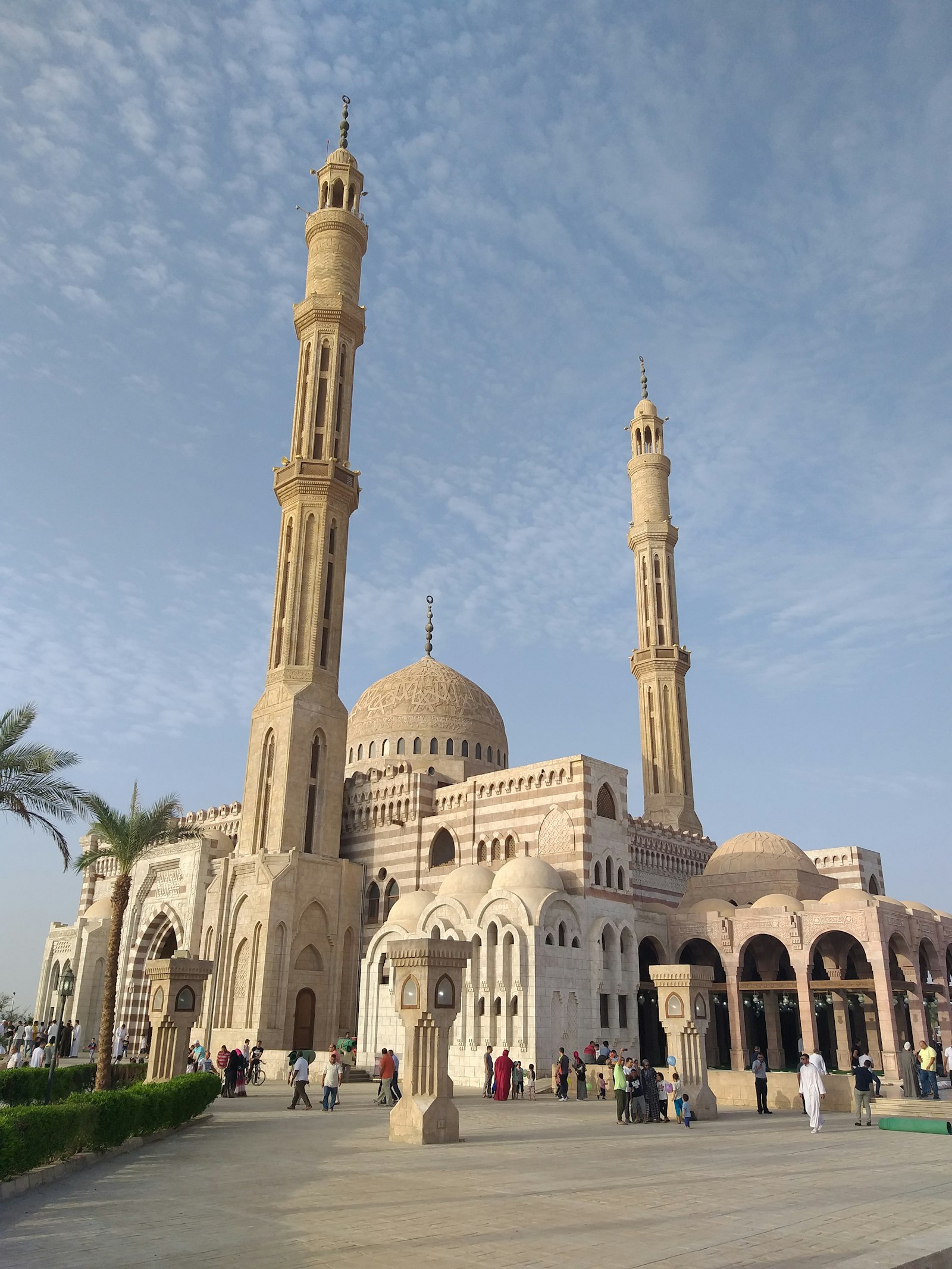
Mosque of Abu el-Abbas al-Mursi
The largest and most imposing mosque in Alexandria, dedicated to the venerated 13th-century Andalusian Sufi saint, a masterpiece of modern Islamic architecture.
Mummification Museum
The only museum in the world entirely dedicated to the art of Egyptian mummification, with tools, canopic jars, animal mummies and the mummy of the priest Masaharta.
Royal Jewellery Museum
A splendid Art Nouveau-style palace that houses the fabulous jewellery collection of the dynasty of Muhammad Ali, with over 11,500 precious pieces.
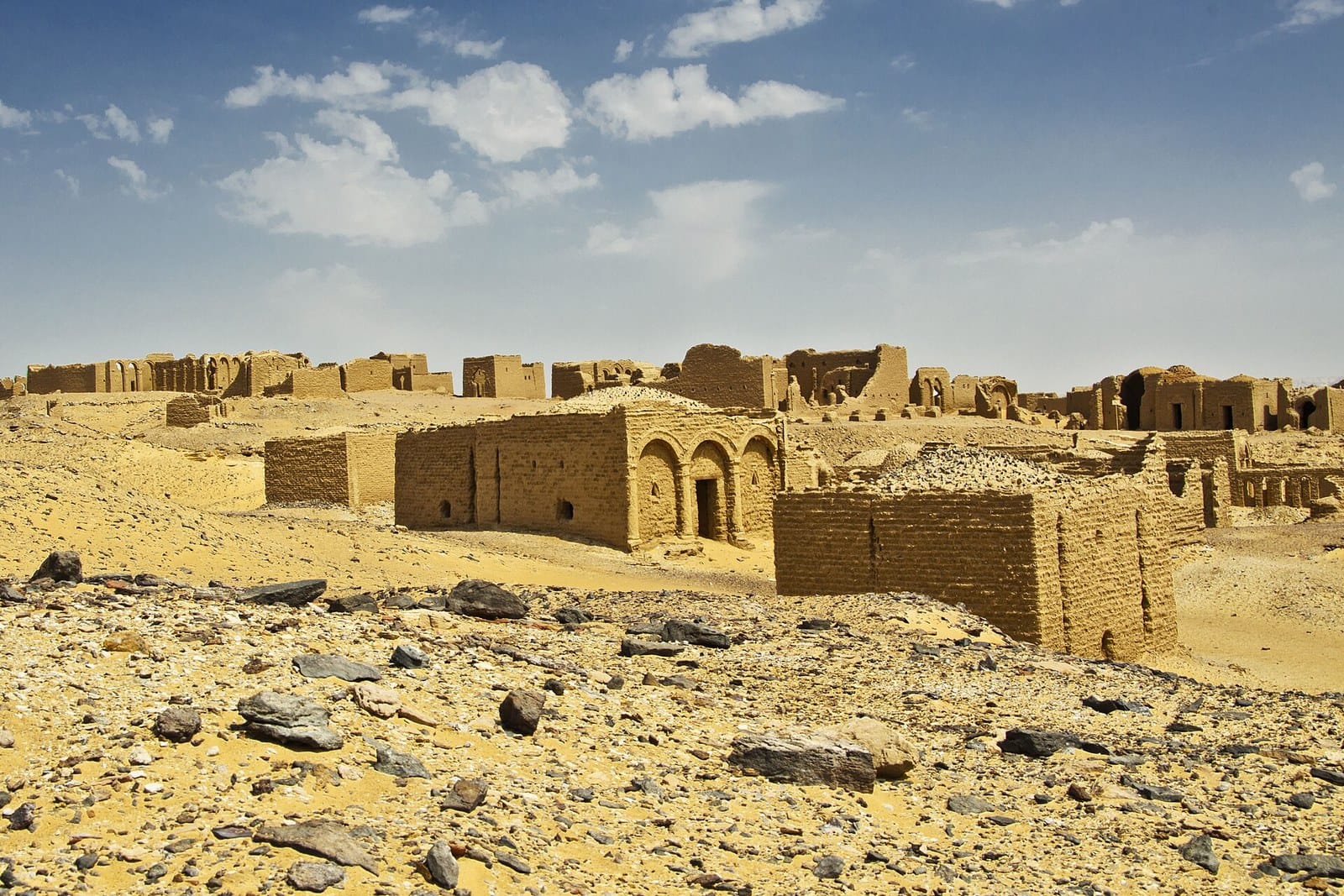
Necropolis of Bagawat
One of the most ancient and best-preserved Christian necropolises in the world, with 263 funerary chapels in mud brick and biblical frescoes of the 3rd-7th century AD.
Bahariya Oasis
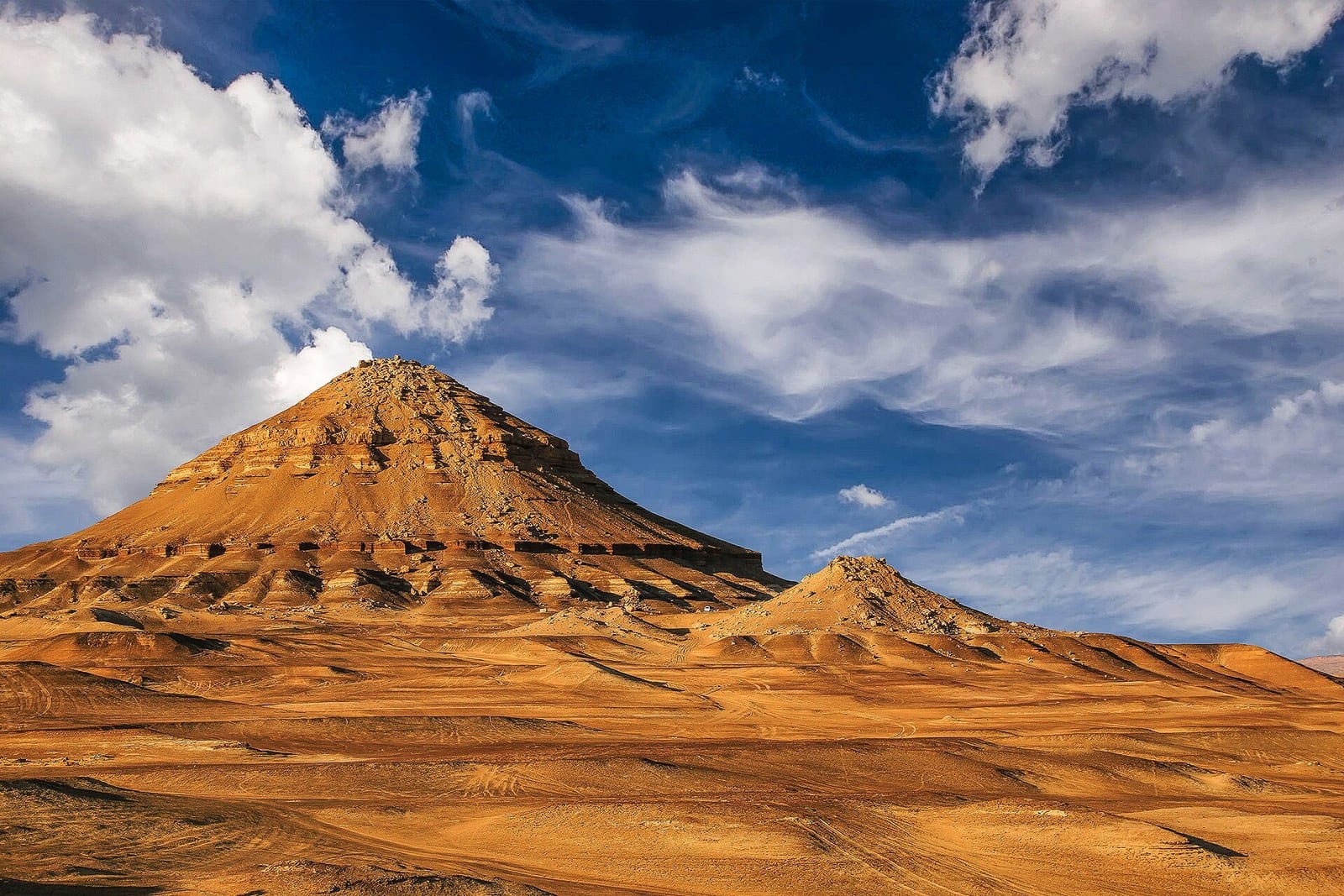
Fertile oasis in the Western Desert famous for the Valley of the Golden Mummies, thermal springs and as the gateway to the White Desert and the Black Desert.
Fayoum Oasis
The largest natural oasis of Egypt, a fertile area rich in millennia-old history, traditional water wheels and artisan villages just 90 km from Cairo.
Abdeen Palace
Sumptuous presidential palace in the heart of Cairo, built for Khedive Ismail with over 500 rooms and precious museum collections.
Ben Ezra Synagogue
The oldest synagogue of Cairo, famous for the discovery of the Cairo Geniza with 300,000 medieval manuscripts that revolutionised historiography.
Tanis
The ancient capital of Lower Egypt, where in 1939 royal tombs with gold treasures comparable to those of Tutankhamun were discovered, in the heart of the Nile Delta.
🏆 UNESCO Amada Temple
The oldest Egyptian temple in Nubia, built by Thutmose III and Amenhotep II, famous for its reliefs of extraordinary finesse and its integral movement on rails.
Temple of Esna
The Temple of Khnum at Esna, a Ptolemaic-Roman jewel buried nine metres below street level, famous for its recently restored astronomical ceiling.
🏆 UNESCO Temple of Kalabsha
The largest free-standing temple of Lower Nubia, dedicated to the Nubian solar god Mandulis, rebuilt near the Aswan Dam after its rescue from the waters of Lake Nasser.
White Canyon
The spectacular white limestone canyon near the oasis of Ain Khudra, a natural masterpiece in the desert of eastern Sinai.
Roman Amphitheatre of Kom el-Dikka
The only Roman amphitheatre discovered in Egypt, with 13 rows of marble seating and perfectly preserved acoustics.
Pompey's Pillar
An imposing column of red granite almost 27 metres high, erected in honour of the emperor Diocletian among the ruins of the ancient Serapeum.
Aswan Dam
The monumental high dam on the Nile, built with Soviet cooperation in the 1960s, transformed the economy and geography of modern Egypt.
Fortress of Taba
The imposing Crusader fortress on Pharaoh's Island, rebuilt by Saladin in 1170, with a spectacular view over four nations.
Gebel el-Silsila
The ancient sandstone quarries where the Nile narrows between rocky cliffs, studded with rock shrines, pharaonic stelae and hundreds of millennia-old inscriptions.
🏆 UNESCO Sacred Lake of Karnak
The vast sacred rectangular basin within the Karnak complex, used by priests for ritual purifications and symbol of the primordial waters of Nun.
Marsa Matruh
The enchanting seaside city on the Mediterranean coast of Egypt, famous for the turquoise beaches, Cleopatra's Beach and Rommel's cave.
White and Red Monasteries of Sohag
Two ancient Coptic monasteries of the 5th century, extraordinary witnesses of early Egyptian Christianity, with restored frescoes of rare beauty and architecture that fuses pharaonic and Christian tradition.
Mosque of Sayyed Ahmed el-Badawi
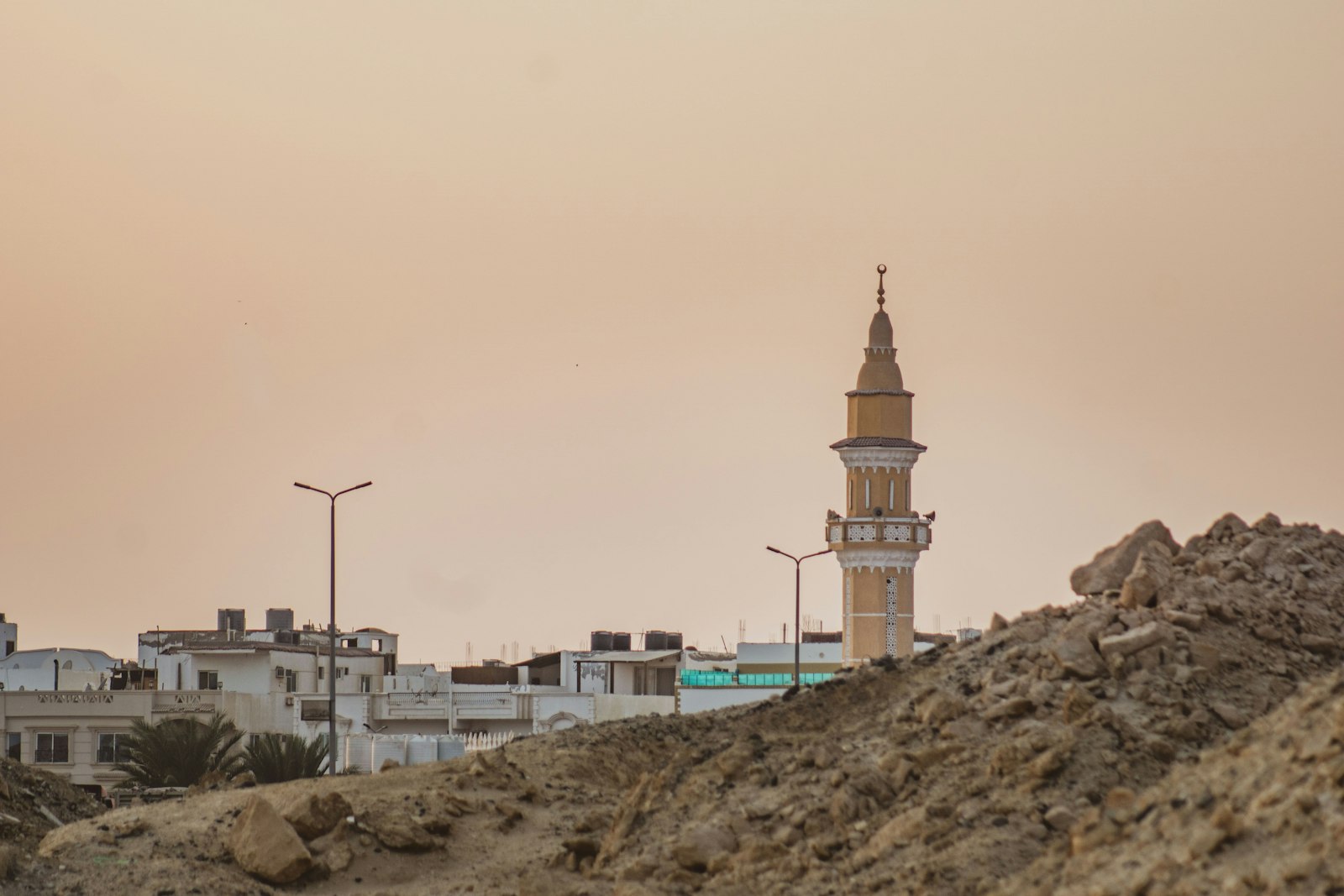
The most important mosque of the Nile Delta, centre of the largest moulid (religious festival) in Egypt with over three million participants every October.
🏆 UNESCO Nilometer
Ancient device for measuring the Nile floods on Roda Island, the most ancient surviving Islamic monument in Cairo.
Farafra Oasis
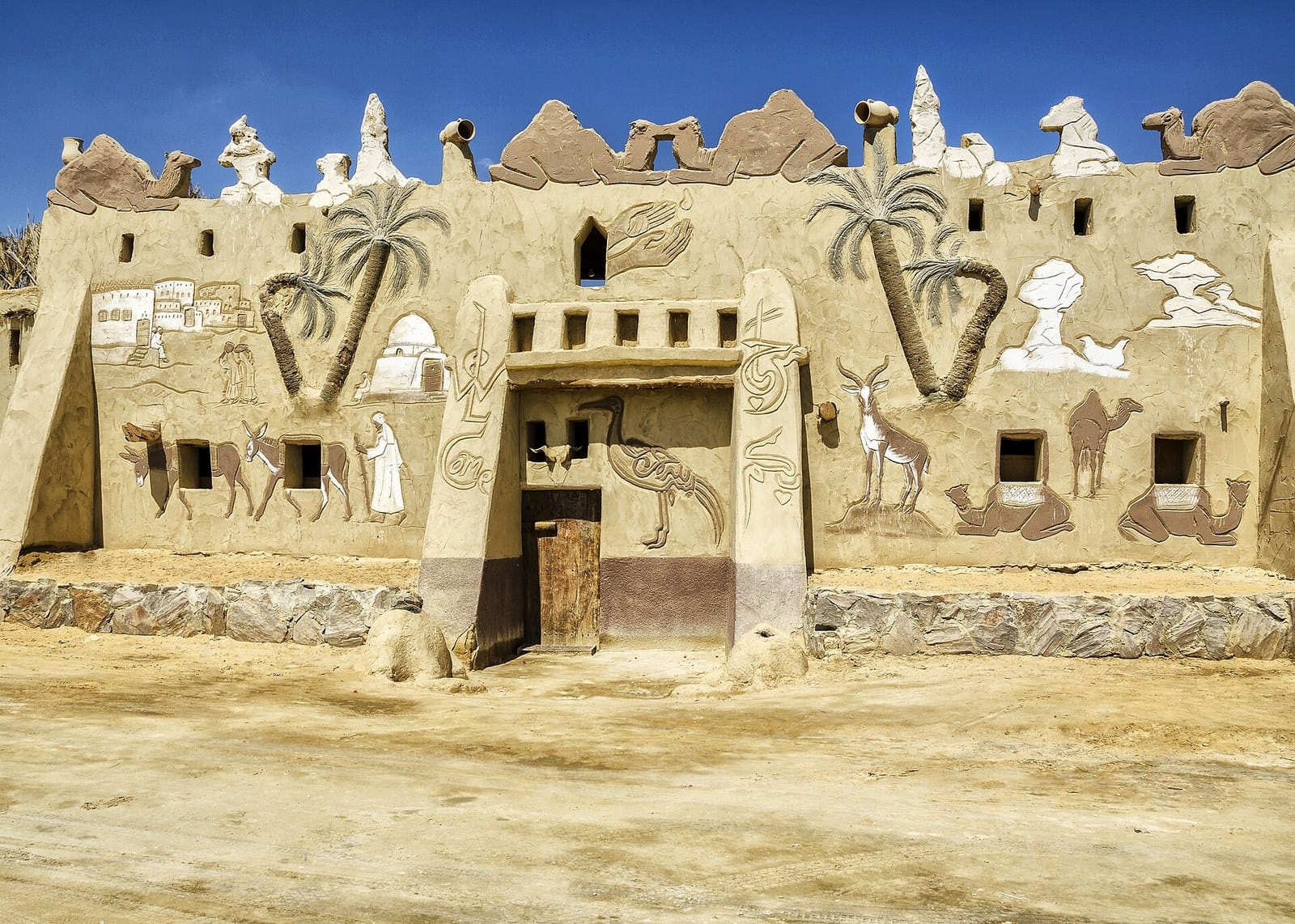
The smallest and most isolated of the great oases of the Western Desert, gateway to the White Desert, with the evocative Badr Museum, the historic adobe village and hot springs.
Kharga Oasis
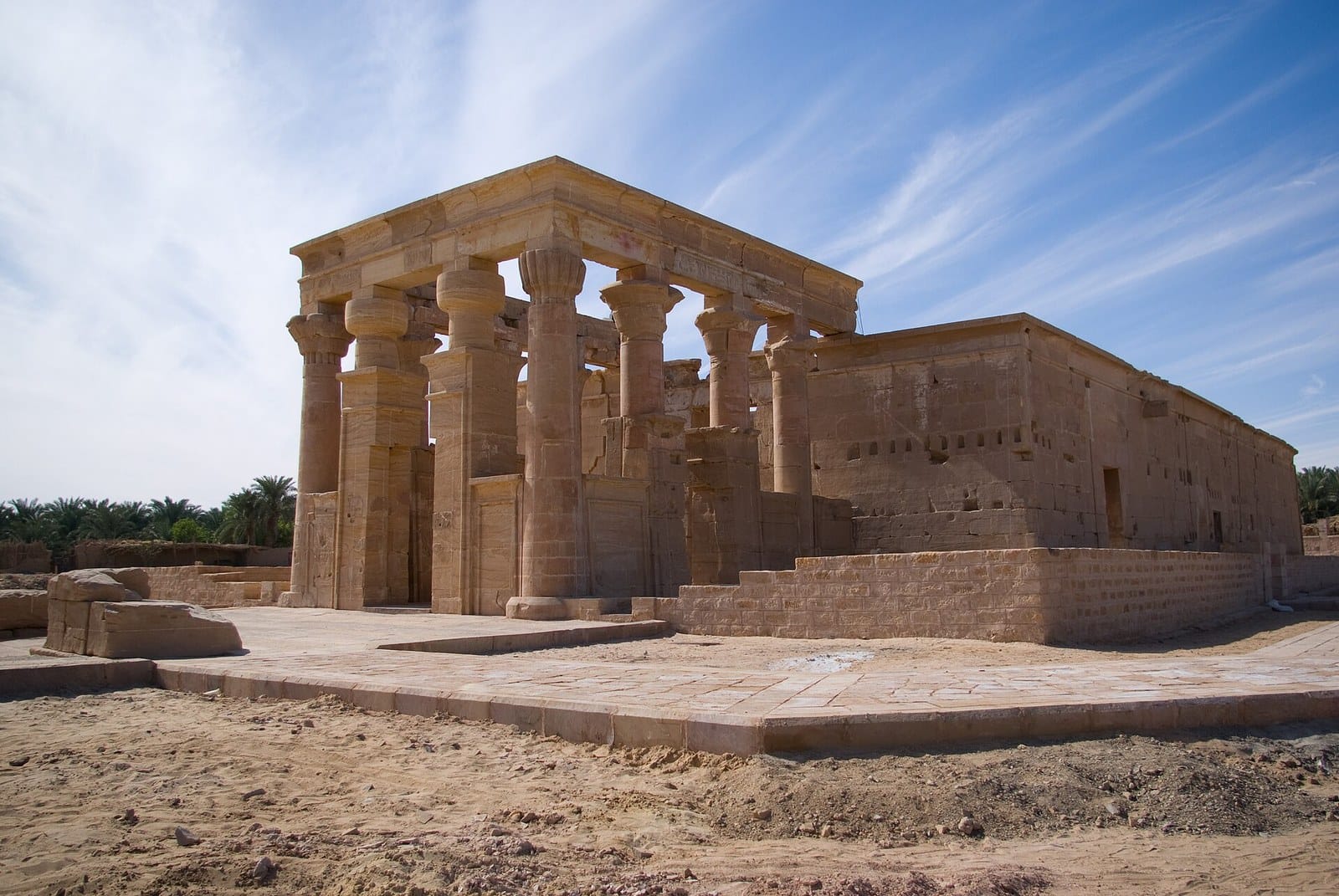
The largest oasis of the Egyptian Western Desert, rich in Roman fortresses, Persian aqueducts and with the celebrated New Valley Museum along the historic Darb el-Arba'in.
🏆 UNESCO Pyramids of the Queens of Giza
The three small satellite pyramids at the foot of the Great Pyramid, dedicated to the queens Hetepheres I, Meritites I and Henutsen, wives and mother of Khufu.
Port Ghalib
International marina and luxury resort on the Red Sea coast, a privileged departure point for diving on the most spectacular reefs of the south.
Rosetta
The city where the famous Rosetta Stone was discovered, a jewel of Ottoman architecture with the most beautiful historic houses of Egypt, at the mouth of the Nile.
Temple of Hibis
The only well-preserved temple of the Persian period in all of Egypt, dedicated to the god Amun and built under Darius I in the remote Kharga Oasis.
🏆 UNESCO Temple of Khnum
The temple dedicated to the ram-headed god who created humanity on his potter's wheel, located on Elephantine Island in Aswan.
 🏆 UNESCO
 Temple of Khonsu
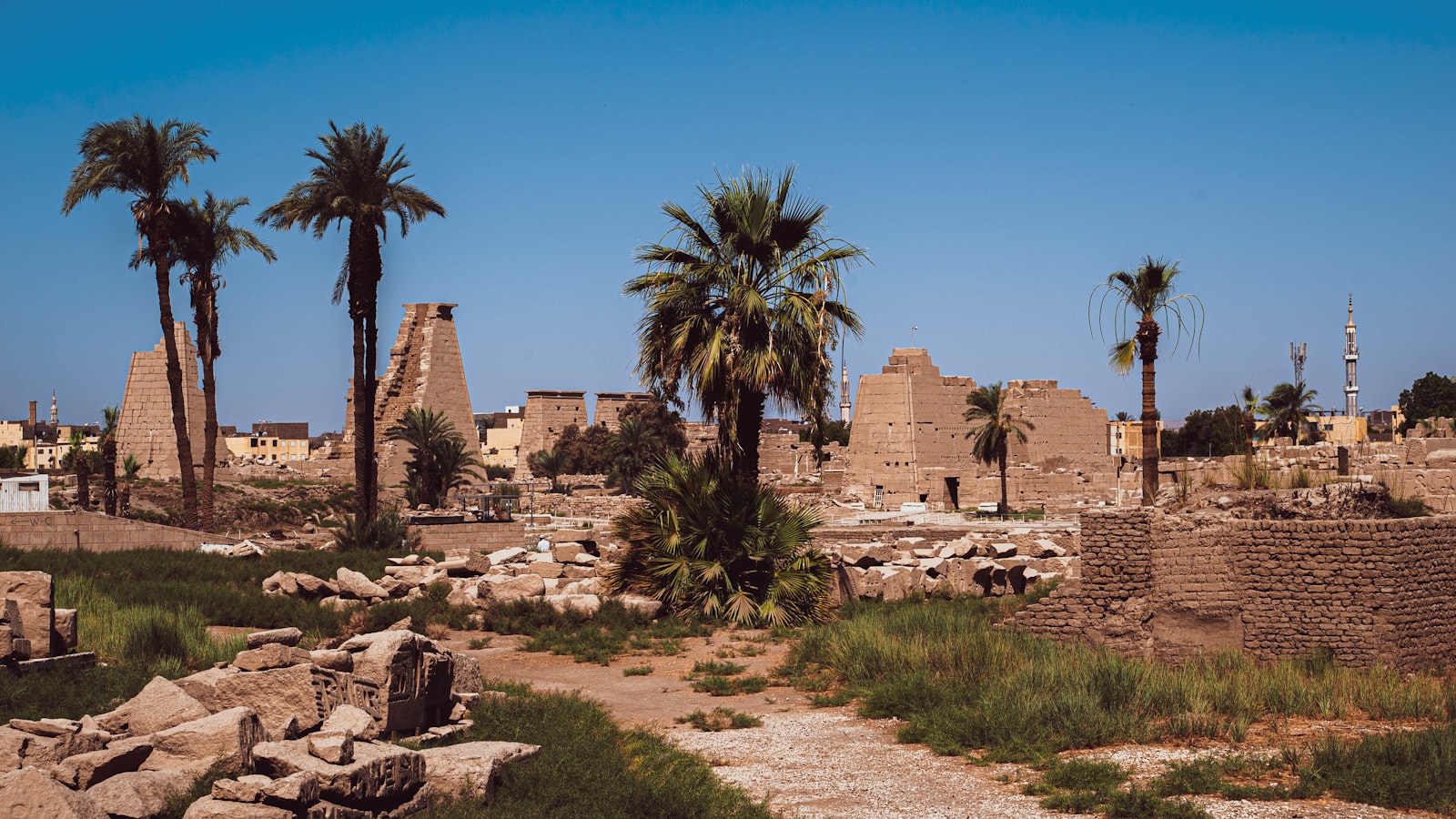
Temple dedicated to the moon god Khonsu, son of Amun and Mut, a perfectly preserved example of Egyptian temple architecture within the Karnak complex.
🏆 UNESCO Temple of Mut
The sacred precinct of the goddess Mut in the Karnak complex, with the crescent-shaped sacred lake Isheru and over 700 statues of the goddess Sekhmet.
🏆 UNESCO Temple of Seti I at Gurna
The mortuary temple of Seti I on the west bank of Luxor, famous for its refined bas-relief carvings and its unusual L-shaped plan, completed by his son Ramesses II.
🏆 UNESCO Temple of Wadi es-Sebua
Majestic temple of Ramesses II in the Valley of the Lions on the shores of Lake Nasser, with an evocative avenue of sphinxes and pharaonic reliefs converted in the Christian era.
Cairo Tower
The iconic reinforced concrete tower, 187 metres high in the shape of a lotus flower, with a revolving restaurant and 360° panoramic view of the city.
Tuna el-Gebel
The sacred necropolis of Hermopolis with the Greco-Egyptian tomb of Petosiris, millions of mummified animals in the catacombs of the ibises and baboons, and a boundary stele from the Amarna era.
El Kab
The ancient Nekheb, sacred city of the vulture goddess Nekhbet, patroness of Upper Egypt, with imposing mud-brick walls and splendidly decorated rock tombs.
House of Howard Carter
The historic residence of the archaeologist Howard Carter on the West Bank of Luxor, today a museum dedicated to the discovery of the tomb of Tutankhamun and to the life of the British explorer.
Sehel Island
Granite island in the Nile south of Aswan, with over 250 millennial rock inscriptions and the famous Famine Stela, reachable by felucca.
Lake Qarun
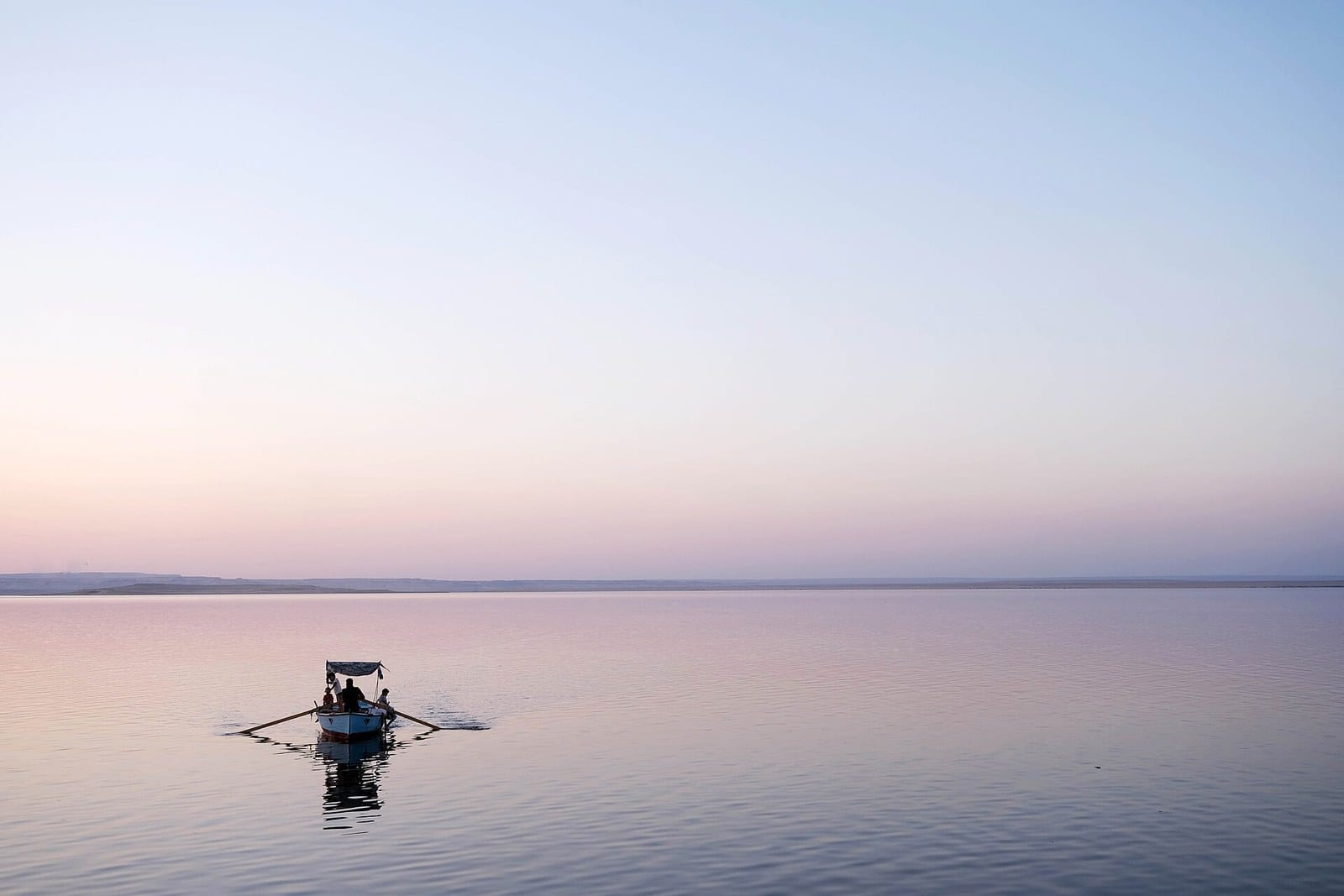
Ancient remnant of Lake Moeris, Lake Qarun is a paradise for birdwatching and a site of great archaeological interest in the heart of the Fayoum oasis.
Pyramid of Hawara and the Labyrinth
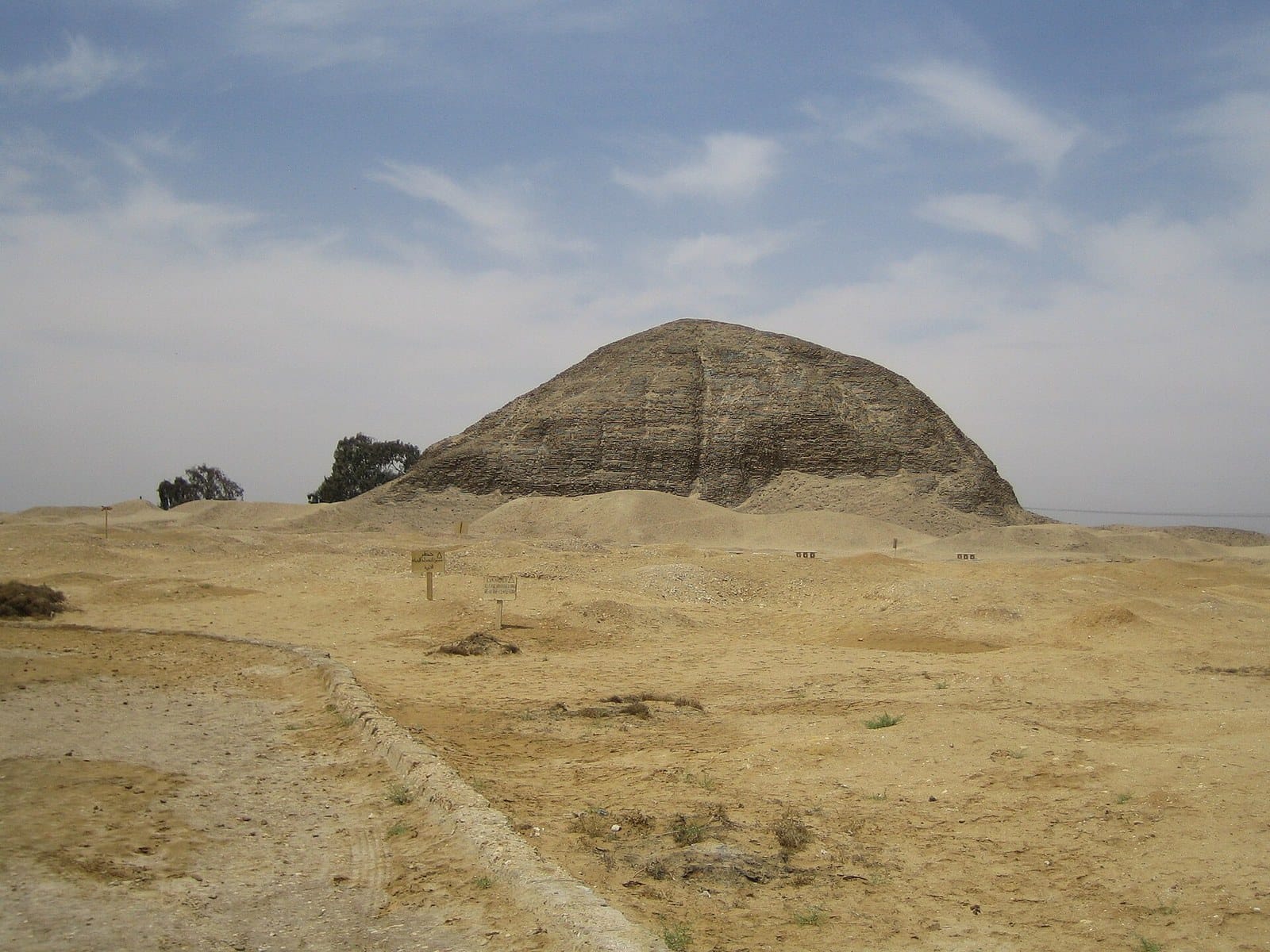
The pyramid of Amenemhat III and the remains of the legendary Labyrinth, described by Herodotus as more impressive than the pyramids themselves, in the heart of the Fayoum.
Port Said
The lively port city at the northern mouth of the Suez Canal, founded in 1859, rich in colonial architecture and maritime history.
🏆 UNESCO Precinct of Montu
The northern enclosure of the Karnak complex, dedicated to the falcon war god Montu, with ruins of great historical value and ongoing French excavations.
Serabit el-Khadim
The ancient Egyptian turquoise mining site with the temple of Hathor and the proto-Sinaitic inscriptions, at the origin of the alphabet.
Serapeum of Alexandria
The ruins of the great temple dedicated to the syncretic god Serapis, spiritual heart of Ptolemaic Alexandria and seat of the daughter library.
🏆 UNESCO Beit el-Wali Temple
Small but richly decorated rock temple of Ramesses II in Lower Nubia, celebrated for its vivid battle scenes and remarkably preserved original colours.
🏆 UNESCO Temple of Dakka
A Ptolemaic-Roman temple dedicated to the god Thoth on the shores of Lake Nasser, unique for its reversed orientation and its mighty pylon visible from a great distance.
Old Quseir (El Quseir)
Ancient port of Myos Hormos on the trade routes to India, with an Ottoman fortress, coral-block houses and an atmosphere of authentic Red Sea.
Wadi Feiran
The largest oasis of the Sinai, biblical place of the battle with the Amalekites and seat of an ancient Christian diocese of the fifth century.
Hermopolis Magna (El Ashmunein)
The ancient sacred city of the god Thoth, keeper of the cosmogonic myth of the Ogdoad and centre of wisdom of ancient Egypt, with the colossal baboons of Amenhotep III and a unique early Christian basilica.
Hierakonpolis
The ancient Nekhen, first capital of Upper Egypt and place of the discovery of the famous Narmer Palette, cradle of pharaonic civilisation.
Ismailia
Known as the 'City of Beauty', Ismailia is the administrative heart of the Suez Canal, rich in gardens, colonial architecture and overlooking Lake Timsah.
Mons Claudianus
The imposing Roman granodiorite quarries in the Egyptian Eastern Desert, which supplied the columns of the Pantheon and the Forum of Trajan in Rome.
Nawamis
Mysterious prehistoric funerary structures dating to 4500-3500 BC, among the most ancient stone buildings of the Middle East.
Qasr Qarun
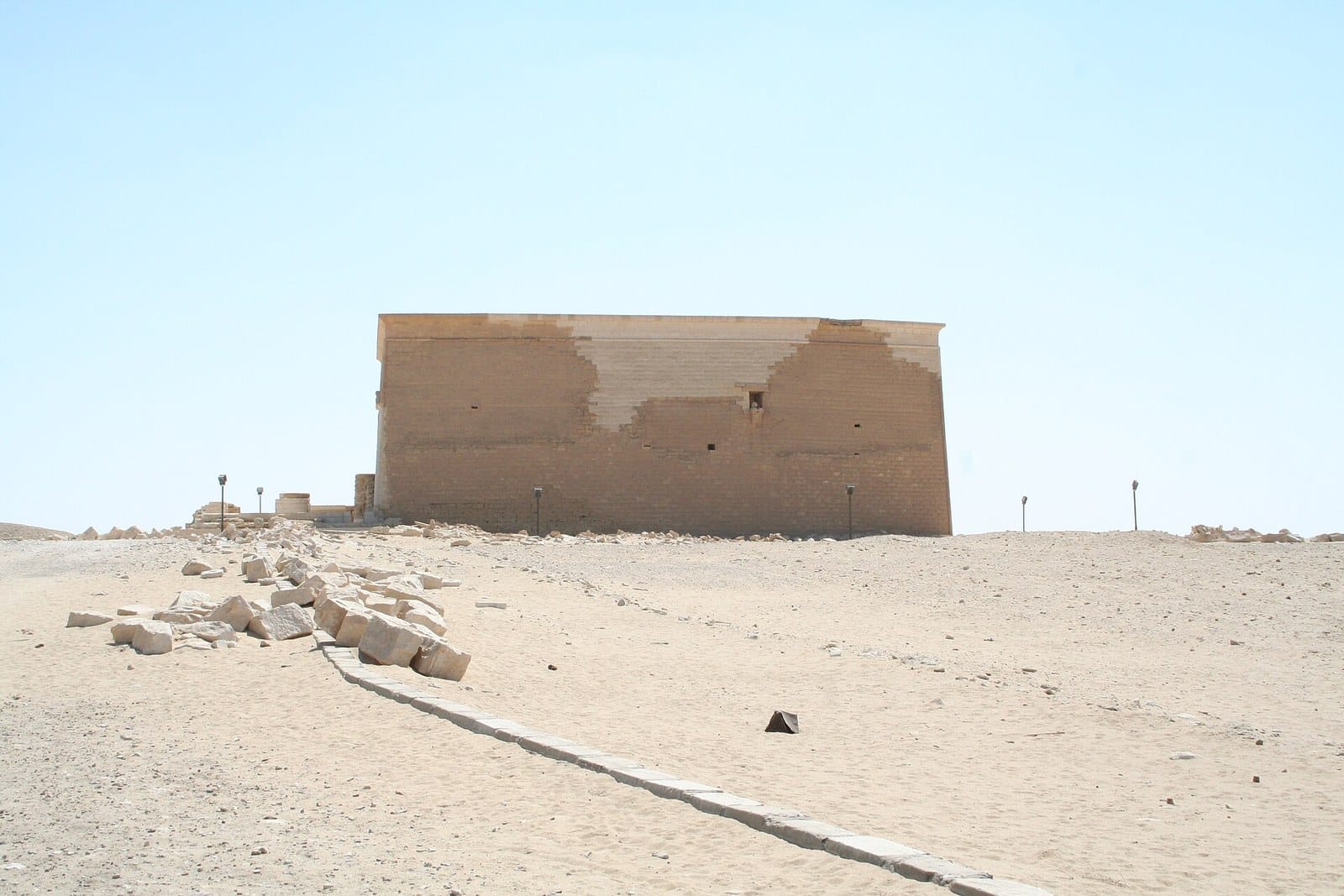
Ptolemaic temple dedicated to the crocodile god Sobek, unique for its two-storey structure and labyrinthine system of interior rooms, on the edges of the Fayoum desert.
Temple of Athribis
An imposing Ptolemaic temple dedicated to Min-Ra and Repyt, recently brought to light by archaeological excavations that continue to reveal extraordinary discoveries.
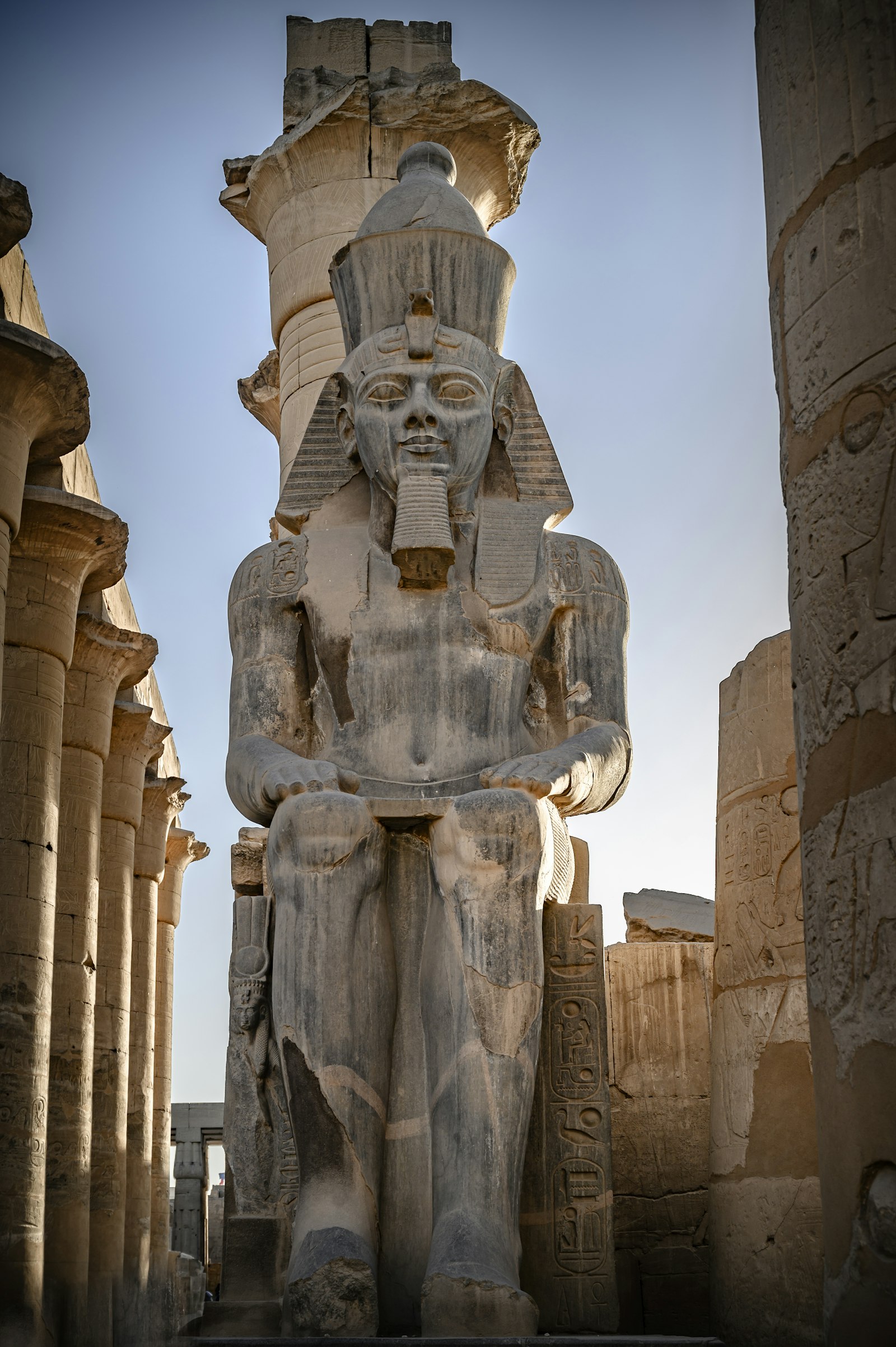 🏆 UNESCO
 Temple of Merenptah
The funerary temple of pharaoh Merenptah on the western bank of Luxor, home of the famous Merenptah Stele (Israel Stele) and today an open-air museum with finds of great value.
Wadi Hammamat
The ancient trade route between the Nile and the Red Sea, with its bekhen stone quarries, over 400 rock inscriptions and the oldest geological map in the world.
Bubastis
The ancient city sacred to the cat goddess Bastet, with the ruins of the great temple and the cat necropolis, in the heart of the Nile Delta.
Fraser Tombs (Deir el-Bersha)
Middle Kingdom rock tombs carved into the cliffs above the Nile, famous for the scene of the transport of a colossal statue in the tomb of Djehutihotep.
Marina El Alamein
The evocative Greco-Roman archaeological site on the Mediterranean coast, with Roman villas, mosaics and the ancient temple of Isis discovered during the construction of modern resorts.
Mons Porphyrites (Gebel Dokhan)
The world's only source of Roman imperial porphyry, the precious purple stone reserved for the sarcophagi and columns of the emperors.
Suez Canal Museum
The museum that recounts the extraordinary epic of the construction of the Suez Canal, from the pharaonic attempts to the modern expansion, with unique relics and historical documents.
Mallawi Museum
A regional museum in the province of Minya that houses extraordinary artefacts from Hermopolis and Tuna el-Gebel, from the mummies of sacred animals to Greco-Roman funerary portraits.
Merimde Beni Salama
The oldest known settlement of Lower Egypt, a Neolithic village dating to 5000-4100 BC with the first traces of agriculture, ceramics and the most ancient human sculpture of Egypt.