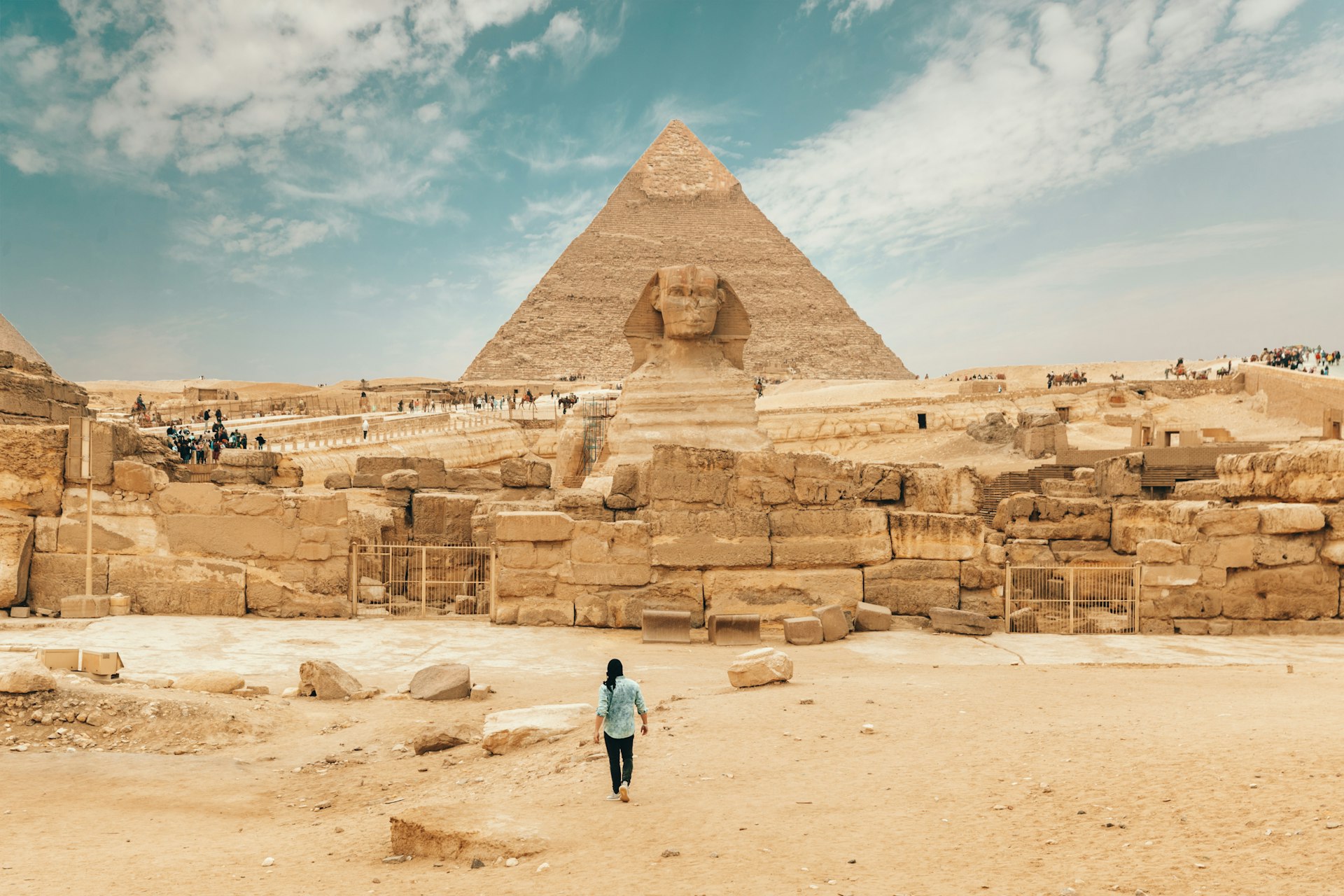
Aswan
Gateway to Nubia, with the dam, the Temple of Philae and feluccas on the Nile.
What to See in Aswan
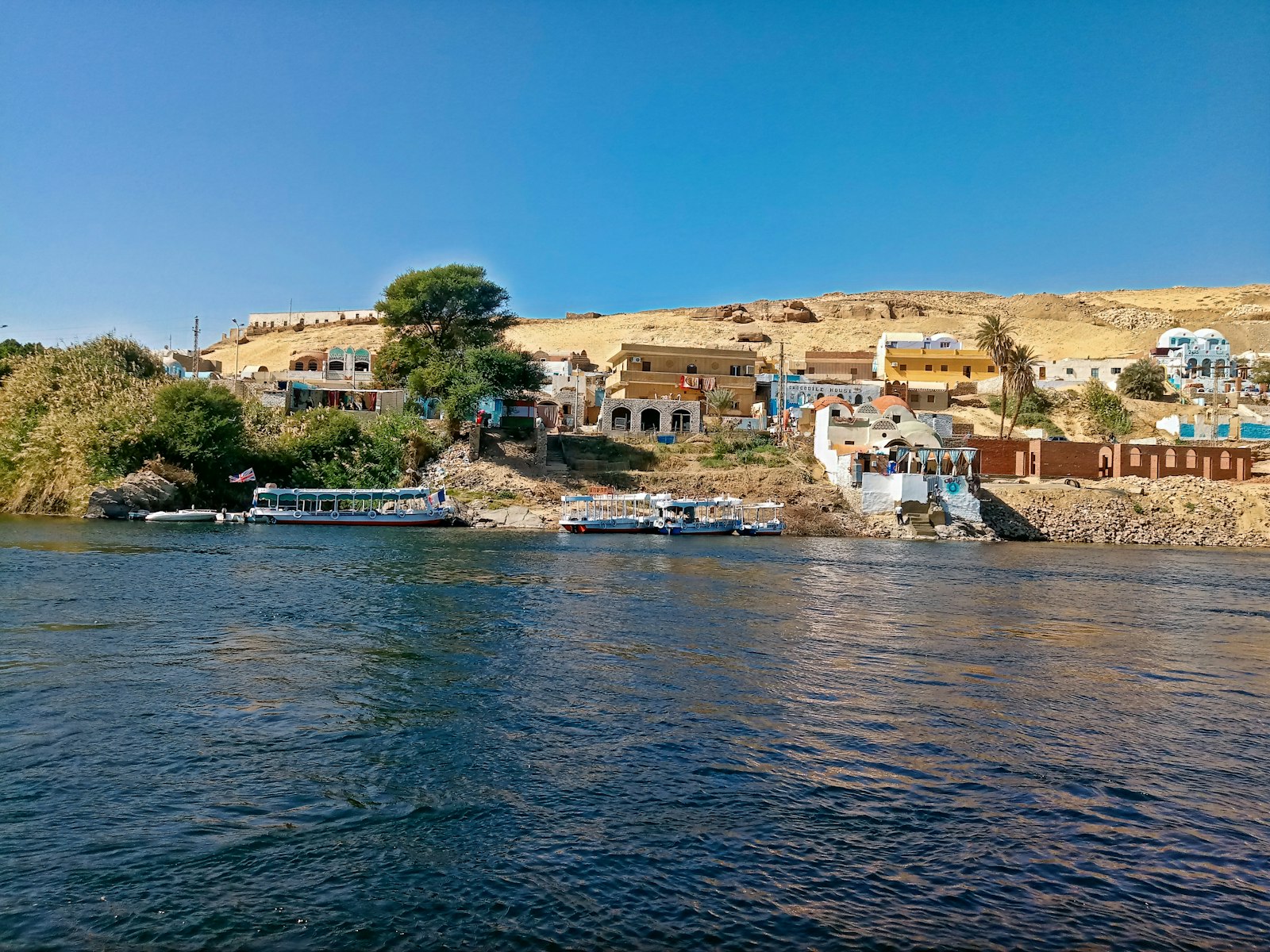
Aswan Dam
The monumental high dam on the Nile, built with Soviet cooperation in the 1960s, transformed the economy and geography of modern Egypt.
Botanical Garden of Kitchener's Island
Splendid tropical botanical garden situated on an island in the Nile at Aswan, founded by Lord Kitchener with exotic plants from all over the world.
Sehel Island
Granite island in the Nile south of Aswan, with over 250 millennial rock inscriptions and the famous Famine Stela, reachable by felucca.
🏆 UNESCO Elephantine Island
The ancient frontier island on the Nile at Aswan, inhabited continuously for millennia, guards temples, a Nilometer and fascinating Nubian villages.
Monastery of Saint Simeon
The largest and best preserved Coptic monastery of Egypt, a fortress in the desert on the western bank of the Nile at Aswan.
Nubian Museum
The award-winning museum of Aswan that tells the millenary Nubian civilisation from prehistory to the present day, preserving artefacts saved from the submersion of Lake Nasser.
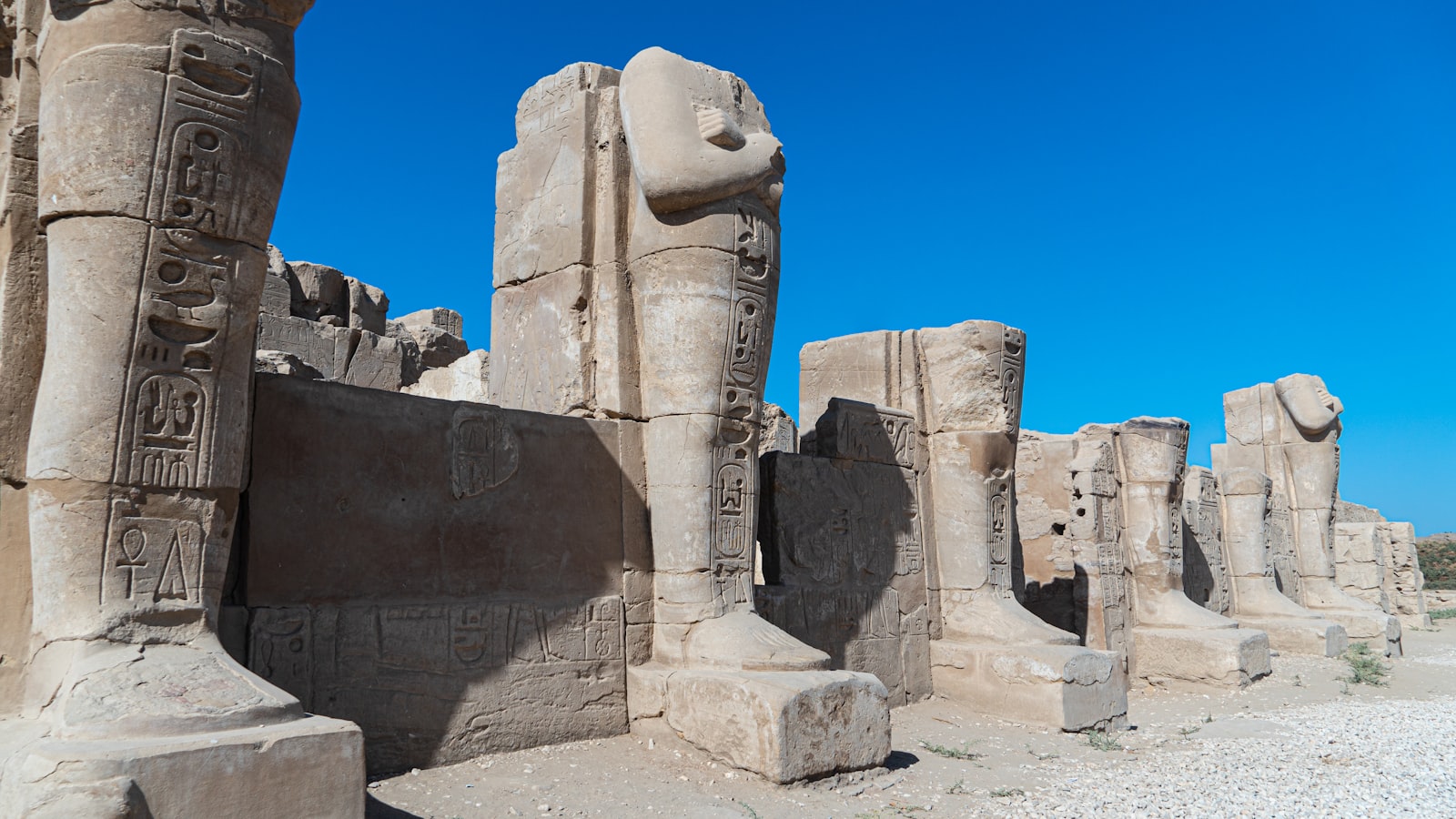 🏆 UNESCO
 Unfinished Obelisk
The gigantic obelisk never completed in the granite quarries of Aswan reveals the secrets of the extraction techniques of the ancient Egyptians.
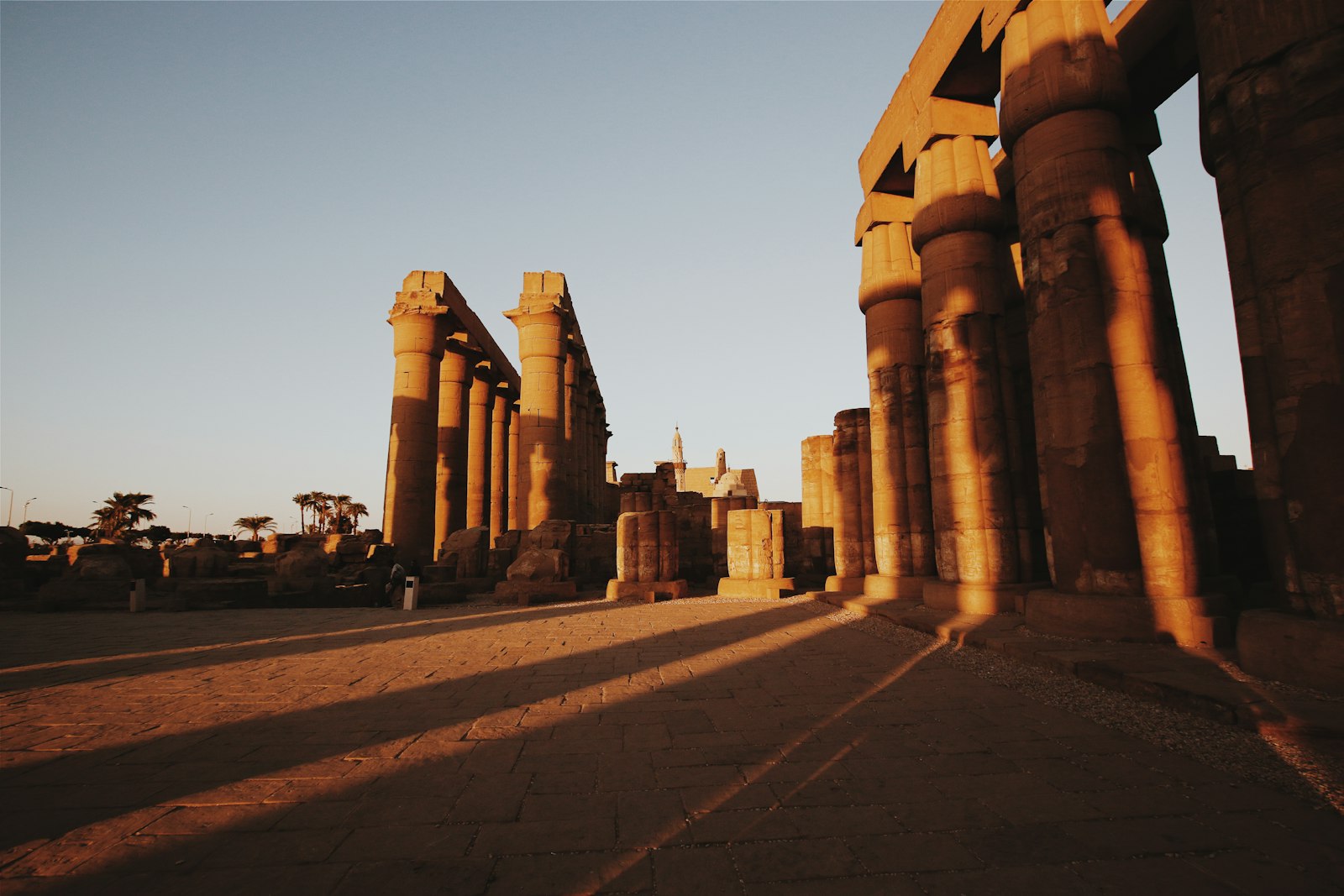 🏆 UNESCO
 Amada Temple
The oldest Egyptian temple in Nubia, built by Thutmose III and Amenhotep II, famous for its reliefs of extraordinary finesse and its integral movement on rails.
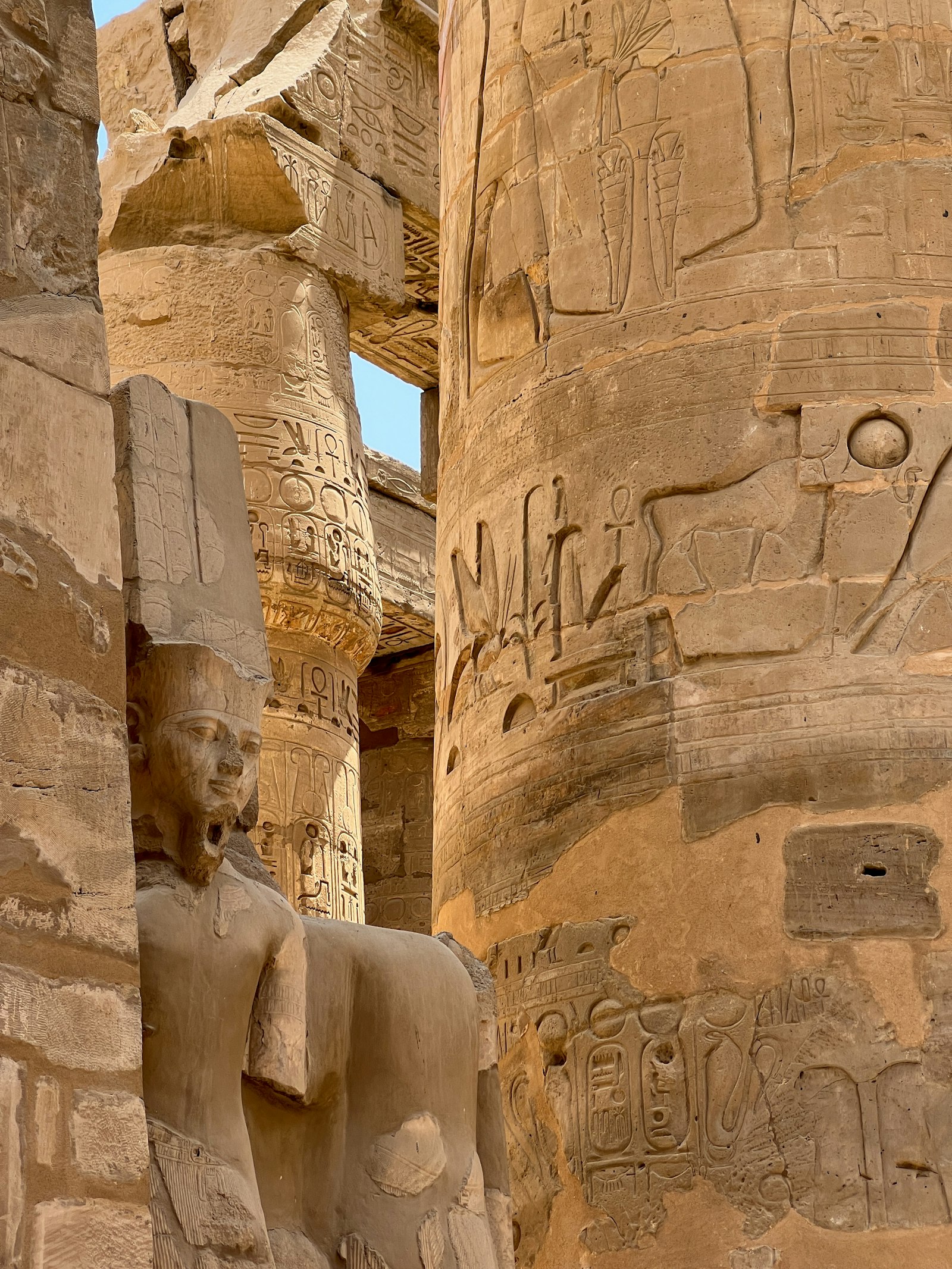 🏆 UNESCO
 Beit el-Wali Temple
Small but richly decorated rock temple of Ramesses II in Lower Nubia, celebrated for its vivid battle scenes and remarkably preserved original colours.
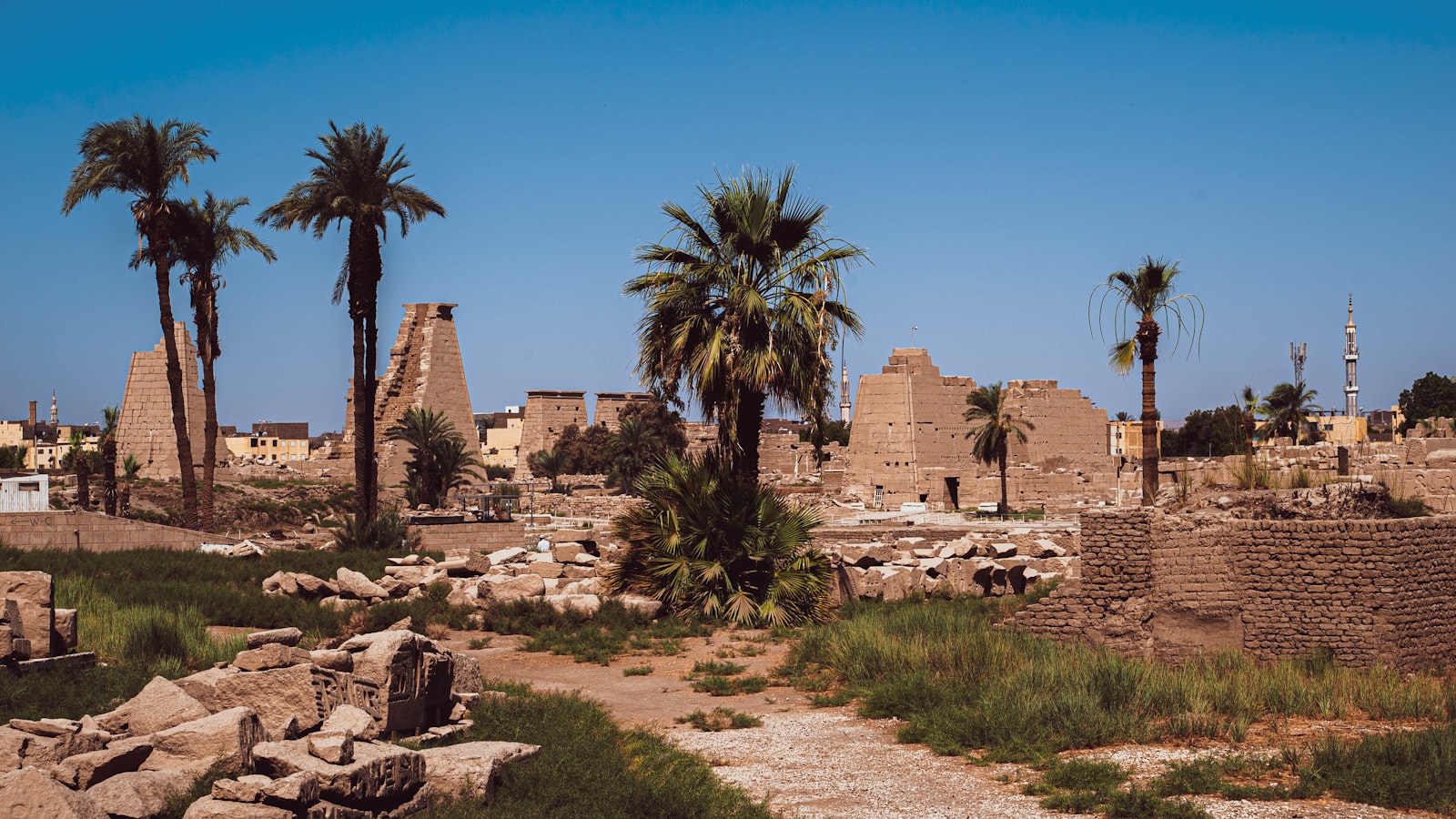 🏆 UNESCO
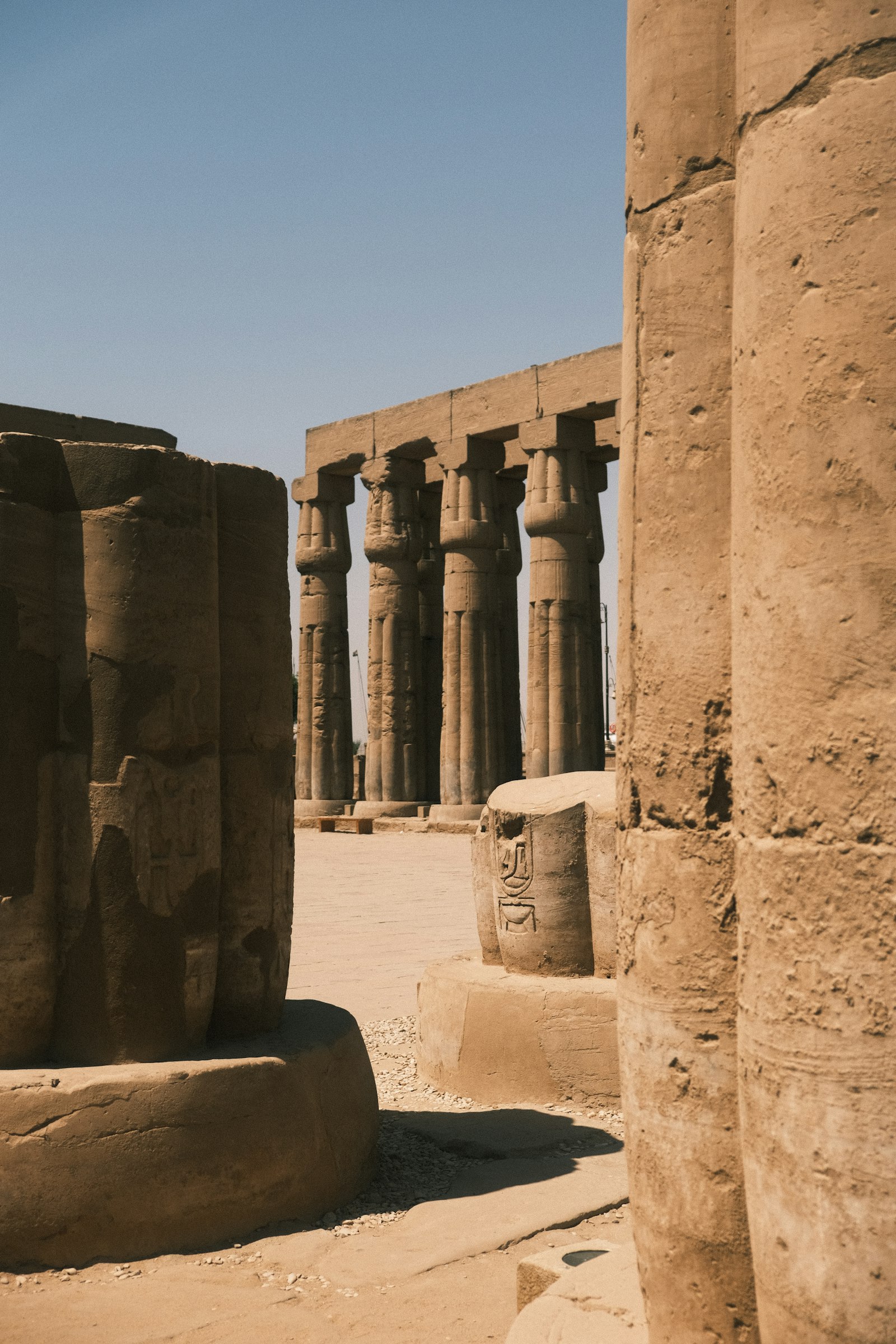
 Temple of Dakka
A Ptolemaic-Roman temple dedicated to the god Thoth on the shores of Lake Nasser, unique for its reversed orientation and its mighty pylon visible from a great distance.
 🏆 UNESCO
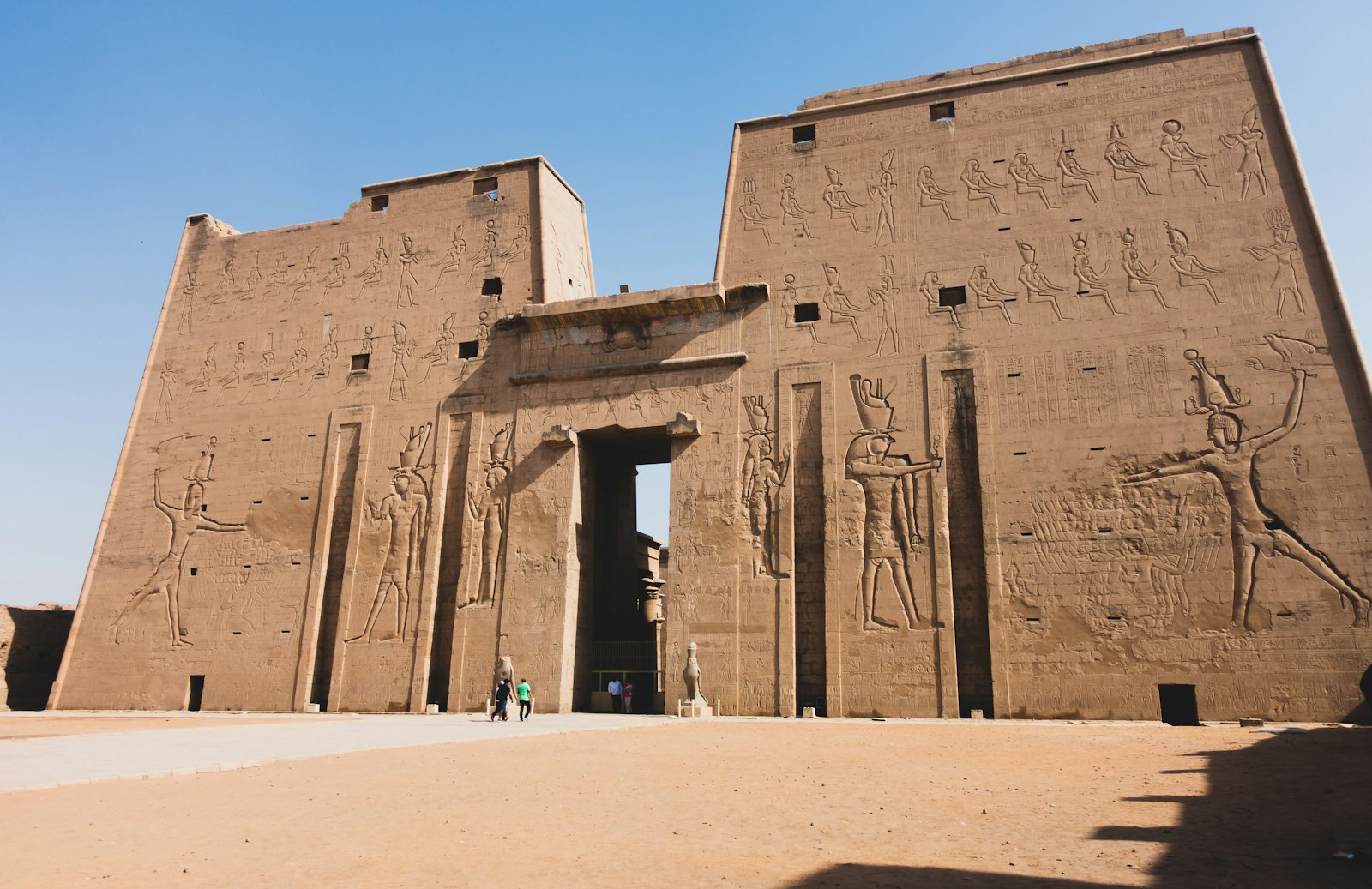
 Temple of Kalabsha
The largest free-standing temple of Lower Nubia, dedicated to the Nubian solar god Mandulis, rebuilt near the Aswan Dam after its rescue from the waters of Lake Nasser.
 🏆 UNESCO
 Temple of Khnum
The temple dedicated to the ram-headed god who created humanity on his potter's wheel, located on Elephantine Island in Aswan.
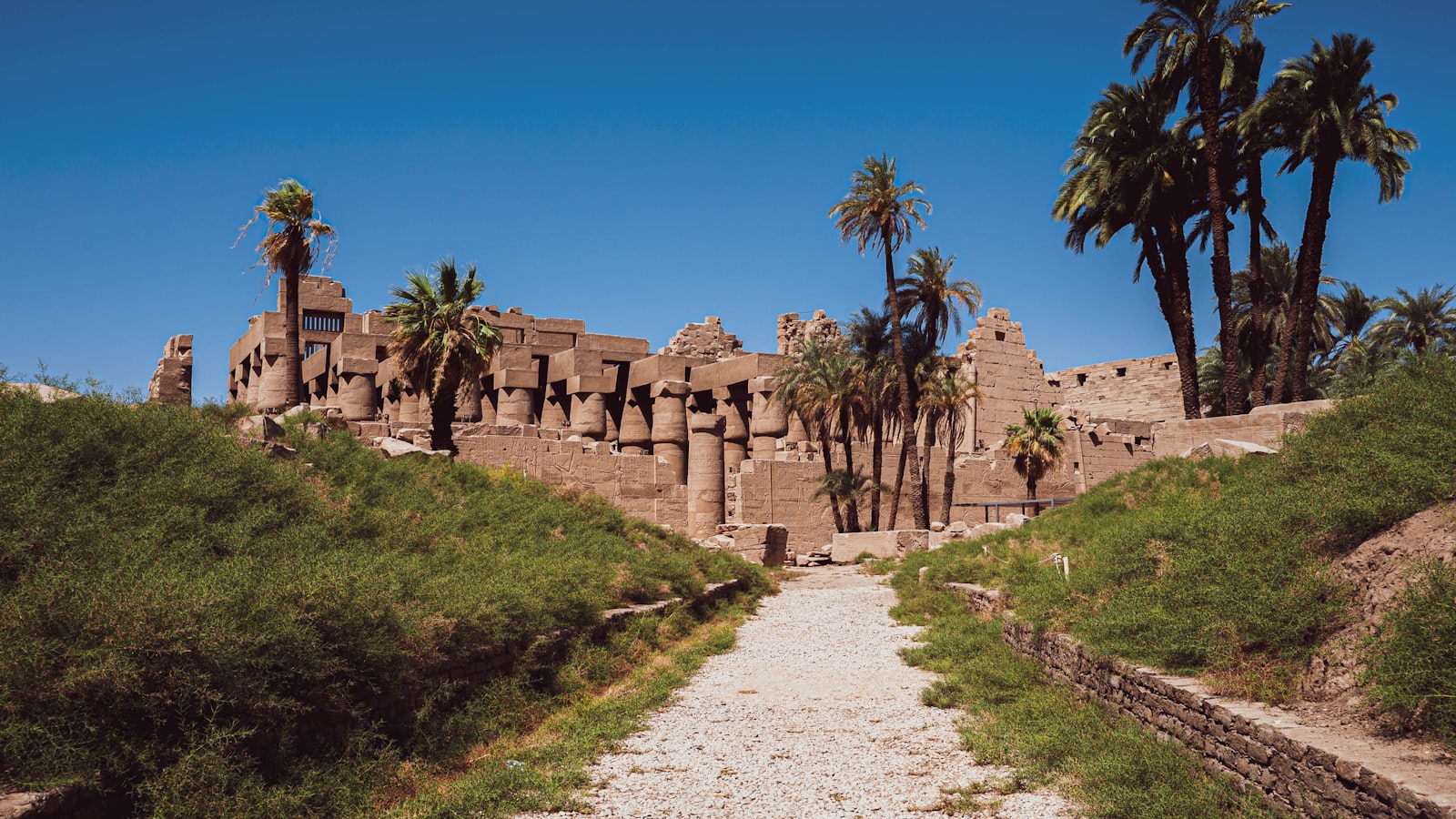
🏆 UNESCO Temple of Philae
The magnificent temple dedicated to the goddess Isis, relocated to Agilkia Island to save it from the waters of Lake Nasser, is one of the jewels of Upper Egypt.
 🏆 UNESCO
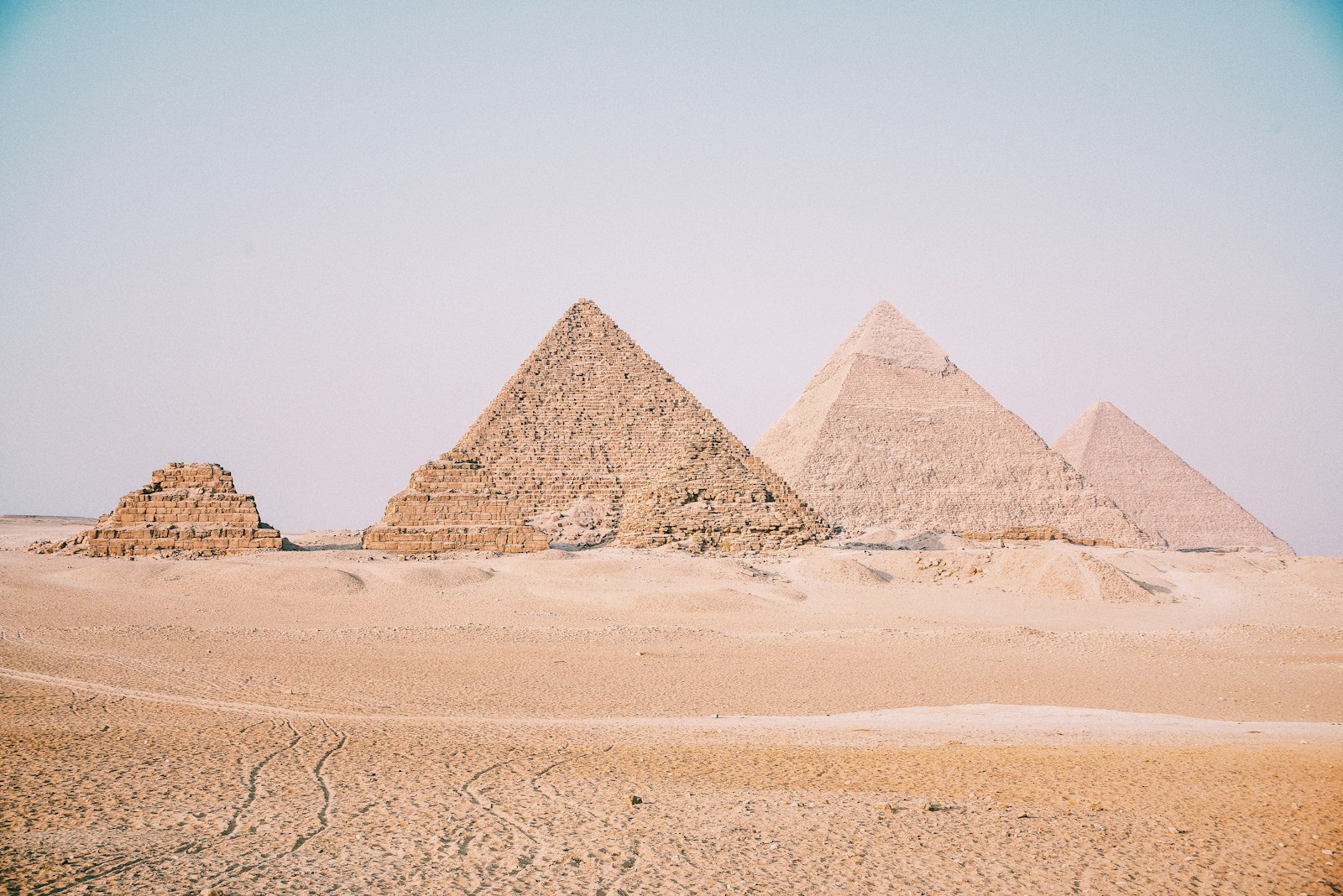
 Temple of Wadi es-Sebua
Majestic temple of Ramesses II in the Valley of the Lions on the shores of Lake Nasser, with an evocative avenue of sphinxes and pharaonic reliefs converted in the Christian era.
 🏆 UNESCO
 Tombs of the Nobles of Aswan
Rock necropolis on the western bank of the Nile at Aswan, with tombs of governors and nobles of the Old and Middle Kingdom carved into the hill of Qubbet el-Hawa.