Fayoum Oasis: the Garden of the Egyptian Desert
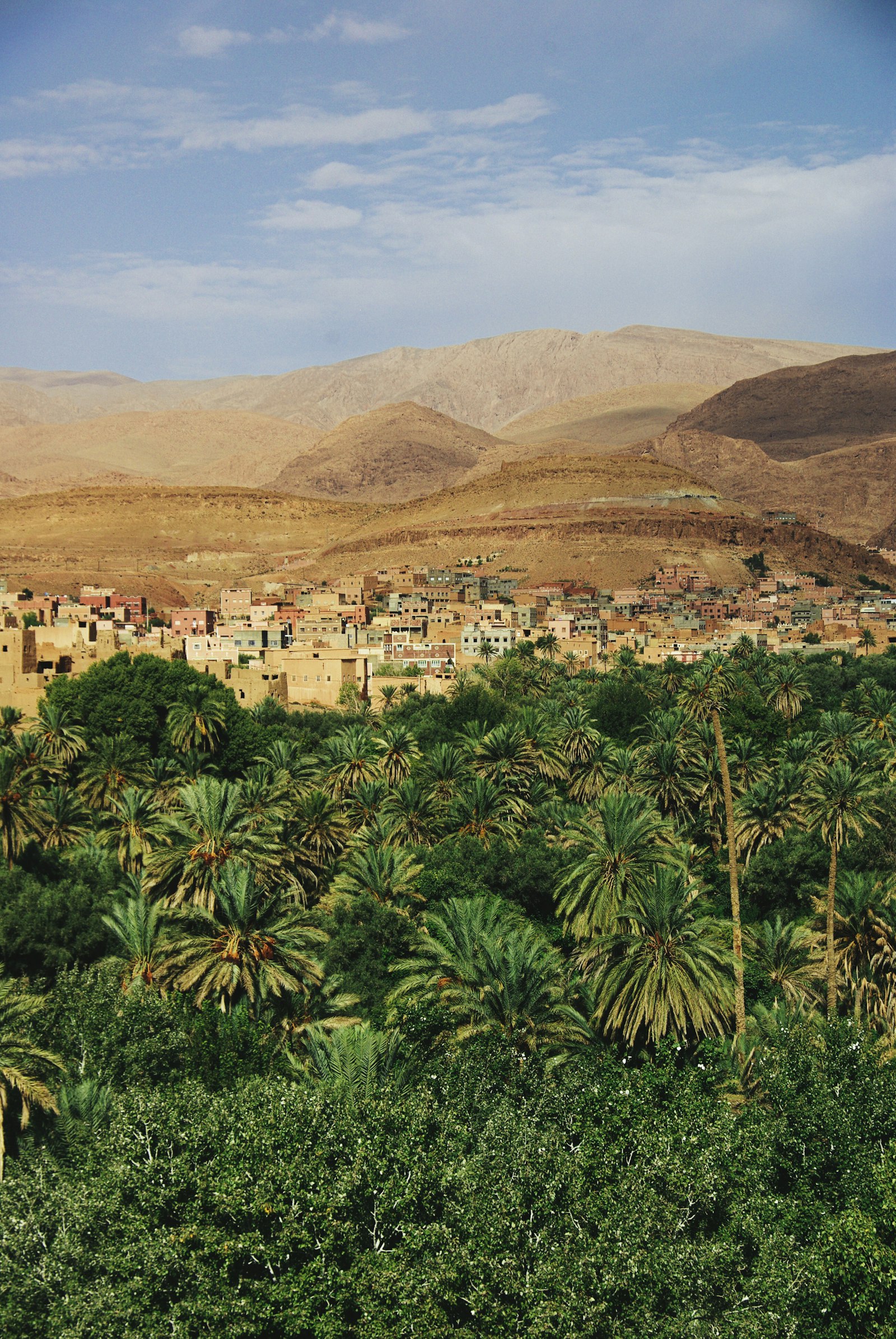
Fayoum Oasis represents one of the most fascinating natural wonders of Egypt, an immense green expanse set in the heart of the Western Desert just ninety kilometres south-west of Cairo. It is the largest natural oasis of the entire country and one of the most extensive in the world, with a surface that exceeds 1,800 square kilometres of fertile terrain. Unlike other oases that depend on underground aquifers, Fayoum owes its existence to the Bahr Youssef, a natural canal derived from the Nile that feeds the entire depression with fresh waters since antiquity.
This extraordinary region is not simply an oasis in the traditional sense of the term, but a true province with over three million inhabitants, cultivated fields, orchards, fishing villages and a history that sinks its roots into the Neolithic. For the traveller who wishes to discover a different Egypt, far from the more beaten tourist circuits, Fayoum offers an authentic and unforgettable experience.
Millennia-Old History
From the Origins to Ancient Egypt
The depression of Fayoum has been inhabited since prehistory. Remains of Neolithic settlements dating back over seven thousand years testify that this zone was a vital centre for the first agricultural communities of the Nile valley. During the Old Kingdom, the pharaohs of the XII dynasty, in particular Amenemhat III, radically transformed the area with an ambitious project of hydraulic reclamation. The Bahr Youssef canal, whose name means "canal of Joseph" in reference to the biblical tradition, was regulated and enlarged to convey the waters of the Nile into the depression, creating the great Lake Moeris, ancestor of the current Lake Qarun.
The pharaohs of the Middle Kingdom chose Fayoum as the seat of royal residences and grandiose temples. The pyramid of Hawara, built by Amenemhat III on the eastern bank of the depression, was flanked by the legendary Labyrinth, described by Herodotus as a construction more impressive than the pyramids themselves. This bond with pharaonic power elevated Fayoum to one of the most prosperous regions of ancient Egypt.
The Greco-Roman Era and the Fayoum Portraits
It was however during the Ptolemaic and Roman period that Fayoum reached its maximum cultural splendour. The Ptolemies further enlarged the irrigation works, founded new cities and transformed the region into the granary of Hellenistic Egypt. It is in this context that the celebrated Fayoum Portraits were born, one of the most extraordinary artistic expressions of the ancient world.
These painted panels, realised with the technique of encaustic or tempera on wood, were placed on the faces of the mummies and represent realistic portraits of the deceased. Dated between the 1st and 3rd century AD, the Fayoum Portraits are considered the precursors of Western portraiture and strike for their modernity and expressive intensity. Hundreds of these masterpieces are today preserved in the principal museums of the world, from the Egyptian Museum of Cairo to the British Museum of London, from the Ny Carlsberg Glyptotek of Copenhagen to the Metropolitan Museum of New York.
From the Islamic Era to Today
With the Arab conquest, Fayoum maintained its agricultural importance and became a centre of production of cereals and textiles. The characteristic water wheels, the norias, were introduced during the Islamic period and became the very symbol of the region. Even today, some of these ancient wheels continue to turn slowly, lifting the water from the canals to irrigate the surrounding fields, creating a fascinating and melodious spectacle.
What to See in Fayoum
The Water Wheels (Norias)
The water wheels of Fayoum are perhaps the most iconic image of the oasis. These large wooden structures, moved by the current of the water, lift the precious liquid from the canals to the more elevated cultivated fields. Seven historic wheels are still functioning in the centre of the city of Fayoum, creating a unique atmosphere with their characteristic rhythmic creaking. The most photographed is found near the main bridge of the city and represents the official symbol of the governorate.
The Village of Tunis
Tunis is an enchanting village situated on the southern shore of Lake Qarun, famous for its ceramic tradition. In the 1980s, the Swiss artist Evelyne Porret settled here and founded a school of ceramics that transformed the village into an artistic and cultural centre. Today Tunis hosts numerous ceramic workshops, welcoming inns and restaurants with a view over the lake. The village is also an ideal starting point for excursions in the surrounding desert and for birdwatching along the shores of the lake.
The Bahr Youssef
The Bahr Youssef canal is the vital artery of the oasis, a watercourse that detaches itself from the Nile near Asyut, in Upper Egypt, and runs for over three hundred kilometres before reaching the depression of Fayoum. Along its course inside the oasis, the canal branches into hundreds of secondary canals that irrigate the entire region. Its banks are flanked by date palms, fields of grain and vegetables, and small villages of peasants who live according to ancestral rhythms.
Qasr Qarun and the Archaeological Sites
The oasis is dotted with archaeological sites of notable interest. Qasr Qarun, at the western extremity of Lake Qarun, preserves a Ptolemaic temple dedicated to the crocodile god Sobek, surprisingly well preserved and unique for its two-storey structure. The ruins of Karanis (Kom Aushim), at the northern entrance of the oasis, offer a well-preserved Greco-Roman city with two temples dedicated to the sacred crocodiles. The small museum of Kom Aushim guards finds of the various historical eras of the region.
Agriculture and Local Products
Fayoum is renowned for its high-quality agricultural production. The oasis is famous for its dates, olives, figs, oranges and honey. The local markets offer fresh and genuine products, while several agritourisms allow visitors to participate in the harvesting and processing of typical products. The fish of Lake Qarun, in particular tilapia, is another local speciality served fresh in the restaurants along the shores of the lake.
Birdwatching
Fayoum is a paradise for lovers of birdwatching. The combination of wetlands, lakes, canals and desert areas creates diversified habitats that host over two hundred species of birds. Between October and March, the oasis welcomes large flocks of migratory birds coming from Europe, including flamingos, herons, pelicans, ducks and birds of prey. The shores of Lake Qarun and the wetlands of Wadi el-Rayan are the best observation points.
Practical Tips for the Visit
How to Get There
Fayoum is easily reached from Cairo by car, travelling along the desert highway for about ninety kilometres in a south-west direction. The journey lasts about an hour and a half. Regular buses depart from the bus station of Giza towards the city of Fayoum. It is strongly recommended to rent a car or organise a private tour to comfortably explore the various sites of the oasis, which are quite distant from one another.
Where to Stay
The oasis offers several accommodation options, from simple hotels in the centre of the city of Fayoum to charming eco-lodges in the village of Tunis. The most evocative structures are the inns in mud and stone that overlook Lake Qarun, where it is possible to enjoy spectacular sunsets and an atmosphere of absolute peace. It is advisable to book in advance at weekends, when many Cairenes pour into the oasis for a break from the frenzy of the capital.
What to Bring
Bring with you comfortable shoes for walking on sandy terrain, sun protection, a hat and an abundant supply of water. Binoculars are indispensable for birdwatching. If you plan excursions in the desert, warm clothes for the evening are necessary even in the more temperate months, since temperatures drop drastically after sunset. A torch can be useful for exploring the less illuminated archaeological sites.
Recommended Itinerary
An ideal two-day itinerary could include: the first day dedicated to the visit of the city of Fayoum with the water wheels, the village of Tunis and Lake Qarun; the second day dedicated to Wadi el-Rayan with its waterfalls and the surrounding desert, with a stop at the temple of Qasr Qarun and at the ruins of Karanis. For those who have more time, a third day could be dedicated to the pyramid of Hawara and the archaeological sites of the eastern part of the oasis.
When to Visit
The best period to visit Fayoum runs from October to April, when temperatures are pleasant and nature is at the maximum of its splendour. In summer the heat can be intense, with temperatures that exceed 40°C. The weekends and the Egyptian holidays see a considerable influx of local visitors, so it is advisable to visit the oasis during the week for a more tranquil and authentic experience.
Fayoum represents one of the most fascinating and underestimated destinations of Egypt, a place where millennia-old history merges with natural beauty and the living traditions of a community that has been able to preserve its identity over the course of the centuries. A visit to this extraordinary oasis is a journey into the true essence of Egypt, far from tourist clichés and close to the pulsating heart of a magical land.