The White Chapel of Senusret I: the Jewel of the Middle Kingdom at Karnak
The White Chapel of Senusret I, known internationally as the White Chapel, is universally considered one of the absolute masterpieces of the art and architecture of ancient Egypt. Kept in the Open-Air Museum of the complex of Karnak at Luxor, this elegant structure in white limestone dates back to the Middle Kingdom, precisely to the reign of Senusret I (around 1971-1926 BC), and is distinguished by the extraordinary quality of its reliefs, among the most refined ever produced by the Egyptian civilisation.
The history of the White Chapel is also an extraordinary story of rediscovery and rebirth. Dismantled in antiquity and its blocks reused as filling material, it was brought back to light only in the 1930s and reconstructed with patient philological work, restoring to the world a monument that was believed lost forever.
History of the Chapel
The Reign of Senusret I
Senusret I, second pharaoh of the 12th dynasty, was one of the greatest sovereigns of the Egyptian Middle Kingdom. His long reign of nearly fifty years was characterised by vast building activity, military campaigns in Nubia and a policy of consolidation of royal power after the period of fragmentation of the First Intermediate Period. At Karnak, Senusret I initiated an ambitious programme of constructions that transformed what had been a modest local sanctuary dedicated to Amun into a temple complex of national importance.
The White Chapel was built on the occasion of the celebration of the Sed jubilee of the pharaoh, a ceremony of renewal of royal power that traditionally took place after thirty years of reign. This festival, of very ancient origin, required that the sovereign demonstrate his physical vigour and his divine legitimacy through a series of ritual trials. The chapel probably served as a way station for the procession of the sacred barque of Amun during the festivities.
The Dismantling and the Reuse
In the course of the New Kingdom, when the pharaohs of the 18th and 19th dynasty enormously enlarged the complex of Karnak, the White Chapel was dismantled and its blocks were used as filling material for the internal core of the third pylon, built by Amenhotep III around 1370 BC. This practice, common in ancient Egypt, involved the reuse of older structures not as an act of destruction, but paradoxically as a form of conservation: the blocks, incorporated into the new construction, were protected from the atmospheric agents and from erosion.
The Rediscovery of Chevrier
The White Chapel was rediscovered in the 1930s by the French archaeologist Henri Chevrier, director of the restoration works at Karnak on behalf of the Egyptian Antiquities Service. During the consolidation works of the third pylon, Chevrier extracted from the internal core hundreds of decorated blocks belonging to various structures dismantled in antiquity. Among these, the blocks of the White Chapel stood out immediately for the exceptional quality of the reliefs and for the perfect state of conservation guaranteed by their "burial" inside the pylon.
The work of reconstruction, conducted with scientific rigour and painstaking patience, required several years. Each block was catalogued, photographed, studied and repositioned in its original placement following the clues provided by the decoration and by the constructive technique. The result, completed at the end of the 1930s, is the structure that today we can admire in the Open-Air Museum of Karnak: a faithful reconstruction that restores in its entirety the original grace and elegance of the monument.
Architecture and Decoration
The Architectural Structure
The White Chapel is a small rectangular building in white limestone of Tura, the same precious material used for the cladding of the pyramids of Giza. The structure rises on a raised platform accessible by means of two opposing ramps placed on the short sides, creating a processional passing route. The chapel is supported by sixteen square pillars arranged in four rows, which delimit an external ambulatory and a central space destined to receive the sacred barque of Amun during the ritual processions.
The contained dimensions of the chapel — about 6.8 by 3.5 metres — contrast with the monumentality of the rest of the complex of Karnak, but it is precisely this intimate scale that exalts its decorative refinement. Every available surface is covered by reliefs of a quality that has no equal in the Egyptian art of the Middle Kingdom and that rivals the best productions of the New Kingdom, realised many centuries later.
The Reliefs of the Sed Festival
The main scenes of the chapel depict the pharaoh Senusret I during the ceremonies of the Sed jubilee. In these reliefs, the sovereign is represented in the act of performing the prescribed rituals in the presence of the god Amun and of other divinities of the Egyptian pantheon. The quality of the engraving is astonishing: the contours are clean and precise, the anatomical and decorative details are rendered with an almost incredible finesse for the epoch.
In one of the most famous scenes, Senusret I is represented seated on the throne during the jubilee, with the two crowns of Upper and Lower Egypt, while receiving the divine blessings. In another, the pharaoh runs ritually with the hes vase in his hands, a gesture that symbolised the renewal of his vital force and of his royal legitimacy. The rendering of the muscles in tension during the run is of an impressive realism, very different from the conventional rigidity that is often associated with Egyptian art.
The List of the Nomes
One of the most precious elements from the historical and geographical point of view is the so-called "list of the nomes" (or list of the nomoi), engraved on the pillars of the chapel. This list reports systematically the names of the provinces (nomoi) of Upper and Lower Egypt, each accompanied by detailed information that includes the name of the patron divinity, the capital of the nome, the dimensions of the territory and other administrative data.
This list represents one of the most complete and reliable sources on the administrative geography of Egypt during the Middle Kingdom and has provided to the Egyptologists fundamental information for the reconstruction of the territorial organisation of the country. Its importance is comparable to that of a modern administrative map and testifies to the level of bureaucratic organisation reached by the Egyptian state under the 12th dynasty.
The Open-Air Museum of Karnak
A Hidden Treasure
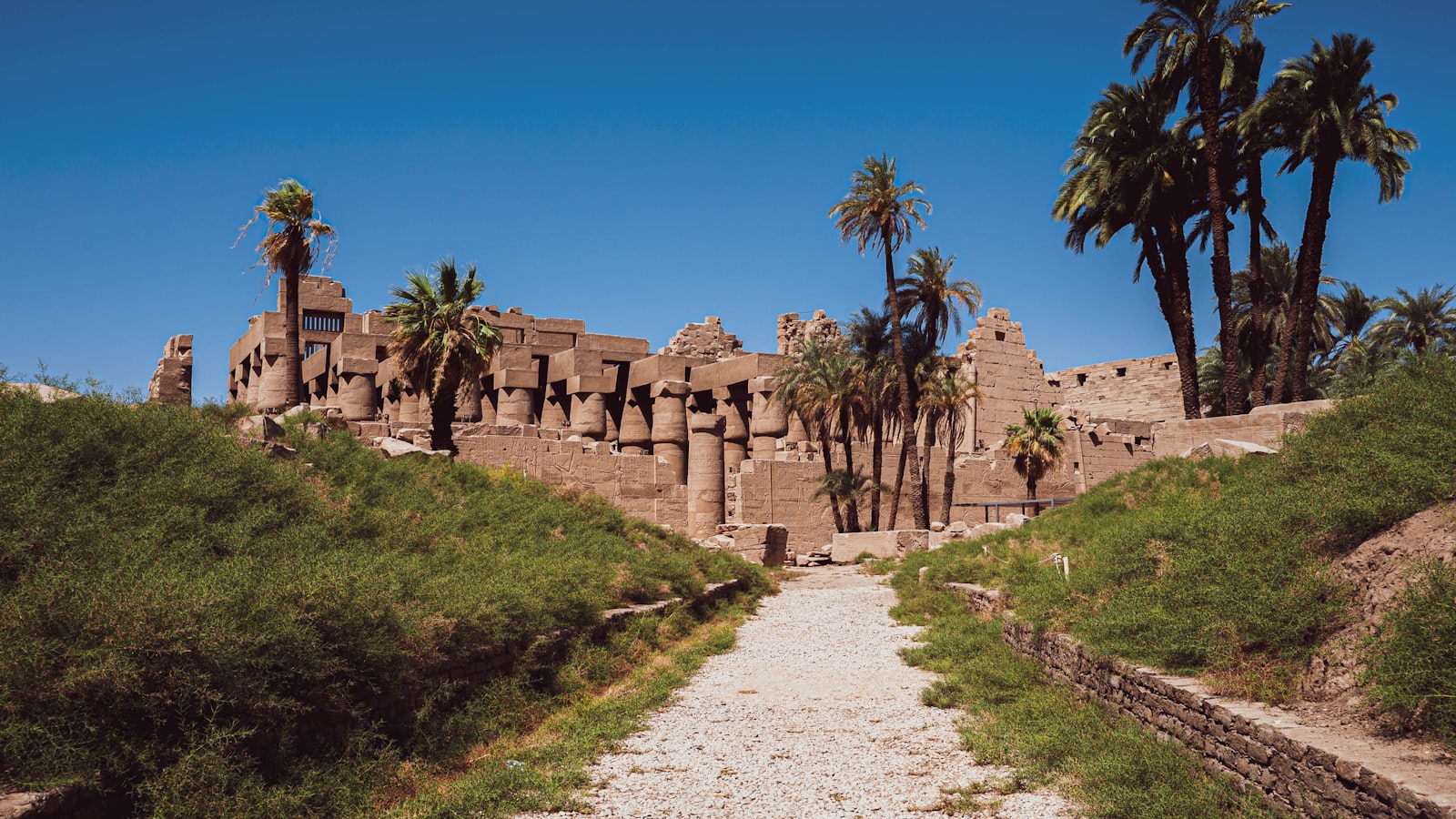
The White Chapel is the strong point of the Open-Air Museum of Karnak, an area little frequented by tourist groups but of extraordinary interest for those who wish to deepen the knowledge of Egyptian architecture. The Open-Air Museum, situated in the north-western corner of the complex, houses various structures reconstructed with blocks recovered from the filling of the pylons of Karnak.
In addition to the White Chapel, the museum includes the Red Chapel of Hatshepsut, the Alabaster Chapel of Amenhotep I and other minor buildings. Each of these structures recounts a different chapter of the history of Karnak and offers the opportunity to admire reliefs and architecture that otherwise would have remained buried forever inside the massive masonry of the pylons.
A Different Experience
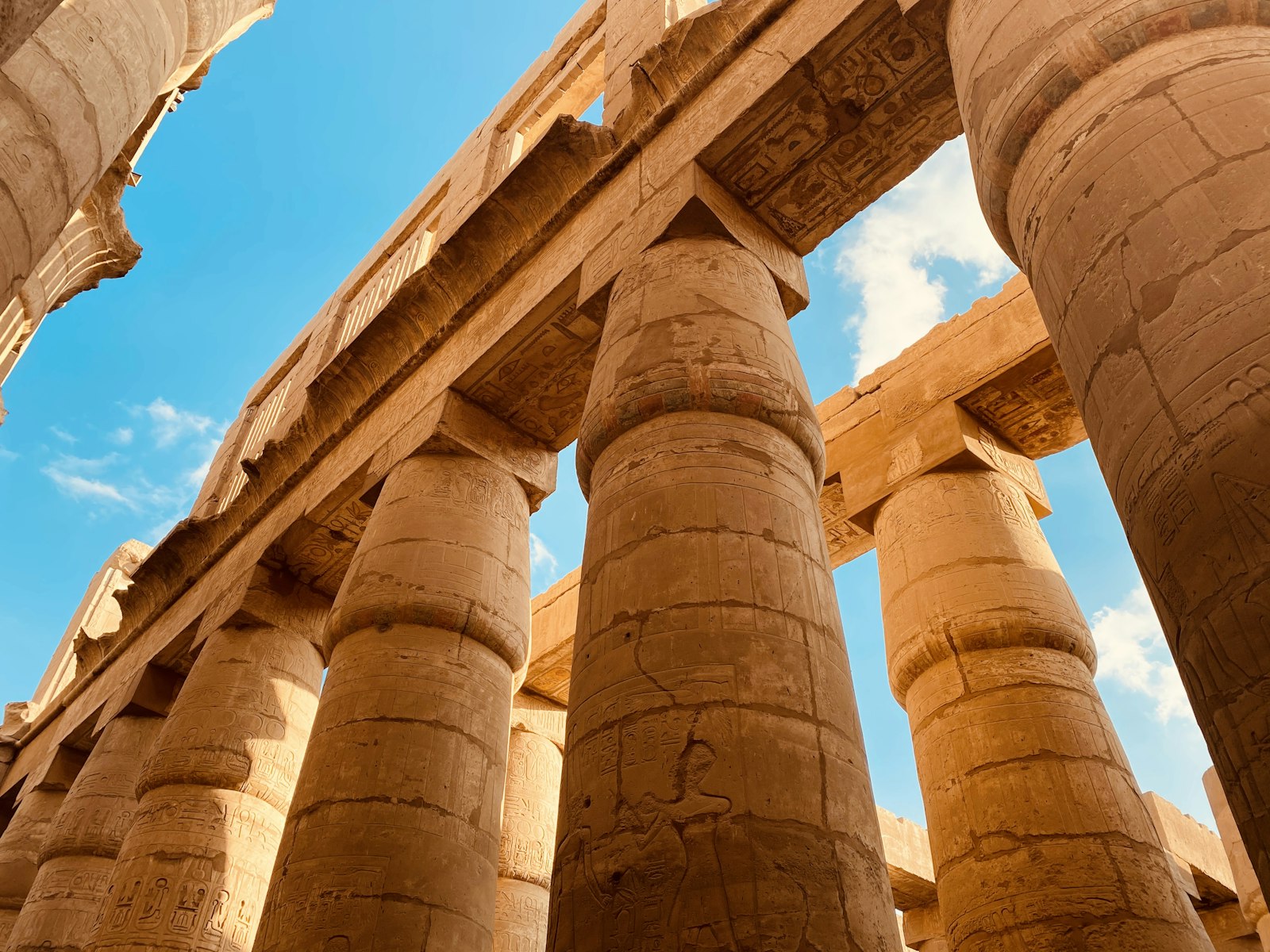
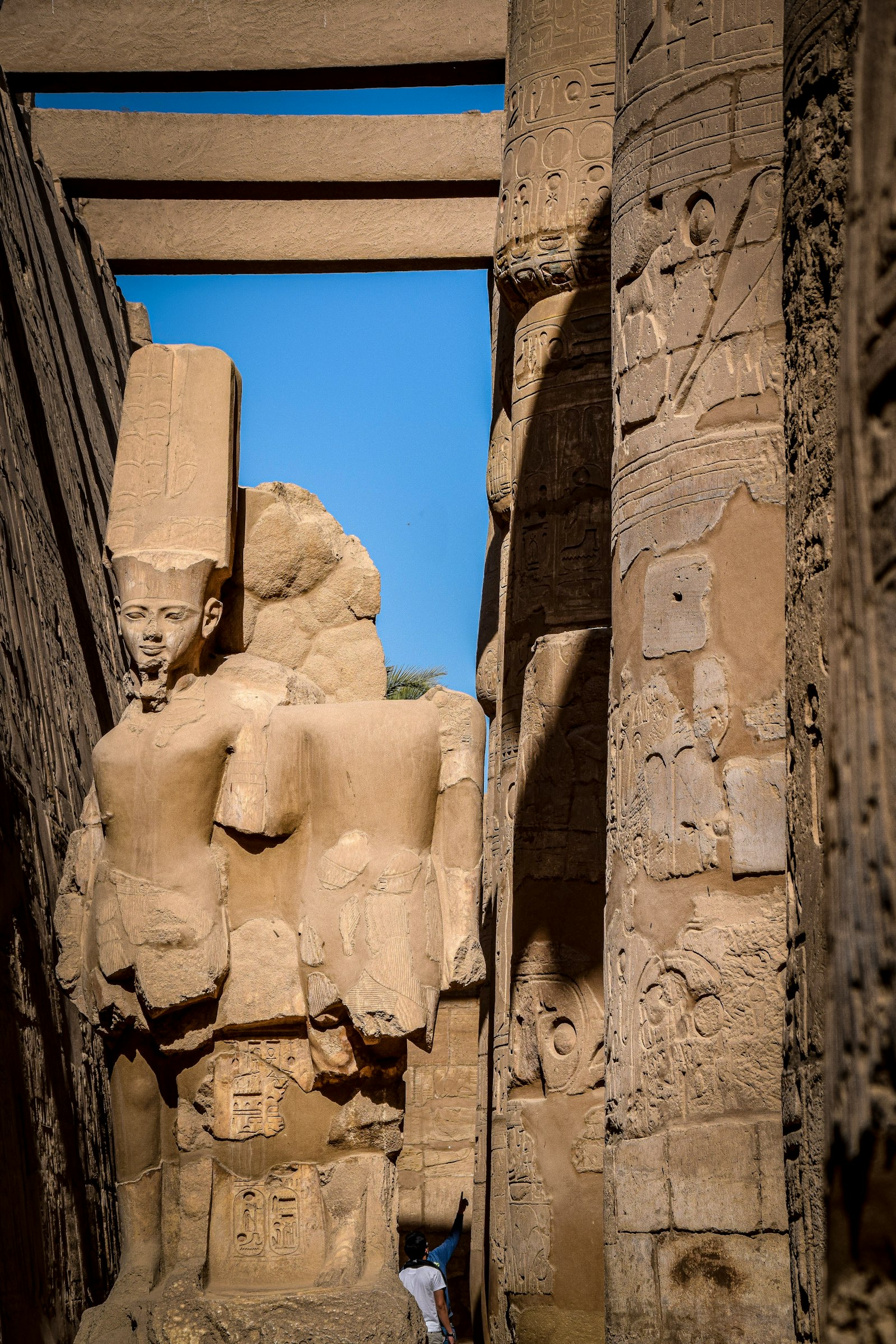
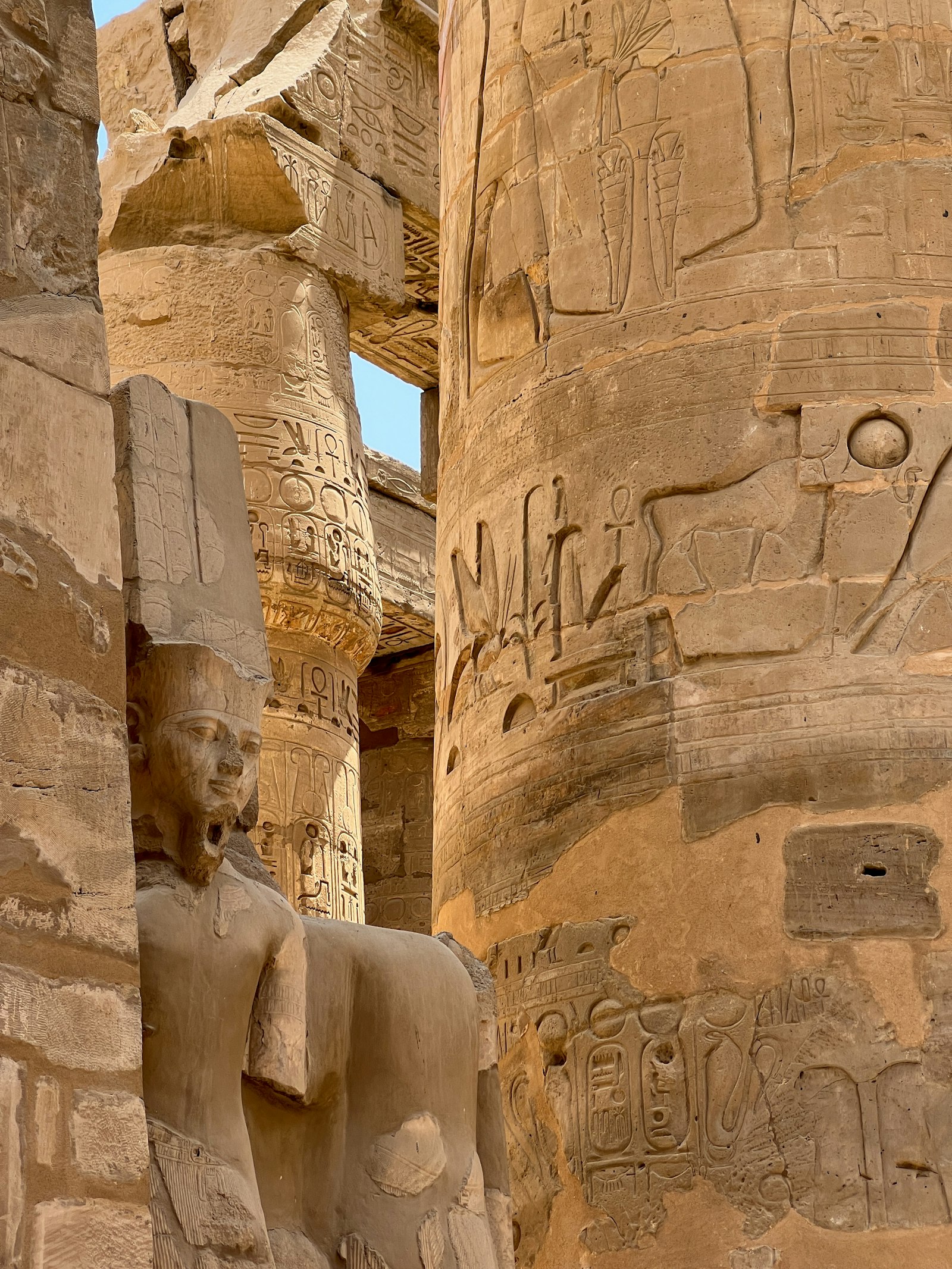
Compared to the overwhelming grandeur of the Hypostyle Hall or to the imposingness of the pylons, the Open-Air Museum offers a more intimate and collected experience. Here it is possible to approach the structures, observe the details of the reliefs from close distance and appreciate the mastery of the Egyptian craftsmen without the pressure of the crowds of visitors. The tranquil and contemplative atmosphere of the museum contrasts pleasantly with the bustle of the more frequented areas of the complex.
The Art of the Middle Kingdom
A Period of Rebirth
The White Chapel is placed in the context of the extraordinary artistic flourishing of the Middle Kingdom, an epoch often defined as the classical age of the Egyptian civilisation. After the chaos of the First Intermediate Period, the reunification of the country under the pharaohs of the 11th and 12th dynasty led to a cultural rebirth that expressed itself in all the arts, from literature to sculpture, from architecture to jewellery.
The reliefs of the White Chapel represent the peak of this artistic production. The precision of the line, the balance of the compositions, the rendering of the anatomical and decorative details reach a level of perfection that will not be equalled for centuries. Some Egyptologists consider the reliefs of the White Chapel as the standard of comparison by which to measure all the subsequent artistic production of ancient Egypt.
Techniques of Execution
The reliefs of the chapel are executed in the technique of sunk relief, in which the figures are engraved in the surface of the stone. This technique, particularly suited to the white limestone of Tura, allows a rendering of the details of extreme finesse, since the line of the artist can be as thin as a line traced with the brush. The grazing light that strikes the inclined surfaces of the reliefs creates a play of lights and shadows that gives the figures a remarkable sense of volume and depth.
Tips for the Visit
Access to the Open-Air Museum
The Open-Air Museum requires a supplementary ticket with respect to the general entrance ticket of Karnak. The ticket can be purchased at the main ticket office at the entrance of the complex. The additional cost is modest and absolutely justified by the quality of the monuments exhibited. The access to the museum is found in the north-western area of the complex, after the first pylon on the left.
When to Visit
The ideal moment to visit the White Chapel is in the early hours of the morning, when the soft light allows to appreciate at best the details of the reliefs. The Open-Air Museum is generally less crowded compared to the main axis of the temple, offering ideal conditions for a contemplative visit.
Photographic Suggestions
To photograph the reliefs of the White Chapel, the grazing light of the morning or of the late afternoon is ideal. Avoid the flash, which flattens the reliefs eliminating the play of shadows that exalts their three-dimensionality. A macro or zoom lens will allow you to capture the most minute details of the decoration.
Combining the Visit
It is advised to visit the Open-Air Museum as the first or last stage of the visit to Karnak. Starting from here allows to admire the White Chapel with calm before facing the grandeur of the main temple. Alternatively, concluding the visit with the museum offers a moment of recollection after the overwhelming experience of the Hypostyle Hall and of the other monuments of the complex.
The White Chapel of Senusret I is a monument that amply repays the time dedicated to its visit. Its discreet elegance, the perfection of its reliefs and its adventurous history of destruction and rebirth make it one of the most precious jewels of the archaeological heritage of Egypt and an unmissable experience for anyone who visits the complex of Karnak.