
Upper Egypt
The heart of ancient Egypt: Luxor, Aswan, Edfu, Kom Ombo and the great pharaonic temples along the Nile.
Monuments in Upper Egypt
 🏆 UNESCO
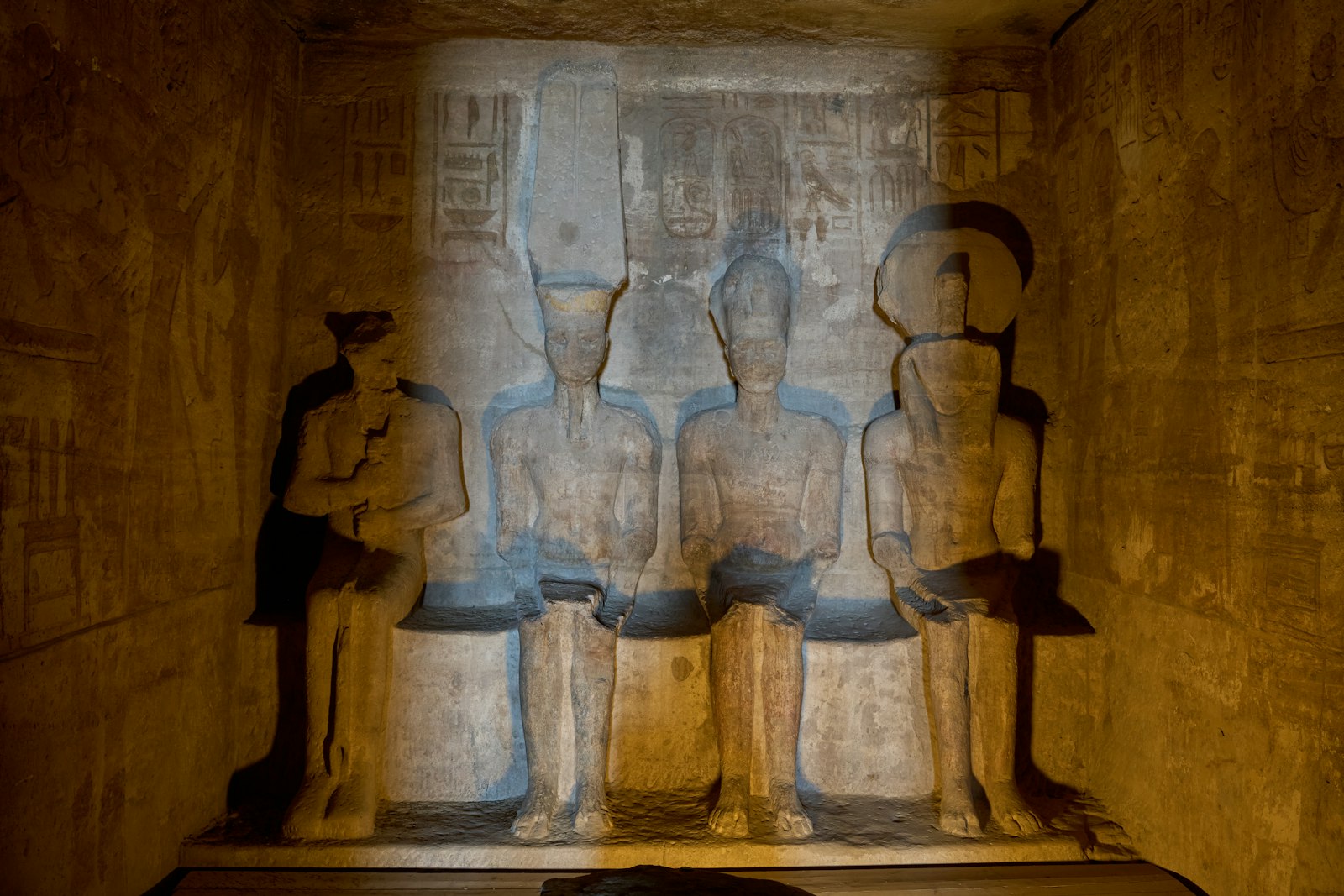
 Abu Simbel
The temples of Abu Simbel are the masterpiece of Ramesses II in southern Egypt. A complete guide with history, how to get there, opening hours and the UNESCO relocation.
 🏆 UNESCO
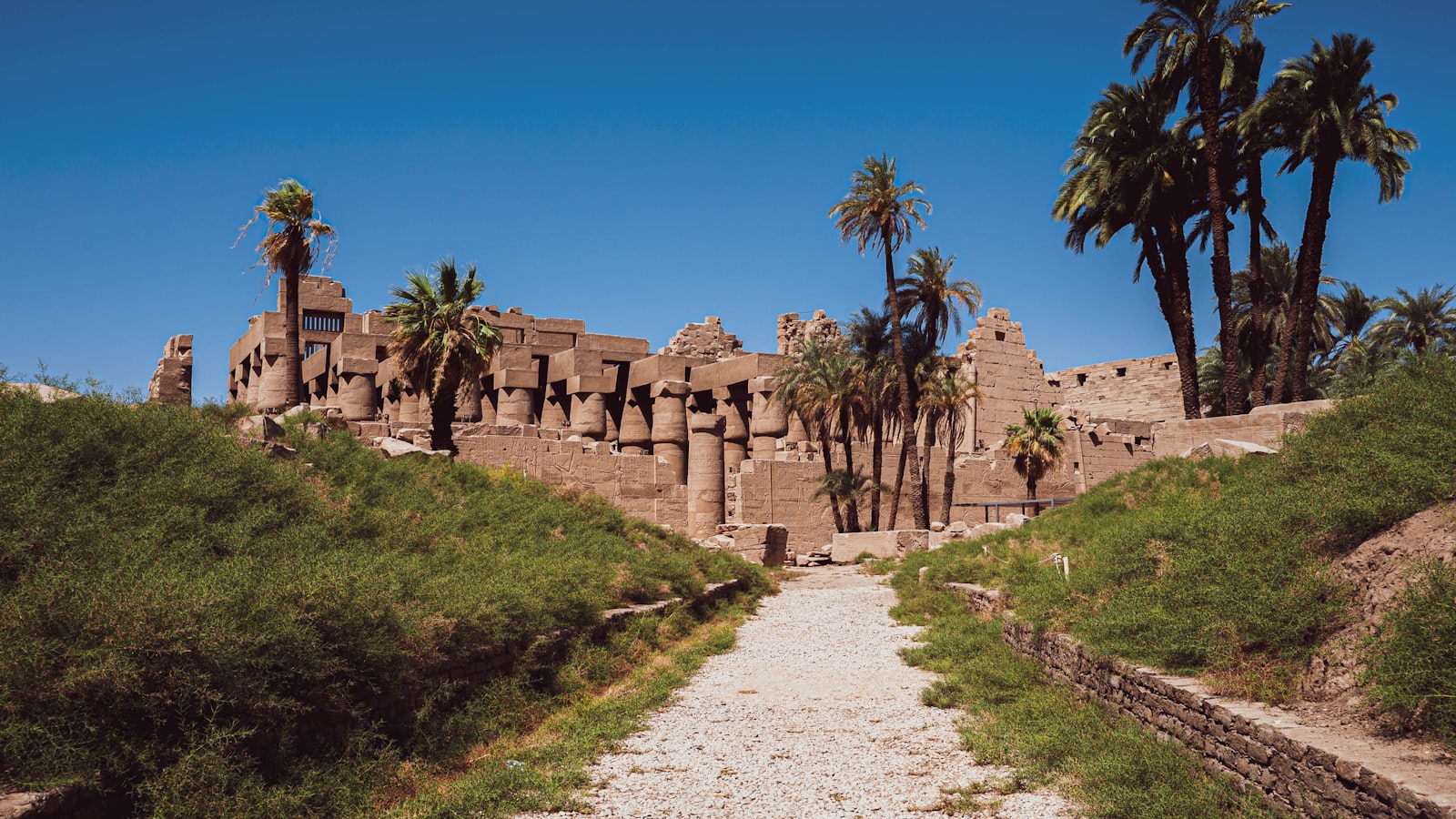
 White Chapel of Senusret I
Masterpiece of the Middle Kingdom reconstructed in the Open-Air Museum of Karnak, famous for its limestone reliefs of extraordinary finesse and for the list of the nomes of Egypt.
 🏆 UNESCO
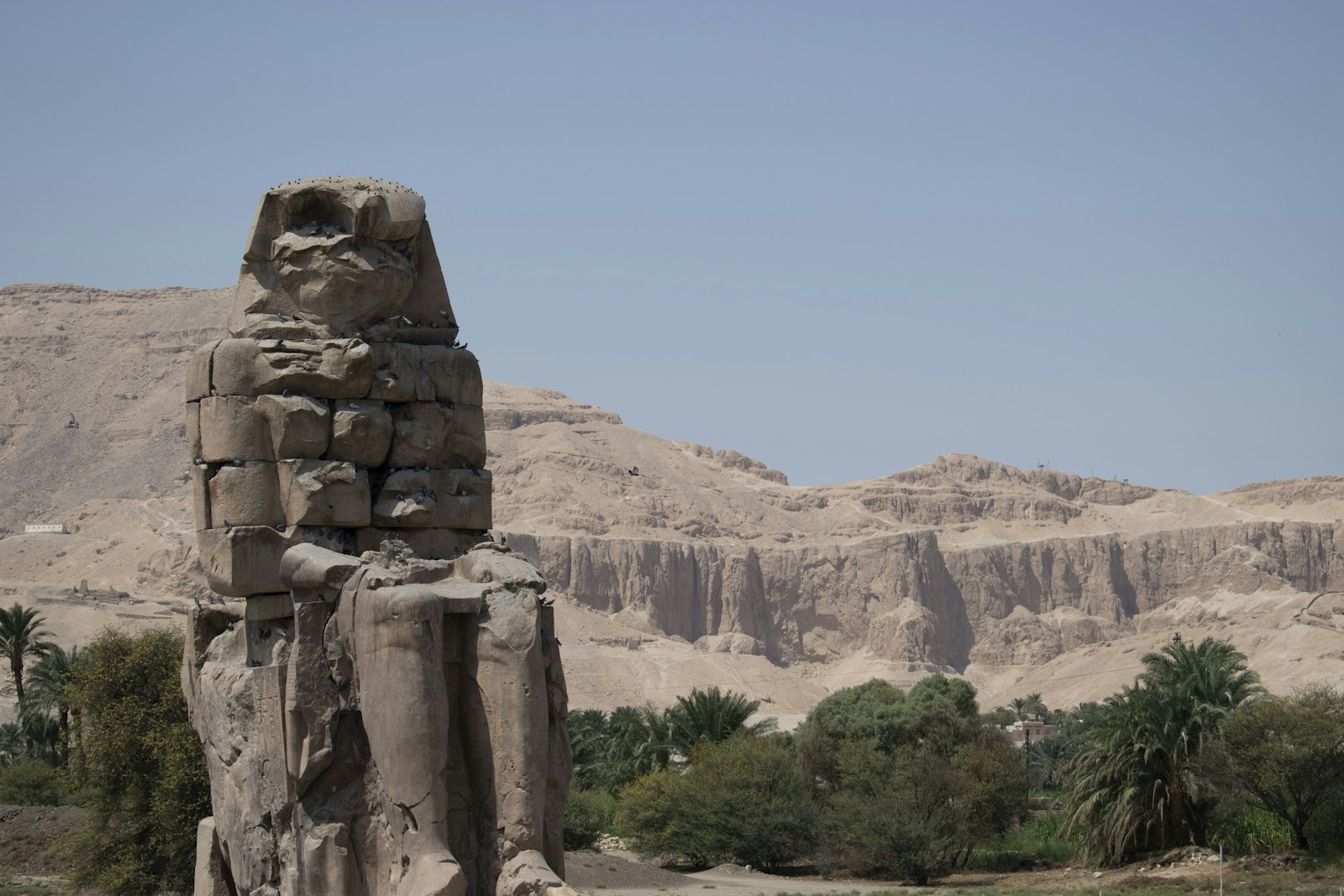
 Colossi of Memnon
The two imposing statues of Amenhotep III, 18 metres high, that have guarded the entrance to the Theban necropolis for over 3,400 years.
 🏆 UNESCO
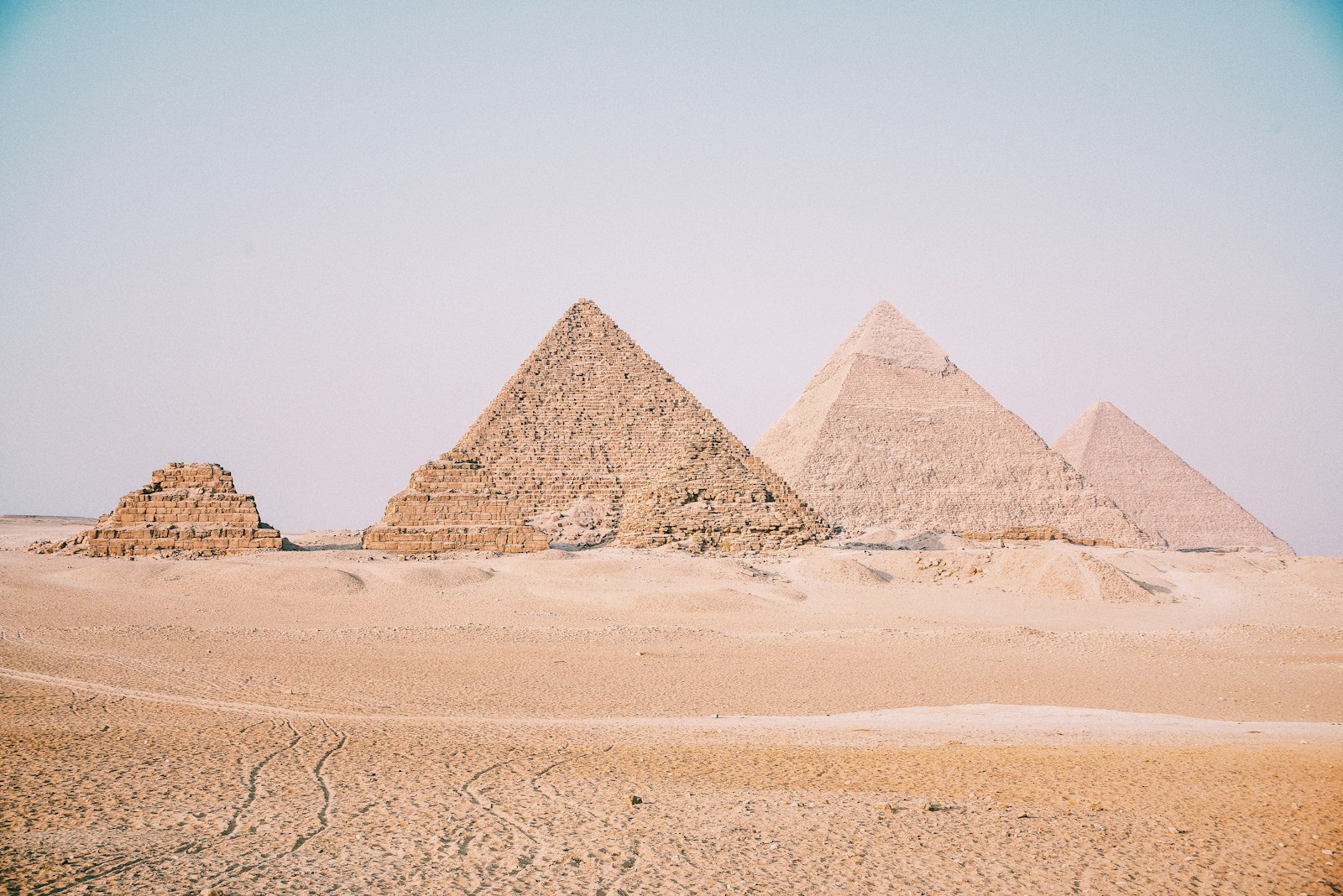
 Deir el-Medina
The ancient village of the artisans who built the tombs of the Valley of the Kings, with its splendid painted tombs and a Ptolemaic temple.
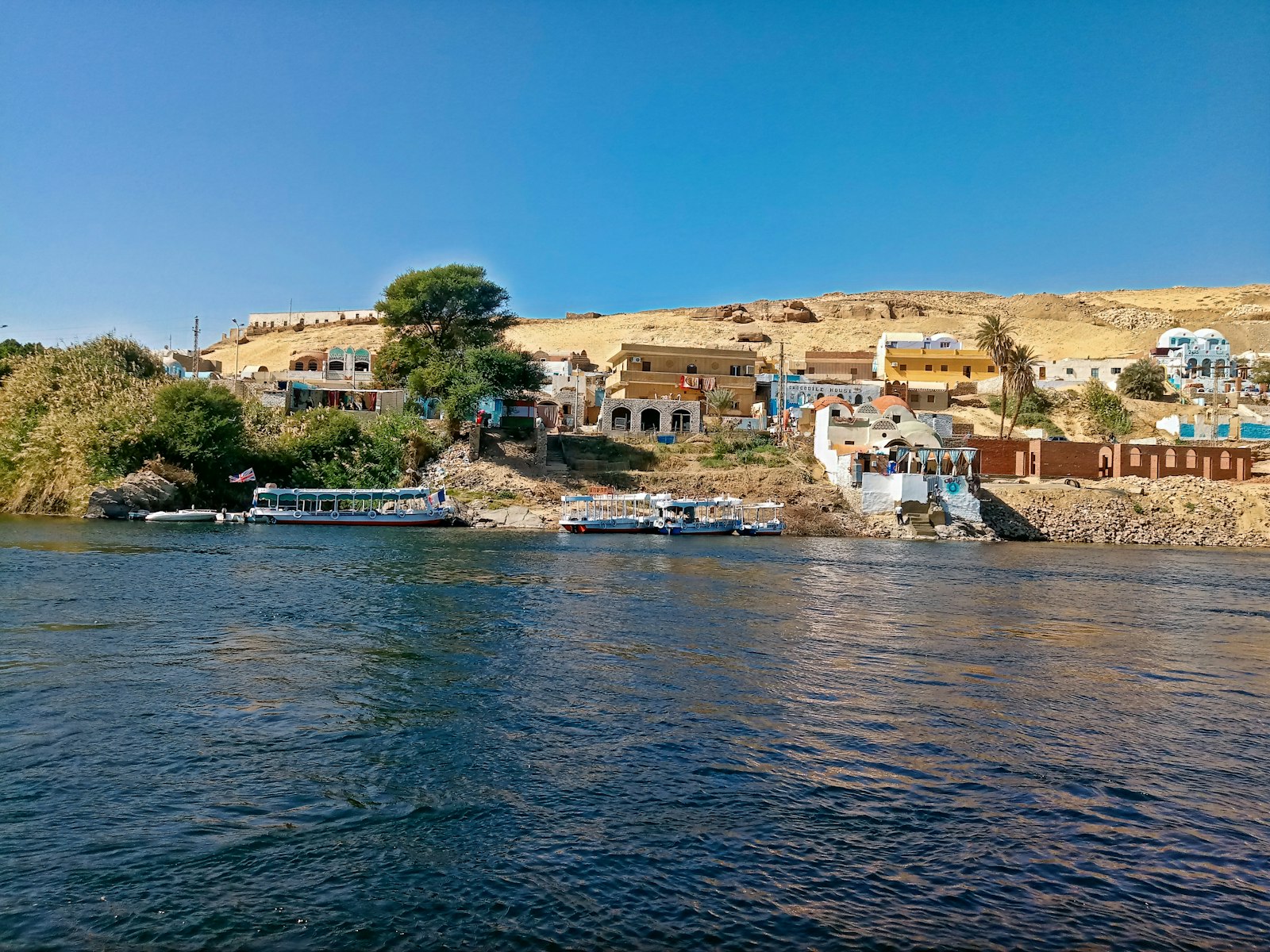
Aswan Dam
The monumental high dam on the Nile, built with Soviet cooperation in the 1960s, transformed the economy and geography of modern Egypt.
El Kab
The ancient Nekheb, sacred city of the vulture goddess Nekhbet, patroness of Upper Egypt, with imposing mud-brick walls and splendidly decorated rock tombs.
Gebel el-Silsila
The ancient sandstone quarries where the Nile narrows between rocky cliffs, studded with rock shrines, pharaonic stelae and hundreds of millennia-old inscriptions.
Botanical Garden of Kitchener's Island
Splendid tropical botanical garden situated on an island in the Nile at Aswan, founded by Lord Kitchener with exotic plants from all over the world.
Hierakonpolis
The ancient Nekhen, first capital of Upper Egypt and place of the discovery of the famous Narmer Palette, cradle of pharaonic civilisation.
House of Howard Carter
The historic residence of the archaeologist Howard Carter on the West Bank of Luxor, today a museum dedicated to the discovery of the tomb of Tutankhamun and to the life of the British explorer.
Sehel Island
Granite island in the Nile south of Aswan, with over 250 millennial rock inscriptions and the famous Famine Stela, reachable by felucca.
🏆 UNESCO Elephantine Island
The ancient frontier island on the Nile at Aswan, inhabited continuously for millennia, guards temples, a Nilometer and fascinating Nubian villages.
 🏆 UNESCO
 Sacred Lake of Karnak
The vast sacred rectangular basin within the Karnak complex, used by priests for ritual purifications and symbol of the primordial waters of Nun.
🏆 UNESCO Medinet Habu
The funerary temple of Ramesses III, the best preserved on the west bank of Luxor, with its extraordinary polychrome reliefs.
Monastery of Saint Simeon
The largest and best preserved Coptic monastery of Egypt, a fortress in the desert on the western bank of the Nile at Aswan.
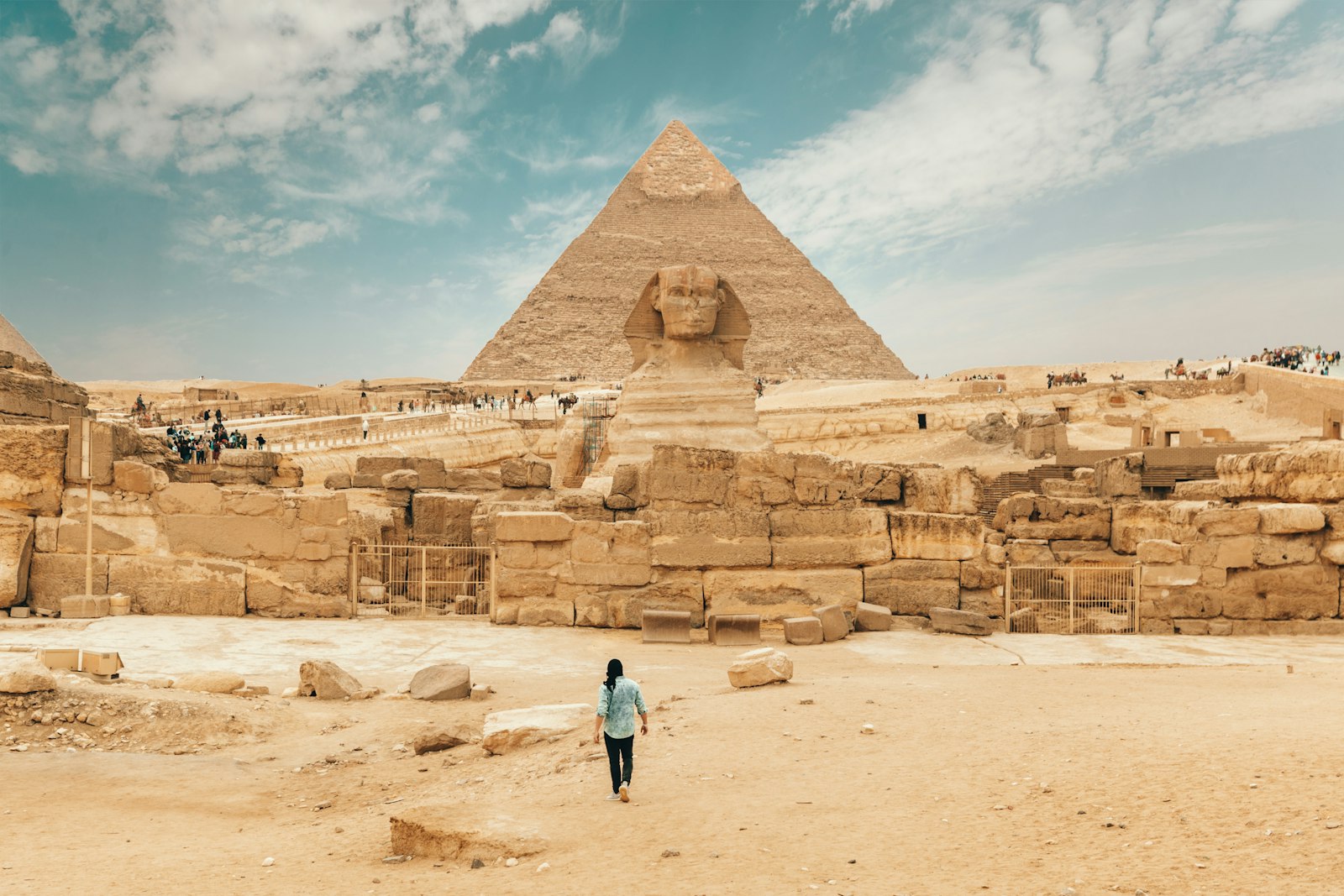
Mummification Museum
The only museum in the world entirely dedicated to the art of Egyptian mummification, with tools, canopic jars, animal mummies and the mummy of the priest Masaharta.
Luxor Museum
Elegant museum on the bank of the Nile with a curated selection of artefacts from the Theban necropolis, royal mummies and the blocks of the temple of Akhenaten.
Nubian Museum
The award-winning museum of Aswan that tells the millenary Nubian civilisation from prehistory to the present day, preserving artefacts saved from the submersion of Lake Nasser.
 🏆 UNESCO
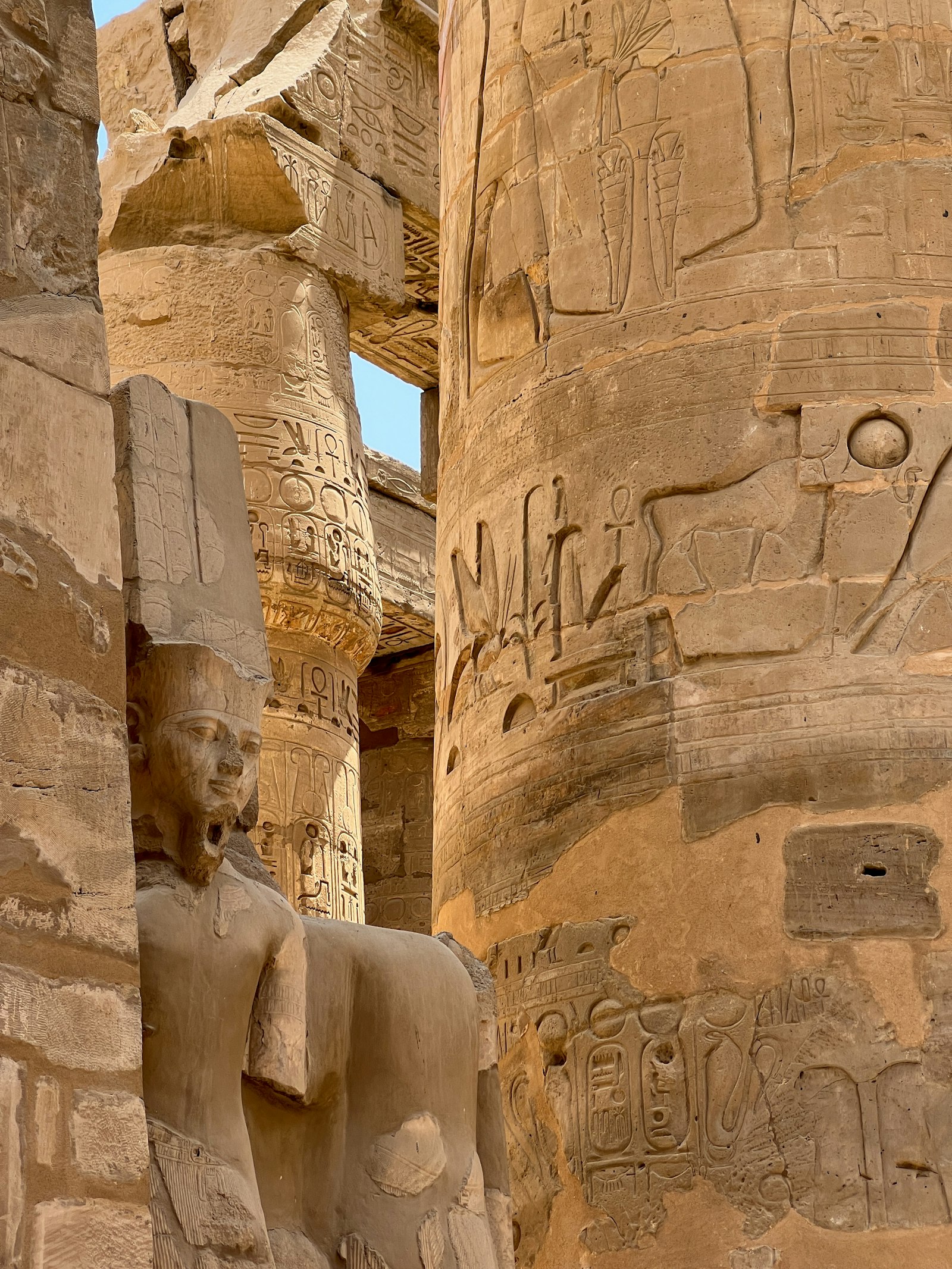
 Obelisk of Hatshepsut
The tallest obelisk still standing at Karnak, erected by the queen-pharaoh Hatshepsut in only seven months: a masterpiece of engineering in red granite from Aswan.
 🏆 UNESCO
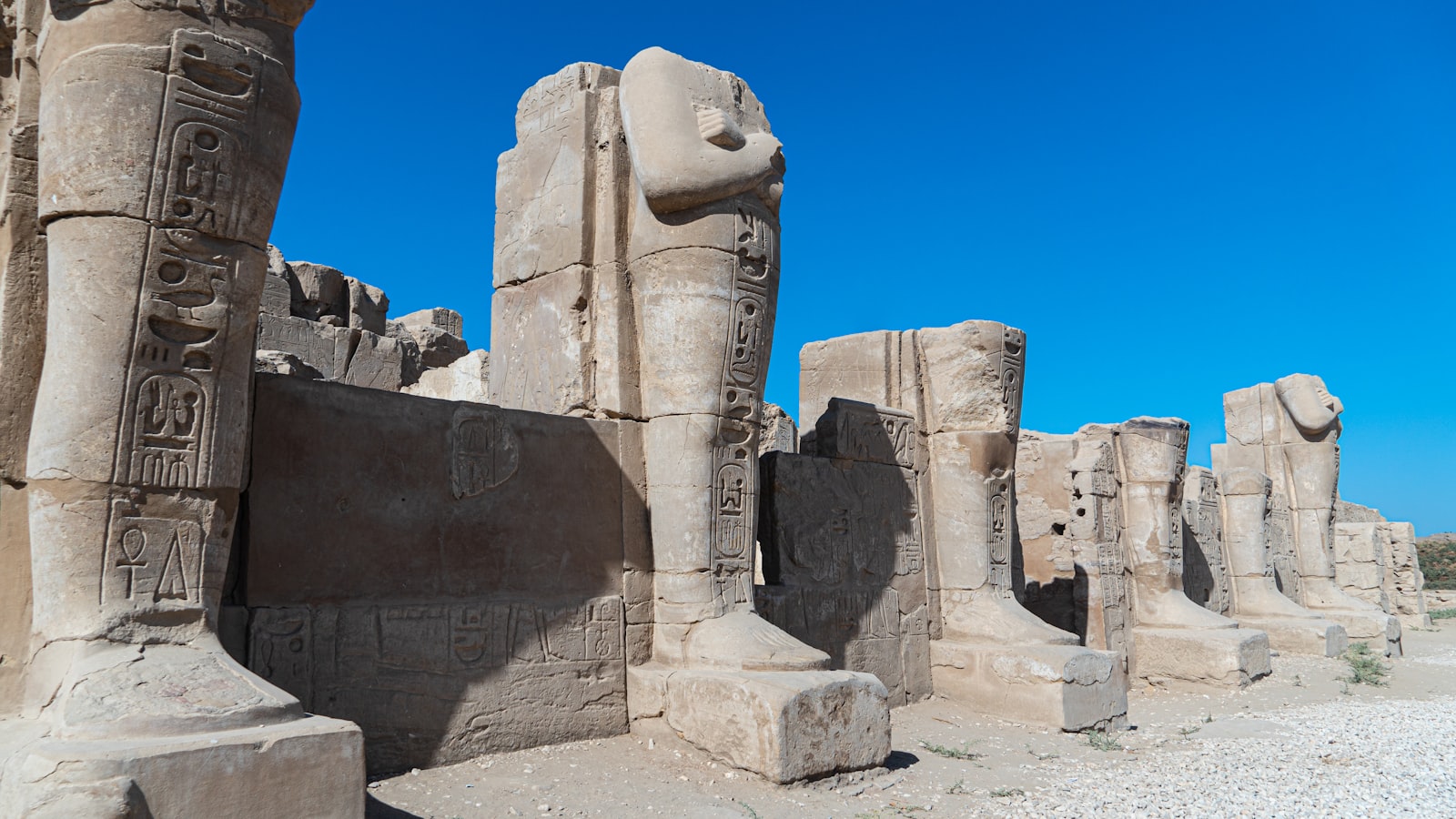
 Unfinished Obelisk
The gigantic obelisk never completed in the granite quarries of Aswan reveals the secrets of the extraction techniques of the ancient Egyptians.
🏆 UNESCO Precinct of Montu
The northern enclosure of the Karnak complex, dedicated to the falcon war god Montu, with ruins of great historical value and ongoing French excavations.
 🏆 UNESCO
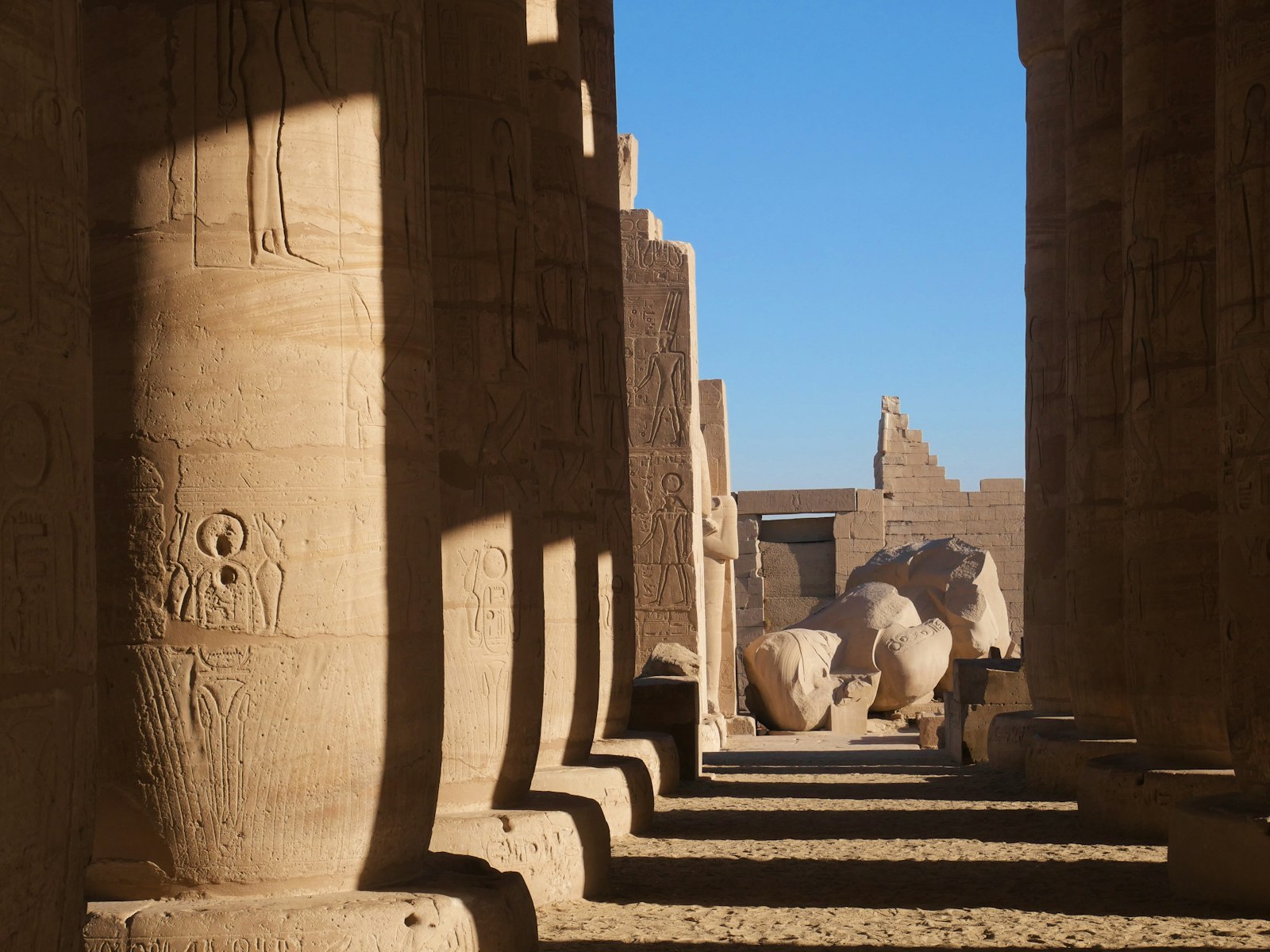
 Ramesseum
The grandiose funerary temple of Ramesses II, with the famous fallen colossal statue that inspired Shelley's Ozymandias.
 🏆 UNESCO
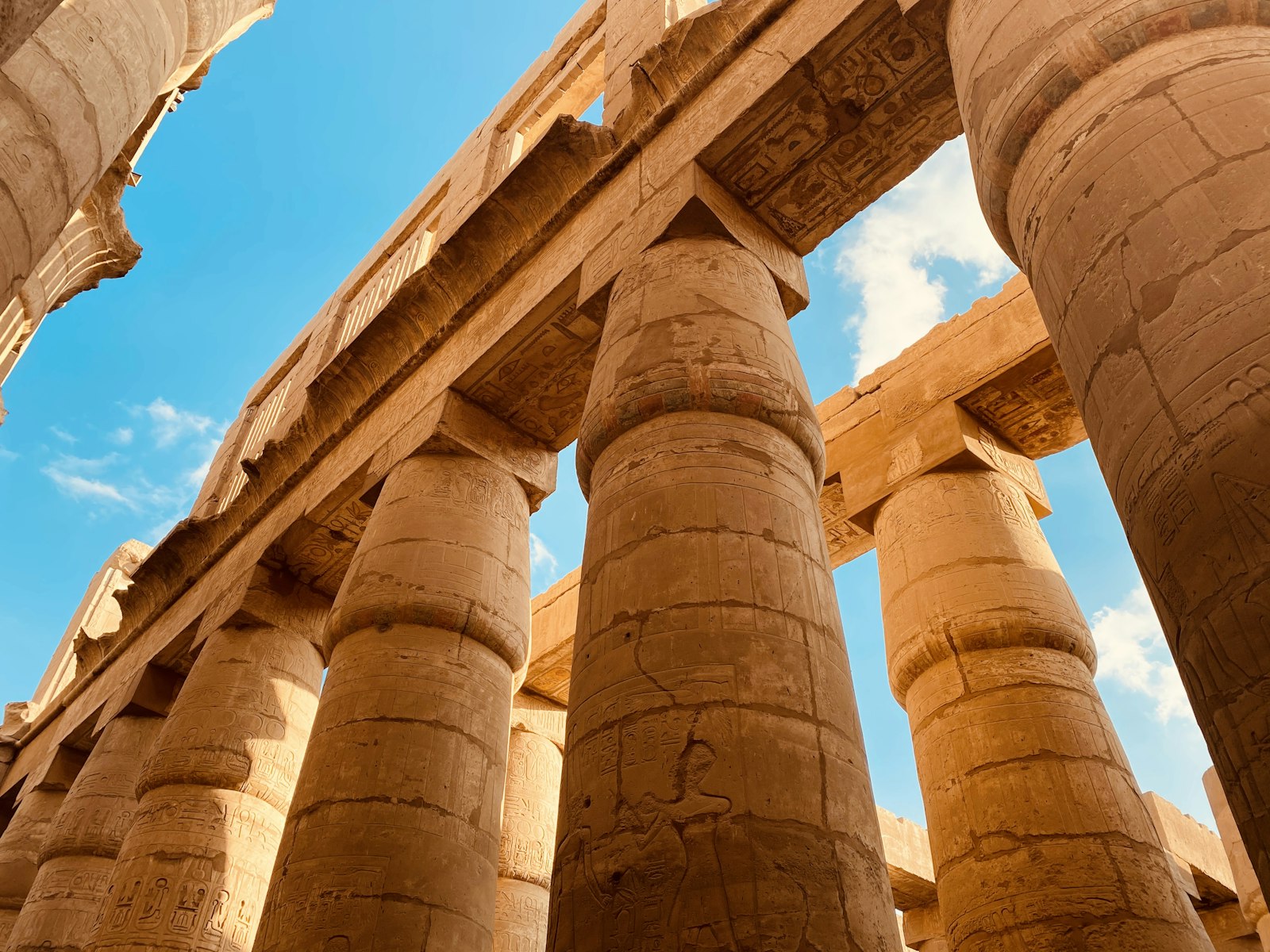
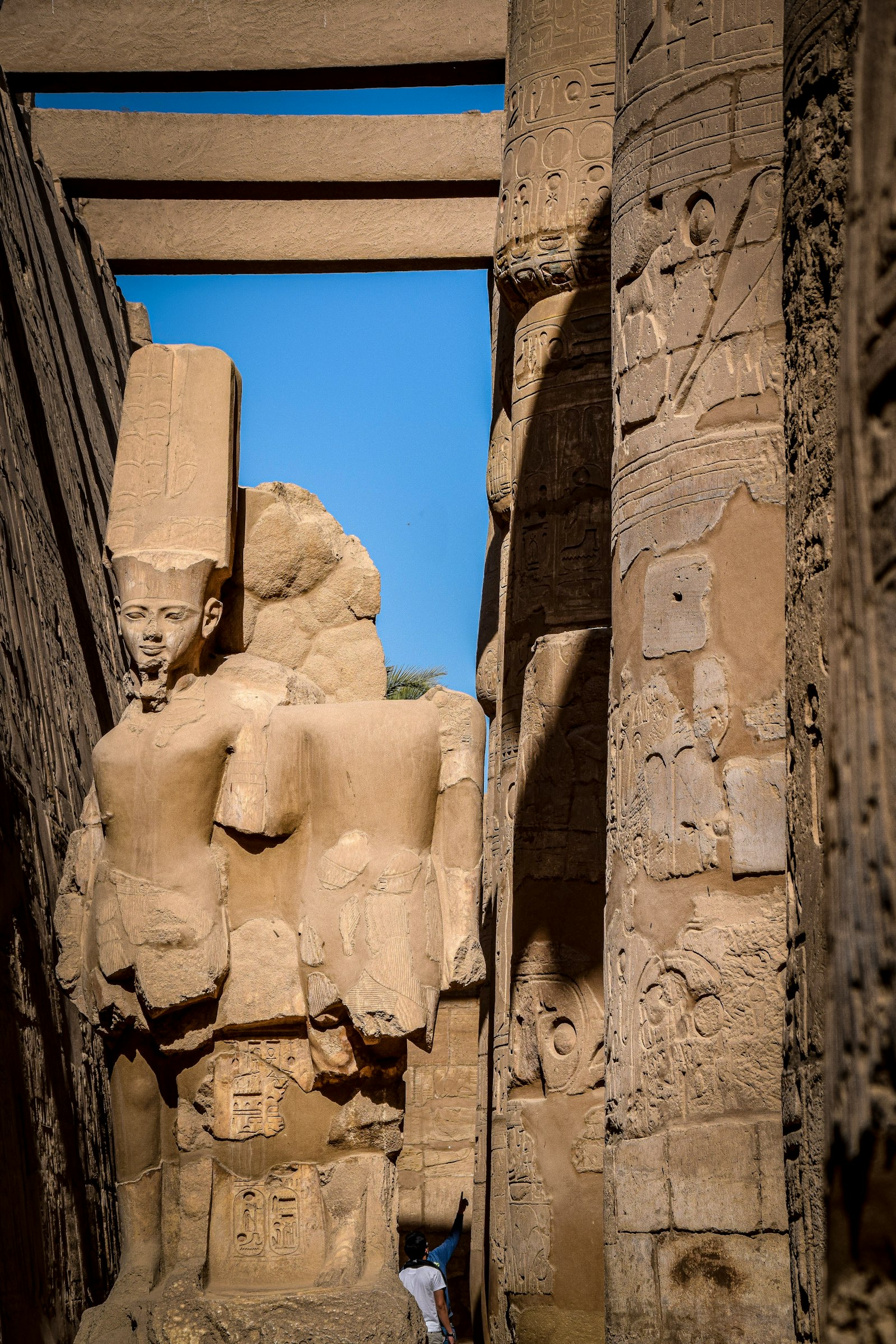
 Hypostyle Hall of Karnak
The largest religious hall ever built with 134 colossal columns over 5,000 sqm, supreme masterpiece of the architecture of the Egyptian New Kingdom.
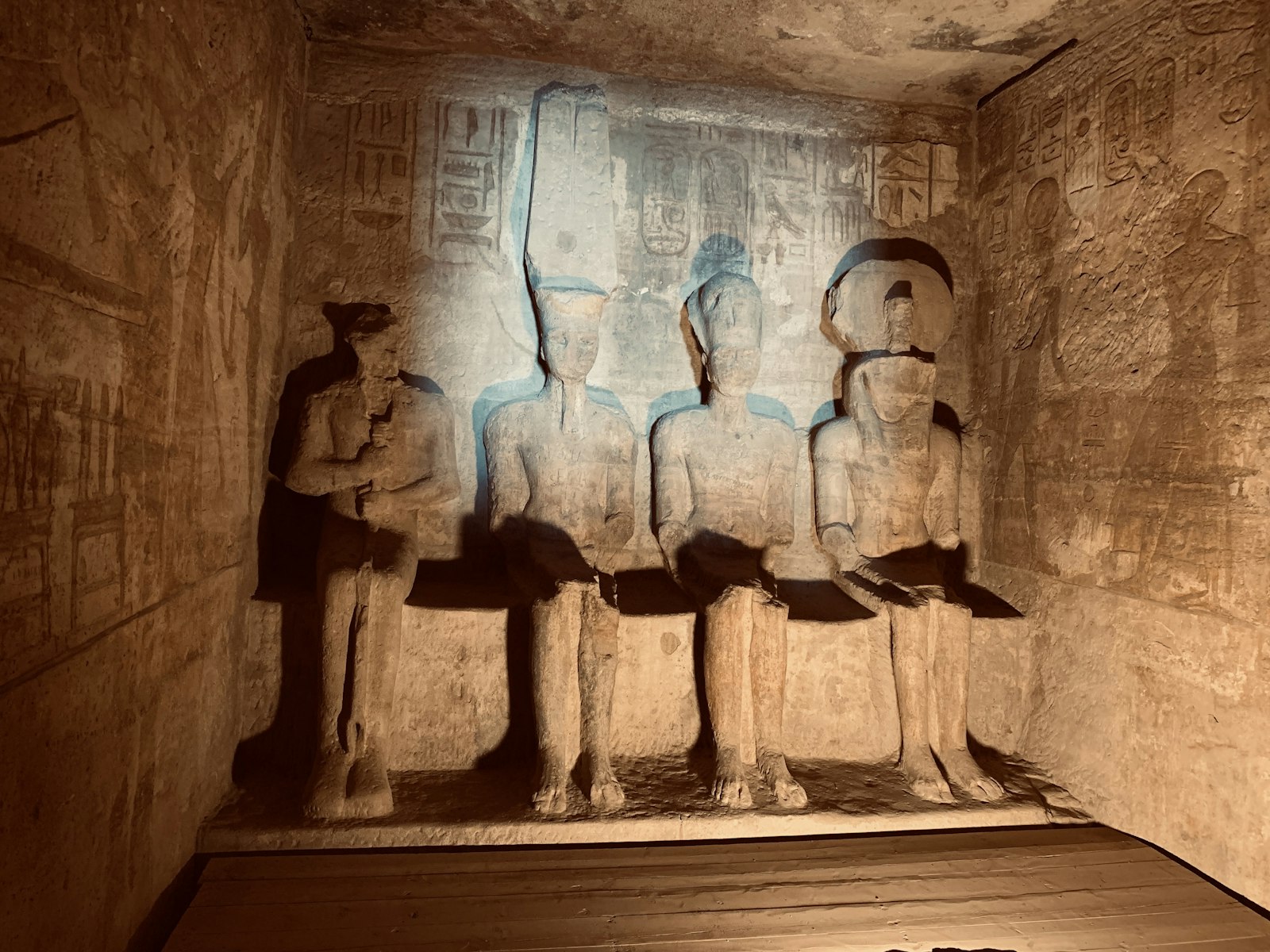
Temple of Seti I at Abydos
The funerary temple of Seti I at Abydos, famous for the finest hollow reliefs of ancient Egypt, the seven divine chapels, the King List and the mysterious Osireion.
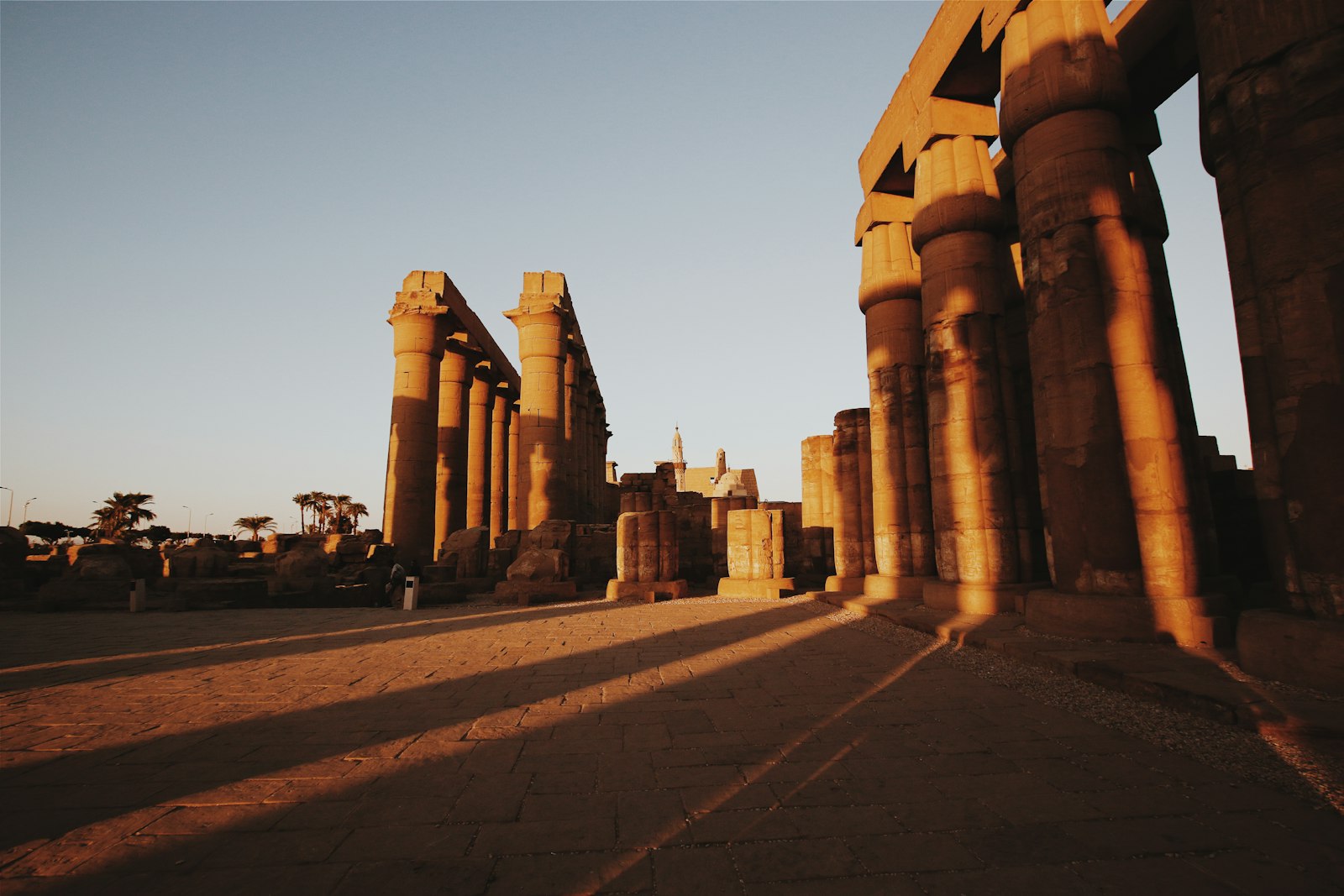 🏆 UNESCO
 Amada Temple
The oldest Egyptian temple in Nubia, built by Thutmose III and Amenhotep II, famous for its reliefs of extraordinary finesse and its integral movement on rails.
🏆 UNESCO Beit el-Wali Temple
Small but richly decorated rock temple of Ramesses II in Lower Nubia, celebrated for its vivid battle scenes and remarkably preserved original colours.
 🏆 UNESCO
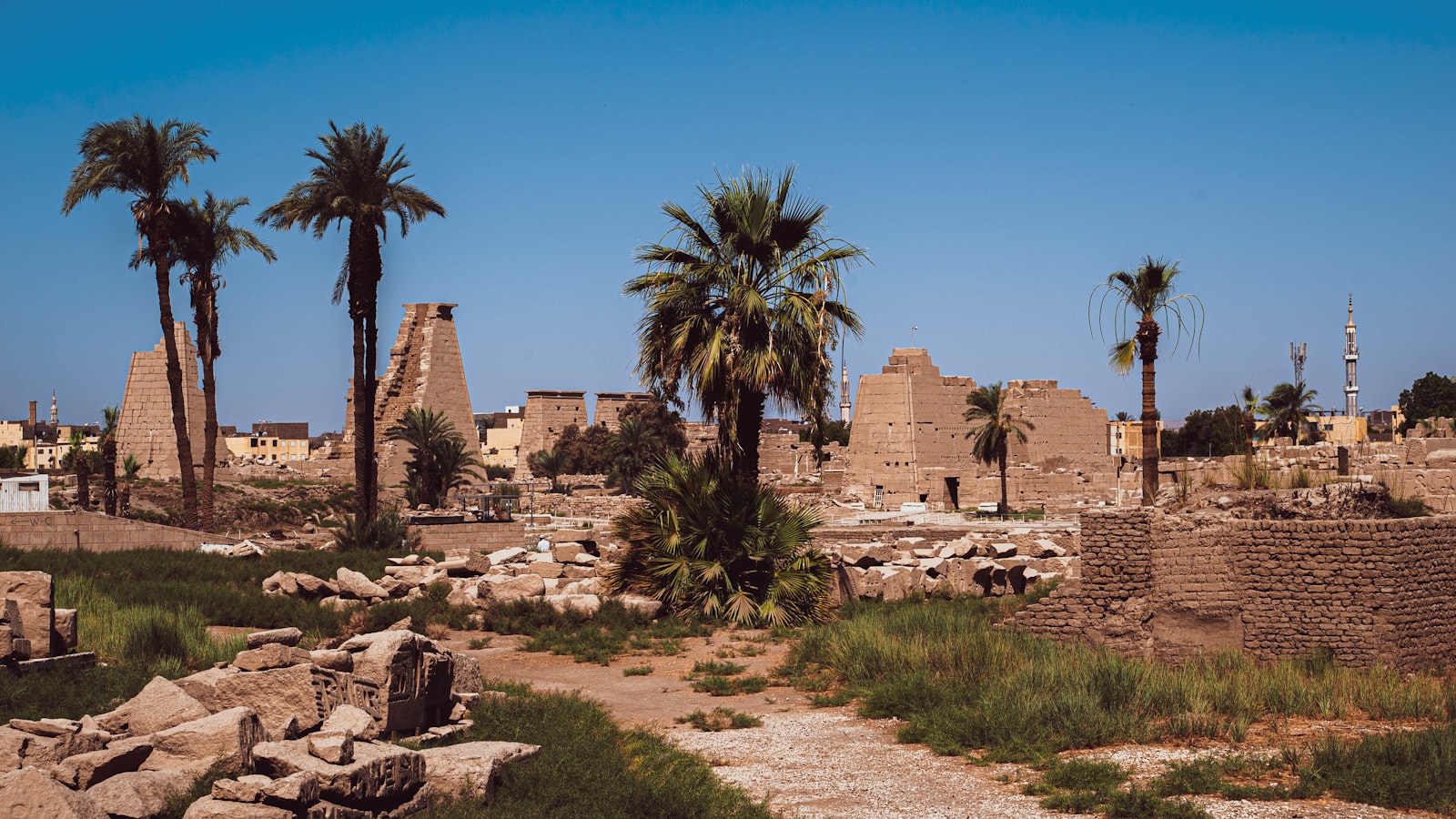
 Temple of Dakka
A Ptolemaic-Roman temple dedicated to the god Thoth on the shores of Lake Nasser, unique for its reversed orientation and its mighty pylon visible from a great distance.
Temple of Dendera
The best-preserved temple of ancient Egypt, dedicated to the goddess Hathor, famous for its astronomical ceiling and vivid colours still intact after two thousand years.
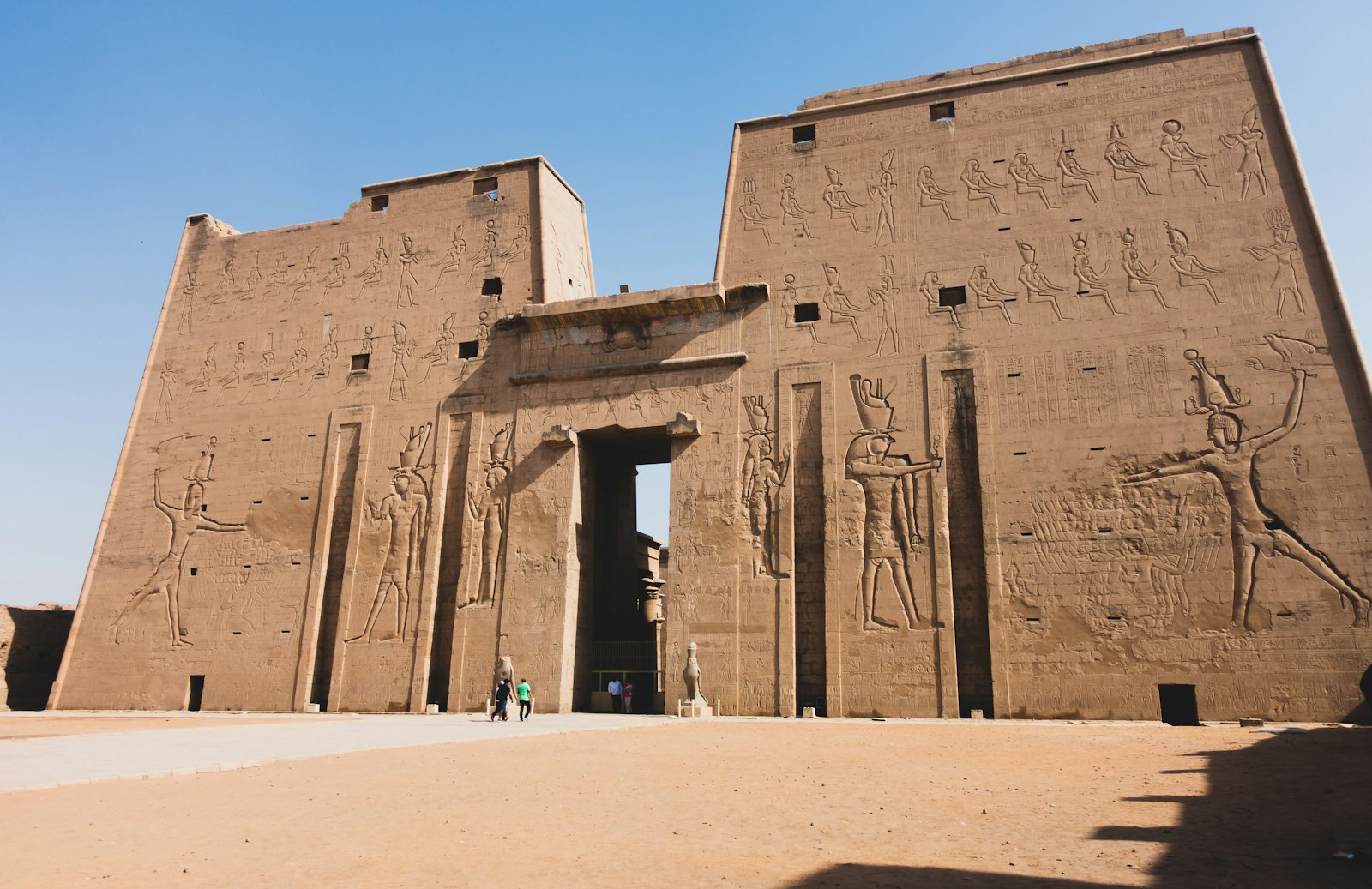
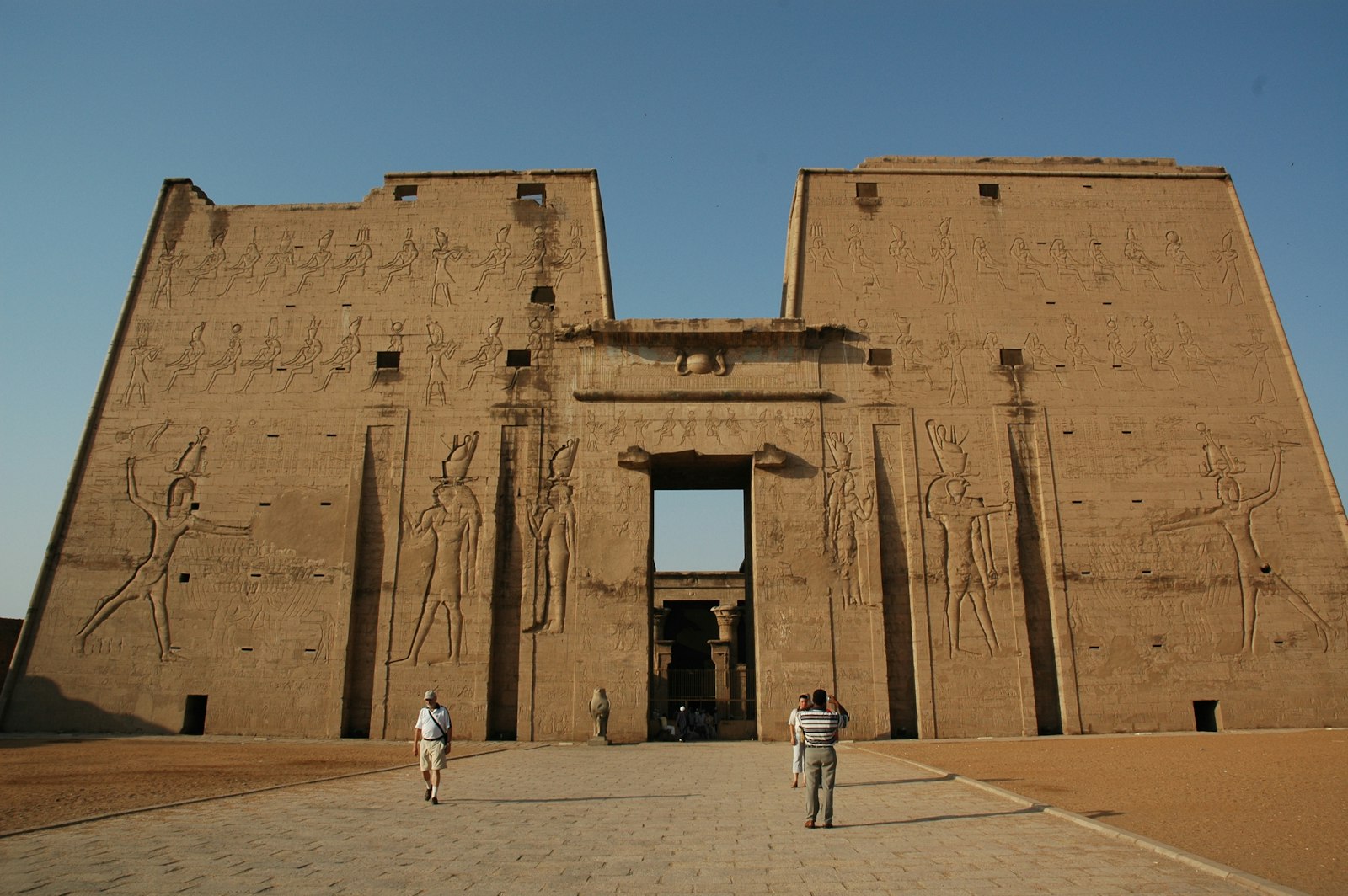
Temple of Edfu
The best preserved temple of ancient Egypt, dedicated to the falcon god Horus, masterpiece of Ptolemaic architecture with its pylon 36 metres high.
Temple of Esna
The Temple of Khnum at Esna, a Ptolemaic-Roman jewel buried nine metres below street level, famous for its recently restored astronomical ceiling.
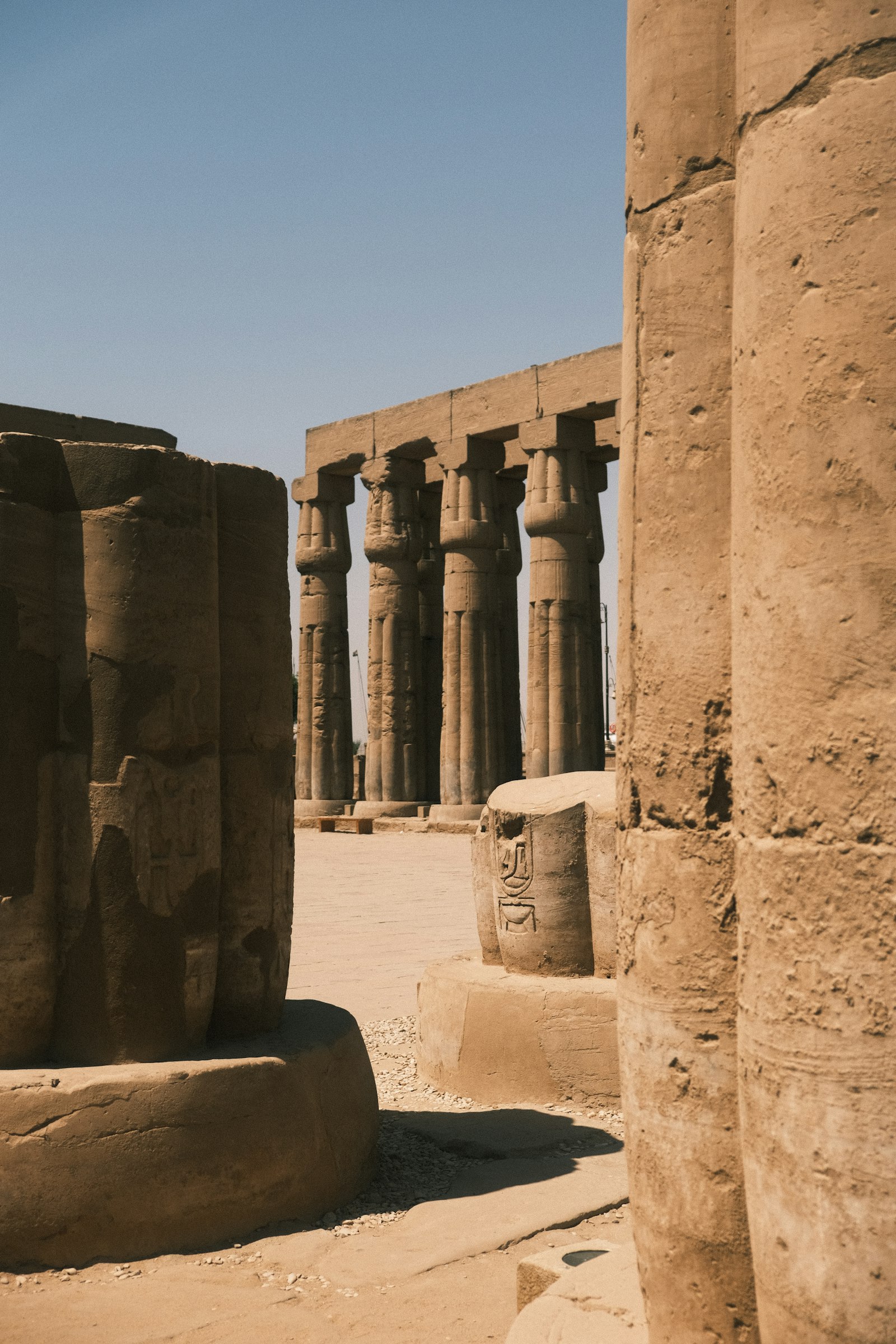 🏆 UNESCO
 Temple of Hatshepsut
The majestic terraced mortuary temple of Deir el-Bahari, an architectural masterpiece of the queen-pharaoh Hatshepsut.
🏆 UNESCO Temple of Kalabsha
The largest free-standing temple of Lower Nubia, dedicated to the Nubian solar god Mandulis, rebuilt near the Aswan Dam after its rescue from the waters of Lake Nasser.
🏆 UNESCO Temple of Karnak
The Temple of Karnak in Luxor is the largest temple complex of ancient Egypt. Discover its history, what to see, opening hours, tickets and how to get there.
🏆 UNESCO Temple of Khnum
The temple dedicated to the ram-headed god who created humanity on his potter's wheel, located on Elephantine Island in Aswan.
🏆 UNESCO Temple of Khonsu
Temple dedicated to the moon god Khonsu, son of Amun and Mut, a perfectly preserved example of Egyptian temple architecture within the Karnak complex.
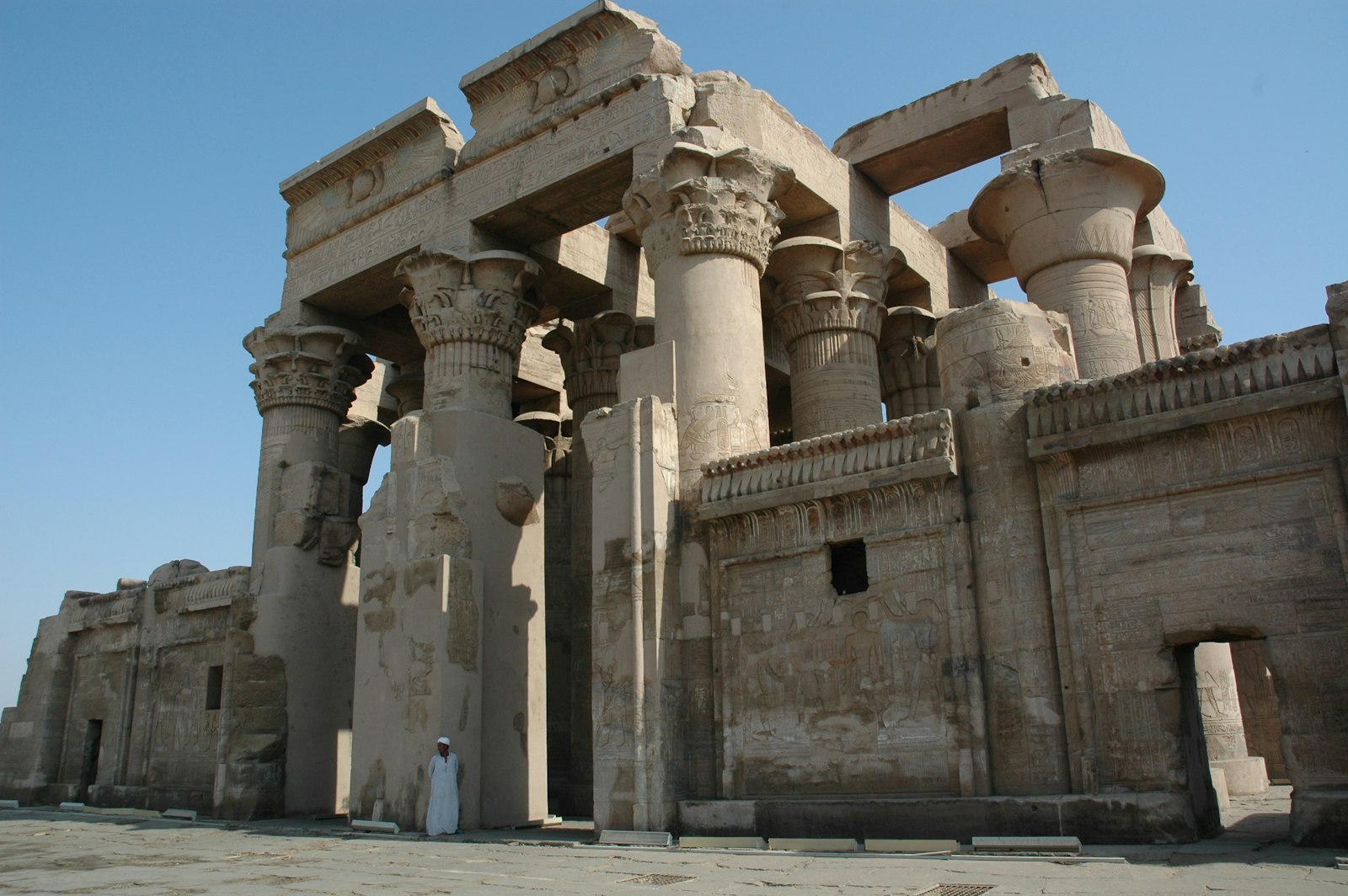
Temple of Kom Ombo
The only double temple of ancient Egypt, dedicated simultaneously to the crocodile god Sobek and the falcon god Haroeris, overlooking the Nile.
 🏆 UNESCO
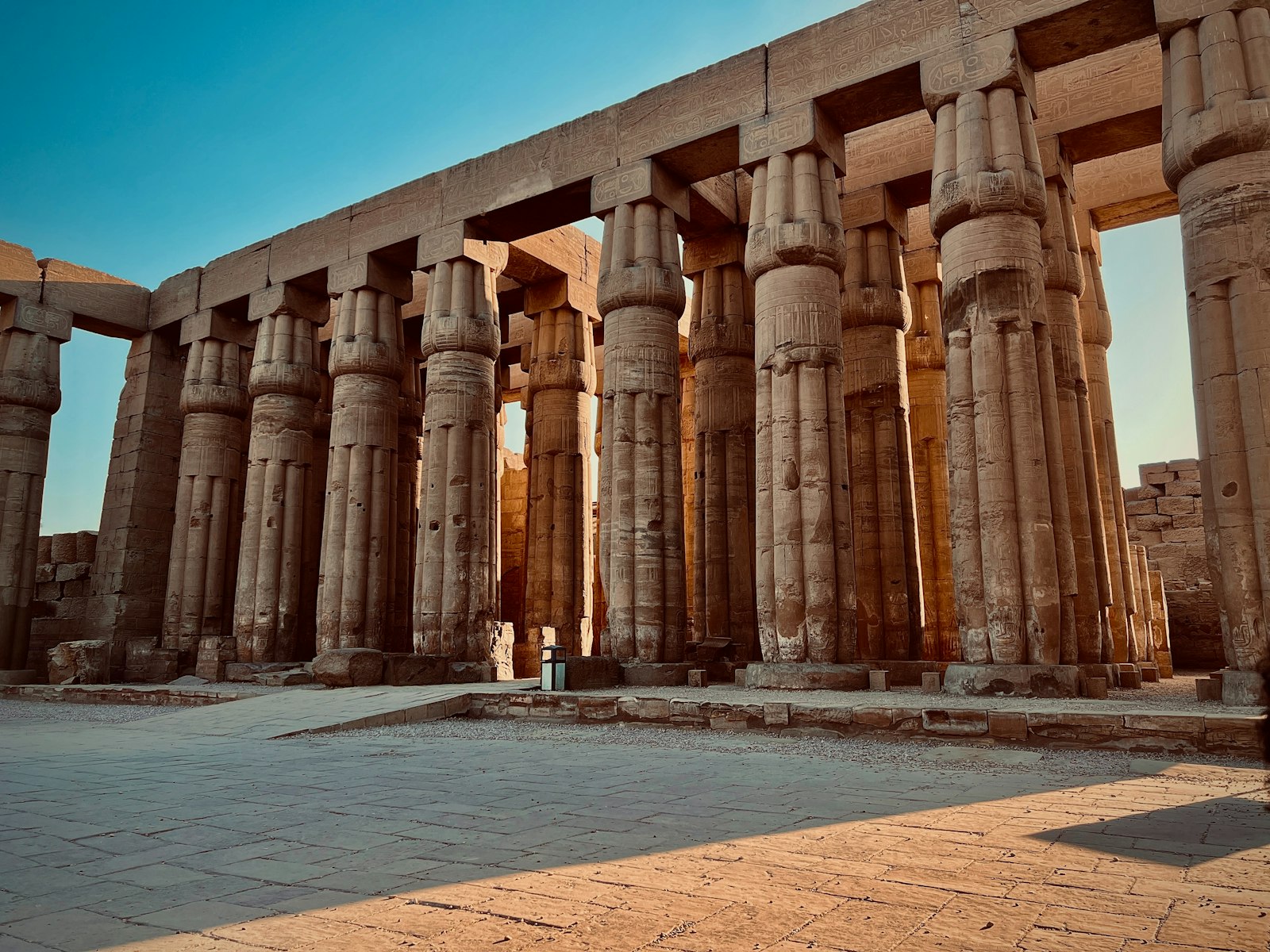
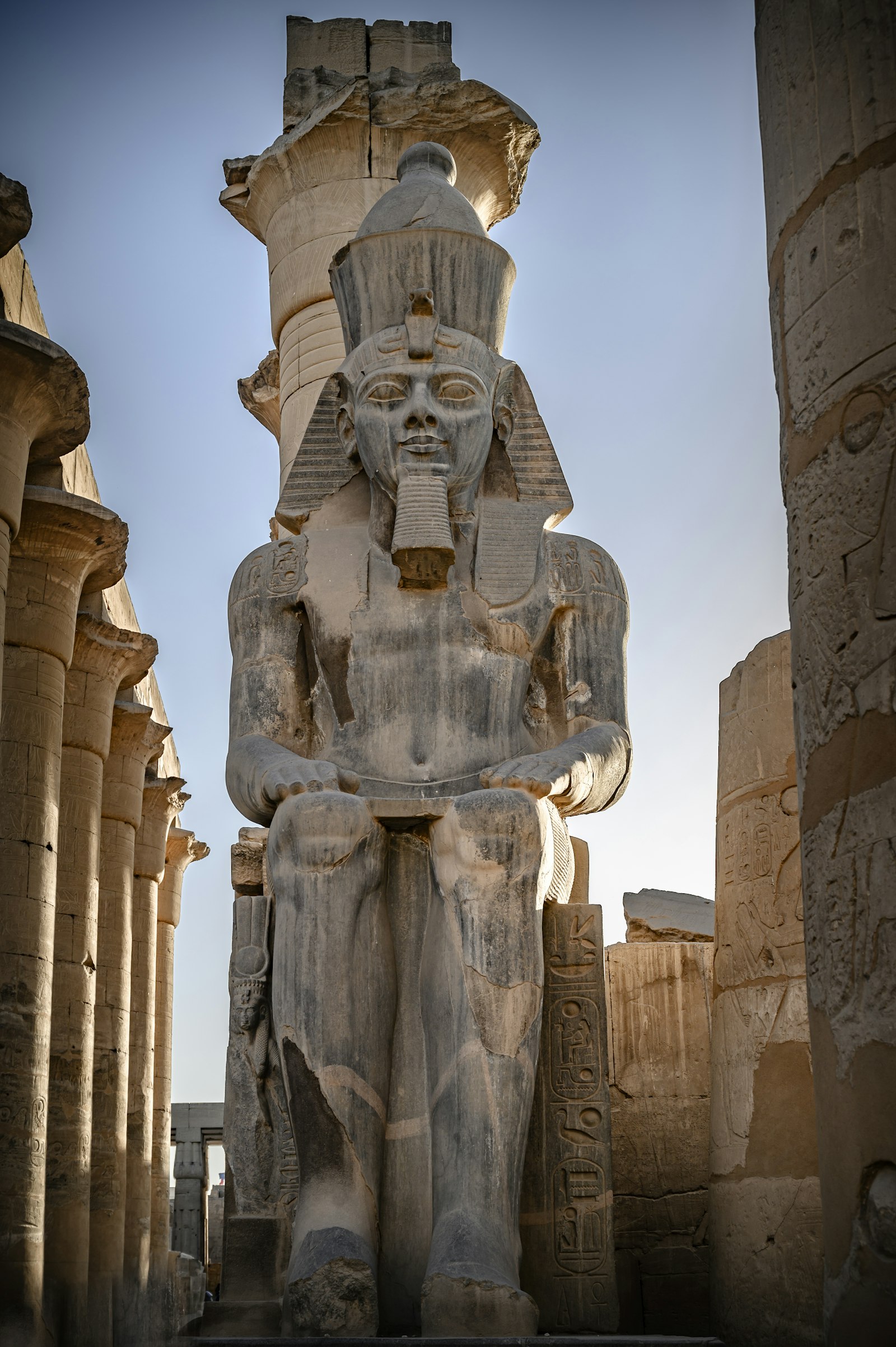
 Luxor Temple
A majestic temple on the eastern bank of the Nile, built by Amenhotep III and enlarged by Ramesses II, connected to the Temple of Karnak by the Avenue of the Sphinxes.
 🏆 UNESCO
 Temple of Merenptah
The funerary temple of pharaoh Merenptah on the western bank of Luxor, home of the famous Merenptah Stele (Israel Stele) and today an open-air museum with finds of great value.
🏆 UNESCO Temple of Mut
The sacred precinct of the goddess Mut in the Karnak complex, with the crescent-shaped sacred lake Isheru and over 700 statues of the goddess Sekhmet.
🏆 UNESCO Temple of Philae
The magnificent temple dedicated to the goddess Isis, relocated to Agilkia Island to save it from the waters of Lake Nasser, is one of the jewels of Upper Egypt.
🏆 UNESCO Temple of Seti I at Gurna
The mortuary temple of Seti I on the west bank of Luxor, famous for its refined bas-relief carvings and its unusual L-shaped plan, completed by his son Ramesses II.
🏆 UNESCO Temple of Wadi es-Sebua
Majestic temple of Ramesses II in the Valley of the Lions on the shores of Lake Nasser, with an evocative avenue of sphinxes and pharaonic reliefs converted in the Christian era.
🏆 UNESCO Tomb of Nefertari
The 'Sistine Chapel of Ancient Egypt': tomb QV66 with 520 square meters of polychrome paintings among the most beautiful ever created.
🏆 UNESCO Tomb of Ramesses VI
The tomb KV9 in the Valley of the Kings features one of the best-preserved astronomical ceilings of ancient Egypt, with the double representation of the Book of the Day and the Book of the Night.
🏆 UNESCO Tomb of Seti I
The tomb KV17 in the Valley of the Kings is the longest and deepest of the entire royal necropolis, famous for its painted reliefs of extraordinary refinement and its astronomical ceiling.
🏆 UNESCO Tomb of Tutankhamun
The famous KV62 tomb in the Valley of the Kings, discovered intact by Howard Carter in 1922, held the richest funerary treasure ever found in ancient Egypt.
🏆 UNESCO Tombs of the Nobles of Aswan
Rock necropolis on the western bank of the Nile at Aswan, with tombs of governors and nobles of the Old and Middle Kingdom carved into the hill of Qubbet el-Hawa.
🏆 UNESCO Tombs of the Nobles
Over 400 tombs carved into the rock of the western bank of Luxor, famous for the lively scenes of daily life that offer a unique cross-section of ancient Egypt.
🏆 UNESCO Valley of the Kings
The Valley of the Kings in Luxor holds the tombs of ancient Egypt's most powerful pharaohs. A complete guide with history, tombs to see and tips.
🏆 UNESCO Valley of the Queens
The royal necropolis that houses over 90 tombs of queens and princes of the 18th–20th dynasties, including the famous tomb of Nefertari.
🏆 UNESCO Avenue of the Sphinxes
The ancient processional way, 2.7 km long, that connected the Temple of Karnak to the Temple of Luxor, flanked by over 1,350 sphinxes.
Wadi Hammamat
The ancient trade route between the Nile and the Red Sea, with its bekhen stone quarries, over 400 rock inscriptions and the oldest geological map in the world.