Marsa Matruh: The Turquoise Paradise of the Egyptian Mediterranean
Marsa Matruh, lying along one of the most spectacular bays of the Mediterranean, is a destination that defies every expectation about Egypt. Located about 290 kilometres west of Alexandria, this coastal city offers a landscape completely different from the Egypt of temples and pyramids: here the desert meets a sea of incredible tonalities of turquoise and azure, creating beaches that rival the most famous Caribbean destinations for the transparency of the waters and the beauty of the seabeds.
But Marsa Matruh is not only sea. The city and its surroundings guard very ancient stories that intertwine legends of the era of Cleopatra with the dramatic history of the Second World War, millenary Bedouin traditions with the charm of being the gateway to the oasis of Siwa, one of the most magical and isolated places of the entire Egypt.
Ancient History: In the Footsteps of Alexander the Great
The history of Marsa Matruh sinks its roots in the most remote antiquity. The area was known in the Greco-Roman era as Paraetonium (or Ammonia), a port city of remarkable strategic importance along the North African coast. The site was a fundamental stage along the route that the young Alexander the Great travelled in 331 BC to reach the oracle of Amun in the oasis of Siwa, a journey that would change the history of the ancient world.
According to the historical sources, Alexander stopped at Paraetonium during his epic crossing of the Libyan desert. The legend narrates that it was here that a miraculous rain saved the Macedonian army from dehydration, an event interpreted as a divine sign of the protection of Zeus-Amun. The site preserves traces of the Greco-Roman presence, although a great part of the archaeological heritage has been absorbed by the modern city or eroded by the sea and the wind.
The local tradition indissolubly links Marsa Matruh to queen Cleopatra VII, the last sovereign of Ptolemaic Egypt. The famous "Cleopatra's Beach" (Shati' Kleopatra) takes its name from the legend according to which the queen loved to bathe in this small rocky bay of crystalline waters. Although there exist no certain historical proofs of this association, the beauty of the place makes the legend perfectly plausible.
Cleopatra's Beach
Cleopatra's Beach is without doubt the most iconic attraction of Marsa Matruh. It is a small natural bay enclosed between rocky formations that create a sort of natural pool, where the waters take on shades of turquoise and emerald of extraordinary intensity. The white limestone rocks that surround the bay amplify the chromatic contrast with the blue of the sea, creating an almost surreal landscape.
According to the legend, Cleopatra chose this place for her baths because the waters of the bay were believed to possess beneficial properties for the skin and beauty. The rocks that surround the beach form natural protections that create calm and warm waters, ideal for swimming. The access to the beach takes place through a path among the rocks, and the small dimension of the bay contributes to creating an intimate and almost magical atmosphere.
Today the beach is one of the most photographed attractions of Egypt, and in the summer months it can be crowded with Egyptian visitors. To enjoy it at its best, it is advisable to visit it in the early hours of the morning or during the low tourist season, when it is possible to admire the bay in its natural quiet.
Rommel's Cave
Another site of great historical interest is Rommel's Cave, a natural cavern on the coast that served as the headquarters of the German field marshal Erwin Rommel during the campaign of North Africa in 1942. The cave, dug in the limestone cliff a few metres from the sea, offered a natural refuge protected from aerial bombardments and a relatively fresh climate compared to the surrounding desert.
Today the cave has been transformed into a small museum that exhibits relics of the Second World War: operational maps, uniforms, period photographs, light weapons and personal objects belonging to Rommel and his officers. A mannequin in the uniform of the field marshal is positioned behind a desk with maps of North Africa, recreating the atmosphere of the headquarters. Informative panels in Arabic, English and German recount the history of the Afrikakorps in Egypt and the strategic role of Marsa Matruh as a logistic base of the Axis forces.
The visit to the cave is an evocative experience that allows the conditions to be understood in which military operations were planned that would decide the fate of the war in the Mediterranean. The position of the cave, with the view of the sea and of the rocky coast, also offers excellent photographic opportunities.
Ageeba Beach: The "Miracle" of the Mediterranean
About 28 kilometres west of Marsa Matruh is found Ageeba Beach, whose name in Arabic means "miracle" or "wonder", an appellation fully deserved. This beach, considered by many the most beautiful of the entire Egyptian Mediterranean coast, is set among high white limestone cliffs that plunge into a sea of a dazzling turquoise.
The beach is reachable by descending a staircase dug in the rock, and the visual impact on arrival is breathtaking: the water is so clear that from the edge of the cliff it is possible to see clearly the seabed at several metres of depth. The rocky formations have created caves, natural arches and small inlets that lend themselves to exploration with mask and snorkel.
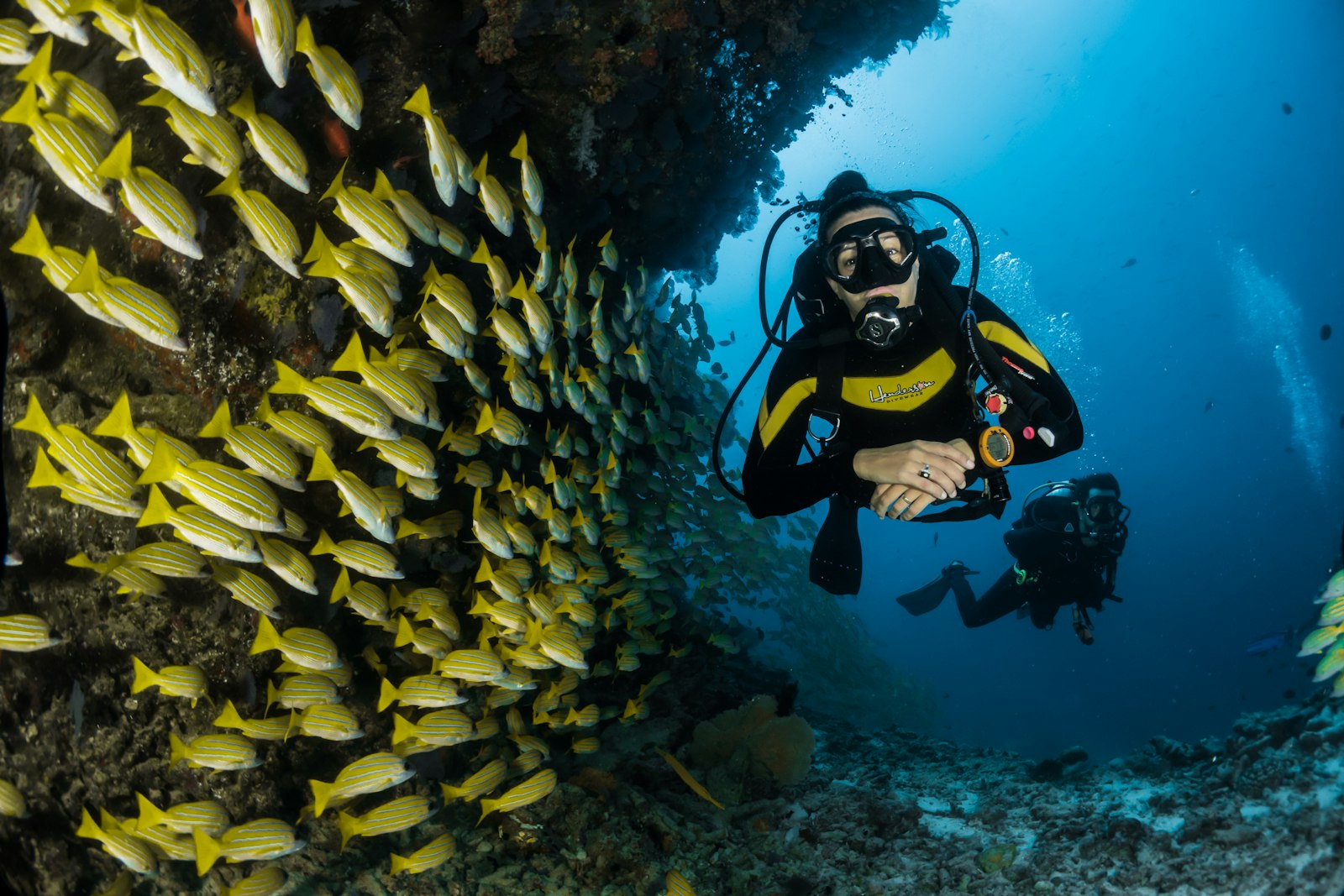
Ageeba is perfect for snorkeling thanks to the richness of the marine life in its rocky seabeds. Colourful fish, starfish and sea urchins populate the shallow waters near the rocks, offering an underwater spectacle accessible also to beginners. Small bars and kiosks on the cliff offer fresh drinks and snacks, but it is advisable to bring one's own food and water for a more comfortable day.
The Bedouin Culture
Marsa Matruh and its hinterland are the traditional territory of the Bedouin tribes of western Egypt, in particular the Awlad Ali, who have inhabited the region for centuries. The Bedouin presence confers on the city a distinctive cultural character compared to the rest of Egypt, with its own traditions, customs, music and gastronomy.
The Bedouin market of Marsa Matruh is a fascinating place where it is possible to purchase traditional hand-embroidered fabrics, silver jewellery, desert dates, medicinal herbs and local handicrafts. The Bedouin women are known for their elaborate embroideries of vivid colours, which decorate clothes, cushions and carpets with geometric motifs handed down from generation to generation.
The local Bedouin cuisine is simple but tasty, based on lamb meat, rice, bread cooked in the desert and tea seasoned with wild herbs. Some restaurants in Marsa Matruh offer dishes of the Bedouin tradition alongside classic Egyptian cuisine, allowing visitors to discover authentic and little-known flavours.
Gateway to the Oasis of Siwa
Marsa Matruh is the traditional point of departure to reach the oasis of Siwa, one of the most fascinating and remote places of Egypt, situated about 300 kilometres to the south in the western desert. Buses and shared taxis connect daily the two cities through an asphalted road that crosses a desert landscape of austere beauty.
Before undertaking the journey towards Siwa, many travellers choose to stop at Marsa Matruh for one or two days, combining the sea with the adventure in the desert. This combination makes Marsa Matruh a strategic node for travellers who wish to explore western Egypt, a region still largely outside the traditional tourist circuits and rich in authentic surprises.
The Egyptian Beach Season
For Egyptians, Marsa Matruh is one of the most beloved summer marine destinations. During the months of June, July and August, the population of the city multiplies, with families coming from Cairo, from Alexandria and from all the Nile delta who crowd the beaches and the resorts. The atmosphere is lively and festive, with animated seafronts, open-air restaurants and a relatively lively nightlife by Egyptian standards.
For foreign visitors, the summer period can turn out too hot and crowded. The best months to visit Marsa Matruh with milder temperatures and less crowded beaches are the autumn (October-November) and the spring (March-May), when the sea is still warm enough to bathe and the conditions are ideal to explore the historical sites.
Tips for the Visit
How to Get There
Marsa Matruh is reachable from Cairo in about five hours by car along the coastal motorway, or by bus with several companies that operate daily runs. A night train connects Cairo to Marsa Matruh during the summer season. The city also has an airport with seasonal flights from the principal Egyptian cities.
Where to Stay
The city offers a range of accommodations that goes from the economical hotels in the centre to the resorts on the beach. For a more authentic experience, the eco-lodges in the zone of Ageeba offer simple but evocative accommodations on the seashore. In the summer months it is fundamental to book well in advance.
Beaches Not to Miss
Besides Cleopatra Beach and Ageeba, the beach of Obayed with its very fine white sand, the beach of El-Gharam (the Beach of Love) with its sea caves, and the beach of the city itself, the Corniche, comfortably accessible from the centre, merit a visit. Each beach has a different character, from the wild Ageeba to the more equipped Corniche.
Practical Suggestions
High-protection sunscreen is indispensable, as well as a hat and sunglasses. Drinking water is available everywhere but it is advisable to buy bottled water. For the excursions to the more remote beaches, hire a car or a taxi for the day. Respect the local customs, especially regarding clothing in the less touristic zones of the city. For women, a pareo or a cover-up to wear outside the beach is advisable for social comfort.
Marsa Matruh is a revelation for those who seek a different Egypt: a place where the desert meets a Caribbean sea, where the legends of Cleopatra mix with modern history, and where the Bedouin hospitality welcomes the traveller with the simplicity and the warmth that only the desert knows how to give.