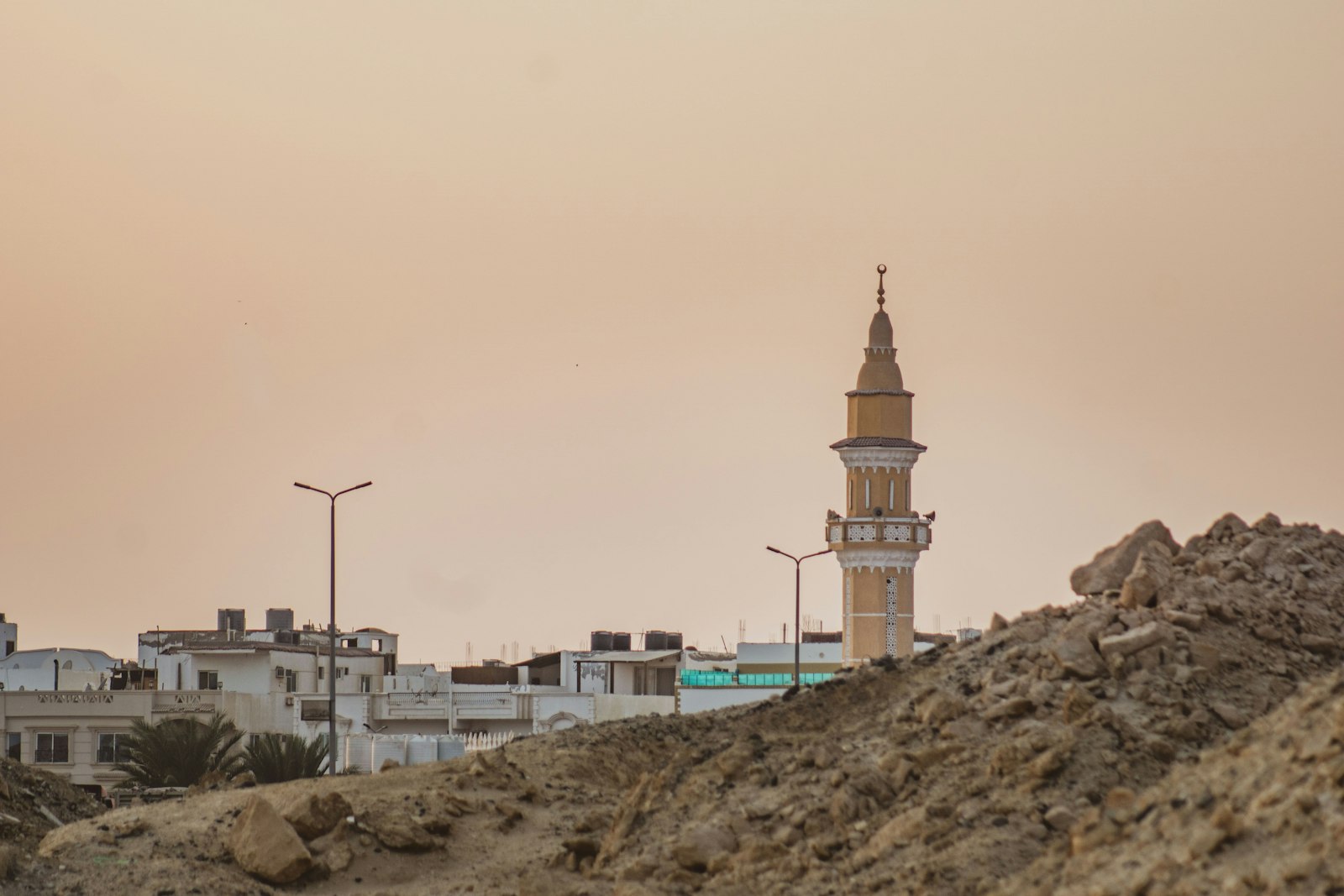
The Mosque of Sayyed Ahmed el-Badawi: Spiritual Heart of the Delta
The Mosque of Sayyed Ahmed el-Badawi, located in the centre of the city of Tanta, is one of the most venerated places of worship in all of Egypt and the focal point of the largest religious festival in the country. Every year, in the month of October, more than three million people converge on this city of the Nile Delta to celebrate the moulid (patronal feast) of Sayyed Ahmed el-Badawi, the most beloved Sufi saint of Egypt. The mosque, with its unmistakable green dome and its elegant minarets, is not only a religious building: it is the centre of a popular tradition that has its roots in the 13th century and continues to profoundly shape the culture and identity of the Nile Delta.
For the visitor who wishes to know an authentic Egypt, far from the traditional tourist circuits, the Mosque of Sayyed el-Badawi and its moulid offer a unique and unforgettable experience, a plunge into popular spirituality and the cultural vitality of a nation that lives its faith with a contagious passion and energy.
Sayyed Ahmed el-Badawi: the Saint of the Delta
The Life of the Saint
Sayyed Ahmed el-Badawi was born in Fez, Morocco, in 1199 AD (596 of the Hijra), in a family that proclaimed itself descended from the Prophet Muhammad through the line of Hussein. From a young age he showed a strong inclination towards mysticism and the spiritual life. After a pilgrimage to Mecca and a stay in Iraq, where he studied under Sufi masters, he settled in Tanta in 1236, where he spent the rest of his life dedicating himself to meditation, teaching and asceticism.
Tradition recounts that el-Badawi spent long periods in contemplation on the roof of a house, with his gaze fixed towards the sky, exposed to the sun and the elements. From this practice would derive his nickname "el-Badawi" (the Bedouin), although other interpretations connect the name to his Moroccan origin. His eyes, described as penetrating and luminous, were often veiled by a piece of cloth, and his gaze was held to be so powerful that it could heal diseases and cast out demons.
The Ahmadiyya Order
Before his death, which occurred in 1276, Sayyed Ahmed el-Badawi founded the Sufi order Ahmadiyya, which would become one of the most important and widespread mystical brotherhoods of Egypt. The order is characterised by its particularly intense rituals of dhikr (remembrance of God), with chants, dances and rhythmic recitations that induce states of mystical ecstasy. The followers of the order traditionally wear a red band around the head, symbol of their belonging to the brotherhood.
Over the centuries, the Ahmadiyya order has exercised an enormous influence on the religious and social life of the Nile Delta, forming a capillary network of zawiya (small centres of prayer) and tekke (Sufi convents) that have shaped the popular spirituality of the region. Still today the order counts millions of adherents in Egypt and the Arab world.
The Mosque
History of the Building
The original mosque was built immediately after the death of Sayyed Ahmed el-Badawi, in the 13th century, as a simple mausoleum to house his remains. Over the centuries, the structure was expanded and rebuilt several times, following the growth of the cult of the saint and the ever-greater influx of pilgrims. The Mamluk sultans, the Ottoman governors and the Egyptian khedives all contributed to the expansion and embellishment of the building, aware of the political and religious importance of the shrine.
The current building dates largely to the reconstruction of 1902, commissioned by Khedive Abbas Hilmi II. This reconstruction, in neo-Islamic style, gave the mosque the appearance it retains today: a large prayer hall with colonnades, a green dome that stands out in the sky of Tanta and slender minarets that dominate the skyline of the city.
Architecture and Decorations
The mosque is distinguished by its elegant architecture and its refined decorations. The main dome, painted green (colour of Islam and of the family of the Prophet), surmounts the mausoleum of the saint. The interior of the prayer hall is illuminated by crystal chandeliers and decorated with Quranic calligraphy in gold. The mausoleum of Sayyed el-Badawi, surrounded by a railing in worked brass, is the focal point of the devotion of the faithful, who gather in prayer and meditation around the tomb of the saint.
The floors are covered with Persian carpets, and the walls are clad in marble and stuccoes decorated with geometric and vegetal motifs typical of Islamic art. Two minarets flank the main façade, conferring on the mosque a harmonious and imposing silhouette.
The Moulid: the Largest Religious Festival in Egypt
The Unfolding of the Feast
The moulid of Sayyed Ahmed el-Badawi is held every year at the end of October and lasts about a week, culminating in the "great night" (leyla kebira) that coincides with the anniversary of the birth of the saint. During this week, Tanta is transformed into an immense festive city, with over three million visitors who pour into the streets, the squares and the parks of the city.
The streets around the mosque become a labyrinth of stalls that sell sweets typical of the moulid (hummus al-sham, cotton candy, sugared peanuts), traditional toys (the famous "moulid dolls" in painted sugar), spices, incense and religious objects. The atmosphere is an intoxicating mix of sacred and profane, of prayer and feast, of devotion and commerce.
The Sufi Rituals
The spiritual heart of the moulid are the ceremonies of dhikr that are held in the tents and the squares around the mosque. The various Sufi brotherhoods gather for hours of rhythmic recitation of the name of God, accompanied by movements of the body, traditional music and mystical chants. These sessions can last the entire night and reach moments of extraordinary emotional intensity, with participants who enter into states of mystical trance.
The brotherhoods parade through the streets of Tanta with coloured banners, drums and flutes, each with its own distinctive costumes and rituals. The main procession, which travels the streets from the centre of the city to the mosque, is a spectacular event that involves tens of thousands of people.
The Popular Culture of the Moulid
The moulid of Tanta is much more than a religious event: it is a celebration of Egyptian popular culture in its most authentic expressions. The traditions of the moulid include the exchange of sweets, visits to relatives, the purchase of toys for children and participation in popular entertainment shows. The famous "moulid dolls", figurines of hand-painted sugar that represent horsemen, brides and fantastical characters, are an iconic element of the feast.
The popular music of the moulid mixes Sufi devotional chants with folkloric melodies of the Delta, creating a unique musical repertoire that represents a precious testimony of Egyptian oral tradition. Popular narrators recount stories of saints and miracles, keeping alive a literary tradition that goes back to the Middle Ages.
Religious Tourism in the Delta
An Authentic Experience
The Mosque of Sayyed el-Badawi represents a unique opportunity for the traveller who wishes to understand the religious and spiritual dimension of contemporary Egypt. Unlike the great tourist sites, where history is presented in a museum-like manner, here the faith is living and palpable, and the visitor is welcomed with the traditional Egyptian hospitality.
Even outside the period of the moulid, the mosque deserves a visit for its architecture, its atmosphere of recollection and the possibility of observing the daily devotion of the faithful. The Friday prayers are particularly evocative, with the mosque packed with faithful who gather for the khutba (sermon) and the communal prayer.
Practical Tips for the Visit
How to Get There
Tanta is located about 90 kilometres to the north of Cairo, in the centre of the Nile Delta. The city is comfortably reachable by train from the central station of Cairo, with frequent trains that take about an hour and a half. By car, the journey lasts about an hour and a half through the agricultural highway of the Delta. The mosque is located in the centre of the city, easily reachable on foot from the railway station.
Rules of Conduct
As for all mosques, respectful clothing that covers arms and legs is required. Women must cover their head with a headscarf. It is necessary to take off your shoes at the entrance. Photography is generally permitted outside, but it is courtesy to ask permission before photographing inside or during religious ceremonies.
When to Visit
The mosque can be visited all year round, but the most intense experience is lived during the moulid of October. If you decide to visit during the moulid, it is essential to book accommodation well in advance, since the city fills completely. It is advisable to arrive in the first days of the festive week, when the atmosphere is already vibrant but the crowd is less oppressive compared to the leyla kebira.
The Mosque of Sayyed Ahmed el-Badawi and its moulid represent one of the most authentic and moving expressions of Egyptian popular spirituality, a place where the sacred and the profane merge in a celebration of life, faith and community that leaves a profound mark on the heart of every visitor.