The Valley of the Queens: Eternal Dwelling of the Great Royal Wives
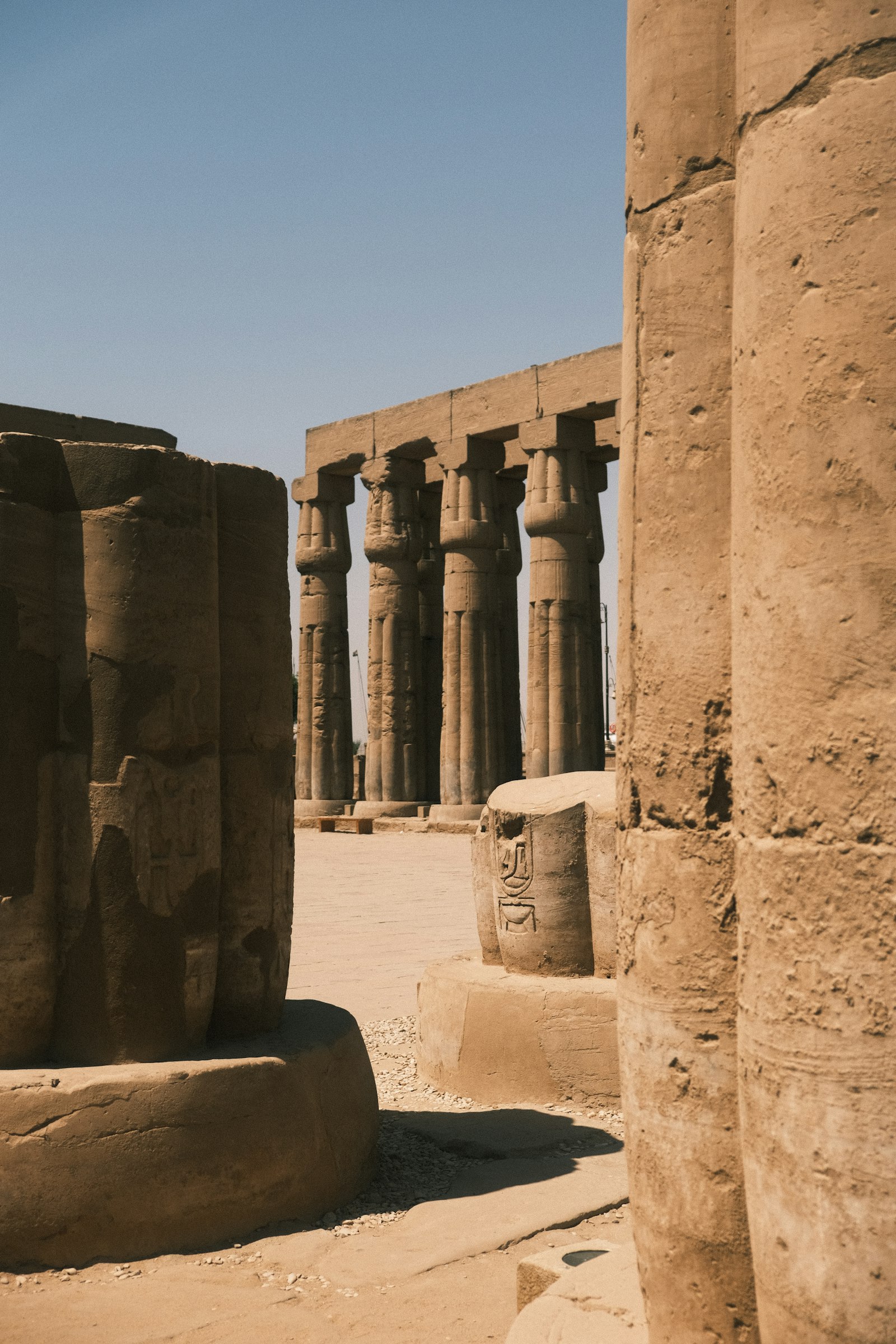
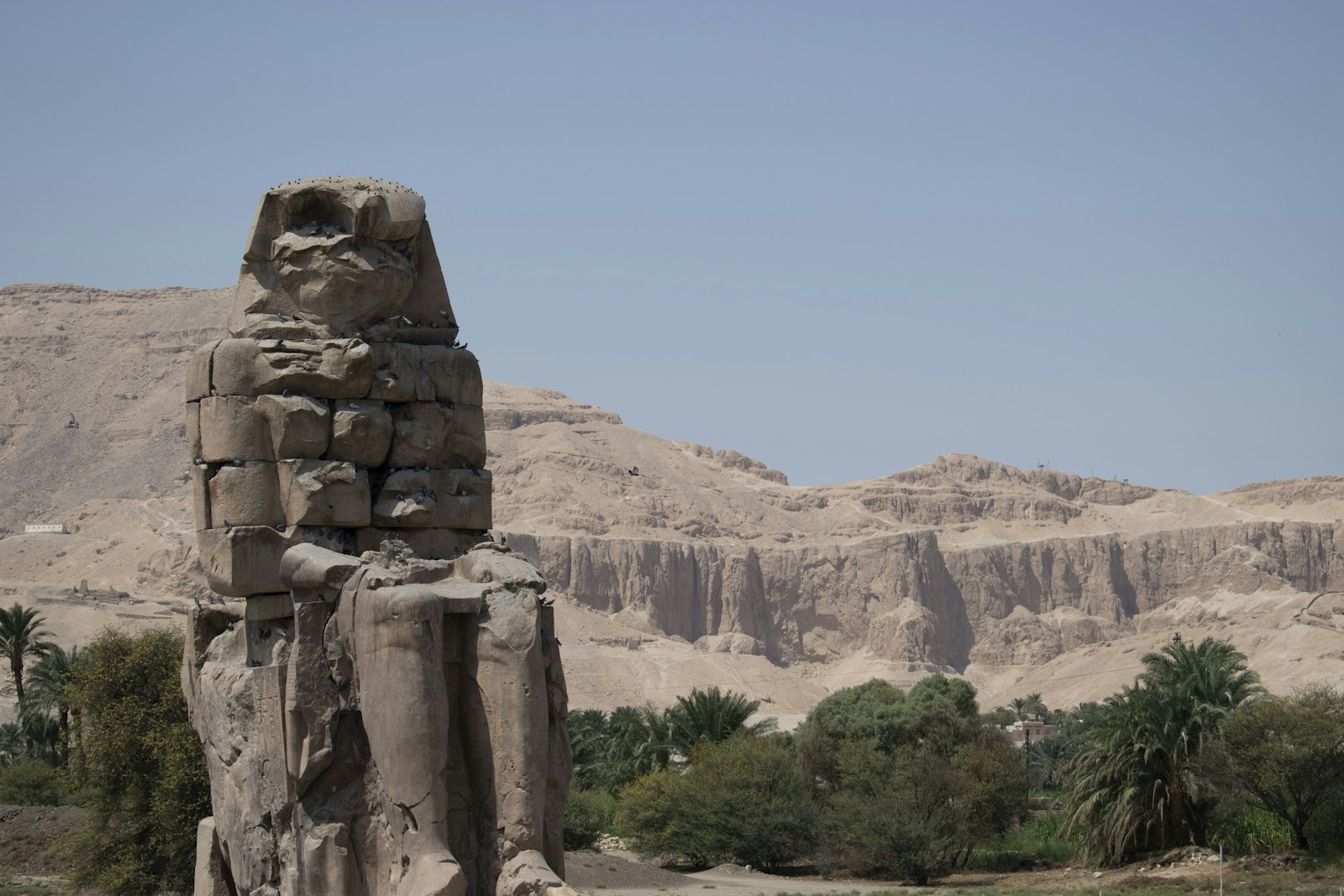
The Valley of the Queens, known in Arabic as Biban el-Harim and in ancient Egyptian as Ta-Set-Neferu, "the place of beauty", is one of the most fascinating necropolises in all of Egypt. Located on the western bank of the Nile at Luxor, at the foot of the Theban hills, this valley guards over ninety tombs that belonged to queens, princes and princesses of the 18th, 19th and 20th dynasties of the Egyptian New Kingdom. The choice of the site was not accidental: the western bank of the Nile was traditionally associated with the world of the dead, and the surrounding hills offered natural protection and a limestone terrain ideal for excavating the burials.
Unlike the more famous Valley of the Kings, which housed exclusively the pharaohs, this necropolis was dedicated to the royal consorts and to the younger members of the royal family. The valley was used as a burial place for a period of about four hundred years, from the 18th to the 20th dynasty, and represents a unique testimony to the artistic refinement and religious beliefs of ancient Egypt.
History of the Necropolis
The Origins and Development
The first burials in the Valley of the Queens date back to the 18th dynasty, around 1500 BC, when the rulers of the New Kingdom decided to separate the tombs of the royal consorts from those of the pharaohs. Previously, queens and princes were buried near the pyramids or in the tombs of their consorts. The decision to create a dedicated necropolis reflected the growing importance of the role of the Great Royal Wife in Egyptian society.
During the 19th dynasty, under the reigns of Seti I and Ramesses II, the valley reached its artistic and architectural peak. It was in this period that the most elaborate and richly decorated tombs were created, including the legendary tomb of Nefertari, considered one of the supreme masterpieces of Egyptian art. The 20th dynasty saw the last significant burials, after which the valley gradually fell into disuse.
Rediscovery and Explorations
The modern rediscovery of the Valley of the Queens is due to the European explorers of the 19th century. The Italian archaeologist Ernesto Schiaparelli conducted the most important excavation campaigns between 1903 and 1906, bringing to light numerous tombs including the famous QV66 of Nefertari. His discoveries revolutionised the understanding of the necropolis and of the lives of royal women in ancient Egypt. Subsequently, French and Egyptian missions have continued the work of documentation and restoration, revealing new details about the history and art of the tombs.
The Main Tombs
QV66 – The Tomb of Nefertari
The tomb QV66, dedicated to the Great Royal Wife Nefertari, favourite wife of Ramesses II, is unanimously considered the most beautiful in all of Egypt. With its 520 square metres of painted surfaces, it represents the absolute pinnacle of Egyptian funerary art. The vivid colours, miraculously preserved for over three thousand years, depict scenes from the Book of the Dead, the queen in the company of the deities and complex rituals of spiritual transformation. The restoration conducted by the Getty Conservation Institute between 1986 and 1992 restored the frescoes to their original splendour. Because of the fragility of the paintings, access is limited to a restricted number of daily visitors and requires a supplementary ticket of high cost.
QV44 – The Tomb of Prince Khaemwaset
Prince Khaemwaset, son of Ramesses III, rests in the tomb QV44, one of the most interesting of the valley for the quality of the decorations and for the scenes that depict the young prince accompanied by his father on the journey through the afterlife. The walls show Ramesses III presenting his son to the various deities of the Egyptian pantheon, in a symbolic path that was to guarantee the prince eternal life. The colours are still surprisingly vivid and the figures maintain a grace and elegance that testify to the mastery of the artists of the 20th dynasty.
QV55 – The Tomb of Prince Amun-her-khepshef
Another son of Ramesses III, Prince Amun-her-khepshef, was buried in the tomb QV55, which preserves some of the most refined decorations of the valley. The scenes show the prince in awe before the deities, with his father acting as intermediary. Particularly remarkable is the quality of the drawing and the delicacy of the colours used. Inside the tomb was also found a mummified foetus in a small sarcophagus, probably a stillborn little brother of the prince.
The Tomb of Titi
The tomb of Queen Titi, although smaller and less famous than that of Nefertari, offers decorations of remarkable artistic quality. The scenes represent the queen in adoration before various deities, including Hathor, Osiris, Thoth and the four sons of Horus. The pictorial style is elegant and refined, with a chromatic palette that favours the warm tones of ochre, red and yellow on luminous white backgrounds. The tomb is generally less crowded than the others and offers a more tranquil and contemplative visiting experience.
The Funerary Art of the Valley
Pictorial Techniques
The decorations of the tombs in the Valley of the Queens represent the culmination of the Egyptian pictorial tradition. The artists of the village of Deir el-Medina, responsible for the realisation of these works, mastered sophisticated techniques handed down from generation to generation. The process began with the preparation of the limestone walls, covered with a layer of fine plaster on which the preliminary drawings were traced in red, then corrected by a master in black. The colours were obtained from natural mineral pigments: yellow and red ochre, black charcoal, white gypsum, blue azurite and green malachite.
Themes and Symbolism
The decorative themes of the tombs followed a precise iconographic programme, linked to the funerary beliefs of the New Kingdom. The most common scenes included the deceased in adoration before the deities of the afterlife, extracts from the Book of the Dead and the Book of Gates, representations of the tribunal of Osiris where the soul was judged, and scenes of daily life in the afterlife. The ceiling was often decorated with stars on a blue background, to symbolise the night sky under which the deceased would live for eternity.
Restoration and Conservation Works
The conservation of the tombs in the Valley of the Queens represents a constant challenge for archaeologists and restorers. The humidity caused by mass tourism, the infiltrations of rainwater during the rare but intense rains, and the crystallisation of salts in the walls continually threaten the fragile decorations. In recent decades, the Egyptian Supreme Council of Antiquities, in collaboration with international institutions, has launched important programmes of restoration and environmental monitoring.
The most famous project was the restoration of the tomb of Nefertari, conducted by the Getty Conservation Institute between 1986 and 1992. This pioneering intervention established new standards for the conservation of wall paintings in underground environments and made it possible to recover extraordinary details that centuries of degradation had obscured. Systems of controlled ventilation, barriers against humidity and severe limitations on the number of visitors are now an integral part of the management of the valley.
Tips for the Visit
Tickets and Access
The standard ticket for the Valley of the Queens allows access to the valley and to three selected tombs, which vary periodically to allow the rotation and rest of the most fragile burials. Access to the tomb of Nefertari requires a separate ticket at a significantly higher cost. It is advisable to buy the tickets at the Luxor visitor centre or at the ticket office at the entrance of the valley early in the morning.
Hours and Logistics
The valley is open every day from dawn to late afternoon. The best time to visit it is early in the morning, when the temperatures are more bearable and the tombs less crowded. The journey from the eastern bank of Luxor requires crossing the Nile by ferry or boat-taxi, followed by a short journey by taxi or minibus. Many visitors combine the visit to the Valley of the Queens with that of the Valley of the Kings and the Temple of Hatshepsut in a single day.
What to Bring and What to Know
Wear light but covering clothing, comfortable shoes and bring plenty of water. Inside the tombs it is strictly forbidden to photograph and the use of flash would irreparably damage the paintings. A torch can be useful to observe the details in the less illuminated areas. Authorised local guides can enormously enrich the experience, offering detailed explanations about the symbolism and history of each tomb.
Suggestions for an Optimal Visit
To fully appreciate the Valley of the Queens, dedicate at least two hours to it. Start from the tomb of Nefertari if you have bought the supplementary ticket, then visit the tombs of the princes Khaemwaset and Amun-her-khepshef. Take the time to observe every detail of the decorations: the fineness of the features of the faces, the precision of the hieroglyphs, the vividness of the colours. Each tomb tells a unique story and offers an intimate glimpse of the spirituality and art of one of the greatest civilisations in human history.
The Valley of the Queens is much more than a simple necropolis: it is a sanctuary of art and faith, a place where the boundary between the world of the living and that of the dead dissolves in the timeless beauty of the paintings that adorn the walls of these ancient burials. To visit it means to make a journey into the most intimate heart of ancient Egypt, discovering stories of love, power and immortality that continue to move and inspire after millennia.