The Grand Egyptian Museum: the Largest Archaeological Museum in the World
The Grand Egyptian Museum, also known by the acronym GEM, represents the most ambitious and expensive museum project ever realised on the African continent and one of the most important in the world. Situated on a plateau about two kilometres from the Pyramids of Giza, this colossal cultural complex is destined to redefine the museum experience linked to ancient Egypt, offering visitors an unprecedented journey through five thousand years of pharaonic history and civilisation.
With a total surface area of over 490,000 square metres, the GEM is the largest archaeological museum on the planet, designed to house over 100,000 artefacts, of which about 50,000 are exhibited to the public for the first time. The project, with a total cost exceeding a billion dollars, was financed by the Egyptian government with the support of the Japan International Cooperation Agency (JICA) and represents a turning point in the enhancement of Egyptian cultural heritage.
History of the Project
The Genesis of a Dream
The idea of building a new great museum dedicated to Egyptian civilisation was born at the end of the 1990s, when it became evident that the old Egyptian Museum in Tahrir Square in Cairo could no longer adequately contain the country's enormous archaeological heritage. Many artefacts lay in storerooms, inaccessible to the public, and the structures of the historic museum, inaugurated in 1902, were no longer adequate to modern conservation standards.
In 2002, the Egyptian government launched an international architecture competition that attracted over 1,500 proposals from 83 different countries. The winning project was that of the Irish studio Heneghan Peng Architects, which proposed a bold design inspired by the geometry of the pyramids and the light of the desert. The first stone was laid in 2002 by President Hosni Mubarak, but work proceeded slowly due to political instability and financial difficulties.
An Epochal Building Site
The construction of the GEM was a titanic undertaking comparable, for logistical complexity, to the great works of ancient Egypt. The site employed thousands of workers and engineers for over a decade, facing enormous technical challenges linked to the conservation of the artefacts during transfer, the air conditioning of the exhibition spaces and the seismic protection of the structure.
The transfer of the artefacts from the old museum to the GEM was itself a monumental project. Every piece, from the smallest amulet to the eleven-metre-high colossal statue of Ramesses II, was catalogued, restored if necessary, and transported with special vehicles along a route studied in the smallest details. The statue of Ramesses II, weighing over 80 tonnes, required an exceptional transport that mobilised the entire nation.
Architecture and Design
A Building between Desert and Modernity
The architecture of the Grand Egyptian Museum is a masterpiece of contemporary design that dialogues respectfully with the surrounding landscape and with the millennial monuments of the pyramids. The main facade, composed of translucent panels of alabaster stone, filters the desert light creating an ethereal atmosphere inside the galleries. The triangular structure of the building recalls the geometry of the pyramids, establishing an immediate visual link with the adjacent archaeological site.
The main entrance is dominated by the colossal statue of Ramesses II, the first artefact that welcomes visitors in an atrium of cathedral dimensions. From here, a grand ceremonial staircase leads to the main galleries, offering a breathtaking view of the pyramids through the panoramic windows. This visual axis between museum and pyramids is not accidental but represents the conceptual heart of the project: connecting the past to the present through a physical and symbolic path.
Exhibition and Functional Spaces
The museum is articulated into various functional areas. The permanent galleries occupy most of the space and are organised according to a chronological route ranging from the predynastic period to the Greco-Roman era. The temporary halls host thematic exhibitions on rotation. The restoration centre, one of the most advanced in the world, is partially visible to the public through windows that allow observation of the work of the restorers.
The complex also includes a conference centre, a specialised library, research laboratories, Egyptian craft shops, restaurants with a view of the pyramids and vast gardens designed as an open-air museum with sculptures and architectural reproductions.
The Tutankhamun Collection
The Complete Treasure for the First Time
The undisputed star of the Grand Egyptian Museum is without doubt the complete collection of the treasure of Tutankhamun. For the first time in history, all 5,398 objects found by Howard Carter in the tomb of the young pharaoh in 1922 are exhibited together in a single specially designed space. In the old Cairo museum, only a fraction of these treasures was visible to the public, while the majority lay in storage.
The galleries dedicated to Tutankhamun occupy an entire wing of the museum and have been designed to recreate the atmosphere of the original discovery. The exhibition route follows the sequence of the four chambers of the tomb, from the antechamber to the burial chamber, from the treasury to the annexe. The famous funerary mask in solid gold weighing over 11 kilograms, with its lapis lazuli inlays, is exhibited in an air-conditioned display case at the centre of the main hall, illuminated so as to enhance every detail of the goldsmith's work of the Egyptian craftsmen.
Iconic Artefacts
Among the most significant objects of the collection are the three concentric sarcophagi of Tutankhamun, the golden throne decorated with scenes of the daily life of the pharaoh and queen Ankhesenamun, the ceremonial chariots, the hundreds of ushabti (funerary statuettes), the funeral bed with lion heads, the canopic jars in alabaster and the countless jewels that testify to the refined aesthetic taste of the 18th Dynasty. Many of these objects are visible to the public for the very first time.
Beyond Tutankhamun: 100,000 Artefacts
A Journey through Five Thousand Years
If the Tutankhamun collection represents the emotional heart of the museum, the other galleries offer a complete and systematic panorama of Egyptian civilisation that has no equal in the world. From the first artistic manifestations of the predynastic period to the sophisticated sculptures of the Ptolemaic period, the exhibition route covers over five thousand years of history with unprecedented depth and richness.
Among the most important artefacts are the famous Triad of Menkaure, the statue of the seated scribe, papyri with texts from the Book of the Dead, richly decorated sarcophagi, royal jewels of various dynasties and a vast collection of everyday objects that tell how the ancient Egyptians lived, worked and prayed.
The Restoration Centre
The restoration centre of the GEM is one of the most advanced facilities of its kind in the world. Here, international teams of restorers work on the recovery and conservation of artefacts that span millennia of history. Visitors can observe some phases of the work through large windows, transforming restoration into an educational spectacle. The techniques employed range from laser cleaning to computed tomography, from spectrometry to three-dimensional digital reconstruction.
Tips for the Visit
How to Get There
The Grand Egyptian Museum is located along the Desert Highway, about two kilometres north-west of the Pyramids of Giza. It is reachable by taxi or with private transport services from the centre of Cairo in about 30-45 minutes, depending on traffic. The museum has an ample car park and a dedicated stop for tourist buses. A direct connection with the Cairo metro is also being planned.
Tickets and Organisation of the Visit
Given the enormous size of the museum, it is advisable to dedicate at least half a day to the visit, preferably a whole day to appreciate the entire collection. Tickets can be purchased online in advance to avoid queues at the entrance. Audio guides in various languages and guided tours in different languages are available. The general entrance ticket allows access to the main galleries, while the Tutankhamun collection requires a supplement.
What to Expect
The GEM experience is conceived to be immersive and multisensory. The galleries use interactive technologies, multimedia installations, virtual reality reconstructions and projections that allow the artefacts to be contextualised in their original environment. The lighting has been designed to recreate the atmosphere of tombs and temples, transforming the visit into an emotional journey through time.
Combining the Visit with the Pyramids
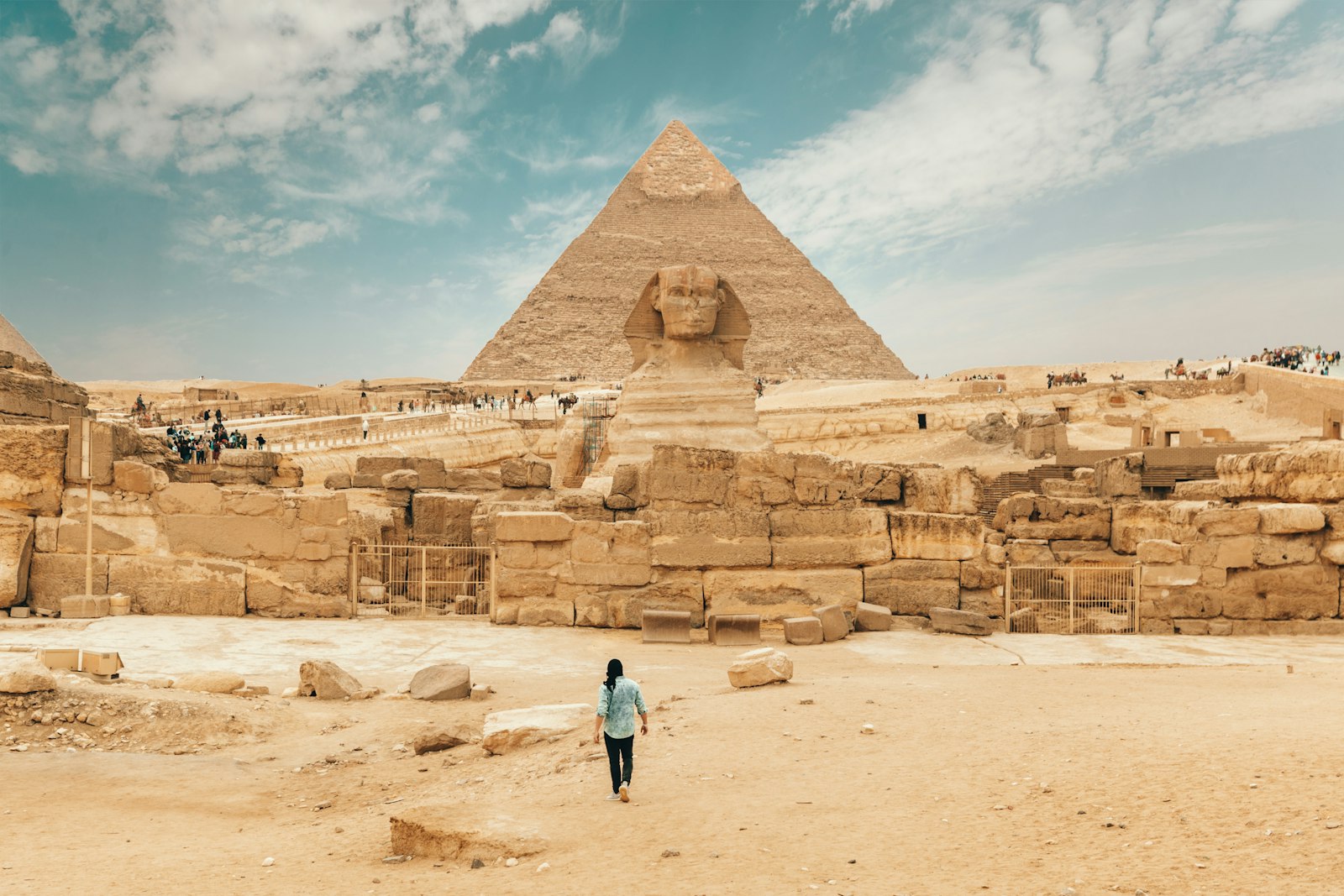
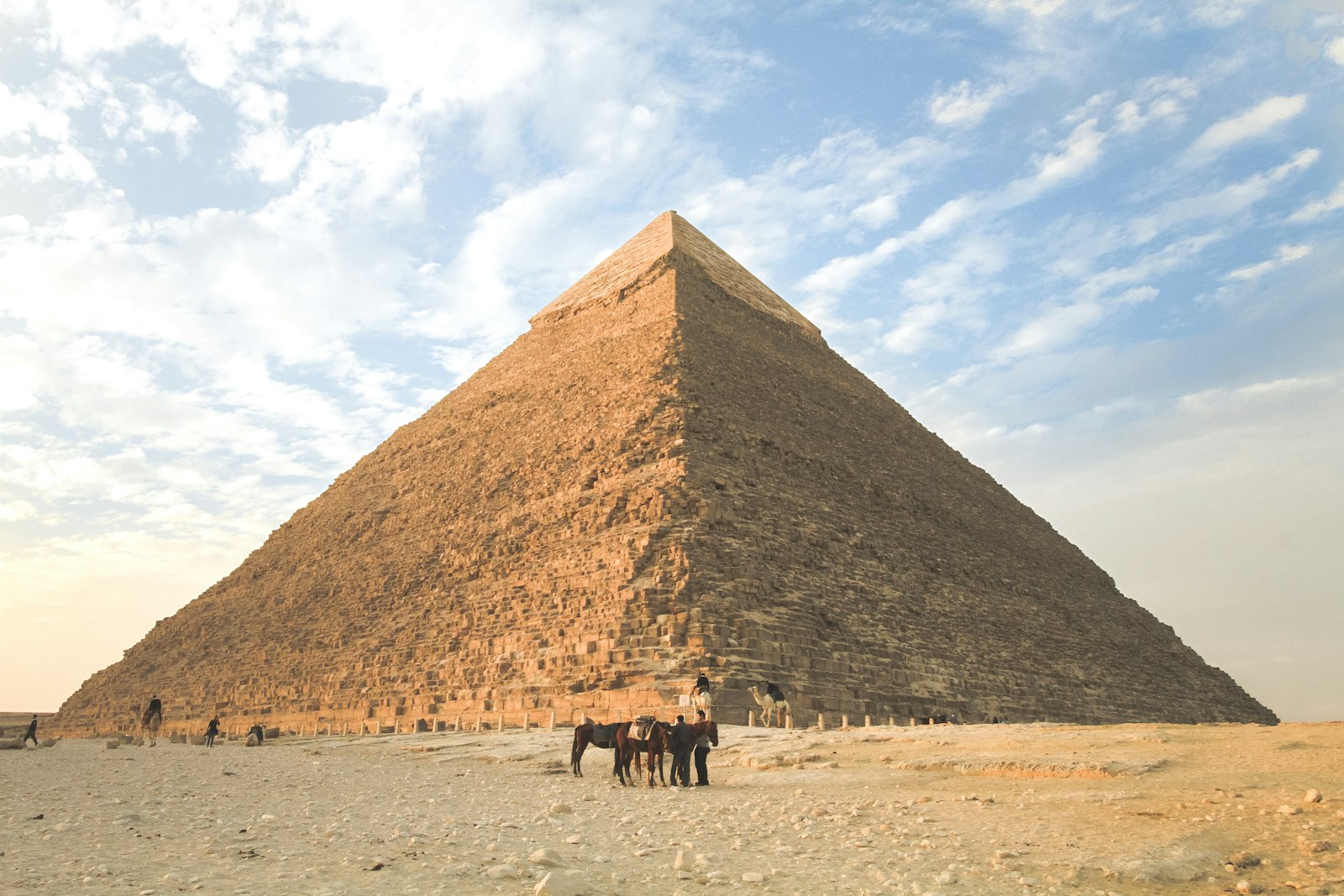
The strategic position of the museum, a short distance from the Pyramids of Giza, makes it easy to combine the two visits in a single day. It is advisable to begin early in the morning with the pyramids, taking advantage of the light and the milder temperatures, and to continue in the afternoon with the museum, where the air conditioning offers a welcome relief from the desert heat.
Services and Catering
The museum complex offers various catering options, from informal cafés to restaurants with a panoramic view of the pyramids. The museum shops offer high-quality reproductions of the exhibited artefacts, specialised books, jewellery inspired by Egyptian art and artisanal souvenirs. There is also a bookshop with a vast selection of academic and popular publications in various languages.
The GEM in the Egyptian Cultural Context
The Grand Egyptian Museum is not only a container of artefacts, but a cultural project of national and international scope. Its opening marks a new chapter in the relationship between modern Egypt and its extraordinary past, offering the world a privileged window onto a civilisation that shaped the history of humanity. The museum is destined to become not only the main tourist attraction of the country, but also a centre of research and training of excellence in the field of Egyptology and museology, contributing to the formation of a new generation of Egyptian and international scholars and conservators.
Visiting the Grand Egyptian Museum means immersing oneself in the largest concentration of treasures of ancient Egypt ever gathered in a single place, an experience that redefines the very concept of museum and remains impressed in the memory of every visitor as one of the most extraordinary cultural events of their life.