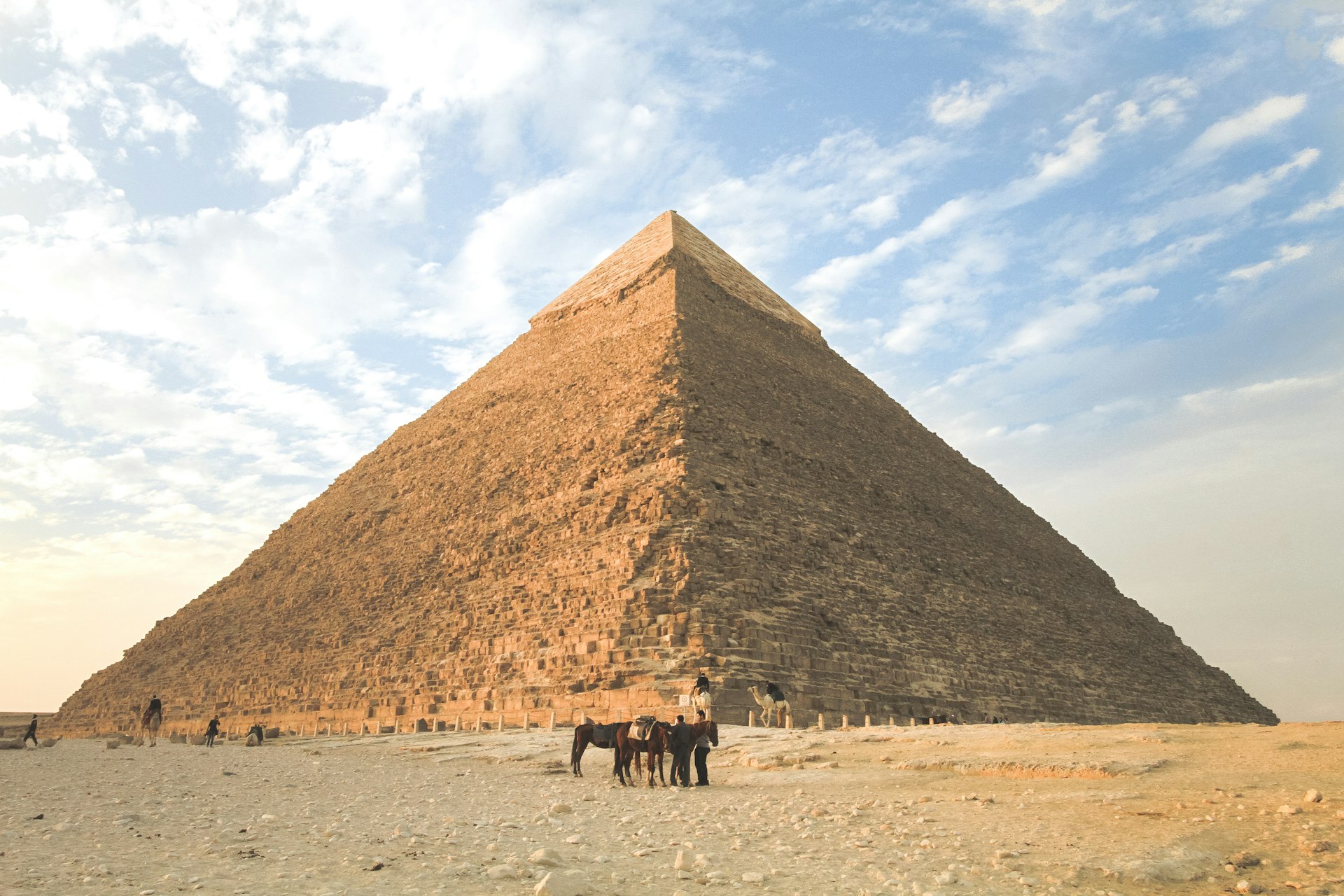
Lower Egypt
The Nile Delta, Cairo, the pyramids of Giza and the great Alexandria of Egypt on the Mediterranean.
Monuments in Lower Egypt
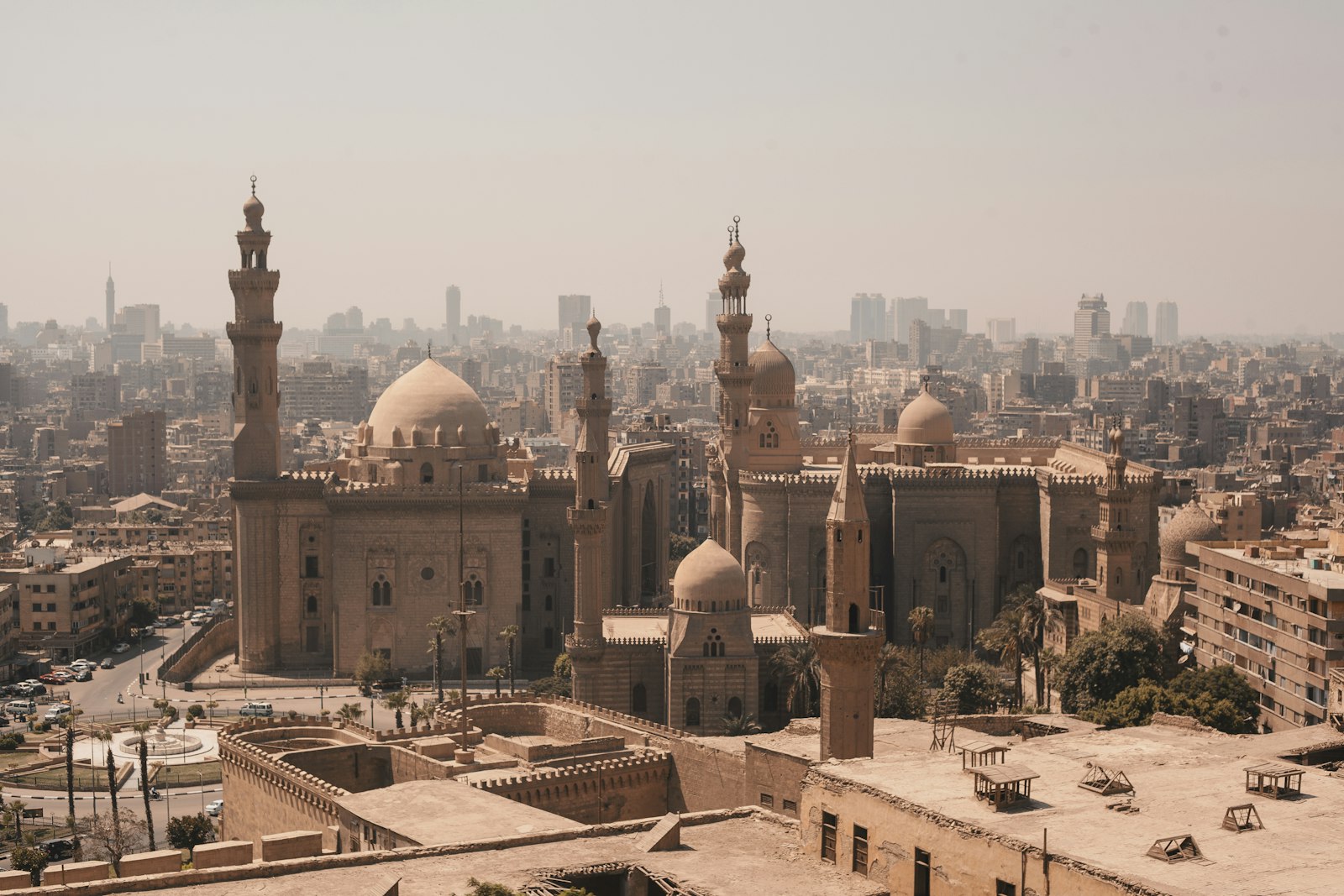
Al-Azhar Park
A green oasis of 30 hectares in the heart of Islamic Cairo, created from the transformation of a landfill into one of the most beautiful parks of the Middle East.
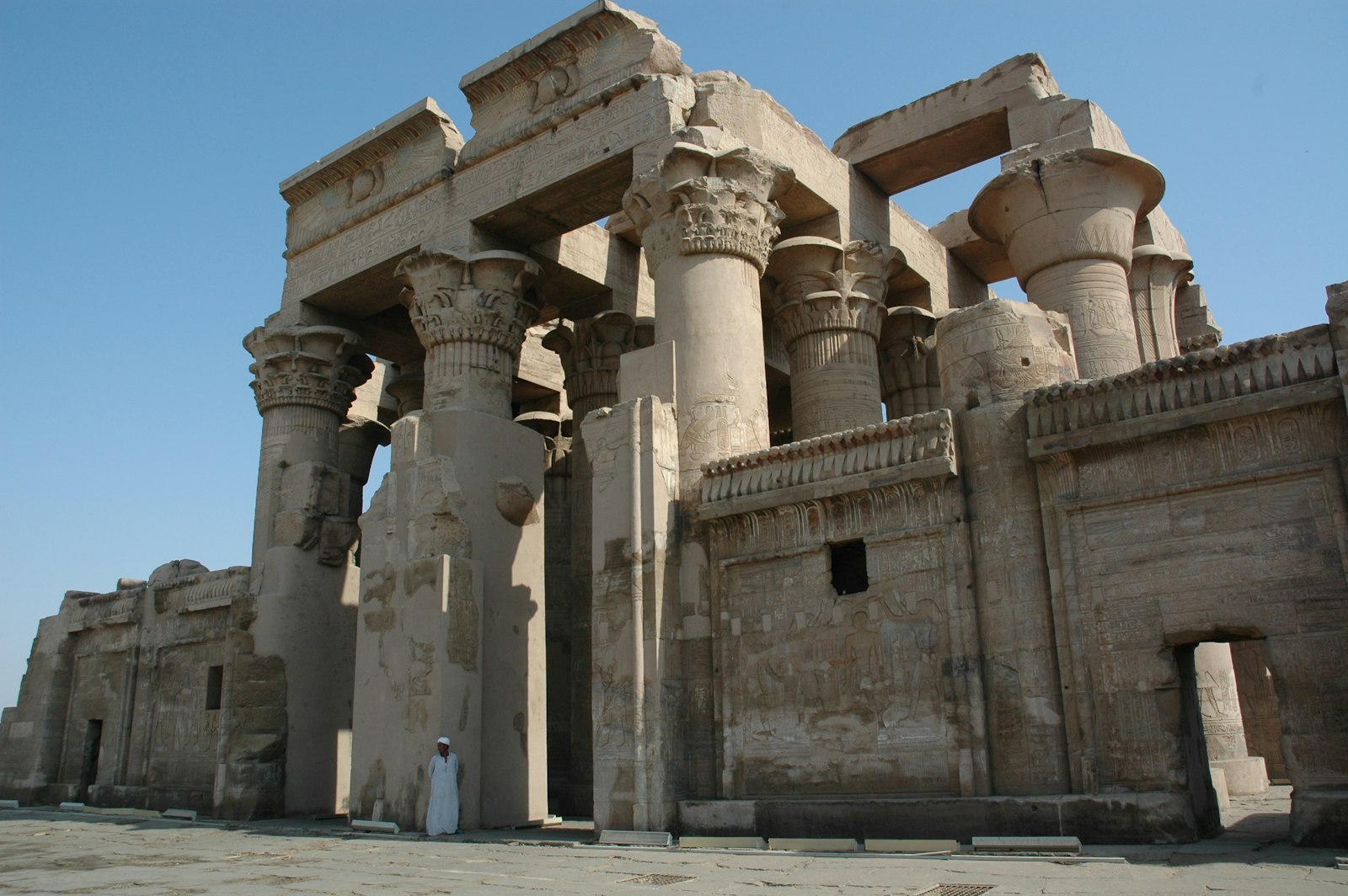
Roman Amphitheatre of Kom el-Dikka
The only Roman amphitheatre discovered in Egypt, with 13 rows of marble seating and perfectly preserved acoustics.
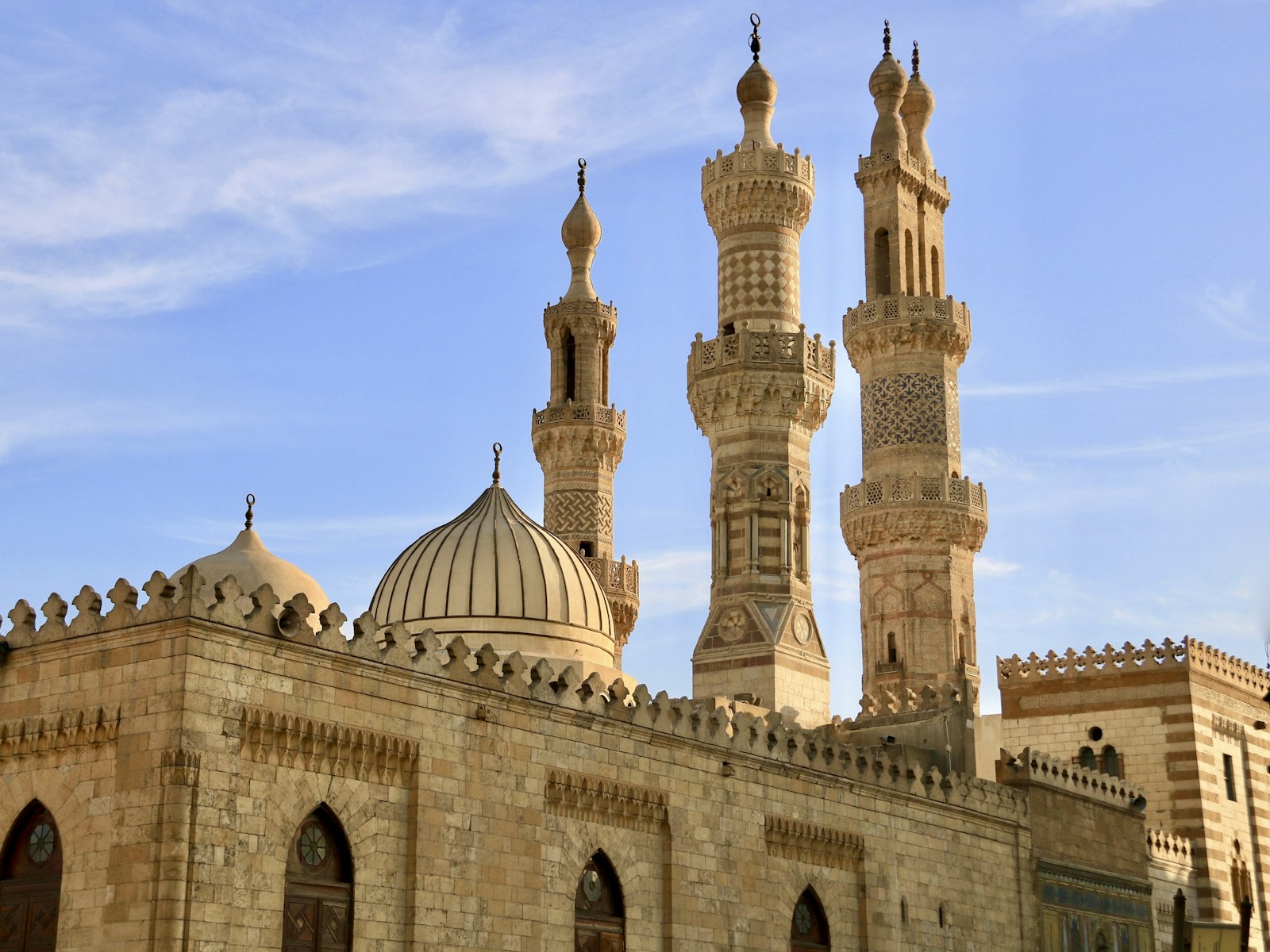 🏆 UNESCO
 Bab Zuweila
The last surviving southern gate of Fatimid Cairo, a monumental fortified entrance from 1092 with twin minarets and a panoramic view.
 🏆 UNESCO
 Bayt al-Suhaymi
The most beautiful Ottoman house in Cairo, a masterpiece of Islamic domestic architecture with mashrabiya, courtyards and gardens, today a venue for cultural events.
Bibliotheca Alexandrina
The modern Library of Alexandria, a tribute to the legendary ancient library, is an architectural masterpiece housing millions of volumes and multiple cultural spaces.
 🏆 UNESCO
 Coptic Cairo
The ancient Christian quarter of Cairo, heart of the Egyptian Coptic community with thousand-year-old churches, the Fortress of Babylon and the Coptic Museum.
Catacombs of Kom el-Shoqafa
The largest Roman funerary site in Egypt, an underground labyrinth that uniquely blends Egyptian, Greek and Roman art.
🏆 UNESCO Church of Saints Sergius and Bacchus
Early Christian church of the 4th-5th century in Coptic Cairo, famous for the crypt where, according to tradition, the Holy Family took refuge during the flight into Egypt.
🏆 UNESCO The Hanging Church
One of the oldest churches in Egypt, built atop the towers of the Fortress of Babylon, famous for its 110 icons and the pulpit with 13 columns.
 🏆 UNESCO
 Citadel of Saladin
The imposing medieval fortress built by Sultan Saladin in the 12th century, the heart of power in Egypt for seven centuries, with an extraordinary panoramic view over Cairo.
Pompey's Pillar
An imposing column of red granite almost 27 metres high, erected in honour of the emperor Diocletian among the ruins of the ancient Serapeum.
🏆 UNESCO Fortress of Babylon
Ancient Roman fortress of the 1st century BC on the banks of the Nile, the foundation of the Coptic quarter and a strategic point for the control of Egypt.
Fortress of Qaitbay
Imposing Mamluk fortress built in the 15th century on the foundations of the ancient Lighthouse of Alexandria, one of the Seven Wonders of the Ancient World.
Grand Egyptian Museum
The largest archaeological museum in the world, a project of over a billion dollars dedicated to Egyptian civilization, located at the foot of the Pyramids of Giza.
 🏆 UNESCO
 Great Pyramid of Cheops
The oldest and largest of the three pyramids on the Giza Plateau, the only one of the Seven Wonders of the Ancient World still standing.
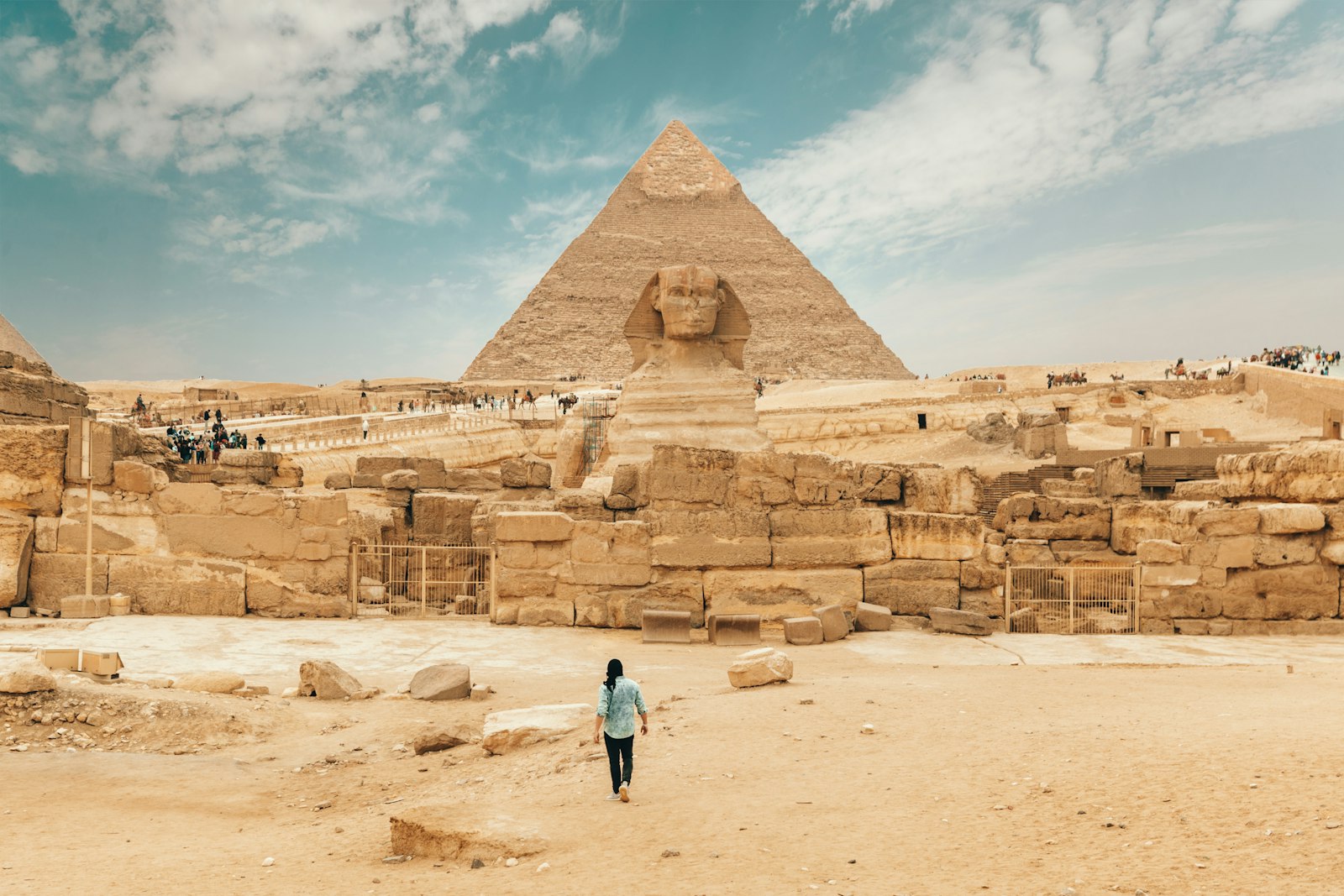
🏆 UNESCO Great Sphinx of Giza
The oldest monumental sculpture in the world, with a lion's body and a human head, watching over the Giza pyramids for more than 4,500 years.
 🏆 UNESCO
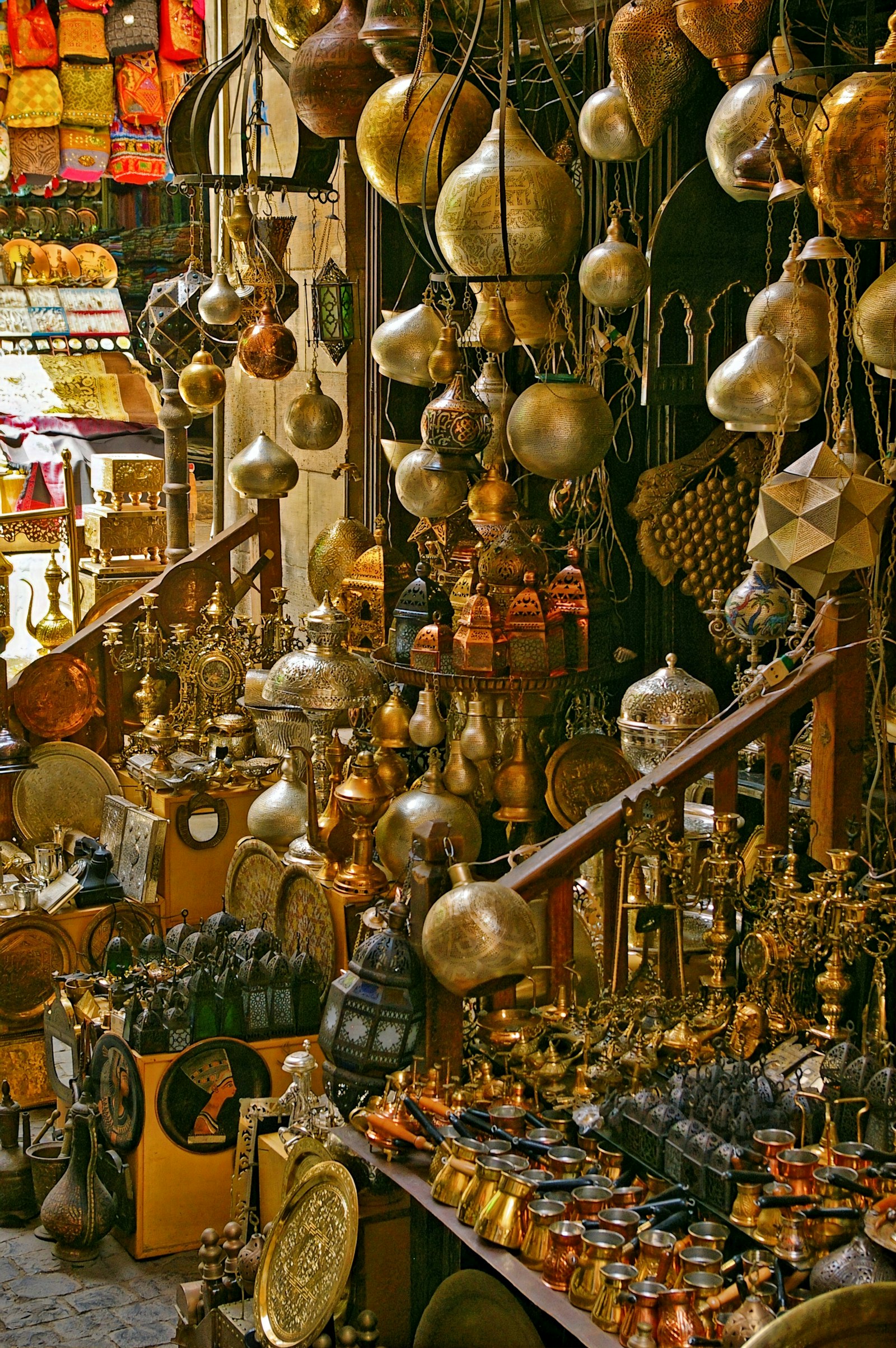
 Khan el-Khalili
The historic bazaar of Cairo dating back to 1382, a labyrinth of alleys and shops in the heart of Islamic Cairo, where commercial tradition and culture have intertwined for over six centuries.
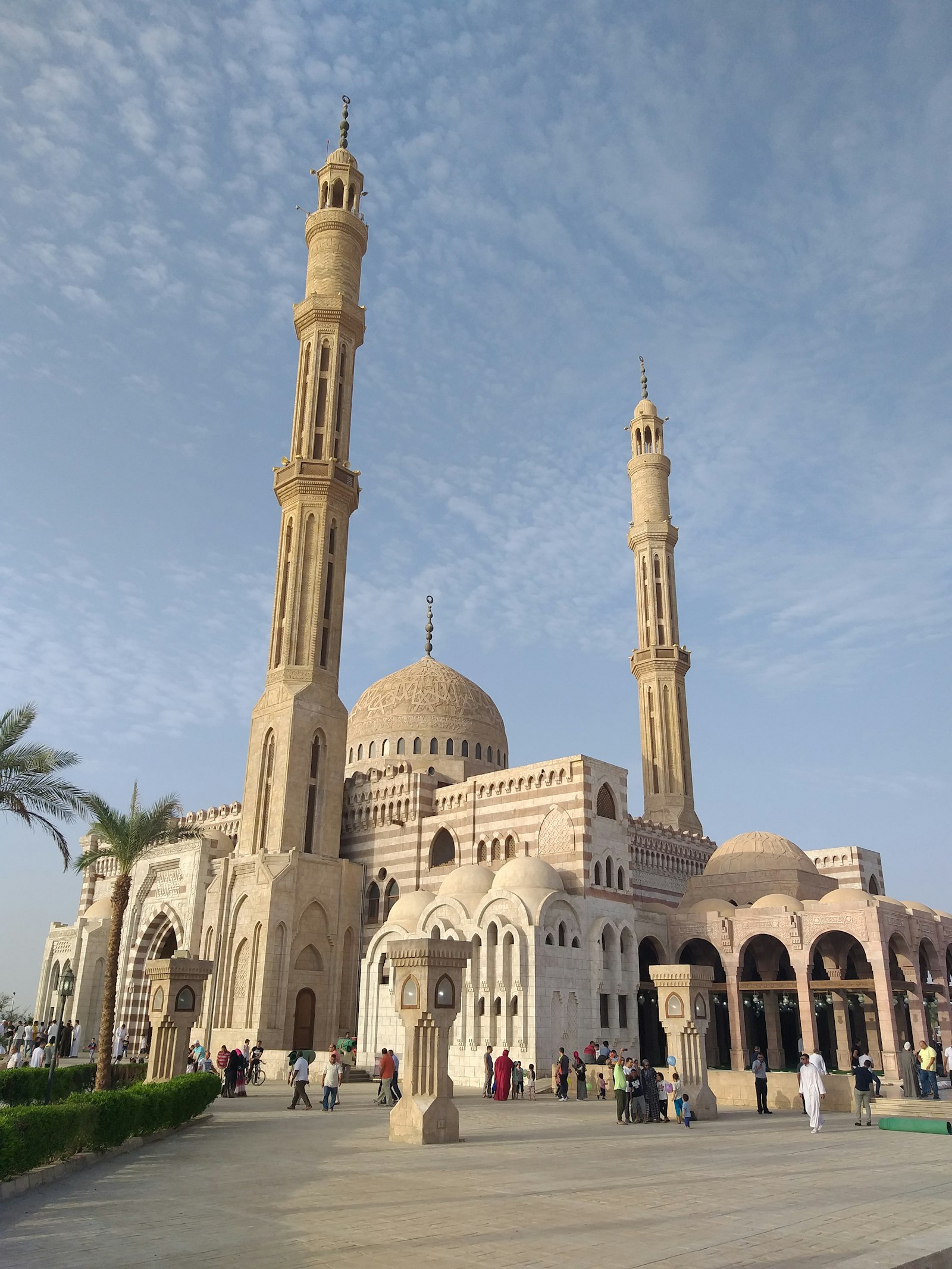
Mosque of Abu el-Abbas al-Mursi
The largest and most imposing mosque in Alexandria, dedicated to the venerated 13th-century Andalusian Sufi saint, a masterpiece of modern Islamic architecture.
 🏆 UNESCO
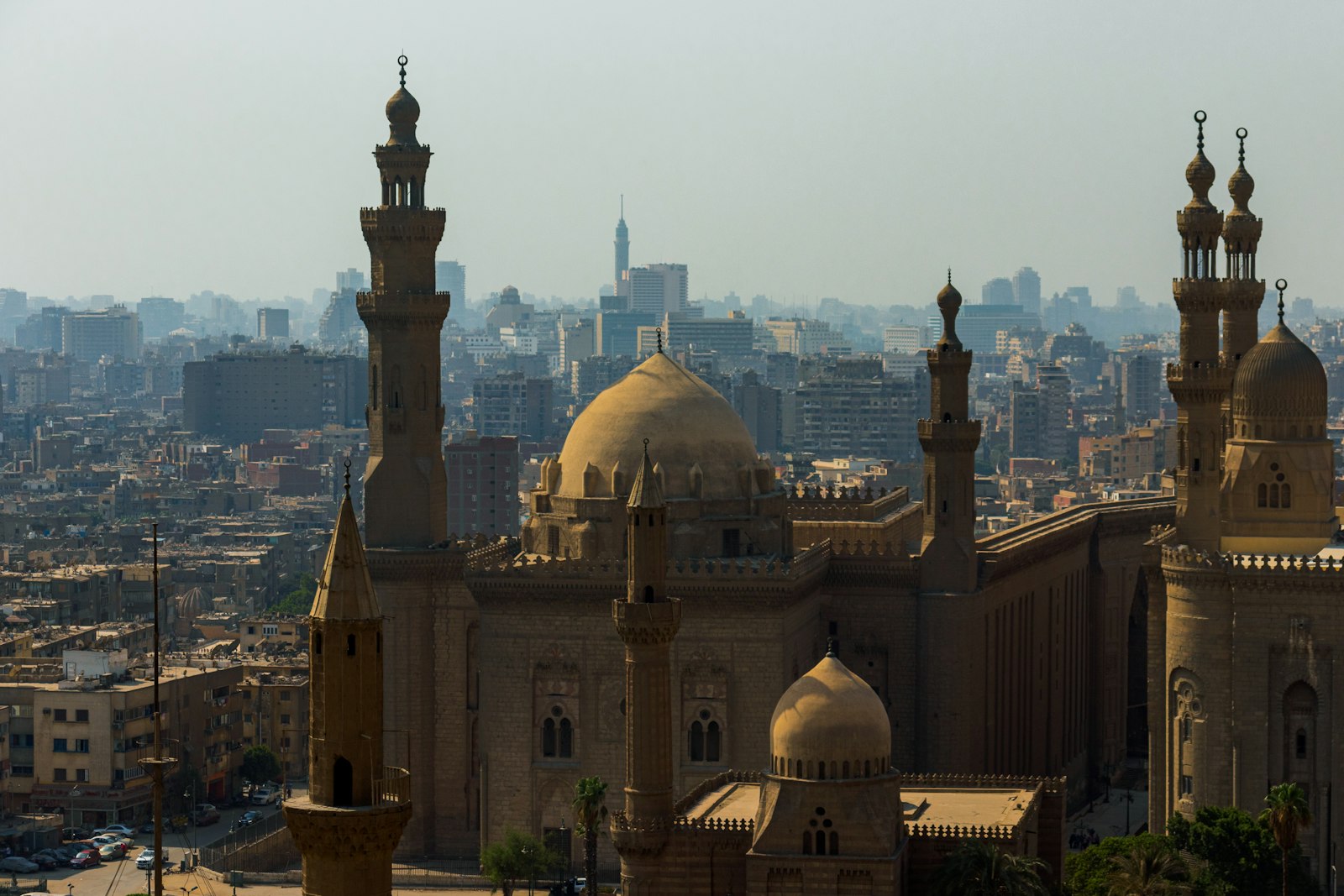
 Mosque of Sultan Hassan
A masterpiece of Mamluk architecture, one of the largest and most imposing mosques in the Islamic world, built between 1356 and 1363.
🏆 UNESCO Al-Azhar Mosque
The mosque founded in 970 AD by the Fatimid dynasty, home to the oldest university in the world still in operation and a prestigious centre of Islamic learning.
Al-Rifa'i Mosque
Majestic royal mosque of Cairo in neo-Mamluk style, the final resting place of the Egyptian royal family and of the Shah of Persia.
 🏆 UNESCO
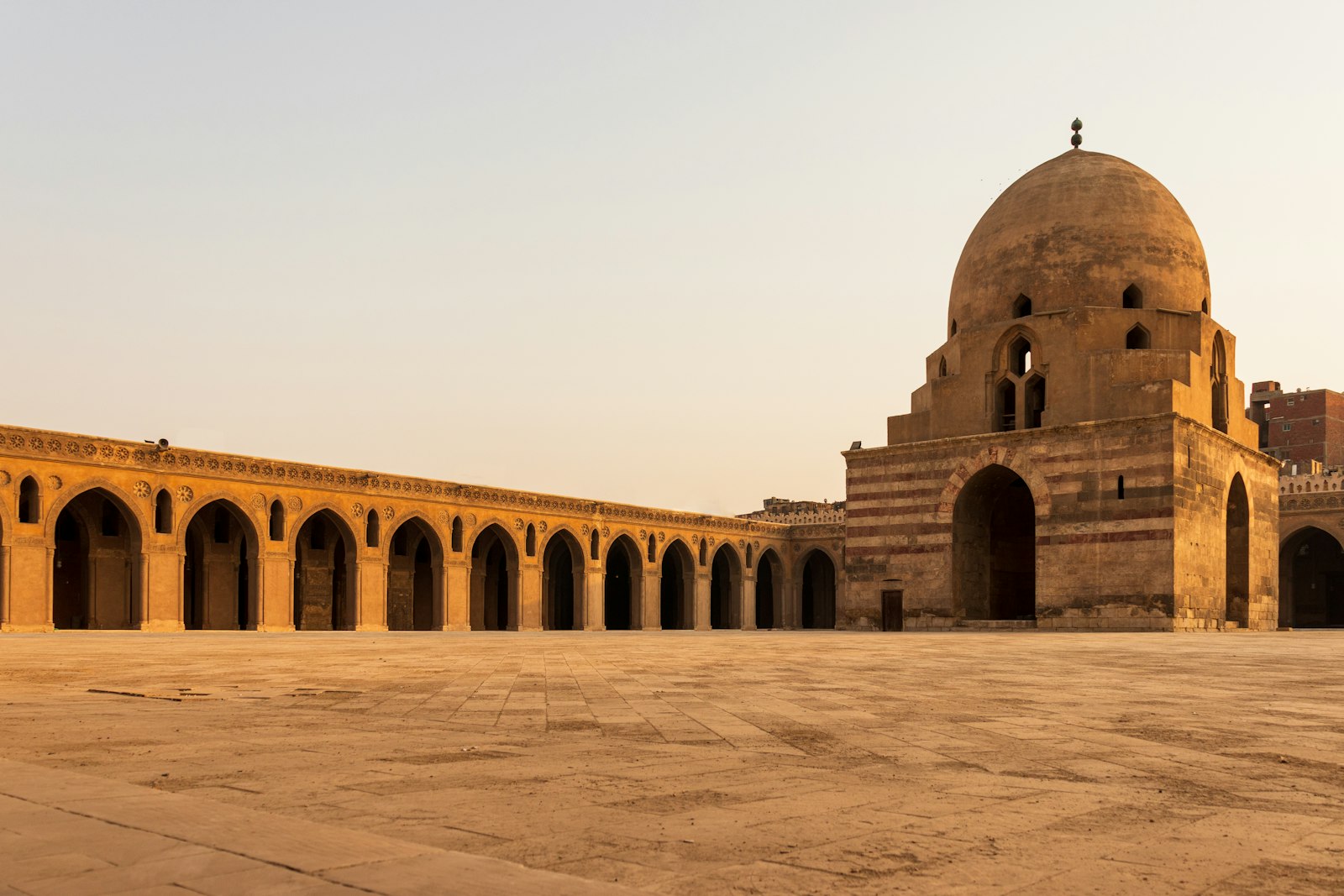
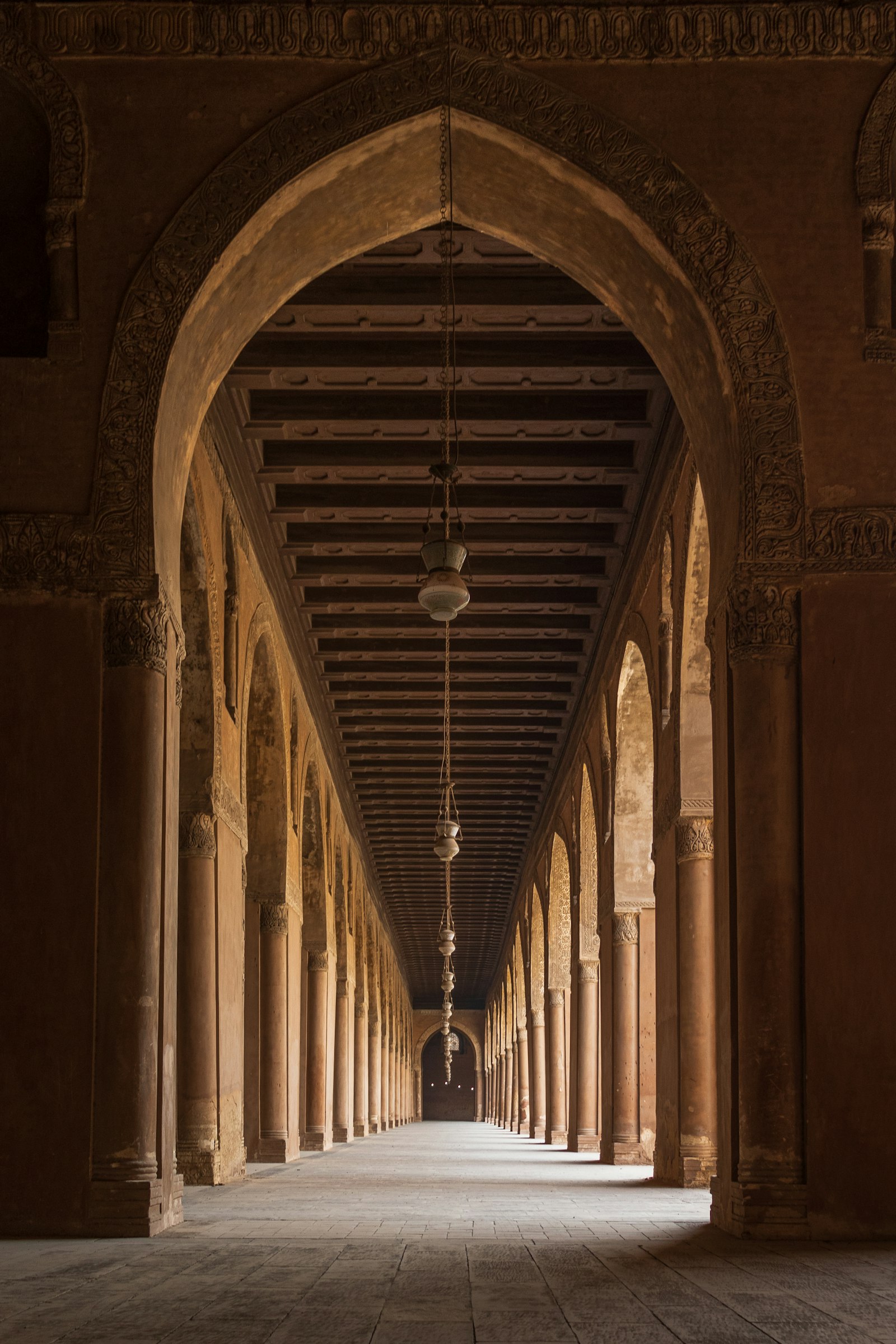
 Mosque of Ibn Tulun
The oldest intact mosque in Cairo, a masterpiece of 9th-century Abbasid architecture with its iconic spiral minaret.
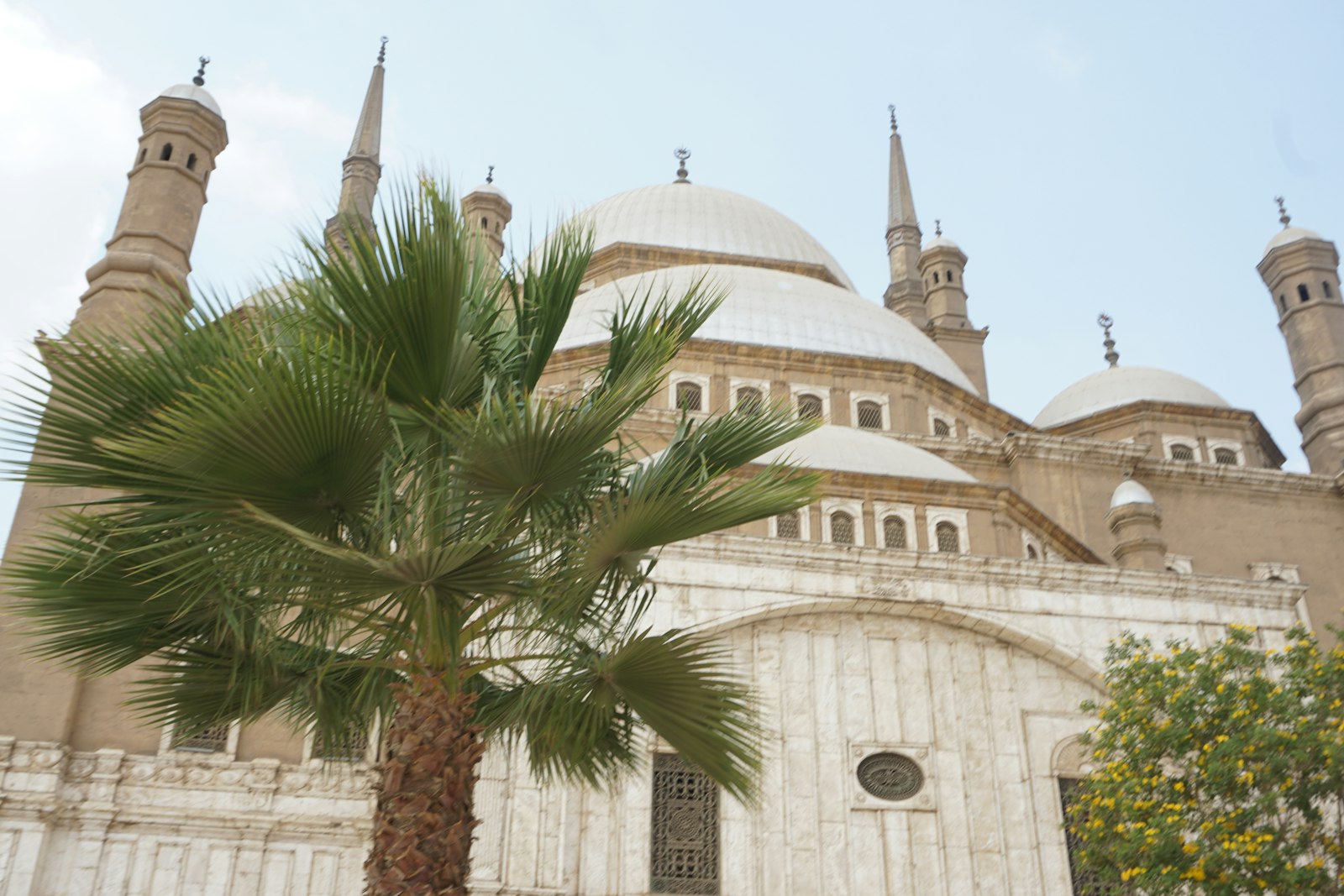
🏆 UNESCO Mosque of Muhammad Ali
The majestic Alabaster Mosque, built between 1830 and 1848 within the Citadel of Cairo, dominates the city's skyline with its silver domes and soaring minarets.
Museum of Islamic Art
The largest museum of Islamic art in the world, with over 100,000 artefacts spanning twelve centuries of Muslim civilisation.
Coptic Museum
The largest museum of Coptic art in the world, with over 16,000 artefacts including textiles, icons, the Nag Hammadi codices and testimonies of Christian Egypt.
🏆 UNESCO Solar Boat Museum
The museum that housed the extraordinary funerary boat of Pharaoh Khufu, a masterpiece of ancient Egyptian naval engineering 43.6 metres long.
Egyptian Museum of Cairo
The legendary museum of Tahrir Square, founded in 1902, houses over 120,000 artefacts of ancient Egypt including the famous collection of royal mummies.
National Museum of Alexandria
An elegant Italian palace transformed into a museum that tells the millenary history of Alexandria through 1,800 artefacts from the pharaonic era to the modern age.
Royal Jewellery Museum
A splendid Art Nouveau-style palace that houses the fabulous jewellery collection of the dynasty of Muhammad Ali, with over 11,500 precious pieces.
🏆 UNESCO Necropolis of Saqqara
The vastest and most ancient necropolis of ancient Egypt, guardian of the Step Pyramid of Djoser, of the Serapeum and of thousands of burials that span three thousand years of history.
 🏆 UNESCO
 Nilometer
Ancient device for measuring the Nile floods on Roda Island, the most ancient surviving Islamic monument in Cairo.
Abdeen Palace
Sumptuous presidential palace in the heart of Cairo, built for Khedive Ismail with over 500 rooms and precious museum collections.
Manial Palace
Sumptuous royal palace of the early 20th century on Roda Island, an eclectic mix of Ottoman, Moorish and Persian styles set in botanical gardens.
Palace and Gardens of Montaza
Sumptuous royal summer residence set in 150 acres of lush gardens overlooking the Mediterranean, an oasis of peace and beauty.
🏆 UNESCO Step Pyramid of Djoser
The first pyramid in history, built around 2667 BC by the architect Imhotep for the pharaoh Djoser, a masterpiece that revolutionized monumental architecture.
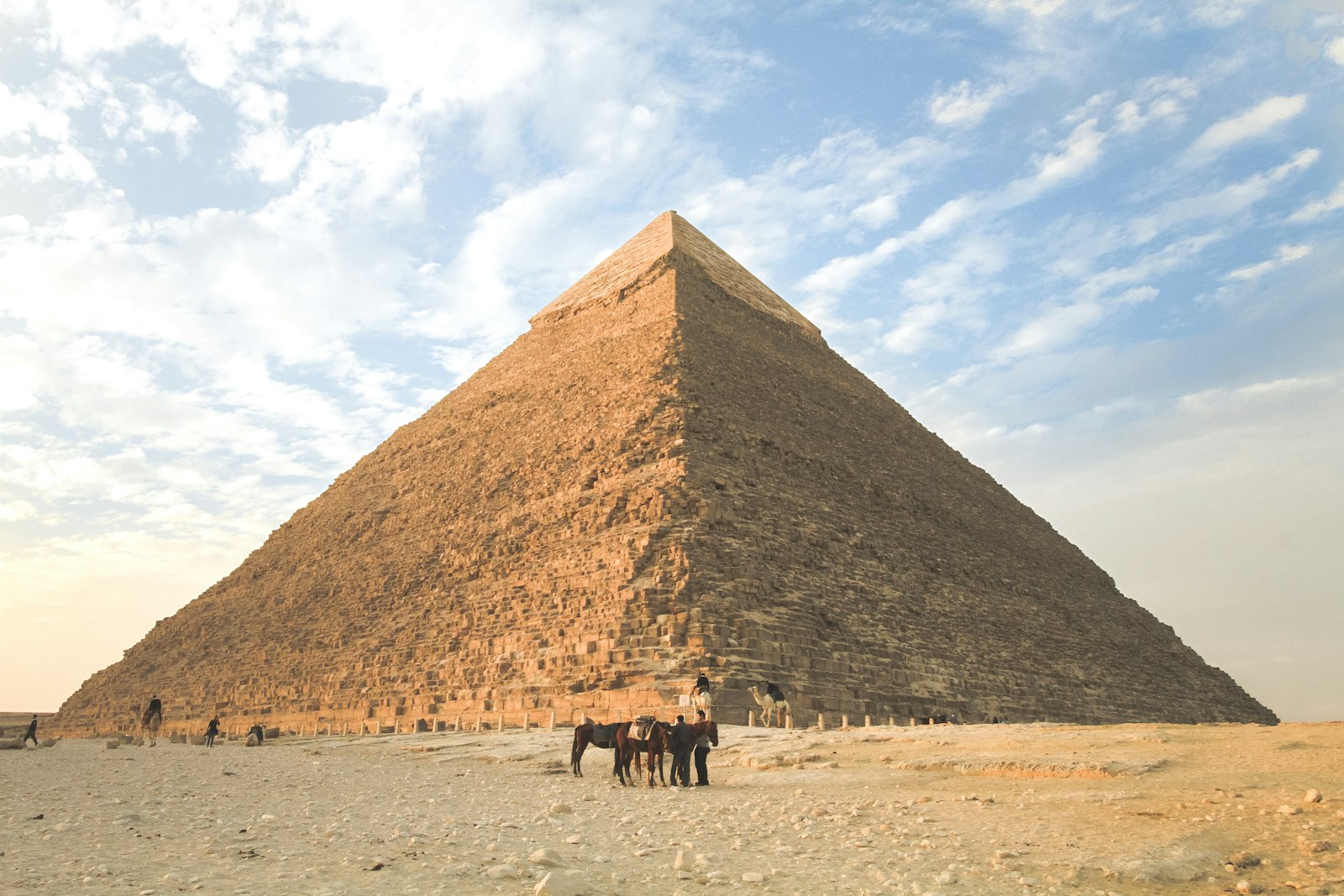
🏆 UNESCO Pyramid of Khafre
The second pyramid of the Giza Plateau, famous for the limestone casing still visible at its summit and for its connection with the Great Sphinx.
🏆 UNESCO Pyramid of Menkaure
The smallest of the three great pyramids of Giza, famous for its refined granite casing and the tragic loss of its sarcophagus at sea.
🏆 UNESCO The Bent Pyramid
The only Egyptian pyramid with a double inclination, witness to a bold architectural experiment by the pharaoh Sneferu.
🏆 UNESCO The Red Pyramid
The first true smooth-faced pyramid of ancient Egypt, third in size, built by the pharaoh Sneferu at Dahshur.
🏆 UNESCO Pyramids of the Queens of Giza
The three small satellite pyramids at the foot of the Great Pyramid, dedicated to the queens Hetepheres I, Meritites I and Henutsen, wives and mother of Khufu.
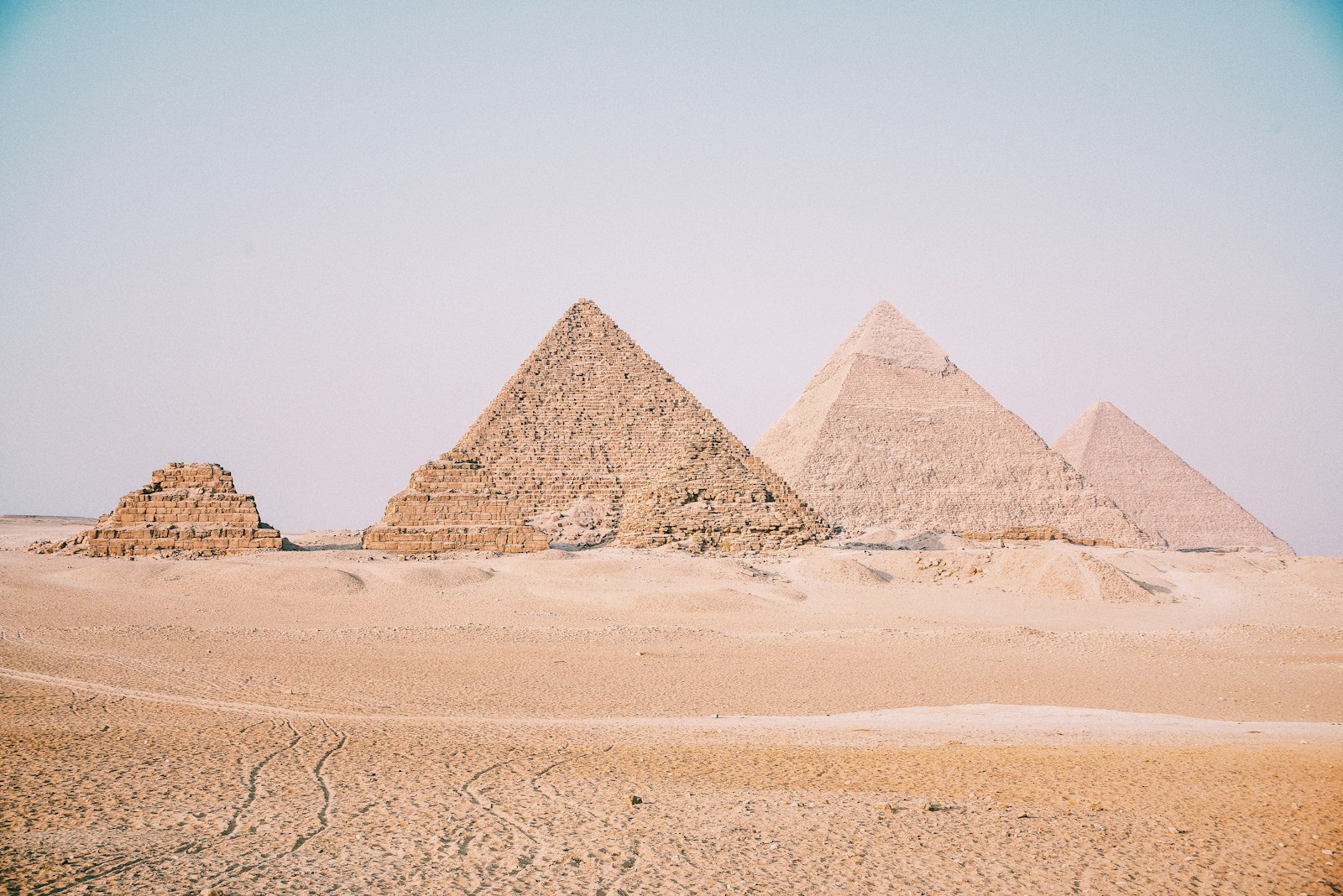
🏆 UNESCO Pyramids of Giza
The Pyramids of Giza are the eternal symbol of Egypt. A complete guide with history, opening hours, tickets, how to get there and tips for your visit.
🏆 UNESCO Islamic District of Cairo
The largest historic Islamic centre in the world, UNESCO heritage since 1979, with over 600 monuments among mosques, madrasas, palaces and medieval bazaars.
Serapeum of Alexandria
The ruins of the great temple dedicated to the syncretic god Serapis, spiritual heart of Ptolemaic Alexandria and seat of the daughter library.
🏆 UNESCO Serapeum of Saqqara
The ancient underground necropolis of the sacred Apis bulls, one of the most mysterious and fascinating sites of ancient Egypt.
Ben Ezra Synagogue
The oldest synagogue of Cairo, famous for the discovery of the Cairo Geniza with 300,000 medieval manuscripts that revolutionised historiography.
 🏆 UNESCO
 Site of Memphis
The ruins of the ancient capital of unified Egypt, founded by the legendary pharaoh Menes over 5,000 years ago.
 🏆 UNESCO
 Statue of Ramesses II at Memphis
The colossal limestone colossus of Ramesses II, a masterpiece of Egyptian sculpture preserved in the museum of Mit Rahina.
🏆 UNESCO Valley Temple of Chefren
The monumental funerary temple in red granite and limestone, famous for the discovery of the statue of Chefren, a masterpiece of Egyptian sculpture.
🏆 UNESCO Tombs of the Nobles of Giza
The mastabas of the officials and nobles of the 4th and 5th dynasties, rich in polychrome reliefs illustrating daily life in ancient Egypt.
Cairo Tower
The iconic reinforced concrete tower, 187 metres high in the shape of a lotus flower, with a revolving restaurant and 360° panoramic view of the city.
🏆 UNESCO Al-Muizz Street
The most fascinating street in Islamic Cairo, considered the longest open-air museum of Islamic architecture in the world.