Elphinstone Reef: the Submerged Cathedral of the Red Sea
Elphinstone Reef is a name that makes the heart beat of every self-respecting diver. This elongated coral formation, situated about 300 metres off the coast of Marsa Alam in the Egyptian Red Sea, is universally recognised as one of the most thrilling and scenographic dive sites of the world. The combination of vertical walls covered with corals of gaudy colours, two plateaus that attract large pelagics and the almost guaranteed presence of oceanic whitetip sharks makes Elphinstone an experience that even the most seasoned divers classify among the most memorable of their career.
The reef takes its name from a 19th-century British navy officer and extends for about 300 metres in a north-south direction, with a maximum width of about 30 metres. The summit of the reef, which surfaces a few metres below the surface, is the starting point of walls that plunge vertically into the deep blue, reaching abyssal depths exceeding 100 metres on all sides.
Morphology of the Reef
The North Wall
The northern wall of Elphinstone is perhaps the most photographed and admired. This section of the reef is characterised by an impressive verticality: from the summit of the reef, at about 1-2 metres of depth, the wall descends almost perpendicularly for dozens of metres, covered by a continuous mantle of soft corals of intense red, vivid orange and deep purple. The fan gorgonians, some of which reach dimensions exceeding two metres, reach out from the wall towards the open blue, capturing the nutritive currents that feed the reef.
The chromatic variety of the walls is extraordinary and changes with depth: in the first 15 metres hard corals and anemones dominate, between 15 and 30 metres the soft corals reach their maximum coloristic expression, while beyond 30 metres the giant gorgonians and the barrel sponges become the protagonists. This stratification creates a visual experience that renews itself continuously as the diver descends along the wall.
The South Wall
The southern wall presents characteristics similar to the north but with some peculiarities that make it equally fascinating. Here are found some of the most ancient and imposing coral formations of the reef, with stag-horn structures and table formations that testify to centuries of undisturbed growth. The crevices and the cavities in the wall host a very rich cryptic fauna: giant moray eels, glass fish, shrimps and multicoloured nudibranchs hide in every nook.
The North Plateau
The northern plateau of Elphinstone is the most celebrated dive point of the entire reef and one of the most famous of Egypt. This submerged plateau, situated at a depth comprised between 25 and 40 metres, reaches out from the summit of the reef towards the open sea like a natural springboard suspended over the abyss. The currents that flow along the walls of the reef converge on the plateau, bringing with them a constant flow of nutrients that attracts an incredible concentration of marine life.
It is on this plateau that the legendary encounters with the oceanic whitetip sharks (Carcharhinus longimanus) take place. These majestic pelagic predators, which can reach 3 metres in length, patrol the waters of the plateau with slow and regal movements, often accompanied by pilot fish and shoals of small fish. The oceanic whitetip is one of the most charismatic shark species of the world: the large fins with white tips, the hypnotic gaze and the sinuous gait make it a photographic subject of incomparable charm.
The South Plateau
The southern plateau is less frequented but equally spectacular. Deeper compared to the north, with the edge situated around 35 metres, this plateau is the hunting territory of giant barracudas, trevallies and tunas. In the winter months, shoals of hammerhead sharks have been sighted in the area, adding a further element of excitement to an already extraordinary site. The current on the south plateau can be particularly intense, making this dive suitable only for the most expert divers.
The Marine Fauna
The Pelagics
Elphinstone is first of all a site for the encounters with the large pelagics. Besides the already mentioned oceanic whitetip sharks, the reef is frequented regularly by grey reef sharks, shoals of barracuda that form hypnotic spirals in the currents, enormous giant trevallies and yellowfin tunas. In the months of autumn and winter, the probabilities of sighting hammerhead sharks and thresher sharks increase significantly.
The Napoleon fish (Cheilinus undulatus), one of the most imposing and charismatic fish of the coral reef, is a permanent resident of Elphinstone. These gentle giants, which can exceed 2 metres in length and 190 kilograms in weight, often approach divers with an almost friendly curiosity, creating moments of close encounter of rare emotional intensity.
Life on the Wall
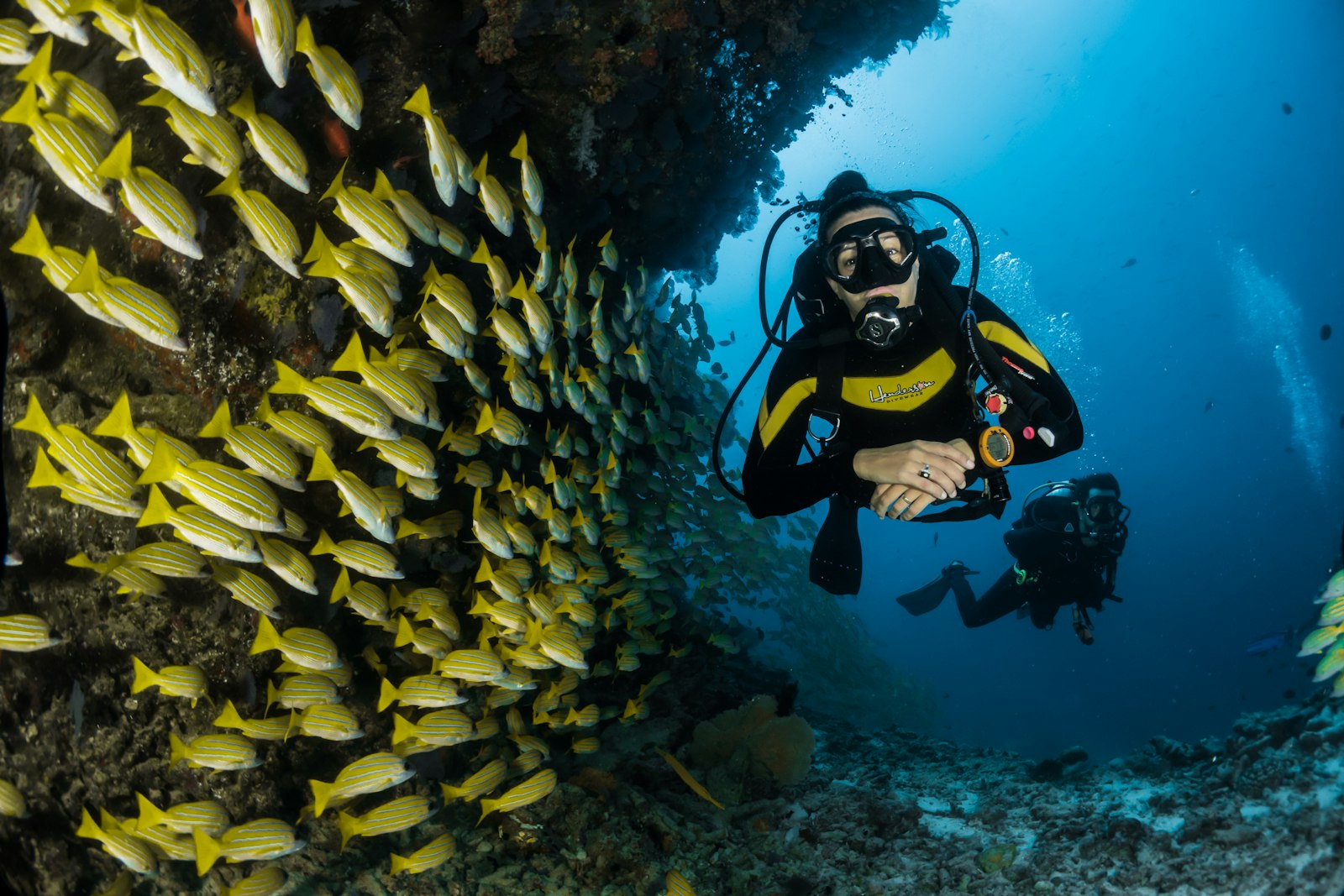
The walls of Elphinstone host a marine biodiversity that rivals the richest sites of the coral triangle in the Pacific. The anthias, small orange and pink fish, form dense clouds along the walls, feeding on the plankton that the current transports. The hawkfish perch on the gorgonians like birds on branches, the trumpetfish camouflage themselves among the whip corals, and the hawksbill turtles wander along the walls in search of sponges to feed on.
The coral arches and tunnels that are found at various depths along the walls create natural frames through which to photograph divers and marine life, producing images of extraordinary suggestion. The black coral formations, present at depths exceeding 30 metres, add an element of mystery and charm to the deeper dives.
The Night Life of the Reef
The night dives at Elphinstone, possible during the liveaboard cruises that moor near the reef, reveal a completely different world compared to the daytime dives. The soft corals open completely to feed on the nocturnal plankton, doubling their apparent dimensions. The lobsters come out of the dens, the crabs traverse the surface of the reef in all directions, and the parrotfish wrap themselves in their cocoon of protective mucus to sleep. Occasionally, the beam of the torch illuminates the eyes of a whitetip reef shark on nocturnal hunt, an experience as thrilling as it is fleeting.
How to Dive at Elphinstone
Methods of Access
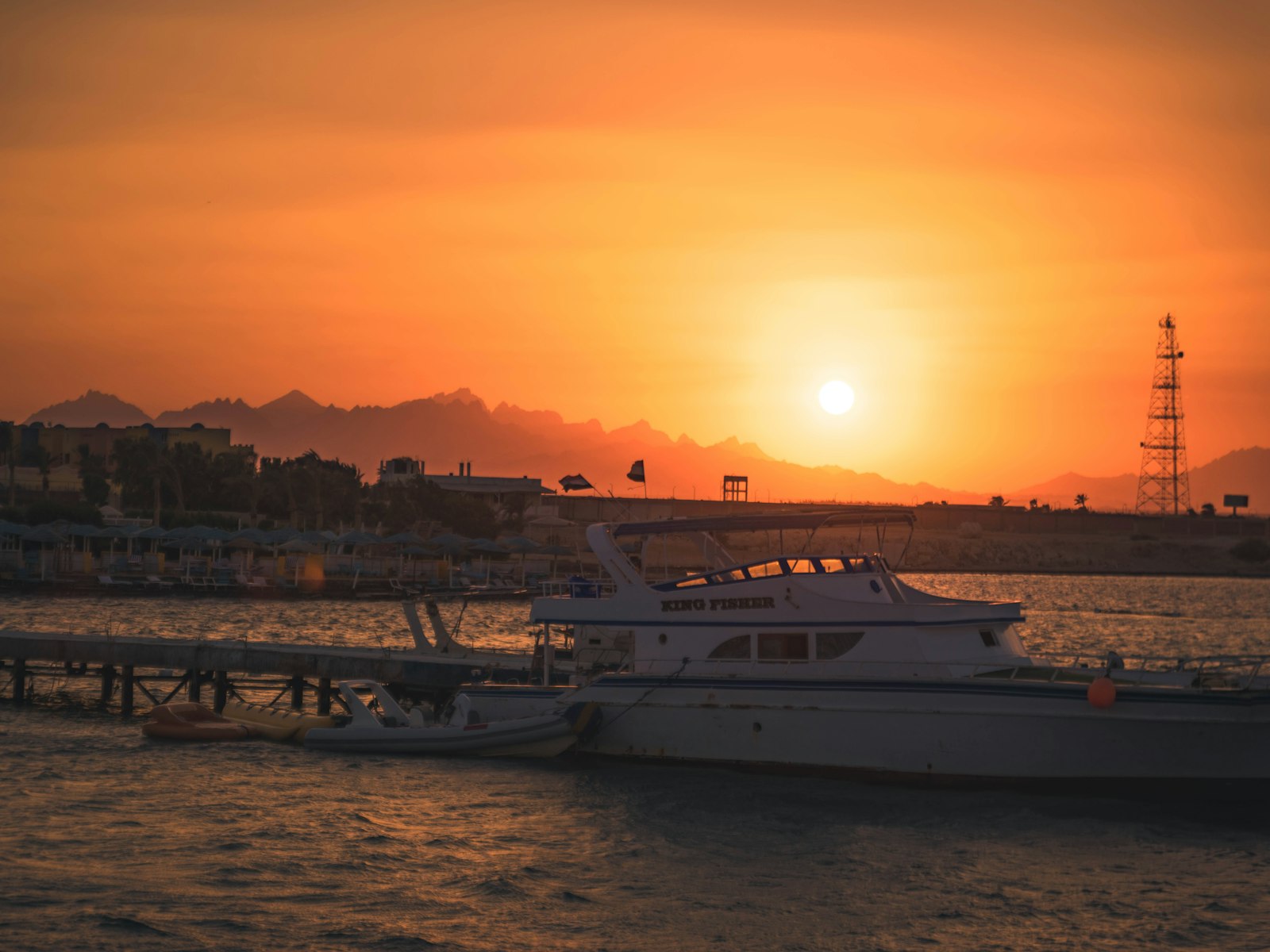
Elphinstone Reef is reachable both with daily excursions by day boat from the coast of Marsa Alam (navigation time about 30-45 minutes) and as a stop of the liveaboard cruises that operate in the region. The access by day boat generally permits two dives on the reef, while the liveaboard cruises can dedicate an entire day or more to the site, allowing up to four dives including nocturnal ones.
The diving centres of the coast of Marsa Alam and of Port Ghalib organise regular excursions to Elphinstone, with departure early in the morning and return in the early afternoon. Advance booking is recommended, especially during the high tourist season.
Difficulty Level
The dives at Elphinstone are not suitable for beginners. The main challenge is represented by the currents, which can be strong, unpredictable and vary rapidly in direction and intensity. The downcurrents along the walls represent a specific risk that requires experience in their management. The depth of the walls can induce even expert divers to descend beyond the planned limits, with consequent risks of nitrogen narcosis and decompression.
The minimum recommended certification is Advanced Open Water with significant experience in current dives. Many diving centres require a minimum of 30-50 logged dives. The divers must be equipped with SMB (surface marker buoy) and know how to perform an ascent in open sea in the case in which the current moves them away from the reef.
Planning of the Dive
The typical dive at Elphinstone foresees an entry into water on the summit of the reef from the windward side, a descent along the wall up to the desired depth, a swim in current along the reef until reaching one of the plateaus, and a gradual ascent along the opposite wall with release of the SMB during the safety stop. The diving guide that accompanies each group provides a detailed briefing before each dive, illustrating the current conditions, the points of interest and the safety procedures.
Best Period
The best period to dive at Elphinstone goes from October to April. The months of October, November and December offer the best probabilities of encountering the oceanic whitetip sharks, with a still comfortable water temperature around 26-27°C. The winter months (January-March) can be cooler (22-24°C) but offer an often superior visibility and the possibility of sighting hammerhead sharks. The summer is generally less indicated due to the stronger currents and a sometimes reduced visibility.
Underwater Photography
Elphinstone is a paradise for underwater photographers. The very colourful walls, the encounters with the large pelagics and the quality of the light that penetrates the crystalline waters offer exceptional photographic opportunities. For the wide-angle photography of the sharks and the pelagics, a fisheye lens or a strong wide-angle are essential, accompanied by powerful flashes to illuminate the coral walls. For macro-photography, the walls offer a richness of subjects that requires weeks to be explored completely.
Elphinstone Reef is one of those places that redefine the very idea of underwater diving. It is not simply a dive site: it is a transformative experience that connects the diver with the power and the beauty of the ocean in a profound and lasting way. Whether it is the first encounter with an oceanic whitetip, the spectacle of a wall completely covered with soft corals or the suspended silence over the abyss of the north plateau, Elphinstone gives emotions that no video or photograph could ever fully replicate.