Port Said: The Gateway of the Suez Canal on the Mediterranean
Port Said, as it is known internationally, is a unique city in the Egyptian panorama. Founded in 1859 on the occasion of the beginning of the construction works of the Suez Canal, this port city rises at the northern mouth of the canal, where the waters of the Mediterranean meet the entrance of one of the most important waterways in the world. Unlike the millennial cities of pharaonic Egypt, Port Said is a relatively young city, but it possesses a particular charm linked to its cosmopolitan history, its eclectic architecture and its strategic role in world trade.
The city rises on a strip of sandy land between the Mediterranean Sea and Lake Manzala, creating a unique urban landscape where water is omnipresent. Its historic centre, with its buildings with wooden balconies and decorated facades, tells the story of a city that for decades was a crossroads of cultures, languages and commerce.
The Foundation: A City Born from the Canal
The birth of Port Said is indissolubly linked to the enterprise of the Suez Canal. When Ferdinand de Lesseps and his Compagnie Universelle du Canal Maritime de Suez began the works in 1859, the site where the city would rise was little more than an expanse of sand and marshes. The need to create a port at the Mediterranean end of the canal led to the foundation of a settlement that took its name from the viceroy of Egypt Muhammad Said Pasha, the patron of the canal project.
The first buildings were constructed with materials imported from Europe, and the city grew rapidly following a rational urban plan inspired by the European models of the time. Wide, tree-lined streets, orderly squares and an elegant waterfront made Port Said one of the most modern cities of nineteenth-century Egypt. The population grew exponentially, attracting workers, merchants and adventurers from all over the Mediterranean basin: Greeks, Italians, French, Maltese, Armenians and Levantines mixed with the local Egyptian population, creating a cosmopolitan and lively social fabric.
The Lighthouse of Port Said
Among the most famous monuments of the city was the great lighthouse of Port Said, considered one of the first modern lighthouses built in the eastern Mediterranean. Erected in 1869 on the occasion of the inauguration of the canal, the original lighthouse was an imposing structure that guided ships towards the entrance of the canal. Initially powered by gas, it was subsequently electrified and became an iconic symbol of the city.
The lighthouse went through several phases of reconstruction and restoration over the decades, adapting to the growing needs of modern navigation. Its light could be seen at a great distance, serving as an essential reference point for ships approaching the mouth of the canal during the night. Still today, the maritime signalling system of Port Said is fundamental for the safety of navigation at the entrance of the canal.
The Colonial Architecture
The architectural heritage of Port Said is one of its most precious and least known treasures. The city preserves numerous buildings of the colonial era that represent an exceptional sampling of European architectural styles adapted to the eastern Mediterranean context. The facades of the buildings of the historic centre present a fascinating mix of neoclassical style, Art Nouveau and Art Déco, with characteristic carved wooden balconies, green shutters and stucco decorations.
The building of the old Suez Canal Company, with its imposing facade and its richly decorated interior halls, is one of the most significant examples of institutional architecture of the era. Along the Street of Commerce (Sharia el-Tugara), the commercial buildings of the early twentieth century still preserve the multilingual signs that testify to the cosmopolitan character of the city.
The Catholic Cathedral, the Greek-Orthodox Church and the historic mosques of the city form a religious mosaic that reflects the cultural diversity of Port Said. Unfortunately, many of these historic buildings suffer from poor maintenance and urgently need restoration, but several local and international initiatives are working to preserve this unique heritage.
The National Museum of Port Said
The National Museum of Port Said is an essential stop for those who visit the city. Located near the waterfront, the museum hosts a varied collection that covers the history of the region from the pharaonic era to modern times. Among the most significant finds are artefacts discovered in the archaeological sites of the eastern Nile Delta, objects of the Greco-Roman era coming from nearby Pelusium and a rich documentation on the construction of the Suez Canal.
The section dedicated to the modern history of the city is particularly interesting, with period photographs, original documents, historic maps and naval models that recount the evolution of Port Said from labour camp to cosmopolitan city. One hall is dedicated to the Suez Crisis of 1956 and the resistance of the city during the tripartite invasion, with war relics, testimonies and reconstructions of the events.
The Statue of De Lesseps and the Contested Memory
At the entrance of the canal there once rose the great bronze statue of Ferdinand de Lesseps, work of the French sculptor Emmanuel Frémiet, inaugurated in 1899. The statue, over six metres tall, depicted de Lesseps standing with his arm stretched towards the canal, as if to indicate the direction of his great work. For decades, the statue was the most recognisable symbol of Port Said.
After the nationalisation of the canal in 1956 and the Suez Crisis, the statue was removed as a symbolic act of liberation from colonial dominion. The removal of the statue became an event celebrated by the local population and the Egyptian government as the restoration of national sovereignty. The base remained empty for years before being definitively dismantled. The fate of the statue was the object of debate for decades, a symbol of the tensions between colonial memory and national pride.
The Suez Crisis and the War Memorial
Port Said was at the centre of the dramatic events of the Suez Crisis of 1956. When President Nasser nationalised the canal, Great Britain, France and Israel launched a military operation against Egypt. Port Said was bombed and invaded by the Anglo-French forces on 5 November 1956. The civilian population opposed a fierce resistance, and the city suffered serious damage. The 23rd of December is celebrated every year as the National Day of Port Said, in memory of the liberation of the city.
The War Memorial, located in the centre of the city, commemorates the fallen during the crisis with a monumental structure that includes an obelisk and a museum. The stories of resistance of the citizens of Port Said have become an integral part of the Egyptian national narrative and represent a reason for deep pride for the inhabitants of the city.
The Free Zone and Commerce
Port Said is famous throughout Egypt and the Arab world for its free zone, established in 1975 as an economic incentive for the development of the city after the reopening of the canal. The free zone offers imported products at significantly lower prices compared to the rest of the country, attracting visitors from all over Egypt and from neighbouring countries.
The large stores and shops of the free zone sell electronics, branded clothing, perfumes, cosmetics and luxury items at competitive prices. Shopping in Port Said is a characteristic experience, with the covered markets and commercial streets that come alive especially at weekends and during festivities. The free zone has contributed significantly to the local economy, creating thousands of jobs in the commercial and services sector.
Cultural and Gastronomic Life
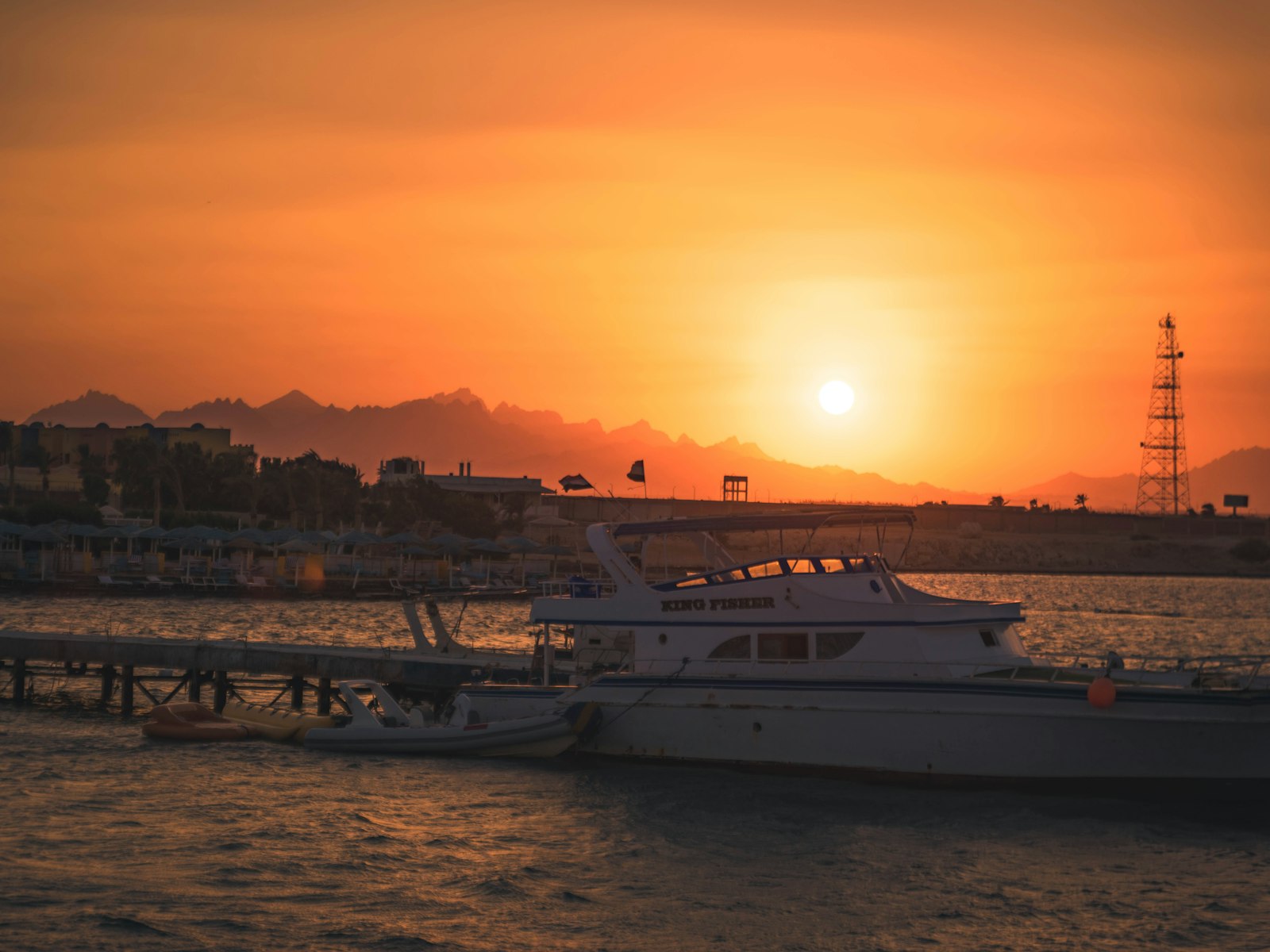
Port Said possesses a lively culinary tradition that reflects its multicultural history. Dishes based on fresh fish of the Mediterranean are the specialty of the city: fish soups, grilled fish with rice and stuffed mussels are among the most appreciated specialties. The restaurants on the waterfront offer a perfect combination of excellent cuisine and view of the canal.
The city is also known for its musical and theatrical tradition, with festivals and cultural events that animate the historic centre throughout the year. The carnival of Port Said, although less known than the European ones, is a colourful and festive event that draws visitors from the neighbouring cities.
Tips for the Visit
How to Get There
Port Said is reachable from Cairo in about three hours by car through the desert highway. Regular buses depart from the Turgoman station in Cairo with frequent runs during the day. There is no efficient direct railway connection, so the bus or private car are the best options.
Recommended Itinerary
Begin the visit from the waterfront (Corniche), where you can admire the transit of the ships in the canal. Continue towards the historic centre to discover the colonial architecture and visit the National Museum. Do not miss a walk along the Street of Commerce to admire the historic buildings. Conclude with a lunch based on fish in one of the restaurants on the sea.
What to Bring
Comfortable shoes for the walks in the historic centre, sun protection, a hat and a camera. The sea breeze can be fresh on winter evenings, so bring a light jacket. For shopping in the free zone, bring cash in Egyptian pounds and US dollars.
Practical Suggestions
On Fridays the city is quieter, while Saturdays are the most crowded days for shopping in the free zone. For a spectacular view of the ships entering the canal, position yourselves on the northern tip of the city, where the Mediterranean meets the canal. The fish market at dawn is an authentic experience for early-rising visitors.
Port Said is a city that surprises: far from the traditional tourist circuits of Egypt, it offers a different and fascinating face of the country, where modern history intertwines with the present in a maritime context unique of its kind.