The Temple of Mut: the Secret Sanctuary of the Great Divine Mother
The Temple of Mut, also known as the Precinct of Mut, is one of the three great sacred precincts that make up the vast temple complex of Karnak, located on the eastern bank of the Nile at Luxor. Dedicated to the goddess Mut, the divine "Great Mother" and consort of the supreme god Amun-Ra, this precinct represents one of the most important and least known places of worship of ancient Egypt, a true hidden jewel that most tourists overlook in favour of the more famous Precinct of Amun.
The Precinct of Mut extends to the south of the main precinct of Karnak, connected to it through an avenue of ram-headed sphinxes. With its temples, its courtyards, its hundreds of statues and its enigmatic crescent-shaped sacred lake, this site offers an intimate and suggestive archaeological experience, far from the crowds that throng the hypostyle halls of the larger temple.
The Goddess Mut: Great Mother and Queen of Heaven
Origin and Significance
Mut was one of the most important deities of the Egyptian pantheon, particularly venerated during the New Kingdom (1550-1070 BC), when Thebes was the religious capital of Egypt. Her name means literally "mother", and the goddess embodied the principle of divine motherhood, of female royalty and of cosmic protection. She was represented as a woman with the double crown of Upper and Lower Egypt, symbol of her authority over the whole country, or as a vulture, her sacred animal.
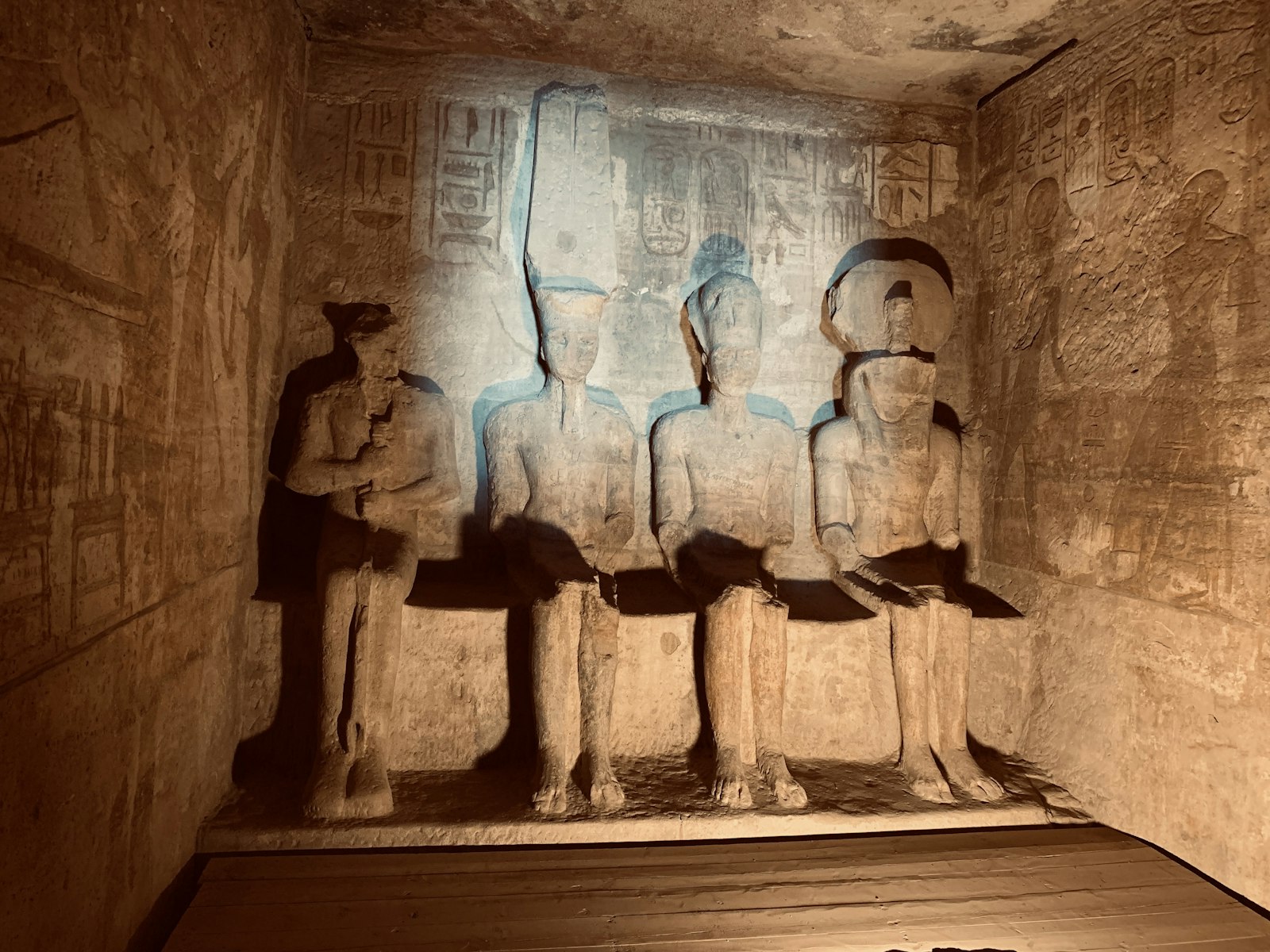
Mut formed, together with Amun-Ra and the son Khonsu (god of the moon), the so-called Theban Triad, the most powerful divine group of Egyptian theology during the New Kingdom. The relationship between Amun and Mut was considered the cosmic model of the royal marriage: as Amun was the king of the gods, so Mut was the queen of heaven, and their son Khonsu governed the night.
Mut and Sekhmet: Two Aspects of the Same Divinity
A fascinating aspect of the theology of Mut is her identification with the goddess Sekhmet, the terrible lioness-headed deity associated with war, epidemics and the destructive power of the sun. According to the Egyptian myth, Ra had sent Sekhmet to earth to punish rebellious humanity, but the goddess, intoxicated by blood, risked exterminating the entire human race. Only the cunning of Ra, who dyed the beer red to deceive Sekhmet into believing it was blood, managed to placate her fury. The goddess, drunk, fell asleep and awoke transformed into the peaceful Hathor (or, according to the Theban tradition, into Mut).
This duality between destruction and protection, between ferocity and motherhood, is at the centre of the theology of the Temple of Mut and explains the presence in the precinct of hundreds of statues of the lioness Sekhmet: by placating Sekhmet through daily rituals, the priests believed they guaranteed the security of Egypt and the benevolence of the mother goddess Mut.
History of the Temple
The Origins
The first structures at the site of the Precinct of Mut date back at least to the 18th dynasty, during the reign of Hatshepsut and Thutmose III, who had the first stone buildings constructed in the sacred precinct. However, the temple reached its maximum splendour under the pharaoh Amenhotep III of the 18th dynasty (around 1390-1352 BC), who enlarged it enormously and enriched it with hundreds of statues of the goddess Sekhmet.
Amenhotep III had a particularly intense devotion to the goddess Mut and her ferocious aspect Sekhmet. It is believed that the pharaoh had two statues of Sekhmet erected for each day of the year — one seated and one standing — for a total of over 730 statues, with the intent of placating the goddess and protecting himself from illness and calamity. Although many of these statues have been transferred to museums all over the world over the centuries, hundreds are still visible in the precinct, creating a panorama of great evocative power.
The Later Phases
The temple was enlarged and modified by numerous later pharaohs. Ramesses II added statues and decorations, while Ramesses III built a small temple within the precinct. During the 25th dynasty (Kushite period), the pharaoh Taharqa carried out important works of restoration and enlargement. In the Ptolemaic and Roman era, the cult of Mut continued to be practised, although with some modifications dictated by the Greek and Roman cultural influence.
The Sacred Lake Isheru
A Unique Shape
The most characteristic and mysterious element of the Precinct of Mut is the sacred lake Isheru, an artificial basin of singular crescent (or sickle-moon) shape that partially surrounds the main temple on three sides. This shape is unique among all the sacred lakes of the Egyptian temples, which are generally rectangular, and has a profound symbolic significance linked to the goddess Mut.
The crescent shape of the lake has been interpreted in various ways by scholars. Some hold that it represents the maternal womb of Mut, in which the temple is found protected like a foetus in the belly of the mother. Others see in the shape of the lake a reference to the waxing moon, associated with the son of Mut, the lunar god Khonsu. A third interpretation links the shape of the lake to the hieroglyph that represents the sky (pet), suggesting that the temple was symbolically surrounded by the celestial embrace of the goddess.
The lake had both practical and ritual functions: it served for the ablutions of the priests before the ceremonies, for the bathing of the divine statues during the rituals of purification and as a basin for the processions of the sacred barques. The water of the lake was considered sacred and endowed with curative powers, and the faithful immersed themselves in it in the hope of obtaining healing from illnesses.
The Statues of Sekhmet
An Army of Lionesses
The collection of statues of Sekhmet present in the Precinct of Mut is one of the most impressive of all Egypt. Originally, Amenhotep III had over 700 statues of the lioness-headed goddess sculpted, all in diorite or black granodiorite, a hard and resistant material that confers on the statues an austere and menacing appearance.
The statues present themselves in two typologies: seated on a throne, with the solar disc and the sacred cobra on the head, the hands resting on the knees; and standing, with the wadj sceptre in the left hand and the ankh (symbol of life) in the right hand. The dimensions are constant: about 2 metres in height for the seated statues and about 2.20 metres for the standing ones.
Many of these statues are still arranged in their original positions within the precinct, creating suggestive rows that wind through courtyards and corridors. The visual effect is powerful and unsettling: walking among dozens of black stone lionesses, with their empty eyes that seem to follow the visitor, is an experience that evokes the terrible power of the divinity and the absolute devotion of the pharaoh.
The Excavations and the Research
The Brooklyn Museum Project
Since 2001, the Precinct of Mut has been the object of an important archaeological project conducted by Johns Hopkins University and the Brooklyn Museum of New York, in collaboration with the Supreme Council of Egyptian Antiquities. This project has led to numerous significant discoveries and has contributed to redrawing our understanding of the history of the site.
The excavations have revealed that the precinct was much more complex than was previously thought, with numerous minor temples, chapels, storehouses and administrative structures surrounding the main temple. New statues of Sekhmet, fragments of painted reliefs, unpublished inscriptions and remains of ritual activities have been discovered that shed new light on the religious practices associated with the cult of Mut.
One of the most interesting discoveries was the identification of previously unknown construction phases, which demonstrate that the site was used as a place of worship already before the 18th dynasty. Remains of Christian structures of the Coptic period have also emerged, which testify to the continuity of use of the sacred site even after the end of the traditional Egyptian religion.
The Ongoing Investigations
The research in the Precinct of Mut is still ongoing and continues to produce significant results. The modern techniques of detection, including digital photogrammetry, laser scanning and geophysics, are revealing buried structures and architectural details that the traditional excavations could not have identified. The site remains one of the most active and promising archaeological sites of all Egypt.
Tips for the Visit
How to Arrive
The Precinct of Mut is located to the south of the main precinct of Amun at Karnak, reachable through a path that starts from the tenth pylon of the temple of Amun. Access is generally included in the ticket of the Karnak complex, although in some periods it might require a supplement. Verify the conditions of access at the moment of the visit, since some areas might be closed for excavations.
When to Visit
The best moments to visit the Precinct of Mut are the early hours of the morning and the late afternoon, when the light is soft and the temperatures are more pleasant. The relative absence of tourists makes this site ideal for a contemplative and tranquil visit, far from the frenzy of the conventional tourist circuits.
What to Expect
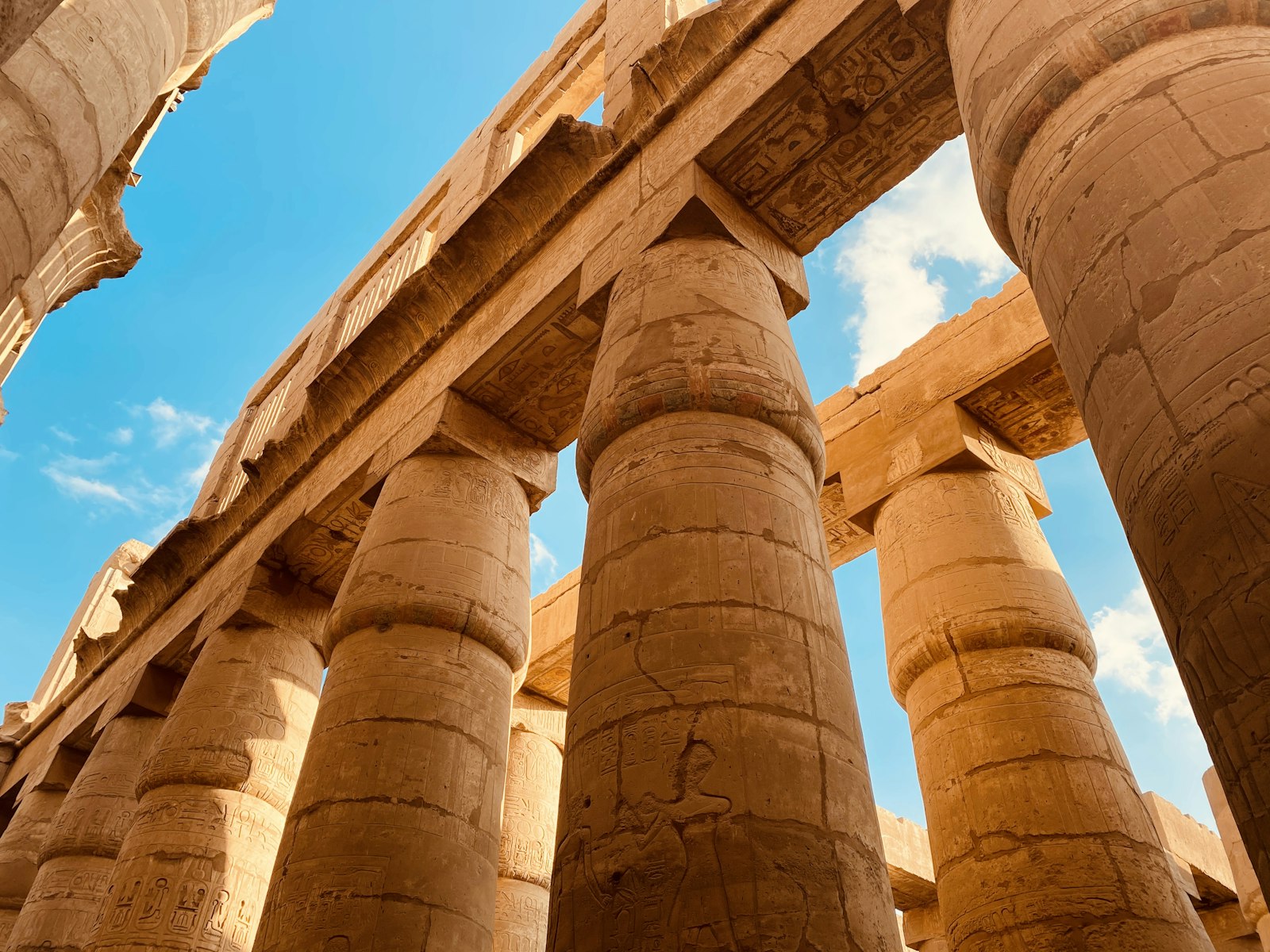
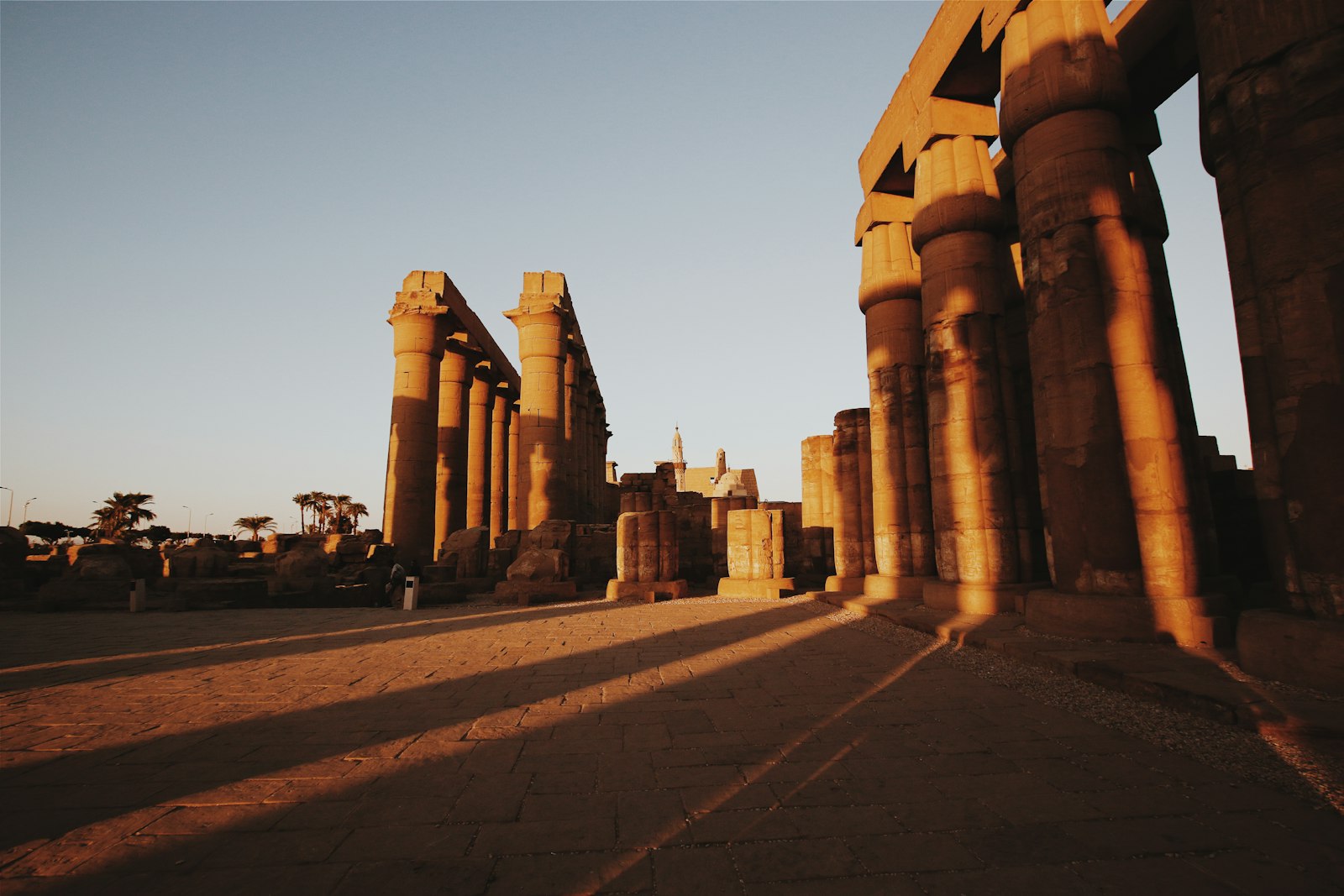
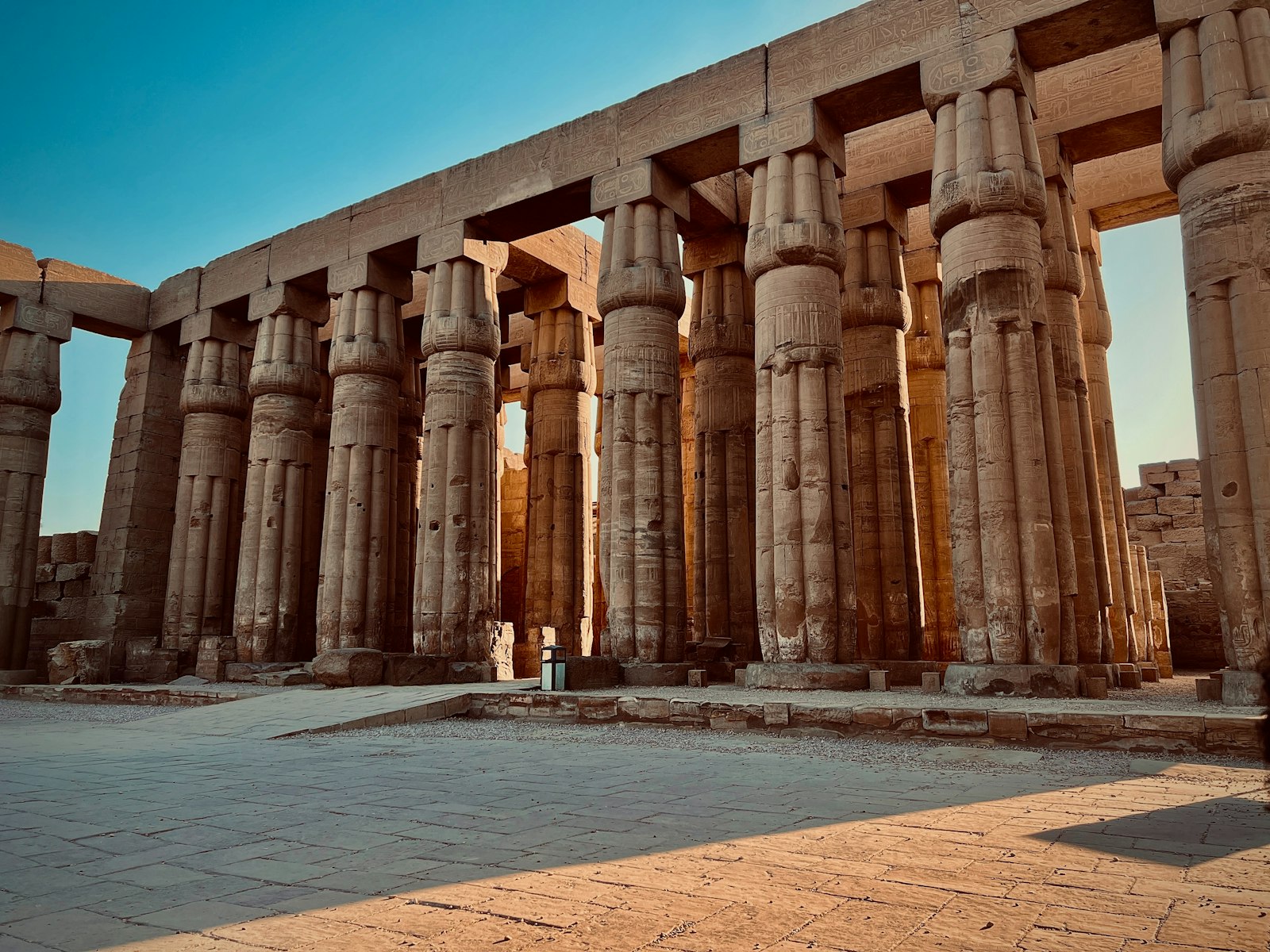
Unlike the precinct of Amun, the Precinct of Mut presents itself as an archaeological site in the course of excavation rather than as a restored monument. The structures are largely reduced to foundations and stumps of columns, and the vegetation grows freely among the ruins. This condition, far from being a defect, confers on the site a romantic and authentic charm that recalls the illustrations of the 19th-century travellers.
Practical Suggestions
Wear sturdy shoes, since the terrain is uneven and sandy. Bring water and sun protection, since there are no shaded zones. A local guide is particularly recommended for this site, since the information panels are limited and the comprehension of the complex requires specialist knowledge.
Combining the Visit
The Precinct of Mut combines naturally with the visit to the main Temple of Karnak (Precinct of Amun). It is advisable to dedicate the morning to the precinct of Amun and the early afternoon to the Precinct of Mut, to then continue along the Avenue of the Sphinxes towards the Temple of Luxor in the late afternoon.
Curiosities about the Temple of Mut
The statues of Sekhmet of the Temple of Mut are so numerous that they have been distributed in museums all over the world. It is estimated that specimens coming from this site are today found at the British Museum of London, at the Louvre of Paris, at the Metropolitan Museum of New York, at the Egyptian Museum of Turin and in dozens of other institutions. Despite this dispersion, the number of statues remaining in situ is still impressive and makes the Precinct of Mut one of the most evocative sites of the Theban region.
The name "Isheru", attributed to the sacred lake, means literally "lake" in ancient Egyptian, but it was used specifically for the crescent-shaped sacred lakes associated with the temples of the feline goddesses, suggesting that the shape of the basin was part of a specific architectural tradition linked to the cult of the leonine deities. This detail reveals how sophisticated and codified the symbolic language of Egyptian sacred architecture was.