El Quseir: the Ancient Port between East and West
El Quseir, the "little fortress" in Arabic, is one of the oldest and most fascinating cities on the Egyptian coast of the Red Sea. Located about 130 kilometres south of Hurghada and 80 kilometres north of Marsa Alam, this sleepy little town nestled on a natural harbour conceals a millennial history that saw it as a protagonist of the trade routes between the Mediterranean, East Africa and India. Here, where today fishing boats sway lazily in the roadstead, ships once docked laden with spices, incense, ivory and precious stones that fed the trade of the Roman Empire with the East.
Unlike the nearby tourist resorts of Hurghada and Marsa Alam, where modern resorts have radically transformed the coastal landscape, El Quseir has maintained an authentically Egyptian character. Its narrow streets flanked by coral-block houses, the Ottoman fortress that dominates the harbour, the small mosques with slender minarets and the relaxed atmosphere of a fishing community make it a precious alternative for those seeking a genuine Red Sea, far from mass tourism.
Millennial History
The Ancient Port of Myos Hormos
The origins of El Quseir are lost in antiquity. Archaeologists identify this area with the ancient port of Myos Hormos (the "Port of the Mouse"), one of the most important commercial harbours of Ptolemaic and Roman Egypt. Probably founded during the 3rd century BC under the Ptolemies, Myos Hormos became the main point of connection between the Nile Valley and the trade routes of the Red Sea and the Indian Ocean.
Ships departed from here exploiting the monsoons to reach the ports of Arabia, East Africa and India, from where they returned laden with pepper, cinnamon, silk, pearls, ivory, myrrh and incense. These goods were then transported across the desert to the city of Coptos (present-day Qift) in the Nile Valley, and from there shipped to Alexandria and to Rome. The anonymous author of the "Periplus of the Erythraean Sea", a navigation guide of the 1st century AD, describes this port and its commercial activities in detail.
The archaeological excavations conducted in the area of El Quseir el-Qadim, about eight kilometres north of the modern city, have brought to light the remains of the ancient port, including warehouses, dwellings, a small mosque (the oldest found along the Red Sea, dated to the 13th century) and thousands of ceramic fragments coming from the entire ancient world, from China to Etruria.
The Islamic Period and the Pilgrimage Routes
With the advent of Islam, El Quseir acquired a new importance as an embarkation point for Egyptian pilgrims bound for Mecca. For centuries, thousands of Muslims crossed the eastern desert from the Nile Valley to El Quseir, where they boarded dhows (traditional sailing vessels) to cross the Red Sea and reach the port of Jeddah, from where they continued by land to the holy city. This uninterrupted flow of pilgrims made El Quseir a cosmopolitan centre where cultures, languages and traditions from all over the Islamic world met and mingled.
The city also became an important centre for the trade of coffee coming from Yemen and spices from the East, which were unloaded in the port and transported towards Cairo and the rest of Egypt. This commercial activity brought prosperity and cultural diversity, whose traces are still visible in the architecture and traditions of the old town.
The Ottoman Fortress
The most emblematic monument of El Quseir is the Ottoman fortress that dominates the harbour, built in the 16th century by Sultan Selim I after the conquest of Egypt in 1517. The fortress was erected to protect the port from the incursions of the Portuguese, who in that period were trying to control the trade routes of the Red Sea as part of their expansion in the Indian Ocean.
The original structure, rectangular in plan with solid stone walls and angular bastions, was subsequently enlarged and reinforced, in particular during the Napoleonic period and under the government of Muhammad Ali in the 19th century. Today the fortress has been restored and transformed into a small museum that houses finds from the history of the city, including commercial documents, period weapons, ceramics and a collection of inscriptions in Arabic, Turkish and other languages that document the cosmopolitan past of El Quseir.
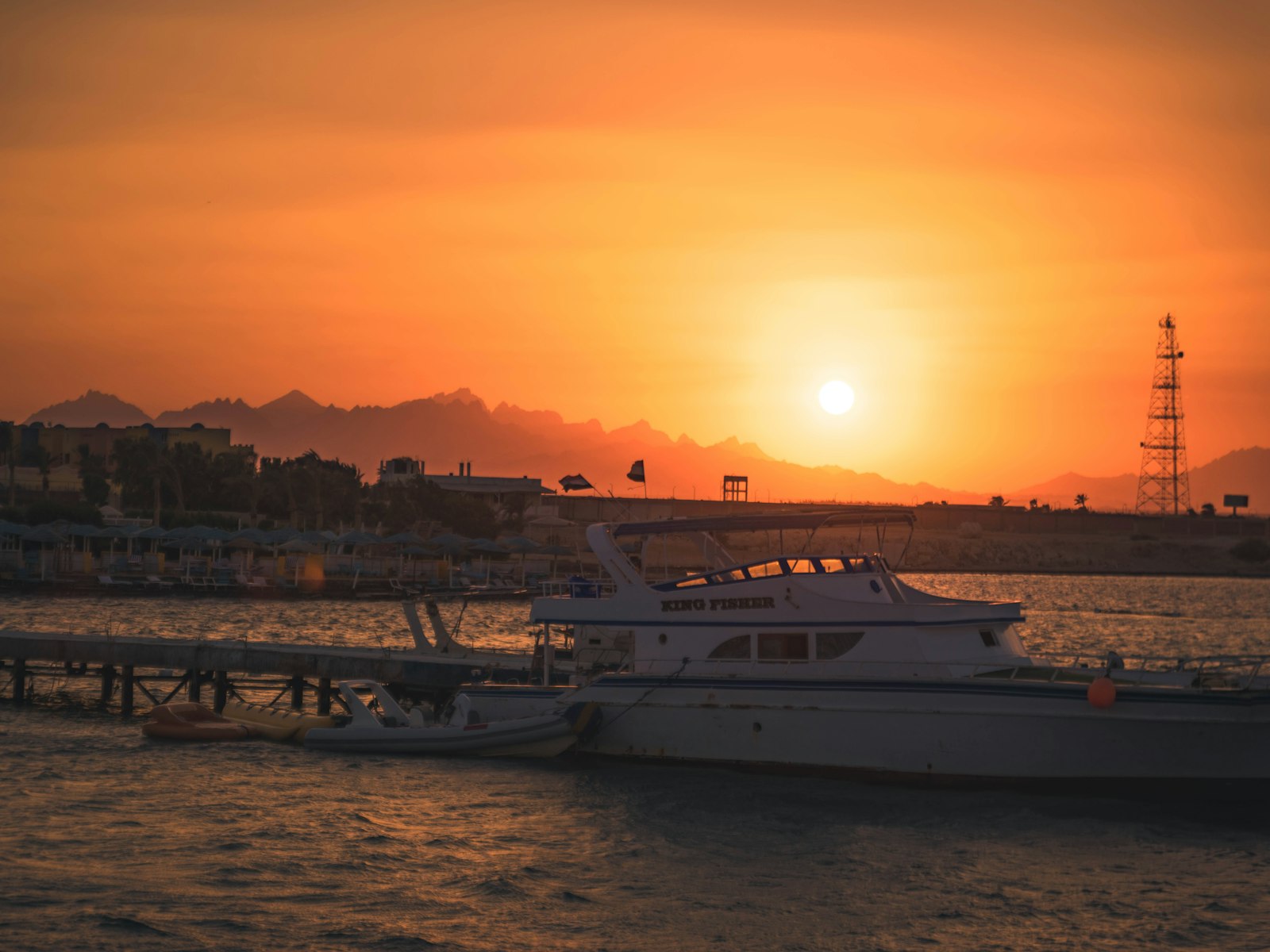
The visit to the fortress also offers a splendid panoramic view of the harbour and the old town, particularly evocative at sunset when the sea takes on an orange hue and the mountains of the eastern desert create a dramatic backdrop.
The Old Town
The Coral-Block Houses
One of the most distinctive and fascinating features of El Quseir is the traditional architecture of the dwellings of the historic centre, built with blocks of fossil coral extracted from the coastal reef. These houses, with their irregular façades and rough texture, create an urban fabric of great visual charm, with narrow shaded alleys, decorated portals and mashrabiyas (the traditional wooden lattice windows) that filter the light and guarantee privacy.
Many of these dwellings date back to the 18th and 19th centuries and show Ottoman, Hejazi (from the Arabian peninsula) and Yemeni architectural influences, reflecting the multiple cultural connections of El Quseir with the Islamic world. Some houses preserve interior decorations with coloured stuccoes, ornamental niches and carved wooden ceilings that testify to the prosperity of this merchant community.
The Historic Mosques
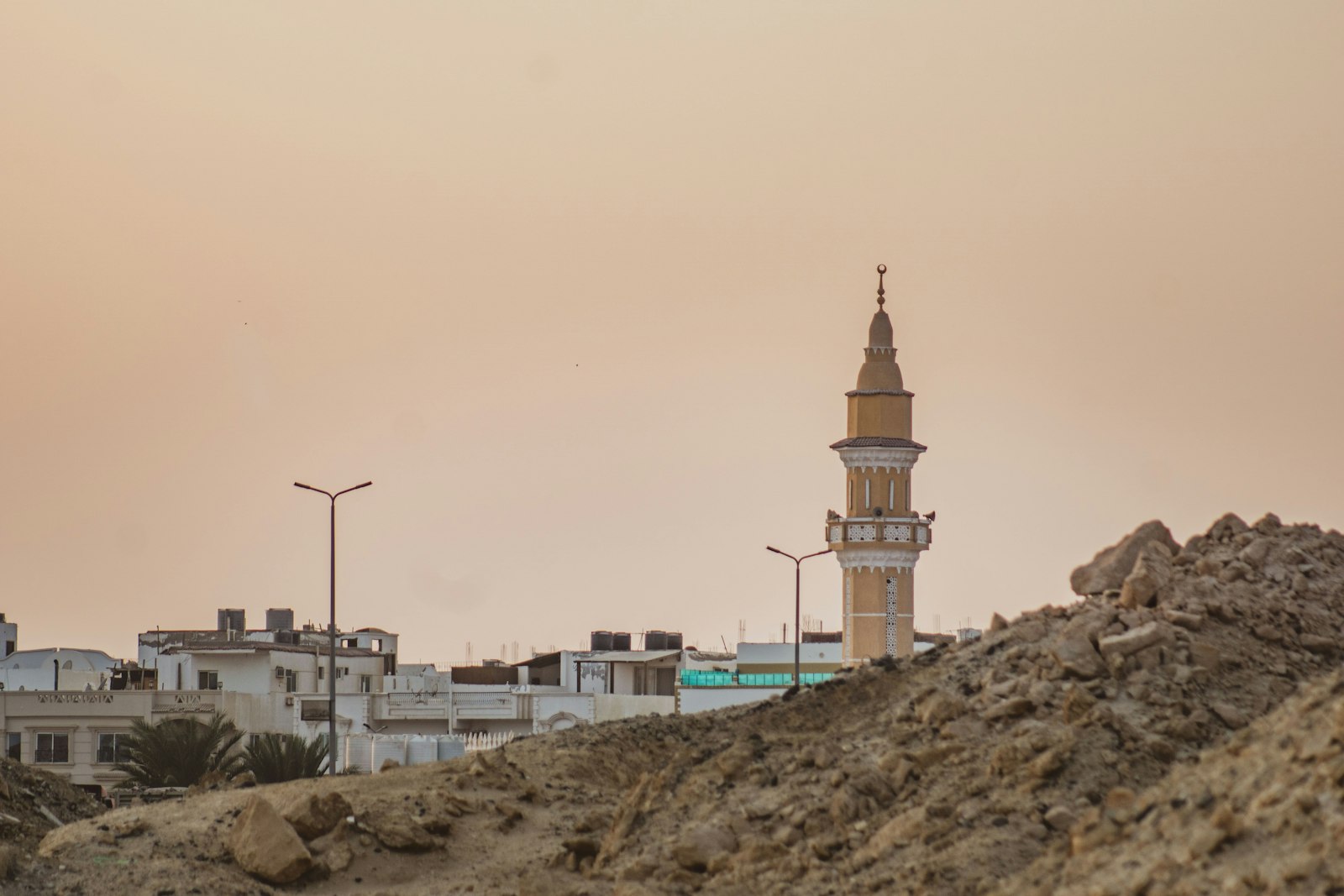
The historic centre houses several small mosques of great architectural and historical value. The main mosque, the Al-Farran Mosque, dates back to the Ottoman period and features an elegant minaret that serves as a visual landmark in the panorama of the old town. The mosque of Sheikh El-Qenawi, dedicated to a local Sufi saint, is an important centre of popular devotion that continues to attract faithful and pilgrims.
These mosques, with their interiors decorated with Quranic verses and geometric arabesques, offer a glimpse of the religious and spiritual life of an Egyptian coastal community, very different from the standardised tourist image of the Red Sea.
The Legacy of the Italian Miners
A little-known chapter of the history of El Quseir is linked to the presence of Italian workers in the 20th century. During the period between the two world wars, an Italian mining company employed miners coming mainly from Sardinia for the extraction of phosphates in the mines of the desert hinterland. These workers settled in El Quseir, leaving traces of their presence in the local culture: some Italian surnames are still borne by families of the city, and some recipes of the local cuisine show Italian influences.
The memory of this Italian community is preserved in the oral stories of the older inhabitants and in some architectural structures of the colonial period still visible in the centre of the city. For Italian visitors, discovering this unexpected connection with their own national history is a particularly moving experience.
Tips for the Visit
How to Get There
El Quseir is reachable both from Hurghada (130 km to the north, about two hours by car) and from Marsa Alam (80 km to the south, about an hour). The coastal road that connects the two localities is paved and in good condition. Bus and minibus services connect the city with Hurghada and with the Nile Valley across the desert. The nearest airport is that of Marsa Alam, from which El Quseir is reachable in a little over an hour.
For getting around the city a vehicle is not needed: the historic centre is compact and is easily visited on foot. To reach the archaeological sites and the more distant beaches a taxi or a rental car is useful.
What to See
Begin the visit from the Ottoman fortress, which provides a historical introduction to the city and offers an orienting panoramic view. Then continue into the heart of the old town, strolling unhurriedly among the narrow streets flanked by the coral houses. Visit the Al-Farran Mosque and look for the most beautiful decorated portals and mashrabiyas.
For archaeology enthusiasts, an excursion to the site of El Quseir el-Qadim, about eight kilometres to the north, allows one to see the remains of the ancient port of Myos Hormos. The site is not always accessible and a local guide is useful for orienting oneself among the ruins.
Diving and Snorkelling
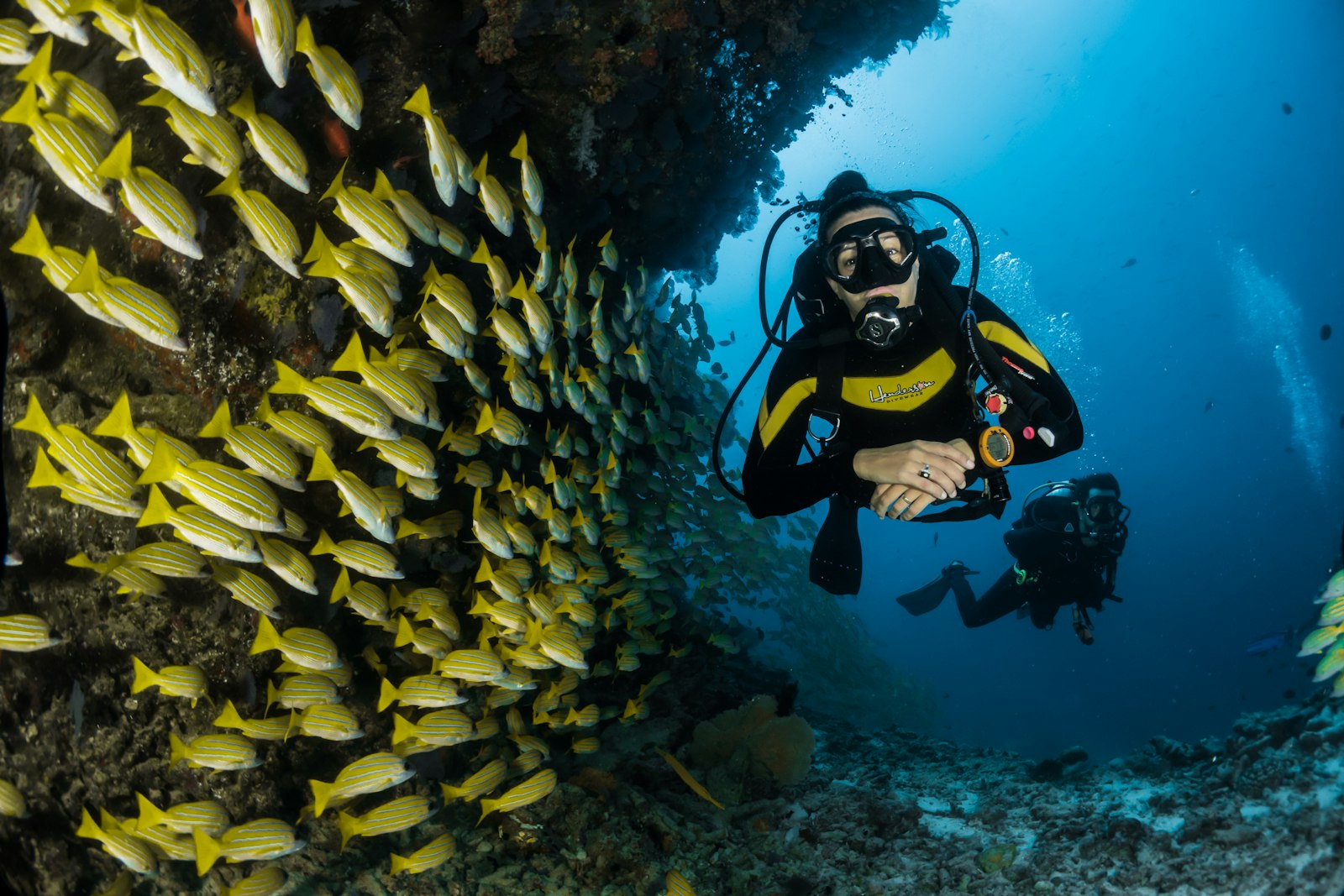
El Quseir offers excellent underwater opportunities in a much quieter context compared to Hurghada or Sharm el-Sheikh. The coastal reefs in the area of the city are in excellent state of conservation thanks to the lower tourist pressure, and host a rich biodiversity that includes turtles, moray eels, Napoleon fish and, occasionally, dugongs.
Several diving centres operate in El Quseir, offering daily dives on the local reefs and excursions towards the more distant sites. The reef house of El Quseir, reachable from the shore, is an accessible and extraordinarily rich snorkelling site, particularly suitable for beginners.
Where to Eat
The gastronomic scene of El Quseir is authentic and little touristy. The restaurants along the harbour serve very fresh fish caught the same day, grilled over coals or fried according to the local recipes. The foul and the ta'ameya (the Egyptian versions of hummus and falafel) served in the small kiosks of the centre are among the best on the coast. For a complete experience, look for the restaurants that serve sayadiya, the dish of rice with fish typical of the Egyptian coastal communities.
Where to Stay
El Quseir offers a limited but pleasant range of accommodation, from small boutique hotels in the old town to mid-range coastal resorts just outside the centre. Accommodation in the city allows one to live a more authentic experience and to explore the streets on foot even in the evening, when the atmosphere is particularly evocative.
Curiosities
The name "Quseir" is the Arabic diminutive of "qasr" (fortress, palace), and means literally "little fortress". In the Roman period, the port was known by various names: in addition to Myos Hormos, the sources also mention Leukos Limen (the White Port), although some scholars identify the latter with a different site. The archaeological excavations at El Quseir el-Qadim have yielded commercial letters written on papyrus in several languages, including Greek, Latin, Arabic and Tamil, demonstrating the extent of the commercial networks that converged on this small port.
The community of El Quseir still preserves today unique musical and dance traditions, influenced by the centuries of contact with pilgrims and merchants coming from every corner of the Islamic world. The simsimiyya, a five-stringed harp of Sufi origin, is the traditional instrument of the Red Sea coast and is still played at local gatherings and festivals.
To visit El Quseir means to discover an authentic and little-known Egypt, where time flows to the rhythm of the tides and history surfaces from every coral wall, where the scent of grilled fish mingles with the call of the muezzin and the sunset over the Red Sea sets ablaze every evening the same horizon that saw the sails of the Roman merchants and of the pilgrims bound for Mecca.