Al-Azhar Park: the Green Oasis in the Heart of Cairo
Al-Azhar Park is one of the most extraordinary stories of urban regeneration of the contemporary world. This park of thirty hectares, located on a hill in the heart of Islamic Cairo, was created from the transformation of a gigantic landfill that for centuries had accumulated the refuse of the city in an area adjacent to the historical Ayyubid walls. Inaugurated in 2005, the park is a project of the Aga Khan Trust for Culture and represents today one of the most important green lungs of Cairo, a place where Cairenes come to seek respite from the urban chaos and where visitors can admire breathtaking panoramas over the millennial city.
The creation of Al-Azhar Park was not only an operation of landscape architecture, but an ambitious project of social development that involved the local communities, brought back to light forgotten historical monuments and contributed to improving the living conditions of thousands of residents in the surrounding neighbourhoods. The park has become an international model of how the design of green spaces can be an instrument of urban and social transformation.
The History of the Park
From Landfill to Garden
For over five hundred years, the hill of al-Darassa, located between Islamic Cairo and the City of the Dead, had been used as an open-air landfill. Layers upon layers of refuse had accumulated until forming an artificial hill that reached forty metres in height. The area was considered a place of degradation and abandonment, a blind spot in the urban fabric of the city that no one dared to approach.
In 1984, during a visit to Cairo, the Aga Khan IV, spiritual leader of the Ismaili community and philanthropist of world fame, saw in the hill of refuse not an insurmountable problem but a unique opportunity. His vision was that of creating a great public park that would give back to the community a green space of high quality, recovering at the same time the historical heritage buried under the debris. The project was formally launched in 1997 with an initial investment of thirty million dollars on the part of the Aga Khan Trust for Culture.
The Works of Transformation
The transformation of the landfill into a park was a colossal undertaking. First of all, it was necessary to remove and stabilise millions of tonnes of refuse accumulated over the course of the centuries. The designers, guided by the landscape architect Maher Stino and by the international consultants of the firm Sites International, had to face engineering challenges without precedent: the contamination of the soil, the instability of the terrain and the management of the underground waters.
During the excavations emerged archaeological discoveries of great importance. The most significant was the finding of a stretch almost one and a half kilometres long of the Ayyubid walls of Cairo, built in the 12th century by the sultan Saladin to defend the city from the Crusaders. These walls, buried under the refuse for centuries, were restored and integrated into the project of the park, becoming one of the most evocative elements of the landscape.
The Inauguration in 2005
Al-Azhar Park was officially inaugurated in March 2005 in the presence of the Aga Khan IV and of the Egyptian authorities. The event was welcomed with enthusiasm by the Cairene population, which for the first time could enjoy a great green space in the centre of the city. In the first year of opening, the park attracted over two million visitors, a success that surpassed every expectation.
The Landscape Project
The Gardens of Islamic Inspiration
The design of the park is inspired by the tradition of Islamic gardens, which in their turn sink their roots in the Koranic concept of paradise as an irrigated garden. Water is the dominant element of the project: a system of channels, fountains and cascades crosses the park from north to south, creating a central axis that recalls the Persian chaharbagh, the gardens of four quadrants, symbol of the four rivers of paradise.
The fountains are designed according to traditional geometric models, with concentric basins and water plays that produce a relaxing sound capable of covering the noise of the city traffic. The tree-lined avenues, flanked by palms, jacaranda and ficus trees, create zones of shade essential in the torrid climate of Cairo.
The Lake
At the centre of the park is an artificial lake that serves as a reflecting mirror of water and as a climatising element. Its shores are bordered by aquatic plants and by stone seats where the Cairene families love to gather in the late afternoon. The view from the lake, with the minarets of Islamic Cairo that stand out on the horizon, is one of the most photographed of the entire park.
The Hills and the Panoramic Points
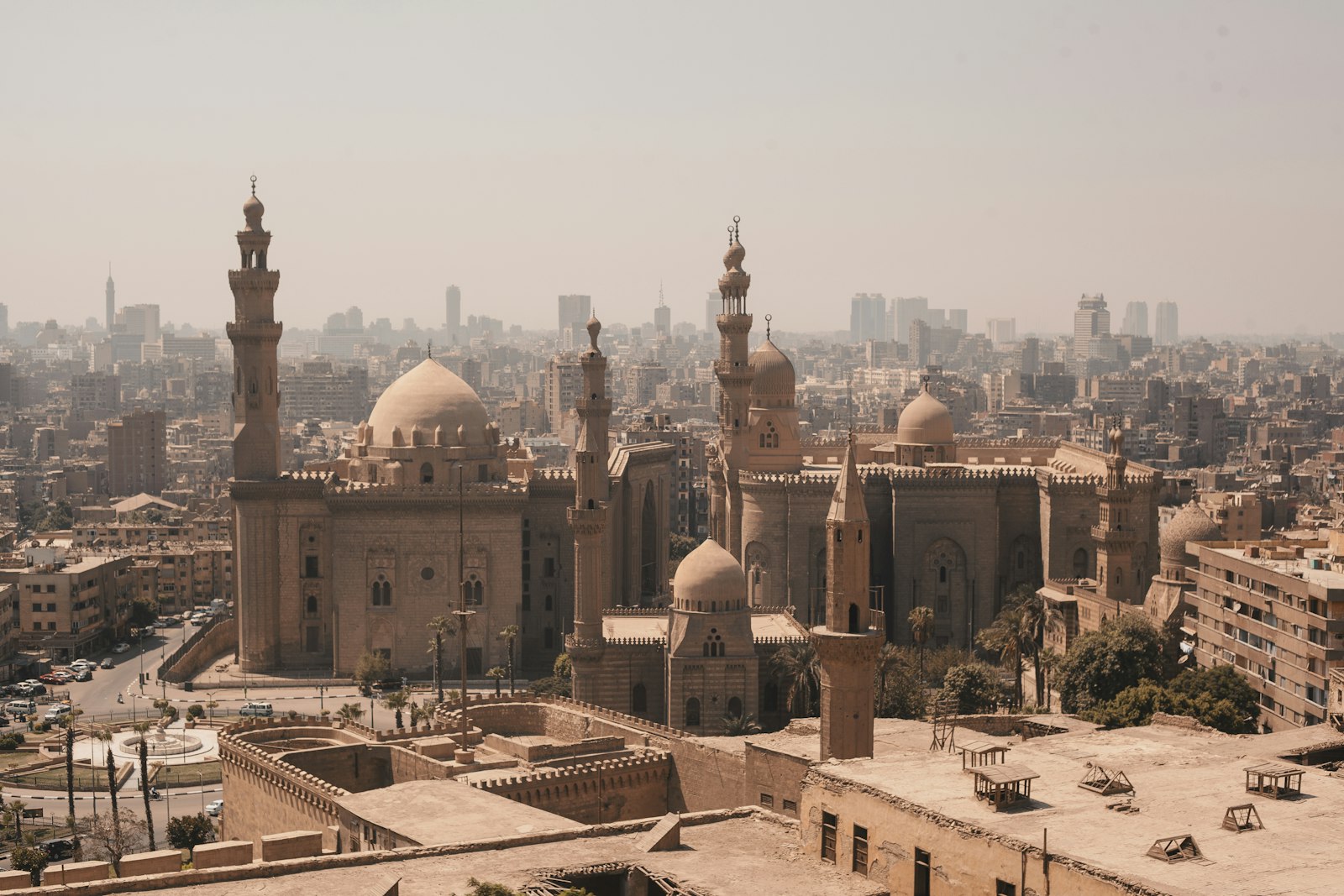
The natural topography of the hill of refuse has been exploited to create spectacular panoramic points. From the summit of the park, at about forty metres above the level of the city, one enjoys a three hundred and sixty degree view that embraces the entire Cairo: to the west the pyramids of Giza, to the north the Cairo tower, to the east the Citadel of Saladin with the mosque of Muhammad Ali, and below, in the valley, the dense urban fabric of Islamic Cairo with its domes and its minarets.
The Discovery of the Ayyubid Walls
A Hidden Treasure
The discovery of the Ayyubid walls during the works of excavation was one of the most exciting moments of the entire project. These walls, built between 1176 and 1183 by order of the sultan Saladin (Salah al-Din al-Ayyubi), had been buried under the refuse for centuries and their exact position had been forgotten. The stretch found, about 1.5 kilometres long, included guard towers, posterns and stretches of patrol path in excellent state of conservation.
The restoration of the walls was conducted with the utmost care, using techniques and materials compatible with the original ones. Today the walls are integrated into the route of the park and constitute one of its main attractions. A formal garden has been created along the base of the walls, with geometric flowerbeds that exalt their majesty.
The Historical Significance
The Ayyubid walls are a direct testimony of the epoch of the Crusades and of the role of Cairo as capital of the Ayyubid sultanate. Saladin, who had reconquered Jerusalem in 1187, wanted to endow his capital with impregnable fortifications. The stretch found in the park connected the Citadel with the northern gates of the city, completing the defensive circuit that protected medieval Cairo.
The Social Project
The Renewal of the Neighbourhood of al-Darb al-Ahmar
Al-Azhar Park was not conceived as an island of beauty isolated from the surrounding context. The Aga Khan Trust for Culture accompanied the creation of the park with a vast programme of community development in the adjacent neighbourhood of al-Darb al-Ahmar, one of the poorest and most densely populated areas of Cairo.
The programme included the restoration of mosques and historical monuments of the neighbourhood, the creation of centres of professional formation for local artisans, programmes of microcredit for small entrepreneurs, the improvement of the sanitary infrastructures and the creation of jobs linked to the maintenance of the park. This integrated approach has made Al-Azhar Park a global model of sustainable and inclusive urban development.
The Restaurants and the Services
The park hosts various restaurants and cafés that offer Egyptian and international cuisine with panoramic view over the city. The Lakeside Café, overlooking the lake, is particularly popular for sunset dinners. The Citadel View Restaurant, located on the summit of the hill, offers a spectacular view over the Citadel and over Islamic Cairo. The proceeds of these restaurants contribute to the financing of the maintenance of the park and of the social programmes.
Tips for the Visit
When to Visit
Al-Azhar Park is open every day from 9:00 to 22:00. The best moment to visit it is the late afternoon, when the temperature attenuates and the light of the sunset tinges the panorama with warm colours. On Friday and Saturday the park is very frequented by Cairene families: if you prefer tranquillity, opt for the weekdays.
How to Get There
The main entrance of the park is located on Sharia Salah Salem, reachable by taxi or with a ride-sharing service from any point of Cairo. From the metro station of Al-Azhar, the park is about fifteen minutes on foot through the neighbourhood of al-Darb al-Ahmar. For those arriving from Islamic Cairo, the side entrance is accessible from the area of al-Azhar.
What to Bring
Bring with you water, sun protection and a hat, above all if you visit the park during the central hours of the day. In the late afternoon, a light jacket can be useful in the winter months, when the temperature drops rapidly after sunset. Comfortable shoes are essential to explore the hilly paths.
Photographic Suggestions
The panoramic points on the summit of the hill offer the best photographic opportunities. At sunset, the view over the Citadel and over the mosques of Islamic Cairo is simply spectacular. For the more expert photographers, the Ayyubid walls illuminated by the grazing light of the late afternoon create evocative compositions with plays of light and shadow on the medieval stones.
Combining the Visit
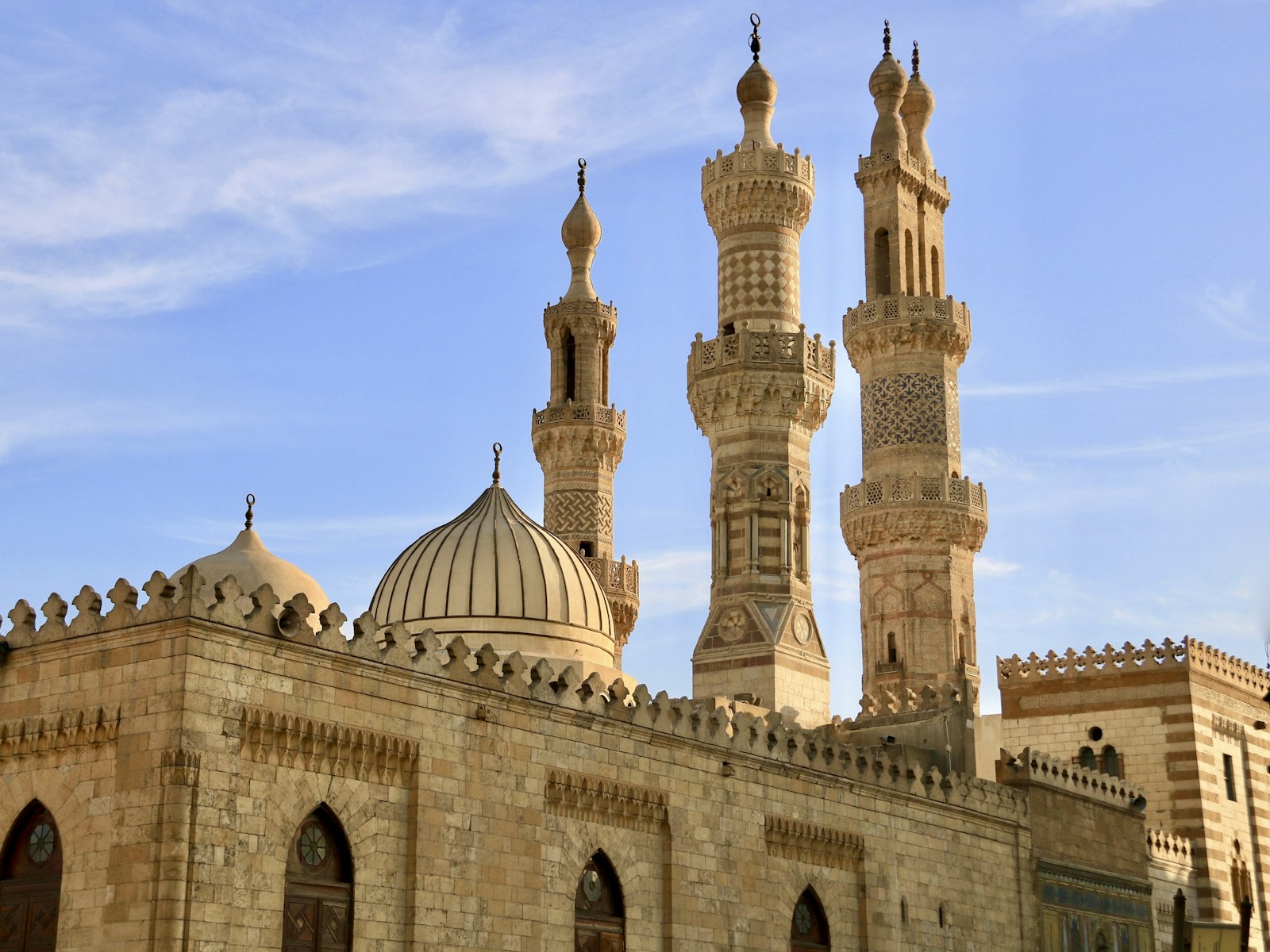
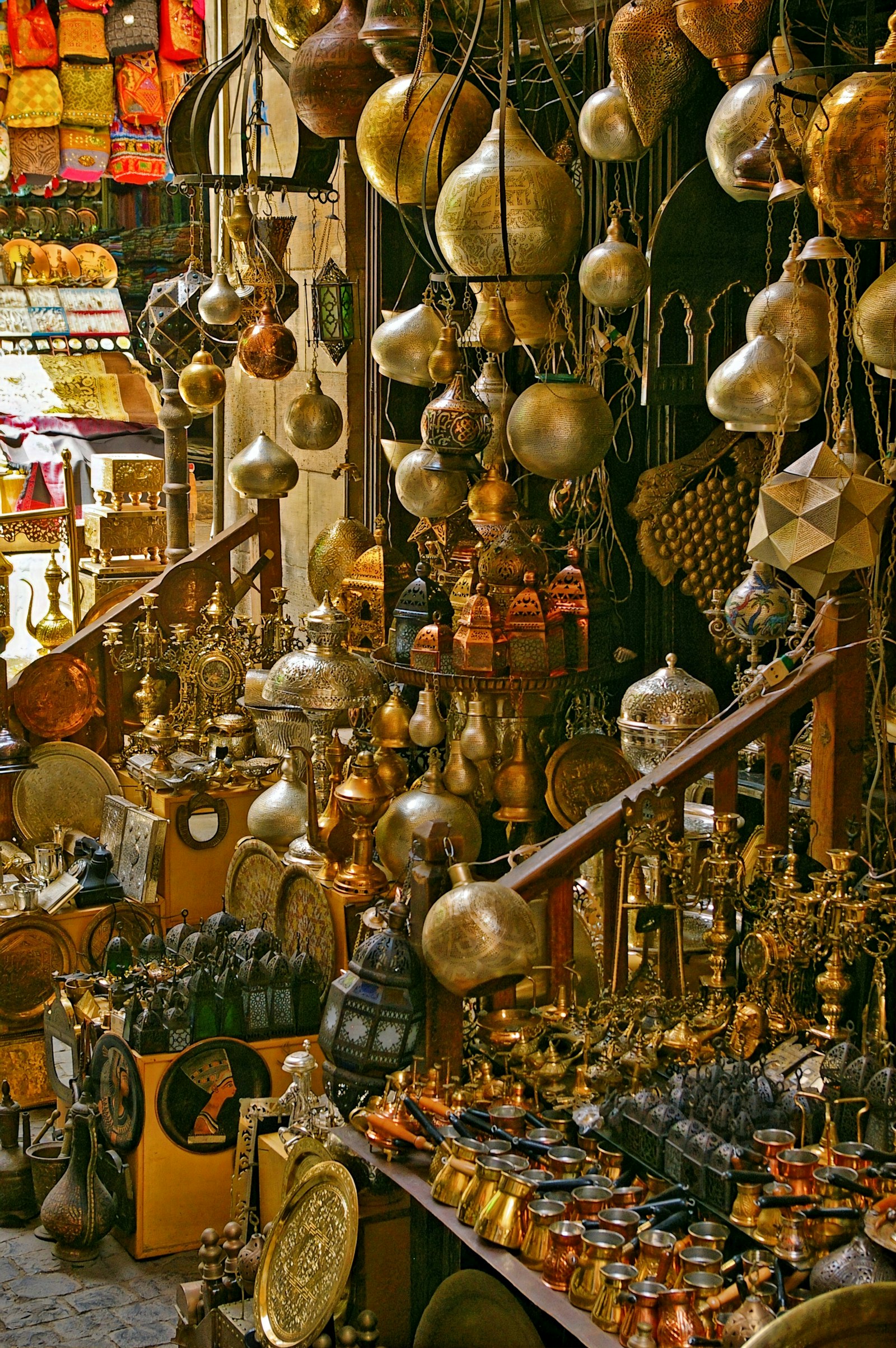
Al-Azhar Park is the ideal complement to a day of exploration of Islamic Cairo. After having visited the mosque of al-Azhar and the bazaar of Khan el-Khalili in the morning, the park offers a perfect place to relax in the afternoon before proceeding towards the Citadel of Saladin. The combination of history, culture and nature makes this day one of the most complete experiences that Cairo can offer.
Al-Azhar Park is the demonstration that even in the most degraded urban contexts it is possible to create spaces of beauty and quality of life. Its history, from the secular landfill to the flowered garden, is a metaphor of hope and regeneration that inspires urban planners and communities all over the world.