The Botanical Garden of Kitchener's Island: A Tropical Oasis on the Nile
In the heart of the Nile, among the turquoise waters that flow slowly through Aswan, emerges an island that seems to belong to another world. Kitchener's Island, known locally as Geziret el-Nabatat (Island of the Plants), hosts one of the most fascinating and singular botanical gardens of the entire Egypt. This small green paradise, just 750 metres long and 115 wide, encloses an extraordinary collection of exotic plants coming from every corner of the tropical world, a living heritage of the British colonial era that has transformed into a place of beauty and botanical science.
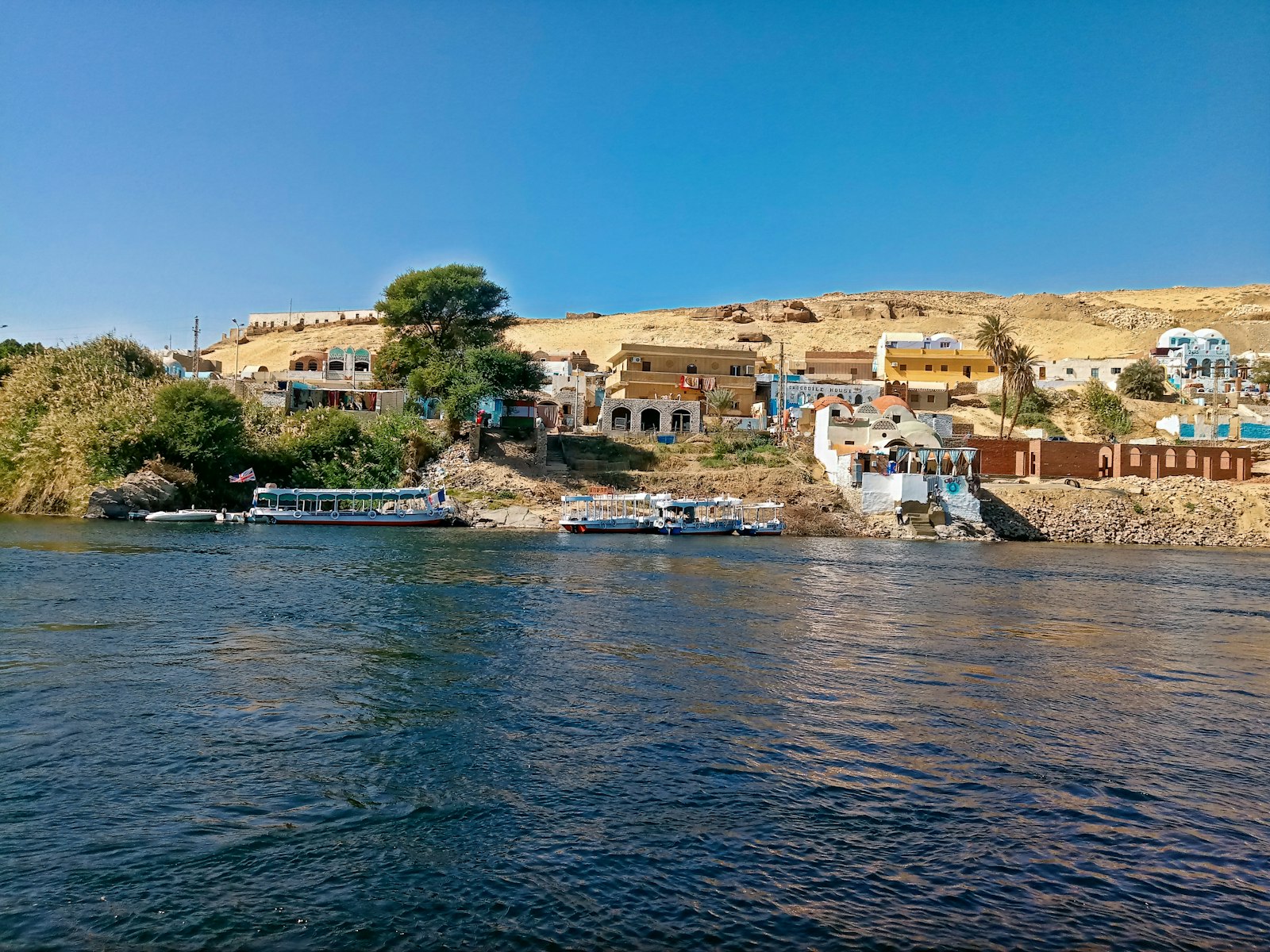
The island is located immediately to the west of the larger Elephantine Island and visitors reach it by felucca or by boat, a short journey on the river that alone is worth the excursion. As soon as one sets foot on the island, the contrast with the surrounding desert landscape is surprising: the ochre-coloured aridity of the Sahara gives way to a lush mantle of tropical green, a garden of Eden set among the golden sands of Upper Egypt.
History of the Island and the Garden
Lord Kitchener and the Birth of the Garden
The history of the botanical garden is inextricably linked to the figure of Horatio Herbert Kitchener, the famous British general who was consul general in Egypt and commander of the Anglo-Egyptian forces during the reconquest of Sudan at the end of the 19th century. Kitchener received the island as a gift from the Egyptian government in recognition of his military and diplomatic services, and transformed it into his private residence.
A man of multiple interests, Kitchener nurtured a deep passion for botany and gardening. During his travels in India, in Southeast Asia and in equatorial Africa, he had collected seeds and seedlings of rare and exotic plant species, and saw in the island the ideal opportunity to create a garden that would reunite the botanical wonders of the tropics. He invested considerable resources to set up irrigation systems, import fertile soil and have plants transported from every continent.
From Private Residence to Scientific Institution
After Kitchener's departure from Egypt, the island passed under the control of the Egyptian government, which recognised its scientific value and transformed it into an official botanical garden. Over the course of the 20th century, the Egyptian Ministry of Agriculture notably enlarged the collection, introducing new species and organising the garden according to modern scientific criteria. Today the island hosts over 400 different plant species, catalogued and labelled, that represent the tropical and subtropical flora of five continents.
The garden has gone through several phases of development and restoration. In the nineties, a renovation programme improved the infrastructure of the island, with new paths, benches, rest areas and information panels. Despite these modernisations, the atmosphere of the garden conserves a retro charm that recalls the epoch in which Lord Kitchener strolled under the palms admiring his beloved exotic plants.
The Botanical Collection
The Royal Palms and the Tropical Species
The collection of palms of the garden is one of its main attractions. The Cuban royal palms, with their smooth trunks and elegant crowns, form majestic avenues that cross the island from one extremity to the other. Beside these are found coconut palms, date palms, Washingtonia palms from California and the rare traveller's palm from Madagascar, recognisable for its characteristic fan-shaped arrangement of the leaves.
Among the most remarkable tropical species figure the Indian rubber trees (Ficus elastica), with their impressive aerial roots that descend from the branches towards the ground creating natural colonnades. The banyans, also of the ficus family, have developed magnificently in the microclimate of the island, forming shady coverings under which it is pleasant to pause in the hottest hours.
The Flowering Plants and the Spices
The garden hosts a rich collection of tropical flowering plants that confer on the island explosions of colour throughout the year. Bougainvilleas of every shade, from bright orange to intense purple, cover pergolas and walls. The hibiscus, with its red and yellow flowers, is omnipresent along the paths. Very fragrant frangipani release in the air their sweet aroma, particularly intense in the summer evenings.
A section of the garden is dedicated to the aromatic plants and the spices. Here grow cinnamon trees, nutmeg, cloves and pepper, together with vanilla plants that climb along natural supports. This section offers a complete sensory experience, allowing visitors to touch, smell and sometimes taste the spices that they normally know only in their dried form.
The Medicinal Plants and the African Essences
A particularly interesting area of the garden is dedicated to the medicinal plants used in traditional African and Egyptian pharmacopoeia. The aloe vera, the Indian neem, the tea tree and various species of eucalyptus grow beside local medicinal plants such as henna and myrtle. Information panels explain the traditional uses of each plant, creating a fascinating bridge between botany, medicine and popular culture.
Among the African essences, several specimens of baobab stand out, the iconic tree of the savannah, and the breadfruit tree, originating from Oceania but now naturalised in many tropical regions. The presence of these African species recalls Kitchener's expeditions in the continent and his will to create a microcosm of tropical plant diversity.
The Experience of the Visit
A Refuge of Peace
The Botanical Garden of Kitchener represents an oasis of tranquillity in the lively heart of Aswan. Far from the traffic of the corniche and from the bustle of the bazaars, the island offers a silence interrupted only by the song of the birds, by the rustle of the palm leaves and by the gentle lapping of the Nile against the banks. The paths, shaded by centuries-old trees, invite slow and meditative strolls, far from the touristic frenzy that characterises other sites of the city.
The Egyptians themselves consider the island a privileged place for rest and contemplation. On the weekends, local families cross the Nile by felucca to spend tranquil afternoons under the trees, consuming picnics in the shade and enjoying the refreshing breeze that blows constantly on the river. This coexistence between international visitors and inhabitants of the place confers on the garden an authentic and welcoming atmosphere.
The Journey by Felucca
The journey by felucca to reach the island is an integral part of the experience. The traditional Nubian sailing vessels glide silently on the waters of the Nile, offering enchanting perspectives over the city, over the islands and over the sandy banks of the desert. The local boatmen, heirs of a millennial tradition, manoeuvre the feluccas with surprising mastery, exploiting the currents and the winds to navigate without the aid of motors.
It is advisable to negotiate the price of the crossing before going aboard and to agree eventually a wider tour that includes a circumnavigation of Elephantine Island or a stop near the banks of the western bank. At sunset, the journey by felucca becomes an unforgettable romantic experience, with the sun that plunges behind the dunes of the desert tinging the sky and the waters with orange and rosy nuances.
Tips for the Visit
How to Get There
Kitchener's Island is reachable exclusively by water. The feluccas depart from various points along the corniche of Aswan, but the main embarkation points are found near the hotels Sofitel Old Cataract and Mövenpick Resort on Elephantine Island. It is also possible to hire a motor boat at the tourist dock of the corniche. The journey lasts between 10 and 20 minutes depending on the point of departure and the wind conditions.
Hours and Rates
The garden is open every day, generally from 8:00 to 17:00 in winter and until 18:00 in summer. The entrance ticket is economical and can be bought directly at the small dock of the island. It is advisable to visit the garden in the late afternoon, when the light is softer, the temperature more pleasant and the atmosphere more evocative.
What to Bring
Despite the abundant shade offered by the vegetation, it is advisable to bring sun protection, water and a hat. Comfortable shoes are essential to travel the paths of the island. A camera is a must: the garden offers innumerable opportunities for extraordinary photographs, from the close-ups of the tropical flowers to the panoramic views over the Nile.
Combining with Other Visits
The excursion to Kitchener's Island combines perfectly with the visit to the adjacent Elephantine Island, where are found the remains of the ancient Egyptian city and the Nilometer. It is advisable to plan half a day to visit both islands, perhaps concluding with a felucca tour at sunset. Alternatively, the visit to the garden can be inserted in a wider excursion that includes the Tombs of the Nobles on the western bank.
Curiosities about Kitchener's Island
The island is inhabited by a rich avifauna that includes herons, kingfishers and various species of waders that nest among the vegetation. During the spring and autumn migration, the island becomes a resting stage for numerous species of migratory birds, making it a place of great interest also for the enthusiasts of birdwatching. The surrounding waters host moreover a variety of Nile fish, visible in the shallow water zones along the banks.
The microclimate of the island, moderated by the waters of the Nile and by the dense vegetation, is sensibly fresher and more humid compared to the surrounding mainland, with differences of temperature that can reach 5-7 degrees on the hottest days. This climatic peculiarity has allowed the survival of plant species that normally could not grow in the desert climate of Aswan, making the garden a living botanical experiment of extraordinary success.
Visiting the Botanical Garden of Kitchener's Island means granting oneself a pause of beauty and serenity in the heart of ancient Egypt, an experience that unites the charm of colonial history to the wonder of tropical nature, all framed by the timeless landscape of the Nile and the desert.