Ras Mohammed National Park: the Underwater Jewel of the Red Sea
Ras Mohammed National Park extends over the extreme tip of the Sinai peninsula, at the point where the Gulf of Suez and the Gulf of Aqaba meet to form the Red Sea. Established in 1983 as the first marine park of Egypt, this extraordinary natural sanctuary protects one of the richest and most spectacular marine ecosystems of the planet. Its coral reefs, considered among the most beautiful in the world, attract divers and snorkeling enthusiasts every year from every corner of the globe, making Ras Mohammed one of the unmissable destinations for anyone visiting Sinai.
Located only 20 kilometres south of Sharm el-Sheikh, the park covers an area of about 480 square kilometres, of which the majority is constituted by protected marine zones. The unique combination of ocean currents, abyssal depths and crystalline waters creates ideal conditions for the development of an extraordinary marine biodiversity that has few equals in the world.
History and Establishment of the Park
The Birth of Marine Protection
The decision to establish Ras Mohammed National Park in 1983 was motivated by the growing awareness of the fragility of the coral ecosystem of the Red Sea and by the pressures exerted by the rapidly expanding tourism in the area of Sharm el-Sheikh. Egypt, with the support of international organisations, recognised that the extraordinary biological richness of the tip of Sinai needed rigorous protection to be preserved for future generations.
In the following years, the park has been progressively enlarged and the regulations have been reinforced. Today Ras Mohammed is managed by the Egyptian Environmental Affairs Agency and represents a model of marine conservation for the entire Red Sea. Entry is regulated, fishing activities are forbidden within the park, and severe norms protect the corals and the marine fauna from the impact of visitors.
Geology and Formation
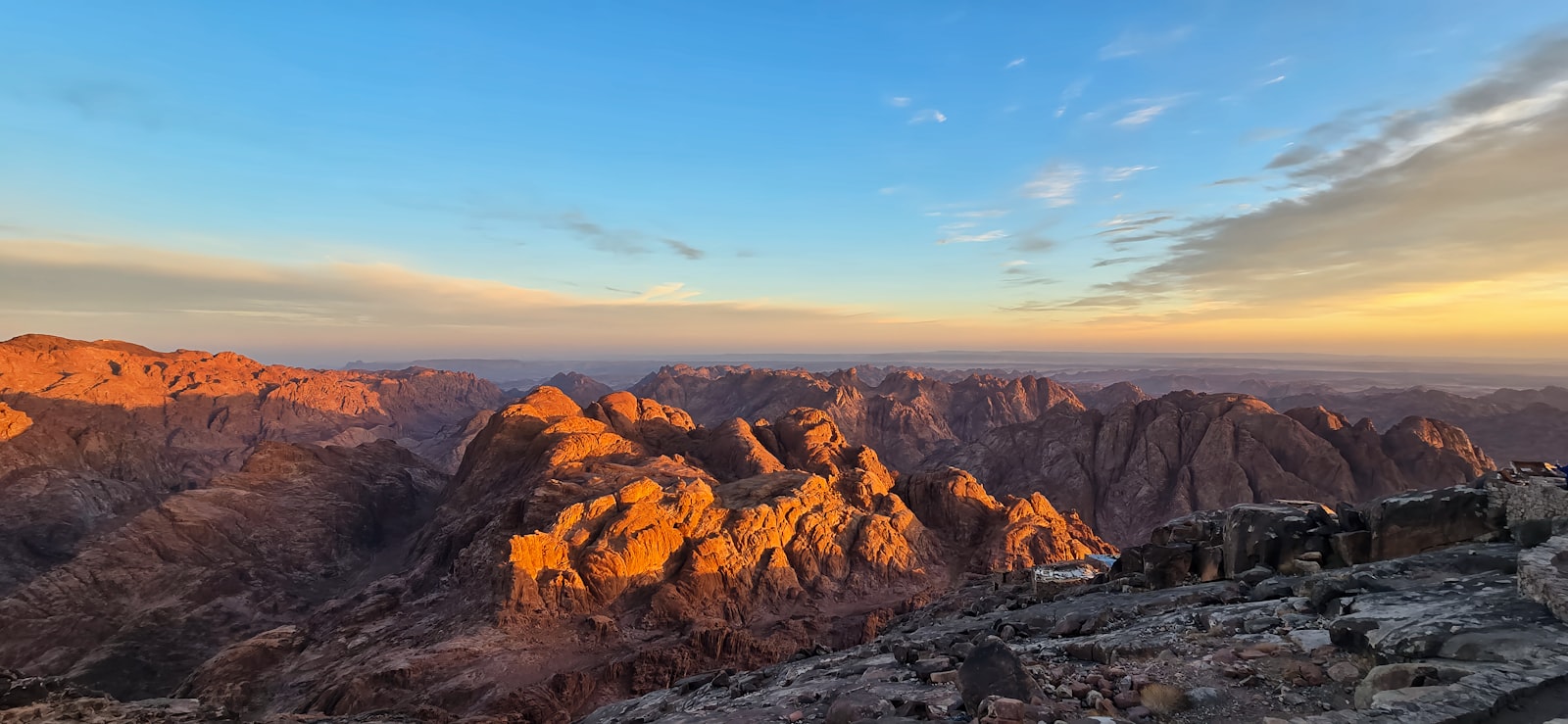
The peninsula of Ras Mohammed is the result of millions of years of tectonic activity along the Rift Valley of the Red Sea. The deep geological faults that cross the area have created vertical underwater walls that plunge for hundreds of metres into the depths of the sea, generating the ideal habitat for the development of coral reefs. The rocks outcropping on the terrestrial part of the park are predominantly constituted by raised fossil coral formations, testimony of the ancient sea level and of the tectonic movements that have shaped this region.
The Diving Sites
Shark Reef and Yolanda Reef
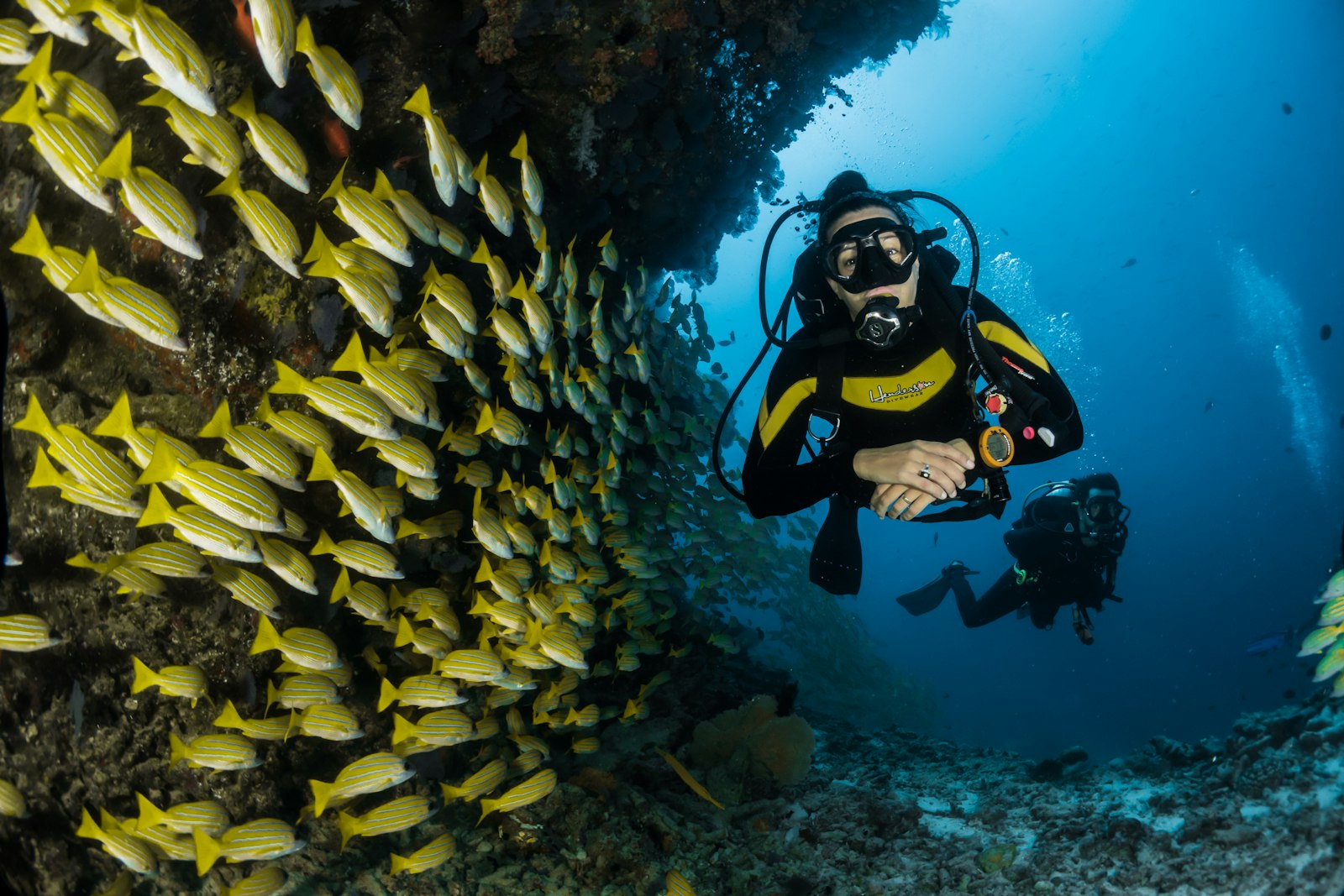
The sites of Shark Reef and Yolanda Reef, located at the southern extremity of the park, are universally recognised as two of the best diving sites in the world. Shark Reef is a coral tower that emerges from the abyssal depths of the Red Sea, with vertical walls that descend over 700 metres. The constant current brings nutrients from the depths, attracting an extraordinary concentration of marine life: barracuda, tuna, whitetip and blacktip sharks, sea turtles, Napoleon wrasses and shoals of pelagic fish that swim in hypnotic formations.
Yolanda Reef, adjacent to Shark Reef, owes its name to the Cypriot merchant ship Yolanda that was wrecked against the reef in 1980 during a storm. The wreck now lies at great depth, but its cargo, which included porcelain sanitary ware, is scattered on the seabed at depths accessible to recreational divers (15-25 metres), creating a surreal and photographically irresistible scenario: bathtubs and toilets surrounded by corals and tropical fish.
The dive at Shark and Yolanda Reef is generally carried out as a drift dive, letting oneself be transported by the current along the coral walls. The level of experience required is intermediate-advanced, due to the currents that can be strong and unpredictable.
Anemone City
Anemone City is a shallower and more accessible diving site, ideal for divers of every level. As the name suggests, it is characterised by an extraordinary concentration of sea anemones, each inhabited by families of clownfish (Amphiprion bicinctus, the species endemic to the Red Sea). The coral garden is magnificent, with tabular and branched formations that host an incredible variety of brightly coloured reef fish.
Jackfish Alley
Jackfish Alley is a spectacular site characterised by a shallow underwater canyon that opens into a natural amphitheatre where large shoals of jackfish swim in circular formation. The walls of the canyon are covered with brightly coloured soft corals and gorgonians, while in the cavities hide moray eels, stonefish and nudibranchs.
The Wreck of the SS Thistlegorm
Although it is not technically located within the boundaries of the park, the wreck of the SS Thistlegorm, sunk in 1941 by German bombers in the Strait of Gubal, is often included in the underwater excursions from Sharm el-Sheikh and Ras Mohammed. This British cargo ship, loaded with jeeps, motorcycles, tanks, ammunition and war material destined for the Allied forces in North Africa, lies at a depth of 30 metres and is considered one of the most spectacular and best preserved wrecks in the world. The visit to the Thistlegorm is an experience that unites history and underwater diving in a unique way.
The Terrestrial and Marine Ecosystem
The Marine Biodiversity
The waters of Ras Mohammed National Park host over 220 species of hard and soft corals, which form one of the most diverse and well-preserved coral reefs of the Red Sea. More than 1,000 species of fish have been censused in the park, from the tiny damselfish to the great pelagics such as hammerhead sharks, mantas and whale sharks (seasonally). Green turtles and hawksbill turtles frequent the waters of the park to feed and nest, and bottlenose dolphins and spinner dolphins are sighted regularly.
The health of the coral reef of Ras Mohammed is considered exceptional compared to global standards. While many coral reefs in the world suffer from bleaching caused by the warming of the waters, the corals of the northern Red Sea have demonstrated a surprising resistance, thanks to an evolutionary adaptation to the high temperatures that makes them potentially among the last coral reefs to survive climate change.
The Mangroves
In the coastal zone of the park are forests of mangroves (Avicennia marina), a rare and precious ecosystem in the region of Sinai. These trees, capable of growing in salt water, play a fundamental ecological role as a nursery for many species of fish and crustaceans, as coastal protection against erosion and as habitat for migratory birds. The mangroves of Ras Mohammed are among the most northern in the world and represent an important natural heritage.
The Magic Lake
Among the terrestrial attractions of the park, the Magic Lake is a basin of hypersaline water set among the rocky formations of the hinterland. The lake owes its name to the changes of colour that its waters undergo over the course of the day, from intense blue to green, from turquoise to violet, depending on the angle of the sunlight. The concentration of salt is so high that it is possible to float without effort, in a manner similar to the Dead Sea.
Snorkeling: the Accessible Alternative
It is not necessary to be a certified diver to enjoy the marine beauty of Ras Mohammed. Several sites within the park offer exceptional snorkeling experiences, accessible from the shore or from floating platforms.
The area of Main Beach and Old Quay is particularly suited for snorkeling, with shallow seabeds covered with corals that descend gently towards deeper waters. Also from the platforms of Shark Observatory, the elevated panoramic point that offers a breathtaking view of the meeting of the two gulfs, it is possible to access spectacular snorkeling zones where the reef plunges into the blue depths.
Tips for the Visit
How to Get There
Ras Mohammed National Park is located about 20 kilometres south of the centre of Sharm el-Sheikh, reachable by car in about 30 minutes. Access occurs through an entrance gate where it is necessary to show the passport and purchase the ticket. Many resorts and tour operators of Sharm organise daily excursions to the park, both by land and by sea on boats for snorkeling and diving.
Rules of the Park
The rules of the park are rigorous and must be respected scrupulously. It is absolutely forbidden to touch, trample or remove corals. It is not permitted to feed the fish. The collection of shells, corals or any other natural material is prohibited. It is forbidden to throw rubbish and to anchor on the corals. Violations are punished with severe fines. These rules may seem restrictive, but they are essential to preserve the beauty and the integrity of this unique ecosystem.
What to Bring
Bring snorkeling equipment (mask, snorkel, fins), biodegradable sun protection that does not damage the corals, water in abundance, hat and light clothing. If you rent a wetsuit and equipment in Sharm, verify the conditions of the equipment before departure. For diving, the diving centres of Sharm el-Sheikh offer packages that include transport, equipment and guide.
Best Period
Diving and snorkeling at Ras Mohammed are possible all year thanks to the temperature of the water that varies between 21°C in winter and 28°C in summer. The best period for underwater visibility is from October to April, when the waters are clearer and the air temperatures are pleasant. The summer months, although hot, offer the possibility of seasonal sightings of whale sharks and mantas.
Ras Mohammed National Park is much more than a simple diving destination: it is a natural sanctuary where the power and the beauty of the underwater world reveal themselves in all their magnificence. Whether you are expert divers or simple lovers of the sea, this park will leave you speechless and with the irrepressible desire to return to explore its wonders.