The Citadel of Saladin: Seven Centuries of Power in the Heart of Cairo
The Citadel of Saladin, perched on the Mokattam hill in the heart of Cairo, is one of the most important and best-preserved Islamic monuments in the Middle East. Built between 1176 and 1183 by the legendary Sultan Salah al-Din al-Ayyubi, better known in the West as Saladin, this imposing fortress served as the seat of the Egyptian government for nearly seven hundred years, from the Ayyubid period until the 19th century, when Khedive Ismail moved the royal residence to the Abdin Palace.
Inscribed on the UNESCO World Heritage List as part of historic Cairo, the citadel dominates the city's skyline with its mighty ramparts and with the domes and minarets of the Mosque of Muhammad Ali, offering visitors an unrivalled panoramic view over the entire metropolis and, on clear days, all the way to the pyramids of Giza on the horizon.
History of the Citadel
Saladin's Vision
The construction of the citadel was conceived by Saladin as part of an ambitious project for the military defence of Cairo. After overthrowing the Fatimid dynasty in 1171 and founding the Ayyubid dynasty, Saladin understood the need for an impregnable fortress to protect the city from external threats, in particular from the European Crusades that had already led to the founding of Christian states in the Holy Land.
The chosen site, the Mokattam hill, offered an ideal strategic position: a natural height that dominated both Fatimid Cairo and the older Fustat, with a 360-degree view that allowed any enemy advance to be spotted from a great distance. Saladin also ordered the construction of a perimeter wall to connect the citadel to the city, creating an integrated defensive system.
The works were directed by the emir Baha al-Din Qaraqush and made use in part of the labour of Crusader prisoners captured at the Battle of Hattin in 1187. The limestone for the walls was quarried from the surrounding hills, while the moat was dug into the living rock. Curiously, Saladin never lived in the completed citadel, as he died in Damascus in 1193 before the works were finished.
The Mamluk Period
Under the Mamluk sultans, who ruled Egypt from 1250 to 1517, the citadel reached its maximum architectural and political splendour. Sultan al-Nasir Muhammad ibn Qalawun (1293-1341, with interruptions) was the greatest builder among the Mamluks, erecting within the walls a monumental mosque, palaces, baths, gardens and the famous audience hall known as the Iwan.
The Mosque of al-Nasir Muhammad, still visible today with its minarets clad in majolica, was built in 1318-1335 and is a masterpiece of Mamluk architecture. Its capitals, coming from various eras and places, recount the Mamluk practice of reusing architectural elements from earlier buildings, including even fragments from the pharaonic and Crusader eras.
The Ottoman Era and Muhammad Ali
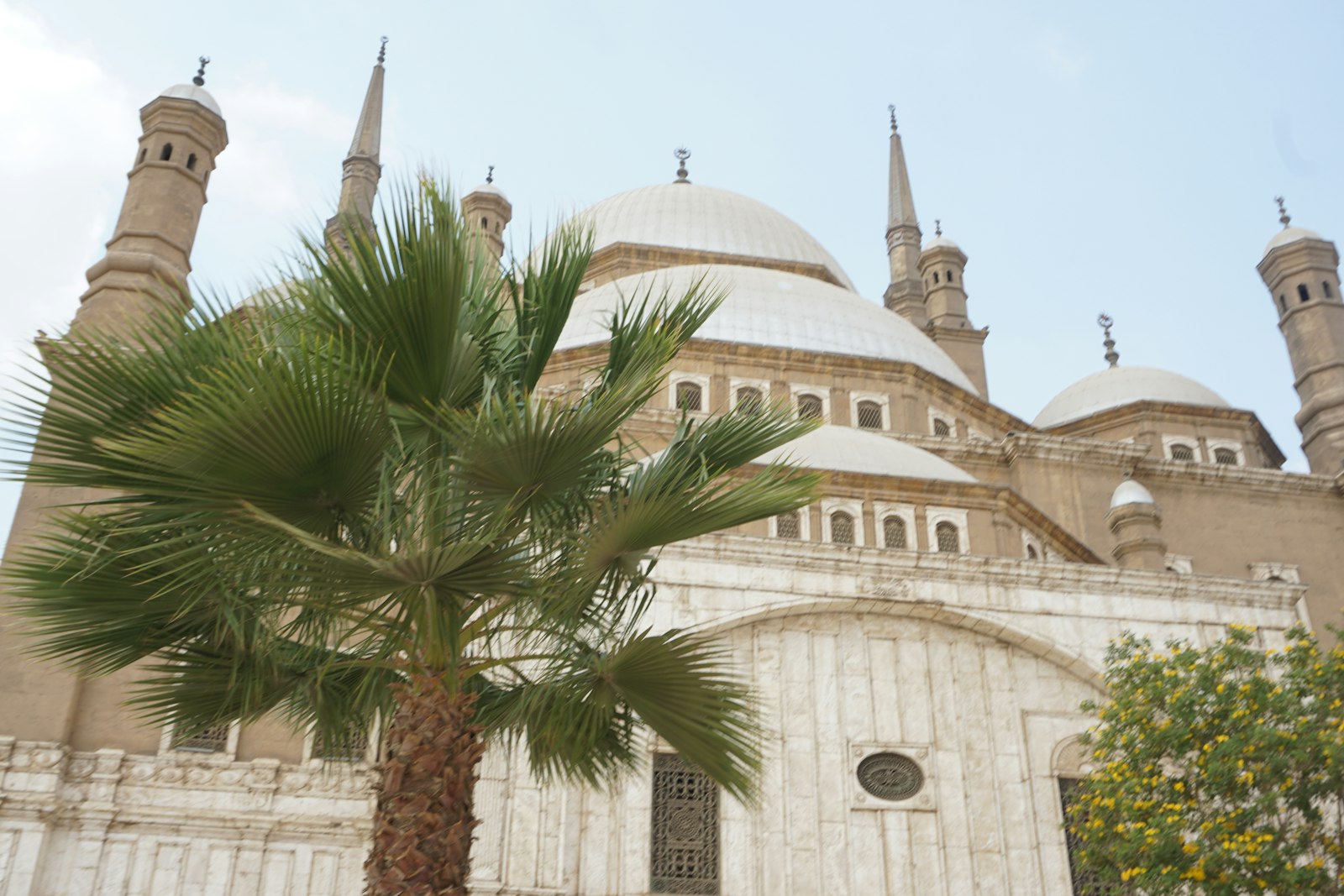
The Ottoman conquest of Egypt in 1517 marked a new phase in the history of the citadel. The Ottoman governors made modifications and additions to the structure, but it was Muhammad Ali Pasha, governor of Egypt from the beginning of the 19th century, who radically transformed the face of the fortress. Muhammad Ali demolished many of the Mamluk structures to make room for his grandiose mosque, which today dominates the entire citadel and the Cairo skyline.
A particularly bloody episode in the history of the citadel is the Massacre of the Mamluks of 1811, when Muhammad Ali invited around 470 Mamluk chiefs to a banquet within the walls and had them all killed, thus consolidating his absolute power over Egypt. A single Mamluk, according to legend, is said to have escaped by leaping with his horse from the walls.
What to See in the Citadel
The Mosque of Muhammad Ali
The most imposing monument within the citadel is undoubtedly the Mosque of Muhammad Ali, described in detail on its dedicated page. Its silver domes and soaring minarets are visible from almost every point in Cairo and represent the most iconic image of the citadel.
The Mosque of al-Nasir Muhammad
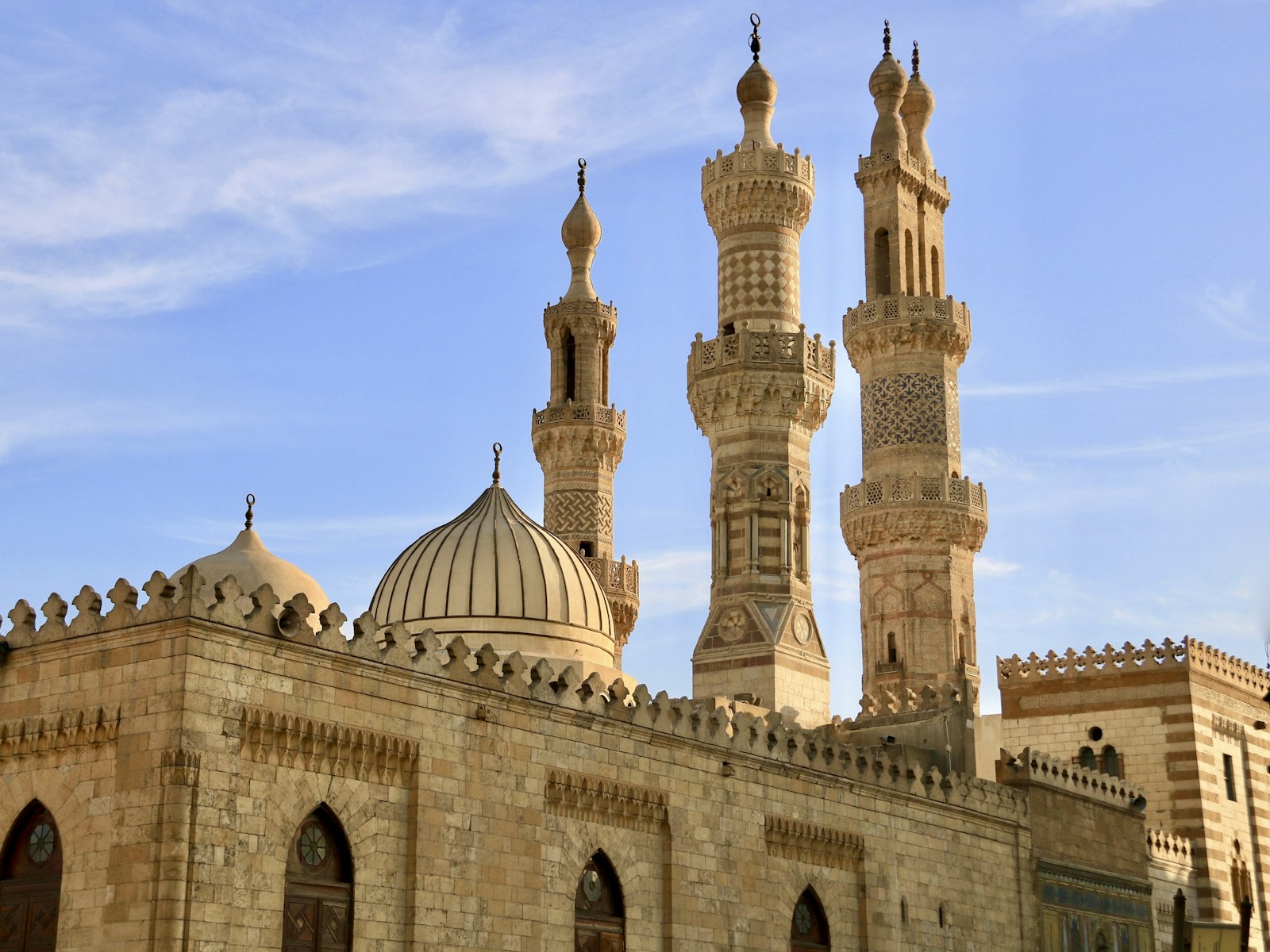
Built between 1318 and 1335, this mosque is one of the rare surviving examples of Mamluk architecture within the citadel. Its two minarets, unique in form and decoration, feature coverings in polychrome majolica of Persian influence. The interior, a large courtyard surrounded by porticoes with columns from buildings of different eras, offers a serene and meditative atmosphere.
The National Military Museum
Housed in the former Harim palace of Muhammad Ali, the National Military Museum recounts the history of the Egyptian armed forces from the pharaonic era to modern conflicts. The halls display weapons, uniforms, maps, paintings and dioramas that illustrate the most significant battles. Of particular interest is the section dedicated to the Arab-Israeli wars and to the Yom Kippur War of 1973.
The Police Museum
Located in the northern area of the citadel, this small museum recounts the history of the Egyptian police forces and presents a curious collection of famous crimes in the country's history. It also includes a section dedicated to political assassinations and the most significant security operations.
The Royal Carriages Museum
A collection of carriages, gigs and harnesses belonging to the Egyptian royal family from the 18th to the 20th century. Some carriages, richly decorated with gold and velvet, bear witness to the splendour of the khedival and royal court.
The Well of Joseph
One of the engineering marvels of the citadel is the Well of Joseph (Bir Yusuf), dug into the rock to a depth of about 87 metres to ensure the water supply of the fortress in case of siege. The well consists of two superimposed sections, with a spiral ramp that allowed donkeys to descend to the water level to operate the hydraulic wheels. The construction of the well was a remarkable engineering feat for the time and bears witness to the technical sophistication of the medieval builders.
The Walls and Towers
Defensive Architecture
The walls of the citadel extend for about two kilometres and are punctuated by semicircular and square towers that reinforced its defence. The thickness of the walls, in some points greater than three metres, and the height of the towers made the fortress practically impregnable with the military technologies of the time. The bastions feature arrow slits for archers and platforms for siege machines.
The citadel was divided into two main enclosures: the southern enclosure, which housed the sultan's residence and the administrative structures, and the northern enclosure, intended for the troops and military functions. This division reflected the dual nature of the citadel as a seat of political power and a military installation.
The Monumental Gates
Access to the citadel is through several monumental gates, of which the most impressive is the Bab al-Azab, an 18th-century portal decorated with Mamluk architectural elements. The Bab al-Mudarraj (Gate of the Staircase) is the current main entrance and leads to the southern enclosure through a paved ramp.
The Panoramic View
One of the main reasons to visit the citadel is the extraordinary panoramic view it offers over Cairo. From the terrace of the Mosque of Muhammad Ali and from the bastions of the walls, the gaze sweeps over a 360-degree panorama that embraces the entire urban fabric of the city: the domes and minarets of Islamic Cairo, the modern towers of the financial centre, the green ribbon of the Nile that crosses the metropolis and, on the clearest days, the silhouettes of the pyramids of Giza on the western horizon.
Sunset is the most magical moment to enjoy this view, when the golden light illuminates the thousand minarets of Cairo and the call to prayer resounds simultaneously from hundreds of mosques, creating an unforgettable acoustic and visual atmosphere.
Tips for the Visit
How to Get There
The citadel is located in the Islamic quarter of Cairo and is reachable by taxi or ride-sharing services. There is no metro stop in the immediate vicinity, but the nearest stop is Sayyida Zeinab (line 1), from which one can continue by taxi. It is advisable to combine the visit to the citadel with an exploration of the surrounding Islamic quarter.
Tickets and Access
The entrance ticket to the citadel includes access to all the monuments and museums within it. The visit route is well signposted and it is advisable to start from the Mosque of Muhammad Ali, continuing towards the Mosque of al-Nasir Muhammad and the museums. The complete visit takes about three to four hours.
Clothing and Conduct
Being a site that includes active places of worship, respectful clothing is required: shoulders and knees covered for both sexes. At the entrance of the mosques it is necessary to remove one's shoes. Bring socks with you to walk comfortably on the marble floors.
The Ideal Moment
The late afternoon is the best time to visit the citadel, combining good light for photographs with more tolerable temperatures. Arriving about an hour before sunset allows you to explore the main structures and then enjoy the spectacle of the sun setting over the city from the panoramic terrace.
The Citadel of Saladin is not only a historic monument, but a living place that recounts the complex stratification of Egyptian history, from the medieval era to the 19th century, offering the visitor a profound and visually unforgettable cultural experience in the beating heart of Cairo.