The Bahariya Oasis: Gateway of the Desert and the Golden Mummies
The Bahariya Oasis is one of the great oases of the Egyptian Western Desert and represents the ideal departure point to explore some of the most extraordinary landscapes of the eastern Sahara. Situated about 370 kilometres to the south-west of Cairo, Bahariya is easily reachable by car or by bus and offers an irresistible mix of ancient history, natural marvels and desert adventure. Its international fame is linked above all to the discovery of the Valley of the Golden Mummies, one of the most sensational archaeological finds of the end of the 20th century.
The depression of Bahariya extends for about 95 kilometres in length and 45 in width, hosting a population of about 30,000 inhabitants distributed in several villages, the most important of which is Bawiti, the administrative capital. The oasis is characterised by fertile palm gardens, natural thermal springs and an archaeological heritage that ranges from the pharaonic era to the modern era.
The Valley of the Golden Mummies
The Sensational Discovery of 1996
In March 1996, a donkey carrying its owner, a guardian of the temple of Alexander the Great at Bahariya, stumbled into a hole in the sandy terrain. When the man looked into the cavity, he was astonished: beneath his feet opened a vast necropolis that contained hundreds of mummies dating to the Greco-Roman era. This fortuitous discovery revealed to the world the Valley of the Golden Mummies, one of the most extensive and best-preserved ancient cemeteries ever found in Egypt.
The subsequent excavation campaigns, led by the Egyptian archaeologist Zahi Hawass, brought to light over 250 mummies, many of which covered by golden funerary masks of extraordinary beauty. The mummies, datable between the 1st century BC and the 4th century AD, represent the elite of the Greco-Roman community that inhabited the oasis during that flourishing period. The archaeologists estimate that the necropolis may contain up to 10,000 mummies, making this site one of the largest archaeological deposits still to be completely explored.
The Mummies and Their Classification
The mummies found at Bahariya have been classified into four main categories. The first comprises the mummies with golden masks and cartonnage, which represented individuals of high social rank and wealth. The second includes mummies with painted decorations on linen impregnated with resin, with scenes of divinities and protective symbols. The third category comprises mummies wrapped in simple linen bandages, typical of persons of more modest condition. The fourth is composed of mummies of children and infants, buried in small terracotta sarcophagi.
The quality of the mummification and the richness of the funerary goods testify to the economic prosperity of Bahariya in the Greco-Roman era, when the oasis was an important agricultural and commercial centre. The golden masks, with their idealised and serene faces, mix Egyptian and Greco-Roman stylistic elements, offering a unique testimony of the cultural syncretism that characterised Ptolemaic and Roman Egypt.
The Museum of the Golden Mummies
A selection of the most significant mummies and of the funerary finds is exhibited in the small but fascinating museum situated at Bawiti. The museum hosts ten perfectly preserved mummies, funerary goods, jewels and amulets that accompanied the deceased in their journey in the afterlife. The visit to the museum offers an excellent introduction to the discovery and permits to appreciate up close the artisanal mastery of the ancient embalmers.
Archaeological Heritage
The Temple of Qasr Allam
The Temple of Qasr Allam, situated near the village of El Qasr, is one of the most important archaeological sites of the oasis. This temple, dedicated to the god Amun and dating to the 26th dynasty, presents an architecture in limestone with later Greco-Roman elements that testify to the long continuity of use of the sanctuary. The ruins, although partially buried in the sand, conserve portions of decorated walls and columns that permit to imagine the original grandiosity of the structure.
The Tomb of Bannentiu
The Tomb of Bannentiu, a rich merchant of the 26th dynasty, is one of the best-preserved funerary monuments of the oasis. The walls of the sepulchral chamber are decorated with vivid religious scenes that depict the deceased in the presence of numerous Egyptian divinities, among them Osiris, Isis and Anubis. The colours, surprisingly vivid after over 2,500 years, testify to the ability of the local artists and the importance of the commissioner.
The English House
The English House, also known as Beit el-Ingleez, is a British colonial building constructed on the summit of a hill that dominates Bawiti. Used as an observation point during the First and the Second World War to monitor the movements in the desert, this construction today offers a spectacular panoramic view over the oasis and over the surrounding landscapes. The walk up to the English House, particularly suggestive at sunset, has become one of the most popular activities among the visitors of Bahariya.
The Thermal Springs
Bir el-Ghaba
Bir el-Ghaba, literally "the well of the forest", is the most celebrated thermal spring of the oasis. Situated about 15 kilometres from Bawiti, this natural pool is surrounded by a luxuriant palm grove that creates an atmosphere of an oasis within the oasis. The water, which gushes at a temperature of about 45°C, is rich in minerals beneficial for the skin and the joints. Immersing oneself in the waters of Bir el-Ghaba under the starry sky of the desert is an experience that alone is worth the journey.
Bir el-Mattar
Bir el-Mattar, another popular thermal spring, is found near Bawiti and is easily accessible. The hot water, the surrounding palms and the silence of the desert create an environment of profound relaxation. This spring is particularly frequented by the local population, offering an authentic occasion of interaction with the inhabitants of the oasis.
Other Springs
The oasis counts numerous other springs, both hot and cold, distributed in its territory. Some are used for agricultural irrigation, others are suitable for bathing and constitute favourite destinations for the daytime excursions. Every local guide knows the less frequented springs, where it is possible to enjoy a thermal bath in total solitude and tranquillity.
Gateway of the White and Black Desert
The Ideal Departure Point
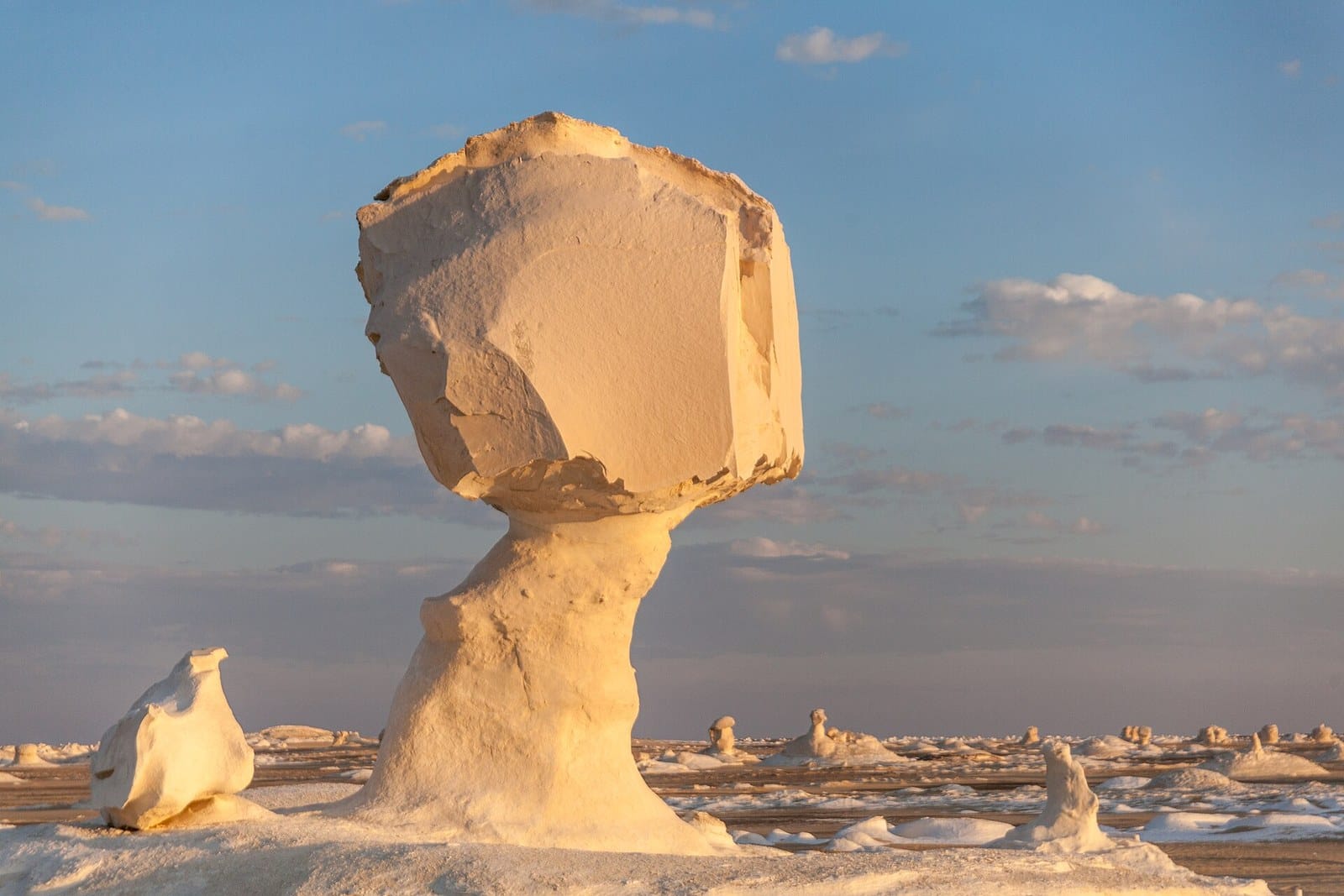
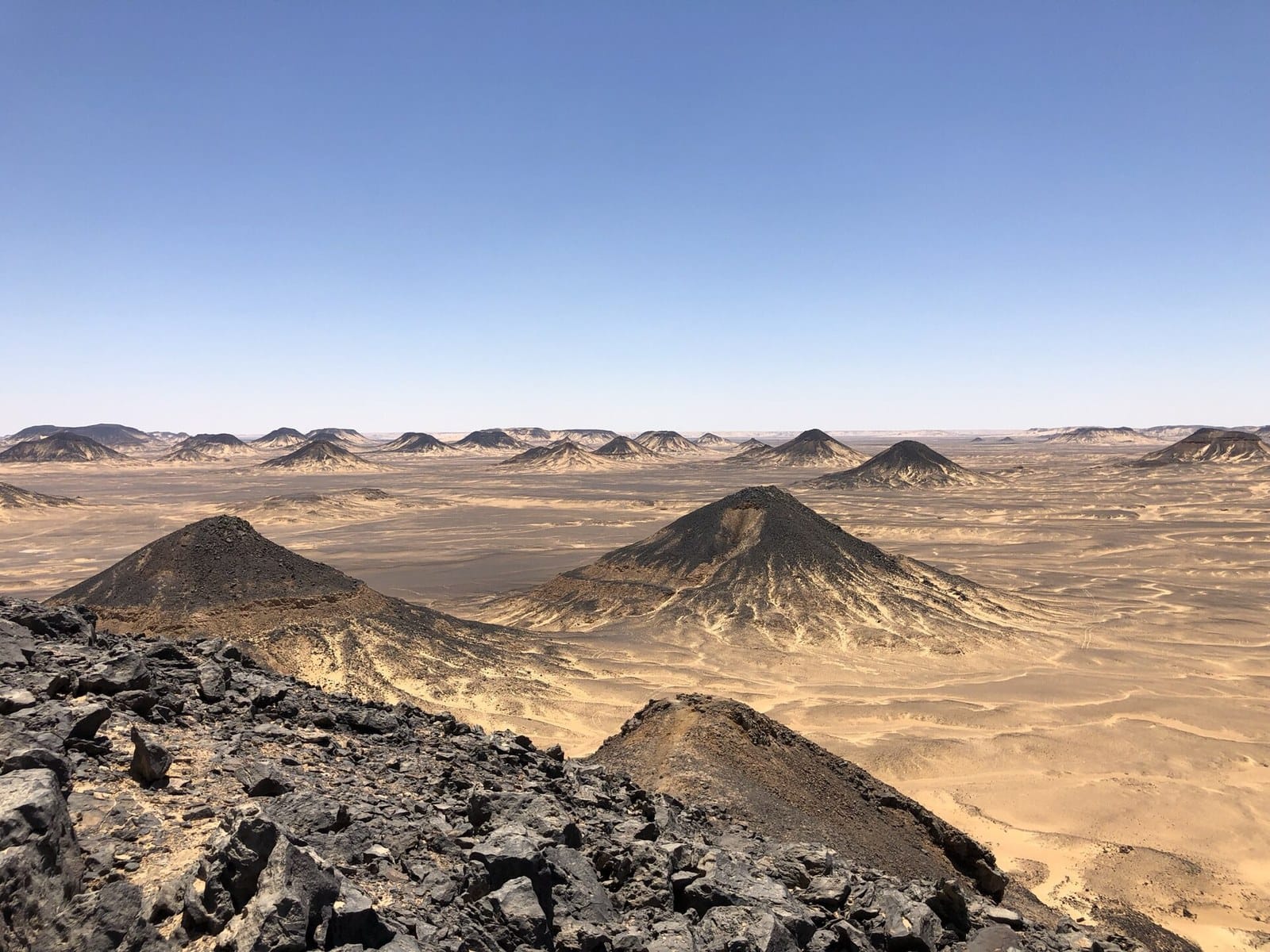
Bahariya is universally recognised as the main gateway to the White Desert and the Black Desert, two of the most spectacular natural landscapes of Egypt. Practically every safari in the desert that includes these destinations departs from Bawiti, where numerous local agencies and expert guides organise excursions of one or more days with off-road vehicles.
The classic route foresees the departure from Bahariya, a stop at the Black Desert with its volcanic hills, the visit to the Crystal Mountain and the arrival at the White Desert for the night camping among the surreal limestone formations. It is an experience that combines adventure, geology and a profound connection with the primordial landscape of the Sahara.
The Iron Mines
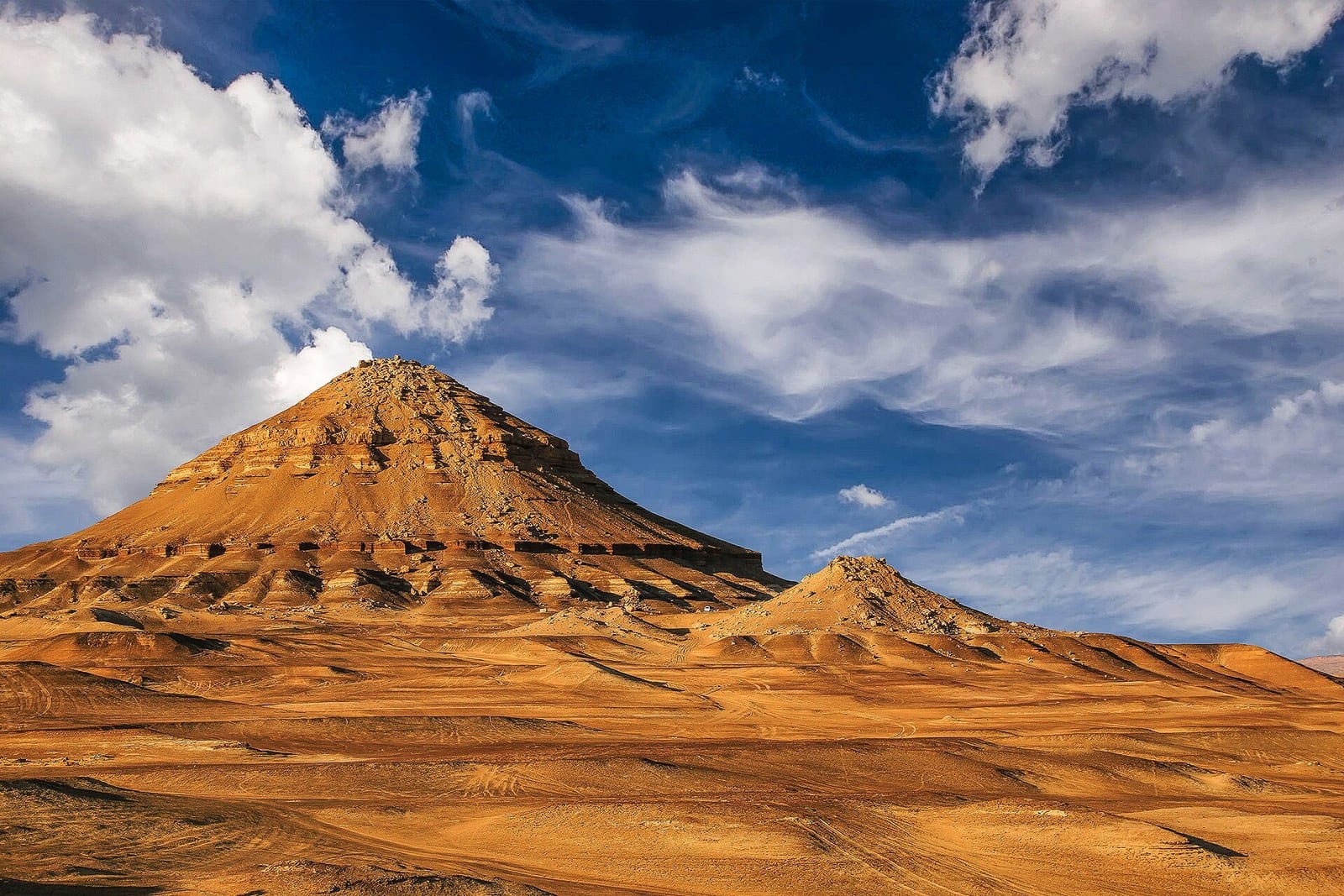
A less known but significant aspect of the Bahariya Oasis is the presence of important deposits of iron, exploited since antiquity and still in activity. The mines of El Gedida, situated in the northern part of the depression, represent one of the principal mineral resources of Egypt. The hills of iron oxide that surround the mines contribute to the unique landscape of the zone, with their reddish and ochre tonalities that contrast with the green of the palm groves.
Practical Tips for the Visit
How to Get There
Bahariya is reachable from Cairo in about 4-5 hours by car along an asphalted road in good condition. Daily buses depart from the Upper Egypt Bus Company station in Cairo and arrive at Bawiti. It is advisable to book the ticket in advance, especially during the tourist season. The journey by private car offers greater flexibility and permits photographic stops along the spectacular desert road.
Where to Stay
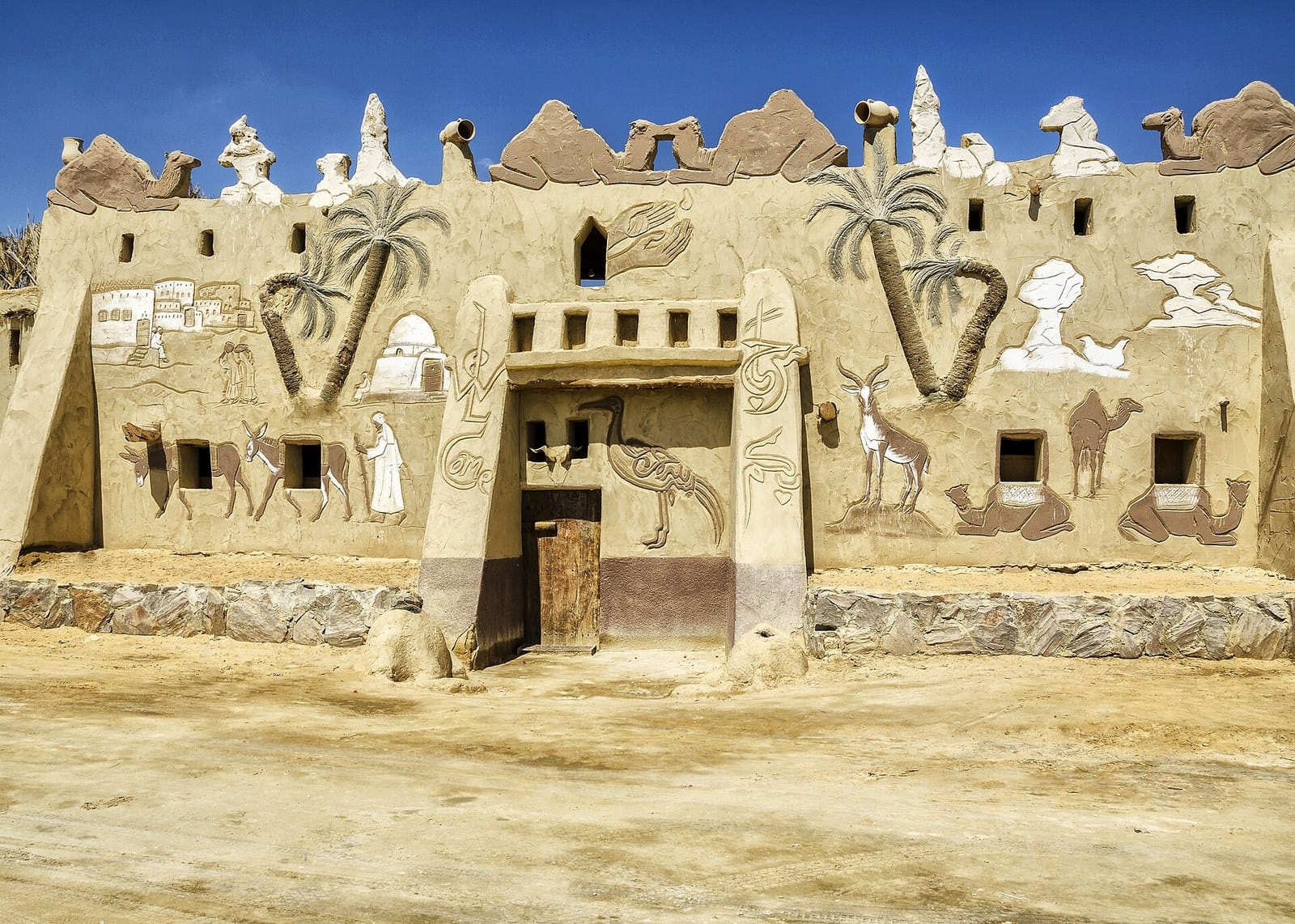
Bawiti offers several options of accommodation, from economical campsites and hostels to mid-category hotels. Many structures are managed by the same agencies that organise the safaris in the desert, permitting to easily combine accommodation and excursions. For those who seek a more authentic experience, some local residents offer accommodations in traditional houses with typical oasis hospitality.
Organising a Safari
For the excursions in the White Desert and in the Black Desert it is indispensable to rely on expert local guides with adequate off-road vehicles. The agencies of Bawiti offer packages that include transport, meals, camping equipment and guide. It is possible to choose between excursions of one day, one overnight stay or several nights in the desert. It is advisable to compare different offers and to verify the reviews of the agencies before booking.
What to Bring
Besides the adequate clothing for the desert (light layers, sun cover, warm clothing for the night), it is recommended to bring a good supply of water, energy snacks, a head torch, a sleeping bag for the camping (the night temperatures in the desert can drop drastically) and protection for the camera from the sand.
The Bahariya Oasis is a place where the most remote past meets the present in a continuous dialogue, where the marvel of archaeological discovery merges with the adventure of the desert and the simplicity of oasis life. It is an essential stop for those who wish to explore the true heart of the Egyptian Western Desert.