The Museum of Islamic Art: the Greatest Treasure of Muslim Art
The Museum of Islamic Art in Cairo, located in the imposing building of Bab al-Khalq in the heart of the Egyptian capital, is the largest and most important museum dedicated to Islamic art in the world. With a collection that exceeds one hundred thousand artefacts, covering a time span of over twelve centuries and a geographic area that extends from Spain to India, this museum represents a cultural heritage of inestimable value for all of humanity. Its halls house masterpieces of Mamluk metalwork, Fatimid glassware, Ottoman ceramics, Persian textiles and Arabic calligraphy that recount the extraordinary richness and diversity of Islamic civilisation.
Founded in 1881 and transferred to its current location in 1903, the museum has gone through moments of great splendour and difficult periods, including the devastating bombing of January 2014 that seriously damaged the building and part of the collections. The meticulous restoration that followed, completed in 2017, gave back to the world a completely renovated museum, with modern displays and exhibition standards of international level.
The History of the Museum
The Origins (1881-1903)
The idea of creating a museum dedicated to Islamic art was born in the last quarter of the 19th century, when the growing European interest in Islamic antiquities risked provoking an irreversible dispersal of the Egyptian artistic heritage. In 1881, the government of Khedive Tawfiq established a Committee for the Conservation of the Monuments of Arab Art, charged with collecting and preserving the objects of Islamic art scattered in the mosques, the palaces and the antique markets of Cairo.
The first collection was housed in a wing of the mosque of al-Hakim, in the heart of Fatimid Cairo. Soon, however, the quantity of objects collected made it necessary to find a more adequate location. In 1899 the construction of a specially designed building began in Bab al-Khalq Square, which was inaugurated in 1903 with the name of "Museum of Arab Art". Only in 1952, with the proclamation of the Republic, was the museum renamed "Museum of Islamic Art" to reflect the international nature of its collections.
The Building
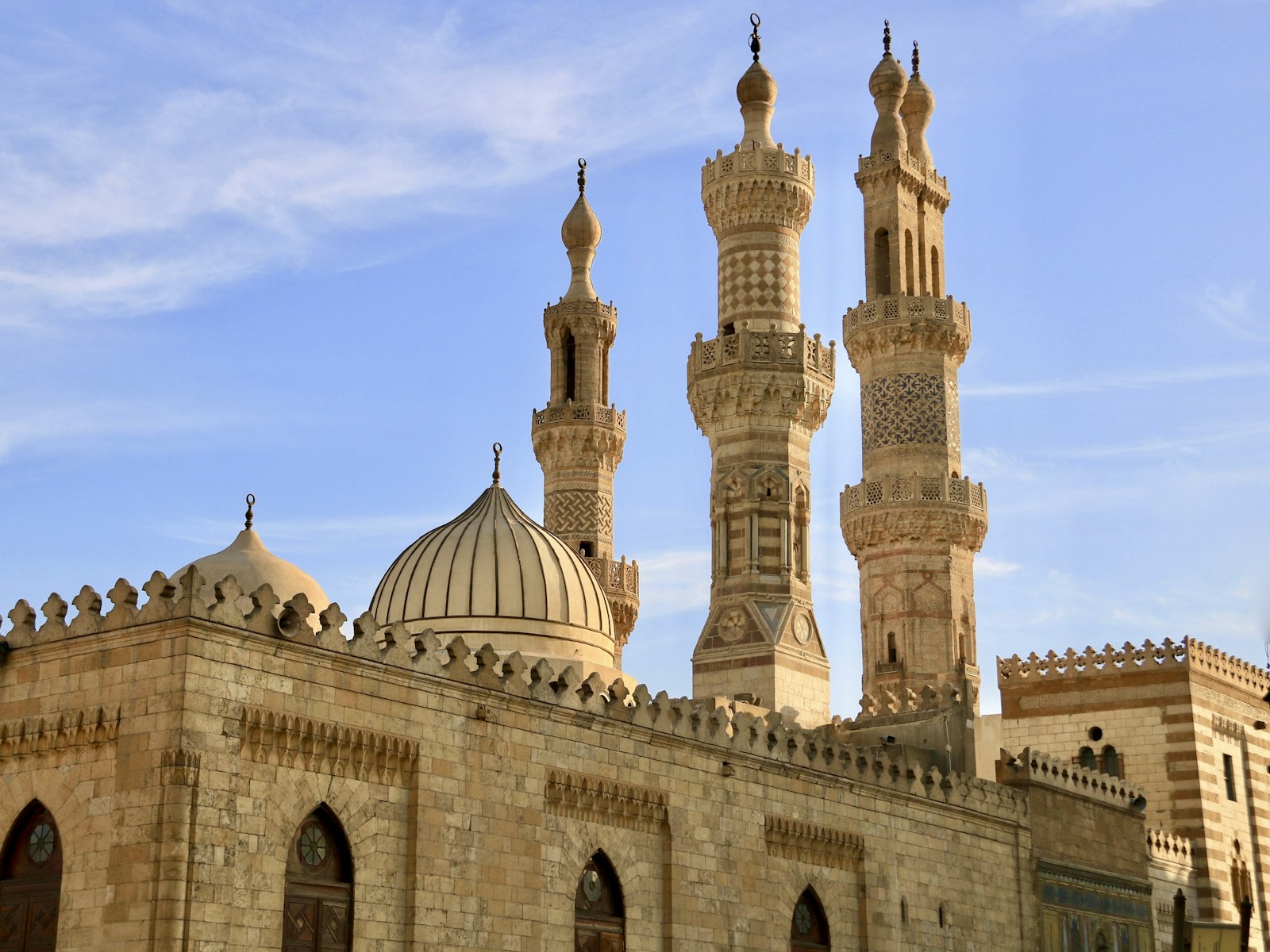
The building that houses the museum is itself a work of architectural art. Designed in neo-Mamluk style by the Italian architect Alfonso Manescalco, the building combines European structural elements with decorations inspired by the Mamluk architecture of the 14th and 15th centuries. The façade presents ogival arches, windows with pierced stucco grilles and a monumental portal decorated with geometric and calligraphic motifs. The interior is organised around a large covered central courtyard, from which the exhibition galleries branch out.
The 2014 Bombing and the Restoration
On 24 January 2014, a car bomb exploded in front of the nearby Cairo Security Directorate, causing serious damage to the museum. The shock wave destroyed the display cases, damaged the walls and caused the collapse of parts of the ceiling. Hundreds of artefacts were damaged or destroyed. It was a devastating blow to world cultural heritage.
The response of the international community was immediate and generous. UNESCO, together with numerous countries and museum institutions, mobilised resources and expertise for the restoration. A team of expert restorers, coming from Italy, France, Germany and other countries, worked for three years on the recovery of the damaged artefacts and the restoration of the building. The museum reopened its doors in 2017, completely renovated and with a state-of-the-art museographic display.
The Collections
Mamluk Metalwork
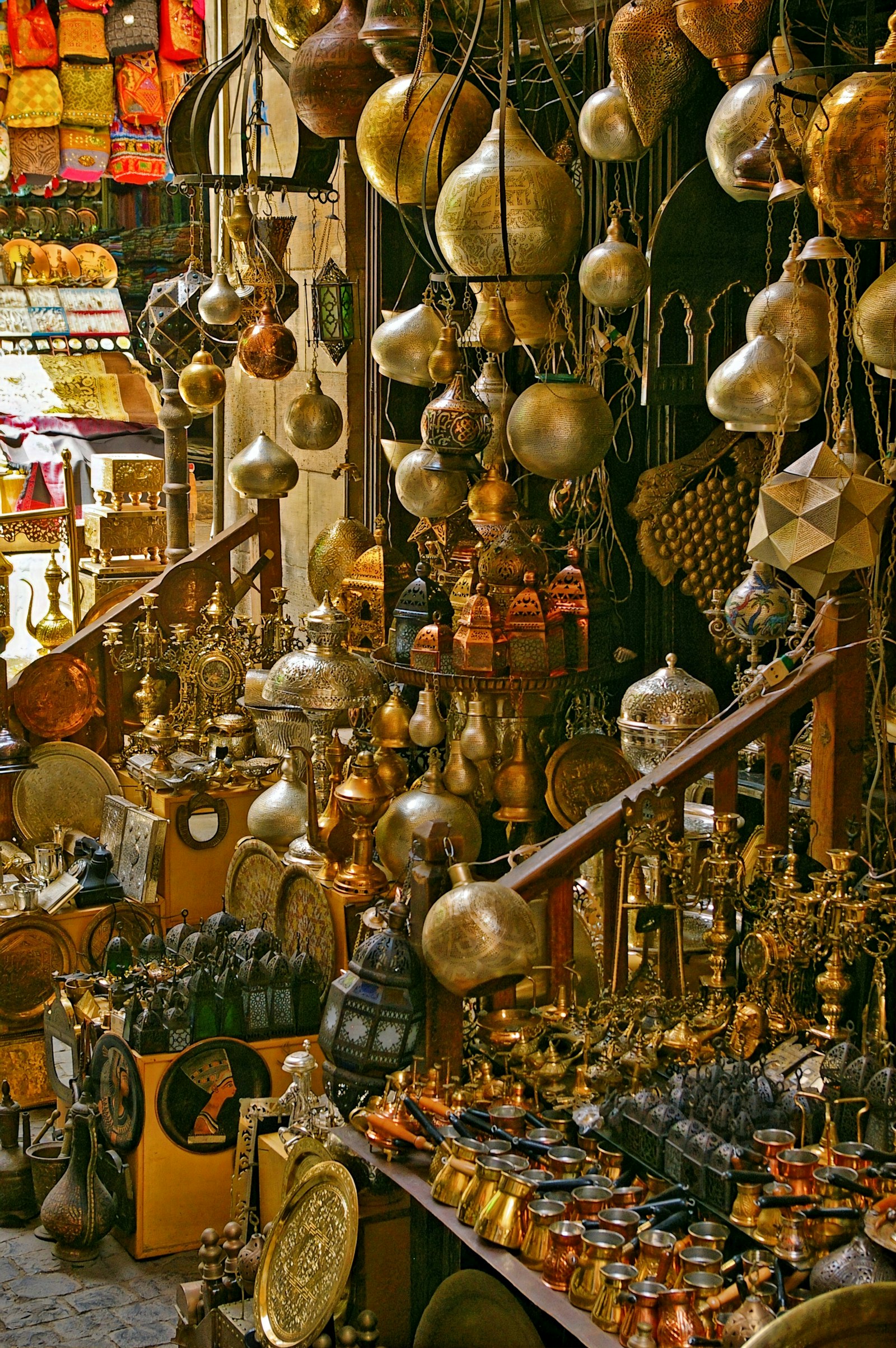
The collection of metal objects from the Mamluk period (1250-1517) is probably the most important of the museum and one of the most significant in the world. The Mamluks were masters in the working of bronze, brass and steel, creating objects of everyday and ceremonial use decorated with extraordinary mastery. Mosque lamps in pierced brass, basins for ablutions inlaid with silver, monumental candlesticks with calligraphic inscriptions and ceremonial trays with scenes of hunting and banquets testify to the apex reached by Islamic metalwork art.
The most celebrated piece is perhaps the great basin of Sultan Muhammad ibn Qalawun, a masterpiece of silver and gold inlay that depicts scenes of court life with an astonishing finesse of detail. Equally remarkable is the collection of mosque lamps in enamelled glass, the largest in the world, with examples coming from the main mosques of medieval Cairo.
Fatimid Glassware
The Fatimids (969-1171) brought to Egypt a glassmaking tradition of extraordinary refinement. The collection of the museum includes glasses, bottles, lamps and flasks for perfumes in blown glass, often decorated with polychrome enamels, gildings and engravings. The technique of lustre painting, which gives the glass iridescent metallic reflections, reached with the Fatimids a level never surpassed. Some pieces of the collection present figurative decorations with animals, musicians and court scenes that reveal the influence of the Persian and Byzantine artistic tradition on Fatimid culture.
Ottoman Ceramics
The section dedicated to ceramics is one of the most extensive of the museum. The collection comprises examples coming from all the main centres of production of the Islamic world, with particular attention to the ceramics of Iznik (Turkey), famous for its floral motifs in red, blue and green on a white ground. Pieces of Persian lustre ceramics, Andalusian Spanish majolica and Egyptian ceramics of the Fatimid and Mamluk periods are also exhibited.
Textiles and Carpets
The textile collection of the museum is one of the richest in the world and comprises examples ranging from the 8th to the 19th century. Particularly important are the Coptic and Fatimid textiles, the Mamluk silks with calligraphic inscriptions and the hand-knotted Ottoman carpets. A unique piece is the kiswa, the black cloth embroidered in gold that every year was sent from Egypt to Mecca to clothe the Kaaba.
Calligraphy and Manuscripts
The museum preserves an exceptional collection of manuscripts and calligraphic documents that represent the highest expression of Islamic art. Qurans illuminated with decorations in gold and lapis lazuli, illustrated scientific treatises, chancery documents with monumental calligraphy and tables of calligraphic exercises testify to the centrality of writing in Islamic culture. The collection includes examples in all the main Arabic scripts: Kufic, Naskhi, Thuluth, Nastaliq and Diwani.
Wood and Ivory
The sections dedicated to the working of wood and ivory exhibit carved panels coming from mosques and palaces, monumental doors with geometric decorations, mashrabiyya (turned wood grilles), minbar (mosque pulpits) and caskets in inlaid ivory. The carved wooden panel coming from the Fatimid palace of the caliphs is one of the oldest and most precious pieces of the collection.
The Modern Display
The post-2014 restoration offered the opportunity to completely rethink the display of the museum. The new galleries are organised both chronologically and thematically, allowing visitors to choose the path most suited to their own interests. The lighting, designed by Italian specialists, enhances the details of the artefacts without damaging them, while the multilingual information panels (Arabic, English, French) provide historical and artistic contextualisations accessible to all.
A significant innovation is the introduction of interactive multimedia stations that allow virtual exploration of the artefacts, enlarging details impossible to appreciate with the naked eye. These technologies, combined with the intrinsic quality of the collections, make the Museum of Islamic Art in Cairo a cultural experience of world first level.
Tips for the Visit
How to Get There
The museum is located in Bab al-Khalq Square, a short distance from the Mohamed Naguib metro station. From Tahrir Square, it can be reached by taxi in about ten minutes, or one can walk along Sharia Port Said for about twenty minutes. The building is easily recognisable for its imposing neo-Mamluk façade.
Hours and Tickets
The museum is open every day from 9:00 to 17:00, with early closing on Friday morning for prayer. The entrance ticket is accessible. Audio guides are available in various languages, including Italian, and are strongly recommended to fully appreciate the meaning of the works exhibited.
How to Organise the Visit
Given the vastness of the collections, it is advisable to dedicate at least two hours to the visit. Those who have little time should concentrate on the halls of Mamluk metalwork and Fatimid glassware, which contain the most spectacular pieces. For an in-depth visit, three hours are the minimum necessary. It is advisable to start from the halls on the ground floor, where the oldest objects are exhibited, and go up to the first floor for the more recent collections.
Combining the Visit
The museum is located in an ideal position to be combined with a visit to Islamic Cairo. A few minutes on foot lead to the mosque of Sultan Hassan, the mosque of al-Rifai and the Citadel of Saladin. Alternatively, one can continue northward along Al-Muizz Street to explore the bazaar of Khan el-Khalili and the Fatimid mosques.
Photographic Suggestions
Photography is permitted in the exhibition halls but without flash. The mosque lamps in enamelled glass and the inlaid basins are the most photogenic subjects. The light is best in the morning, when the rays of the sun filter through the windows with stucco grilles creating suggestive plays of light on the marble floors.
The Museum of Islamic Art in Cairo is not simply a container of ancient objects, but a place where the extraordinary creativity of Islamic civilisation is manifested in all its variety and magnificence. From the delicate filigrees of Fatimid glasses to the powerful inlays of Mamluk bronzes, every object exhibited tells a story of faith, beauty and ingenuity that crosses the centuries and the geographic borders, uniting in a single narrative different cultures and peoples under the common sign of art.